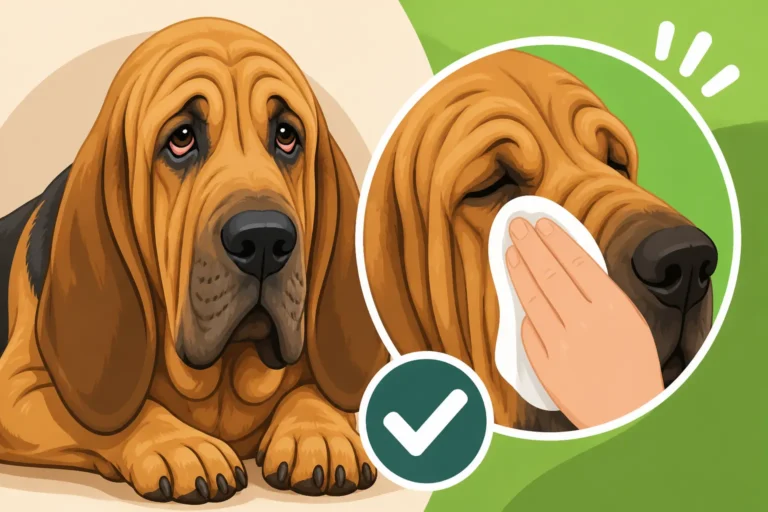
Whether Drool Marks a Bloodhound’s Chest
Anyone who has spent more than five minutes with a Bloodhound knows that these incredible scent hounds are… well, they're wet. Their famously loose jowls and endless enthusiasm for life often result in a liberal distribution of slobber. If you're wondering if that drool genuinely marks up your Bloodhound's chest, the simple answer is a resounding "yes," and this guide will delve into why it happens and what you can realistically do about it.
The Reality of Bloodhound Drool – It's More Than Just a Little Wetness
Let's be honest, Bloodhounds are not exactly known for their neatness. Their very anatomy, honed over centuries for superior scent work, almost guarantees a certain level of… moistness. It's part of their charm, if you have the right mindset, but it definitely impacts their appearance and daily care.
Why Bloodhounds Drool So Much Anatomy and Instinct
The reasons behind a Bloodhound's prodigious drooling are deeply rooted in their unique physical characteristics and their primary purpose: scenting. Unlike many other breeds, Bloodhounds possess an abundance of loose skin, particularly around their head, throat, and jowls. These long, pendulous flews (the hanging parts of the upper lip) and dewlaps (the folds of skin under the chin and neck) are fantastic for trapping scent particles close to their highly sensitive nose, creating a "scent funnel" that enhances their incredible tracking ability. However, this very design also makes them highly inefficient at keeping saliva contained within their mouths.
When a Bloodhound drinks, eats, or even just gets excited, that saliva has nowhere to go but out. The sheer volume of their mouths, combined with the loose, baggy skin, acts like a leaky cup. They don't have the tight, dry lips of a Labrador or a German Shepherd, which can create a seal to hold moisture in. Instead, their jowls are designed to hang, allowing gravity to do its work – which means gravity often pulls saliva right out. This isn't a sign of poor health; it's just a fundamental aspect of being a Bloodhound, a beautiful quirk of their ancient design.
The "Drool Trail" – Where Does It Go?
So, where does all this uncontained saliva end up? Almost invariably, it finds its way to the Bloodhound's chest and front legs. Imagine your Bloodhound taking a big drink of water from their bowl. As they lift their head, water and copious amounts of saliva drip from those magnificent jowls. Gravity pulls it straight down, often creating streaks and wet patches right down their neck and across their prominent chest. It's a common sight for Bloodhound owners to see their dog's chest looking damp or even soaking wet after a simple drink. How Much Water a Bloodhound Spills in a Day is often more than you'd expect!
Beyond drinking, movement plays a huge role. Bloodhounds are expressive dogs, and a happy shake of the head or a vigorous trot can send strands of drool flying. These strands, often described as "slobber strings," invariably land on the closest large surface, which more often than not is their own chest or the top of their front legs. Even simply resting their head on their paws can lead to a puddle of drool accumulating beneath their chin, which then soaks into the fur on their chest. It's a natural consequence of their anatomy and their everyday behaviors.
How Drool Stains and Affects a Bloodhound's Chest
While drool itself might seem innocuous, its constant presence on a Bloodhound's chest can lead to several aesthetic and practical issues. It's not just about a temporary wet spot; it's about the long-term impact on their coat, skin, and even the overall cleanliness of your home.
The Visible Evidence: Discoloration and Matting
One of the most immediate and noticeable effects of drool on a Bloodhound's chest is discoloration. When saliva dries, it leaves behind a residue of proteins, minerals, and other organic matter. Over time, especially on lighter colored Bloodhounds (like reds or light tans), this residue can oxidize and cause a yellowish or brownish staining on the fur. This isn't dirt in the conventional sense, but a chemical change that can be quite stubborn to remove. It often gives the chest area a dingy, stained appearance that contrasts sharply with the cleaner fur on other parts of their body.
In addition to staining, constant dampness from drool can also lead to matting, particularly if your Bloodhound has slightly longer or finer hair on their chest. The sticky residue from dried saliva can cause individual hairs to clump together, forming small mats. If not addressed, these mats can become tighter and larger, pulling on the skin and causing discomfort. Matting also makes it harder to keep the area clean and can trap even more moisture, exacerbating both the staining and potential skin issues. It's a vicious cycle that requires regular attention.
Beyond the Aesthetic: Skin Irritation and Odor
The impact of drool extends beyond just how your Bloodhound looks. Prolonged dampness on the skin is a breeding ground for bacteria and yeast, which thrive in warm, moist environments. This can lead to a common condition known as skin fold dermatitis or pyoderma. The skin under the wet fur on the chest can become red, inflamed, itchy, and even develop a rash or infection. You might notice your Bloodhound scratching or rubbing their chest more frequently if this is happening. Skin Fold Dermatitis on a Bloodhound is a recurring challenge for many owners due to the breed's loose skin.
Furthermore, this bacterial and yeast overgrowth contributes significantly to the distinctive "Bloodhound smell." While all dogs have a natural scent, the constant presence of damp, drool-soaked fur and potentially irritated skin can make the odor much more pronounced and less pleasant. It's not just the drool itself that smells, but the microbial activity it encourages. If you've ever wondered Why a Bloodhound Smells Like a Bloodhound, this is definitely a contributing factor! Without diligent cleaning, this odor can permeate their bedding, your furniture, and even your home.
Practical Strategies for Managing Chest Drool
Living with a Bloodhound means accepting a certain level of drool, but that doesn't mean you're powerless. There are plenty of proactive steps you can take to minimize the mess, reduce staining, and keep your dog comfortable and healthy. It's all about consistent care and making a few adjustments to your routine.
Wiping and Cleaning Routines
The most direct way to combat chest drool is with frequent wiping and cleaning. Think of it as part of your Bloodhound's daily hygiene ritual. Keep soft, absorbent cloths or dog-specific wet wipes readily available in various spots around your home – near their food and water bowls, by the door, and even in your car for adventures out and about. It's truly a case where Whether a Bloodhound Owner Should Keep Cloths in Every Room becomes a practical necessity.
After every meal, every drink, and any particularly excited head shake, gently wipe down their jowls, chin, and chest area. Don't just dab; really get in there to absorb the moisture. For more thorough cleaning, especially if you notice any stickiness or a developing odor, use a pet-safe cleanser or specialized wipes, which you can often find at retailers like Chewy or Amazon. Pay close attention to the folds of skin under their chin and around their neck, as these areas are notorious for trapping moisture. Remember, the goal is to keep the area as dry as possible to prevent both staining and skin irritation. Regularly wiping Whether a Bloodhound's Jowls Should Be Wiped After Drinking will make a huge difference.
Protective Gear and Feeding Solutions
Sometimes, a bit of clever gear can go a long way in managing drool. One popular item among Bloodhound owners is the "snood." This is essentially a fabric tube that covers their long ears and can also help contain the jowls while they eat or drink. While primarily designed to keep their magnificent ears out of their food and water, a well-fitted snood can also somewhat limit the outward spray and drip of saliva towards their chest. What a Snood Does for a Bloodhound is to create a barrier, not to eliminate drool entirely, but it can certainly help reduce the volume that reaches the chest.
When it comes to feeding and watering, consider specialized bowls. Deep, narrow bowls can encourage your Bloodhound to keep their head more contained while drinking, potentially reducing spillage. Some owners also opt for raised feeding stations, which some believe can help with digestion and posture, though it's important to consult with your vet about the right height for your individual dog. A bowl specifically designed so Which Bowl Shape Keeps a Bloodhound's Ears Out can also inadvertently help manage some of the drool that would otherwise drip from their jowls into the bowl and then back onto their chest. You can find a wide variety of these options on platforms like Amazon or Chewy.
Addressing Underlying Issues
While drooling is inherent to the Bloodhound, sometimes excessive drooling can be a symptom of an underlying issue. It's always a good idea to monitor your dog for changes. If your Bloodhound suddenly starts drooling significantly more than usual, or if the drool seems particularly thick, discolored, or malodorous, it might be worth a vet visit. Dental problems, mouth injuries, nausea, or even certain medications can increase salivation. A quick check-up can rule out anything serious and ensure your hound is healthy.
Maintaining a healthy diet and ensuring adequate hydration can also indirectly help. While diet won't stop the drool, a well-balanced, high-quality diet supports overall skin health, making your Bloodhound less susceptible to skin irritation from chronic dampness. Ensure they always have access to fresh, clean water. If you notice persistent skin issues on their chest despite diligent cleaning, your veterinarian might recommend medicated washes or creams to address any dermatitis or yeast infections. Don't hesitate to seek professional advice; Whether a Bloodhound Owner Should Choose a Vet With Overnight Surgery might sound dramatic for drool, but knowing you have a vet who can handle skin issues or anything more serious is vital.
Living with the Drool: Acceptance and Prevention
Ultimately, owning a Bloodhound means embracing their unique characteristics, and their drool is definitely one of them. While you can manage it, you'll never completely eradicate it. Learning to live with it, and prepare your home for it, is key to a happy and stress-free life with your beloved hound.
The Inevitable: You Can't Stop All Drool
Let's be real: trying to stop a Bloodhound from drooling is like trying to stop the tide. It's simply not going to happen, and trying too hard will only frustrate you and possibly stress your dog. Their jowls and flews are part of their breed standard, part of what makes them such exceptional scent hounds, and a natural consequence of their anatomy. Whether a Bloodhound Drools More Than a Basset Hound is a common question, and while Basset Hounds certainly give them a run for their money, Bloodhounds are right up there as champion droolers.
Instead of fighting it, aim for management. Accept that a Bloodhound's chest will occasionally be damp, and their jowls will always be a source of slobber. Your energy is better spent on prevention and consistent cleaning rather than trying to achieve a completely dry dog. This acceptance is a big step towards enjoying your Bloodhound for all their wonderful qualities, without constantly fixating on the wet bits. It's part of the package! Whether a Bloodhound Drools When Excited is also a given; happy hounds mean happy slobber.
Creating a Drool-Friendly Home Environment
Since the drool is a constant, making your home drool-friendly is a smart move. This involves a bit of strategic planning to protect your furniture and maintain cleanliness. Invest in washable covers for your couches, dog beds, and car seats. Think about materials that are easy to wipe down or toss into the laundry. Many Bloodhound owners swear by waterproof mattress protectors for dog beds, making it easier to clean up any nocturnal puddles or damp spots. Whether a Bloodhound Owner Should Buy Washable Everything becomes less of a luxury and more of a necessity.
Place water bowls in areas with easy-to-clean flooring, or put down large, absorbent mats underneath them to catch spills. This not only deals with the drool from drinking but also the general water splash that inevitably comes with a Bloodhound's enthusiastic hydration. Consider having dedicated "drool towels" in key areas where your Bloodhound rests their head. If you have fine wood furniture, be mindful that Whether a Bloodhound's Drool Damages Paint or finishes is a legitimate concern due to its acidic nature over time. A little forethought can save you a lot of cleaning and repair headaches down the line. Remember that Whether a Bloodhound's Bedding Holds the Odor is often true, so regular washing is key.
Drool Management Tools and Strategies Comparison
Here's a quick look at some common strategies and tools Bloodhound owners use to manage chest drool:
| Tool/Strategy | Description | Pros | Cons | Frequency/Effort |
|---|---|---|---|---|
| Absorbent Cloths/Wipes | Soft towels, microfiber cloths, or pet-specific wet wipes. | Readily available, effective for immediate cleanup, portable. | Requires constant vigilance, cloths need frequent washing. | Daily, multiple times a day |
| Snoods | Fabric tube worn over the head, covering ears and sometimes jowls. | Keeps ears out of food/water, can contain some drool. | Not all dogs tolerate them, not 100% drool-proof, needs cleaning. | During meals, sometimes walks |
| Specialized Bowls | Deep, narrow bowls or bowls with inverted rims. | Encourages neater drinking, can reduce splash. | May not suit all feeding styles, only addresses drinking-related drool. | Permanent fixture |
| Washable Furniture Covers | Machine-washable fabrics for couches, beds, car seats. | Protects upholstery, easy to clean large areas. | May alter furniture aesthetics, needs regular laundering. | As needed, weekly |
| Floor Mats/Runners | Absorbent mats placed under food/water bowls or resting areas. | Catches spills, protects flooring, easy to wash/replace. | Can be tripped over, needs regular cleaning. | Permanent fixture |
| Regular Grooming | Brushing, bathing, and attention to skin folds. | Prevents matting, reduces odor, promotes skin health. | Time-consuming, cannot stop drool. | Weekly to bi-weekly |
Disclaimer
This article is for general informational purposes only and does not constitute professional advice. Laws, prices and regulations vary by location and change over time. Consult a qualified professional for guidance on your specific situation.