Whether a Bloodhound Drools When Excited
If you've ever owned a Bloodhound, you know that the word "drool" isn't just a descriptor; it's practically a lifestyle. Many Bloodhound owners wonder if the sheer volume of slobber they encounter is normal, especially when their beloved hound gets worked up. It's a common frustration to have trails of drool adorning your pants, your walls, and even your ceiling after a particularly enthusiastic greeting. This guide will dive deep into why Bloodhounds are such prolific droolers, particularly when excited, what triggers it, and how you can best manage the inevitable mess.
The Physiological Reasons Behind Bloodhound Drool
Let's be honest, a Bloodhound's face is a masterpiece of loose skin, deep wrinkles, and pendulous jowls. While absolutely charming, these features are also perfectly designed to be a drool delivery system. It's not just "extra" slobber; it's a fundamental part of what makes a Bloodhound a Bloodhound.
Bloodhound Anatomy: Built for Drool
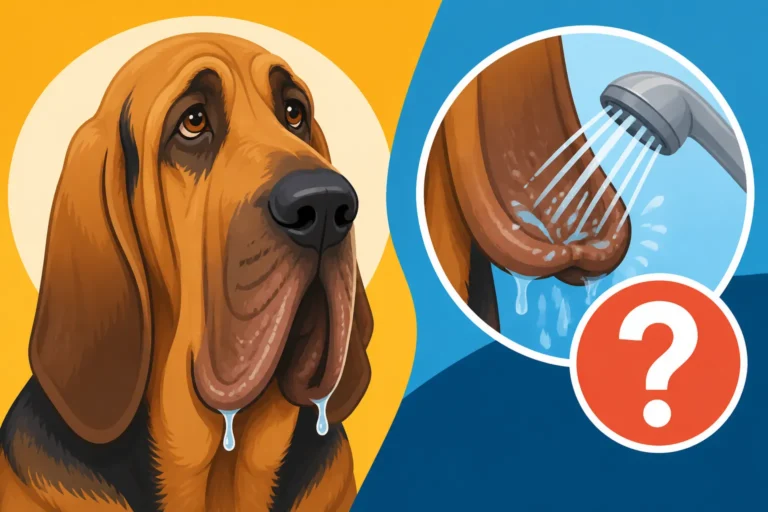
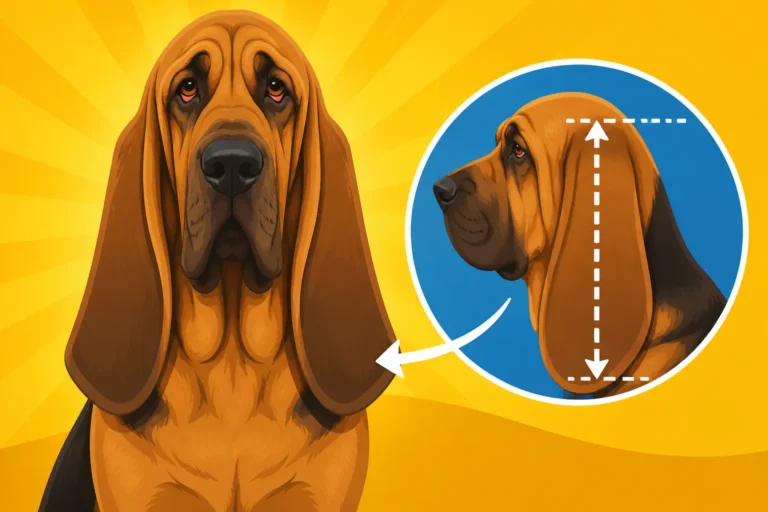
From their signature long, low-set ears to their impressive dewlaps and pronounced jowls, every aspect of a Bloodhound's head seems to contribute to their drooling prowess. Their loose skin, often referred to as "furnishings," collects and holds moisture. The deep wrinkles around their muzzle and under their chin create pockets where saliva can gather before gravity takes over. These aren't just aesthetic features; they're functional. Those long ears sweep scent towards their powerful noses, and the loose skin on their face helps trap scent particles, enhancing their incredible ability to follow a trail. But this very anatomy also means that excess saliva has nowhere to go but down, often in impressive, shimmering strands.
Think about it: when a Bloodhound's salivary glands produce more saliva—whether from hunger, excitement, or even just existing—those deep, floppy jowls act like a reservoir. Instead of being swallowed neatly like in breeds with tighter lips, the saliva accumulates. A quick shake of the head, a sudden turn, or a vigorous greeting can then send that accumulated drool flying. It's truly a marvel of canine engineering, designed for scent work, but with the delightful side effect of a constantly moist environment around their mouths. This perpetual dampness also plays a role in concerns like Whether a Bloodhound's Lip Fold Is the Worst One, where moisture can lead to skin irritation.
Drooling as a Natural Canine Function (and Why Bloodhounds Take it to Eleven)
All dogs drool. It's a natural part of their digestive process, preparing the mouth for food, and it's also a common response to anticipation, stress, or even certain smells. For most breeds, a little drool when a treat comes out or before dinner is perfectly normal. But Bloodhounds? They take it to another level entirely. Their unique anatomy amplifies this natural function significantly.
When a typical dog anticipates a meal, their salivary glands activate. For a Bloodhound, those glands seem to get an extra jolt. Their massive heads, combined with those cavernous jowls, mean there's simply more surface area and more "collection points" for saliva. It's like comparing a leaky faucet to a busted fire hydrant. What might be a small drip for a terrier becomes a veritable cascade for a Bloodhound. It's not necessarily a sign of a problem; it's just who they are. They are physically structured in a way that makes containing their saliva a near-impossible task. This is why managing the mess is a daily reality, and understanding Where a Bloodhound Puts Its Drool is essential for any owner.
Excitement and Anticipation: The Triggers for Bloodhound Slobber
The biggest culprit behind a Bloodhound's most spectacular drool displays is often excitement or anticipation. These emotional states kick their salivary glands into high gear, and given their anatomical predisposition, the results are often quite dramatic.
When Excitement Kicks the Salivary Glands into Overdrive
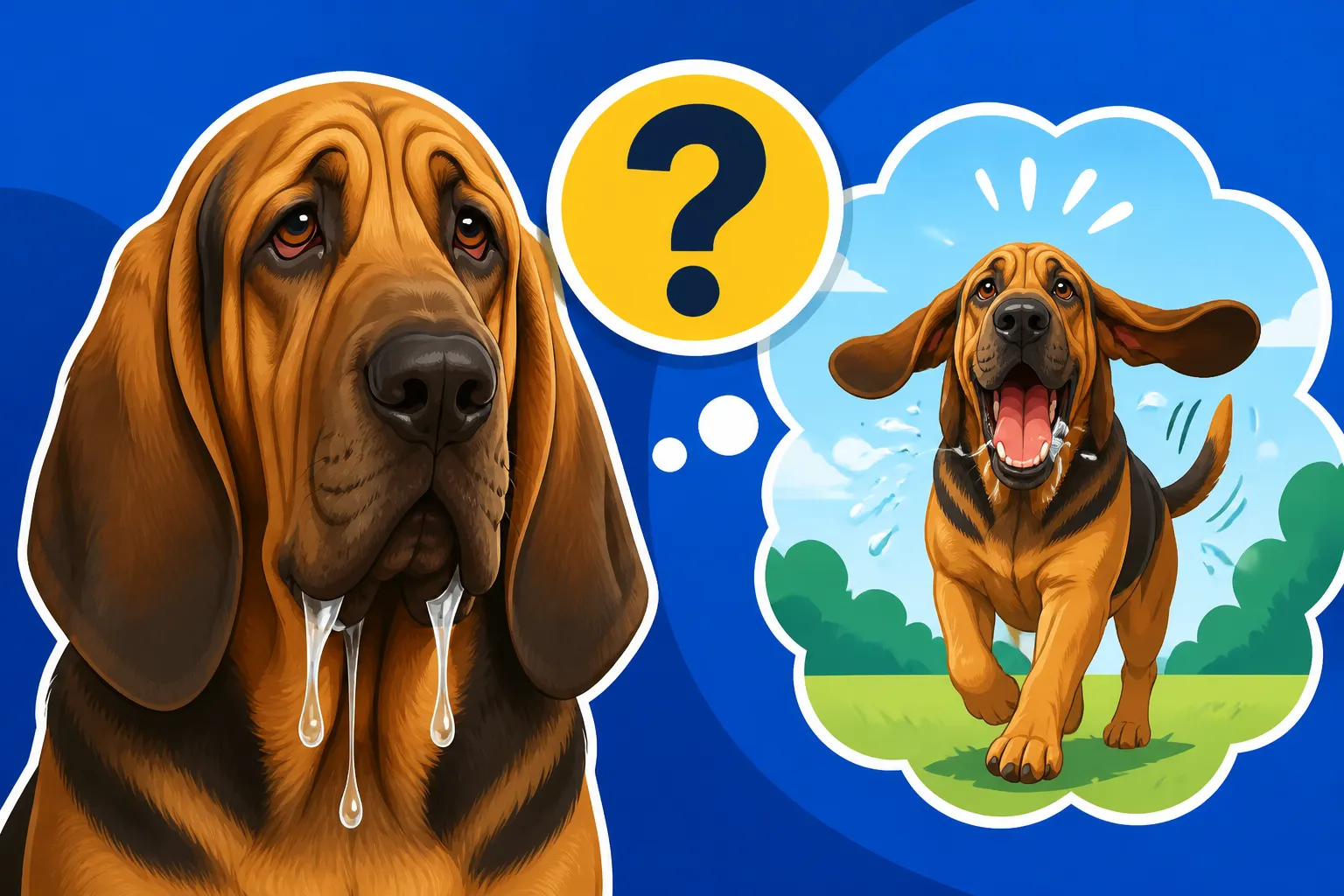
Imagine this scenario: you walk through the door after a long day, and your Bloodhound greets you with a joyous rumble and a wagging tail. Their whole body wiggles, their ears flop, and before you know it, a shimmering curtain of drool is swinging from their jowls. This is classic excitement-induced drooling. Their brains register your arrival as a high-value event, leading to an immediate surge in saliva production. It's a physiological response to joy, a testament to their affectionate nature.
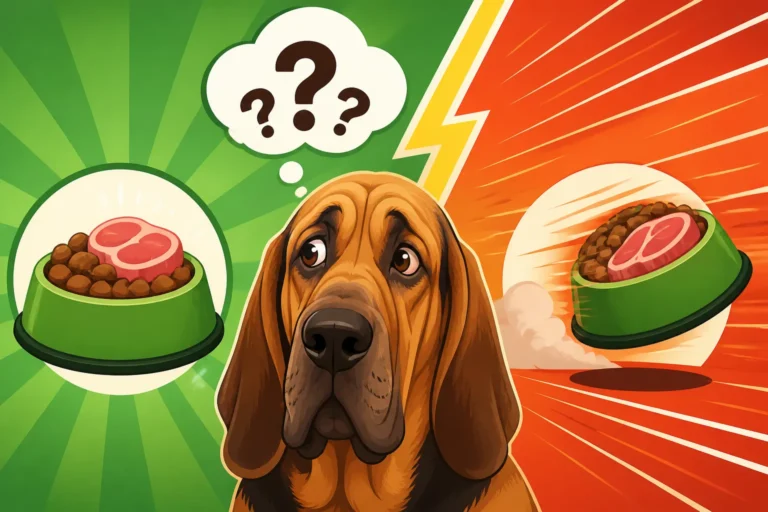
This isn't limited to greetings. Mealtime is another prime example. As you get out the food bag or start rattling their bowl, you'll likely notice the drool starting to flow. The anticipation of food triggers a strong response, as it does in all dogs, but again, the Bloodhound's physical structure ensures it's a visible, often messy, event. Similarly, getting ready for a walk, seeing their leash, or even hearing certain keywords like "outside" or "car ride" can initiate the drool cascade. It’s their way of saying, “YES! I am so ready for this!” and expressing that emotion physically. A special bowl, like those found on Chewy, might help with The Bloodhound Ear That Trails Through the Food Bowl, but the drool itself is harder to contain.
Managing the Mess: Preparing for the Anticipated Deluge
Since you can't really train a Bloodhound not to drool when excited – it's too tied to their physiology and emotional responses – the best approach is management. Accepting that drool is a part of Bloodhound ownership is the first step, and then arming yourself with the right tools and strategies.
One of the most popular solutions is a snood. A snood is a soft, tube-like covering that goes over your Bloodhound's head and ears, keeping those long, droopy ears out of their food bowl and away from their slobbery jowls. This prevents them from dragging their ears through their food and water, which in turn reduces the amount of slobber spread around. You can find a wide variety of snoods on platforms like Amazon, offering different materials and patterns. Keeping several clean snoods on hand, especially for meal times, can make a significant difference. You might be surprised at What a Snood Does for a Bloodhound in terms of cleanliness.
Beyond snoods, think about your home environment. Keep plenty of "drool rags" strategically placed around the house – by the front door, next to their food and water bowls, and near their favorite napping spots. Old towels, microfiber cloths, or even dedicated drool bibs (which you can also find on Chewy or Amazon) are invaluable. Wiping their jowls after they drink or when they've had a particularly excited moment can minimize the spread. Regularly cleaning their face, especially their Whether a Bloodhound's Jowls Should Be Wiped After Drinking, is crucial for hygiene and preventing skin irritation. Investing in washable furniture covers or throws can also be a lifesaver, allowing you to easily toss them in the laundry when they inevitably become slobber-splashed.
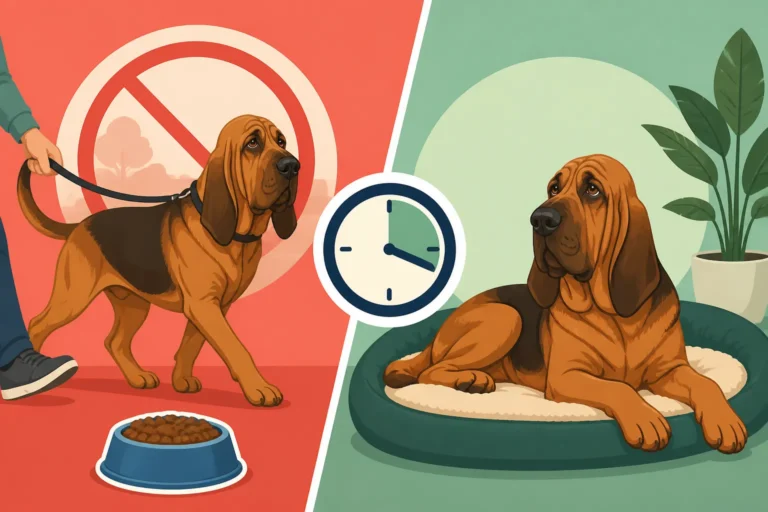
For feeding, consider bowls that minimize ear and jowl contact. Some elevated feeders or narrow, deep bowls can help keep their long ears out of the food and water. Also, remember the importance of Feeding a Bloodhound So It Does Not Bloat, which often means multiple, smaller meals and a calm eating environment – a factor that can also reduce frantic, drool-inducing excitement around food.
| Drool Management Strategy | Benefit | Tools/Tips |
|---|---|---|
| Snoods | Keeps ears clean, reduces drool spread. | Purchase multiple sizes/materials, especially from Amazon or Chewy. |
| Drool Rags/Bibs | Immediate clean-up, protects furniture/clothing. | Keep strategically placed, absorbent materials are best. |
| Appropriate Bowls | Minimizes ear/jowl contact with food/water. | Elevated, narrow, or specially designed bowls. |
| Regular Face Wipes | Prevents skin irritation and odor. | Soft cloths, pet-safe wipes, especially after meals and exuberant greetings. |
| Washable Surfaces | Easy cleanup of drool marks. | Furniture covers, throws, pet beds with removable covers. |
Beyond Excitement: Other Reasons Your Bloodhound Might Be Drooling
While excitement is a common cause for a Bloodhound to drool like a leaky faucet, it's important to recognize that excessive drooling can also be a symptom of other issues, some of which require veterinary attention. Knowing the difference can save you a lot of worry – and potentially your dog's life.
Health Concerns That Can Mimic Excitement-Induced Drooling
Sometimes, what looks like excited drooling could actually be a sign of discomfort or a health problem. It's crucial for any Bloodhound owner to be aware of these distinctions:
- Dental Issues: Pain in the mouth, gum disease, a broken tooth, or an abscess can all cause excessive drooling. If your Bloodhound is drooling more than usual, especially if accompanied by reluctance to eat, bad breath, or pawing at their mouth, a vet check-up is in order.
- Nausea or Upset Stomach: Just like humans, dogs can drool when they feel nauseous. If your Bloodhound is drooling heavily and also seems lethargic, is vomiting, or has diarrhea, it could indicate an upset stomach or something more serious.
- Foreign Objects: A piece of a stick, a bone splinter, or even a toy lodged in their mouth, between their teeth, or in their throat can cause profuse drooling as the dog tries to dislodge it. They might paw at their face or seem distressed.
- Poisons or Irritants: If your Bloodhound has licked or ingested something irritating or toxic, excessive drooling is often one of the first symptoms. This is an emergency, so seek immediate veterinary care.
- Bloat (Gastric Dilatation and Volvulus – GDV): This is a life-threatening emergency, particularly for deep-chested breeds like Bloodhounds. While drooling can be a symptom, it's usually accompanied by other more severe signs like unproductive retching, a distended abdomen, restlessness, and pain. If you suspect bloat, time is of the essence. Learn about How a Bloodhound's Abdomen Looks When It Bloats and seek emergency care immediately. Recognizing The Prayer Position a Bloating Bloodhound Takes is also critical. Excessive drooling combined with these signs is a red flag, not just an excited response.
Always trust your gut. If your Bloodhound's drooling seems unusual, is sudden, or is accompanied by other concerning symptoms, don't hesitate to contact your veterinarian. It’s always better to be safe than sorry when it comes to their health.
Environmental Factors and Stress-Induced Drooling
Beyond excitement and medical issues, environmental factors and stress can also contribute to a Bloodhound's drooling. These aren't necessarily signs of joy, but rather discomfort or anxiety.
- Heat Stroke/Overheating: Bloodhounds, with their dark coats and sometimes heavy builds, can be prone to overheating, especially in warm weather or during strenuous exercise. Excessive drooling, often thick and ropey, can be a symptom of heat stress, along with heavy panting, lethargy, and a bright red tongue. Always ensure your Bloodhound has access to shade and fresh water, and avoid over-exercising them in the heat.
- Motion Sickness: Some Bloodhounds get car sick, and drooling is a very common indicator of nausea during travel. If your hound starts drooling excessively in the car, along with yawning or lip-licking, they might be feeling queasy. There are anti-nausea medications and techniques that can help, so talk to your vet if this is a consistent problem.
- Anxiety and Stress: While excitement is a positive form of arousal, other forms of stress or anxiety can also trigger drooling. A visit to the vet, a loud thunderstorm, separation anxiety, or unfamiliar environments can make some Bloodhounds drool as a manifestation of their discomfort. Observe your dog's body language; are their ears back, are they pacing, panting, or seeking reassurance? If so, the drool is likely stress-related, not happiness. Understanding their temperament and providing a calm environment can help. For instance, addressing issues like anxiety-related bloat risk (Whether an Anxious Bloodhound Bloats More) can also contribute to overall well-being.
In summary, while your Bloodhound's enthusiastic drooling is often a charming, albeit messy, part of their personality, it’s also a good idea to keep an eye on when and how they are drooling. A little extra slobber for their favorite Ollie treats or a walk is typical, but a sudden, dramatic increase in drool, or drool accompanied by other symptoms, always warrants a closer look.
Disclaimer
This article is for general informational purposes only and does not constitute professional advice. Laws, prices and regulations vary by location and change over time. Consult a qualified professional for guidance on your specific situation.