How Long a Bloodhound’s Ears Actually Are
If you've ever spent more than five minutes with a Bloodhound, you know those ears aren't just for show – they're practically a lifestyle statement. Many new owners, and even seasoned ones, find themselves wondering exactly how long these magnificent appendages truly are and what that incredible length means for daily life. This guide is dedicated to exploring the impressive dimensions of a Bloodhound's ears, delving into their purpose, the challenges they bring, and how best to care for them.
The Astonishing Reach of a Bloodhound's Ears
The first thing almost anyone notices about a Bloodhound, after that perpetually worried expression, is undoubtedly those long, pendulous ears. They’re not just aesthetically pleasing; they are an integral part of what makes a Bloodhound, well, a Bloodhound. But how long are they really? It’s a question that often sparks debate among owners, mostly because measuring something so floppy and dynamic isn't always straightforward.
Defining "Long": What the Breed Standard Says About Ear Length
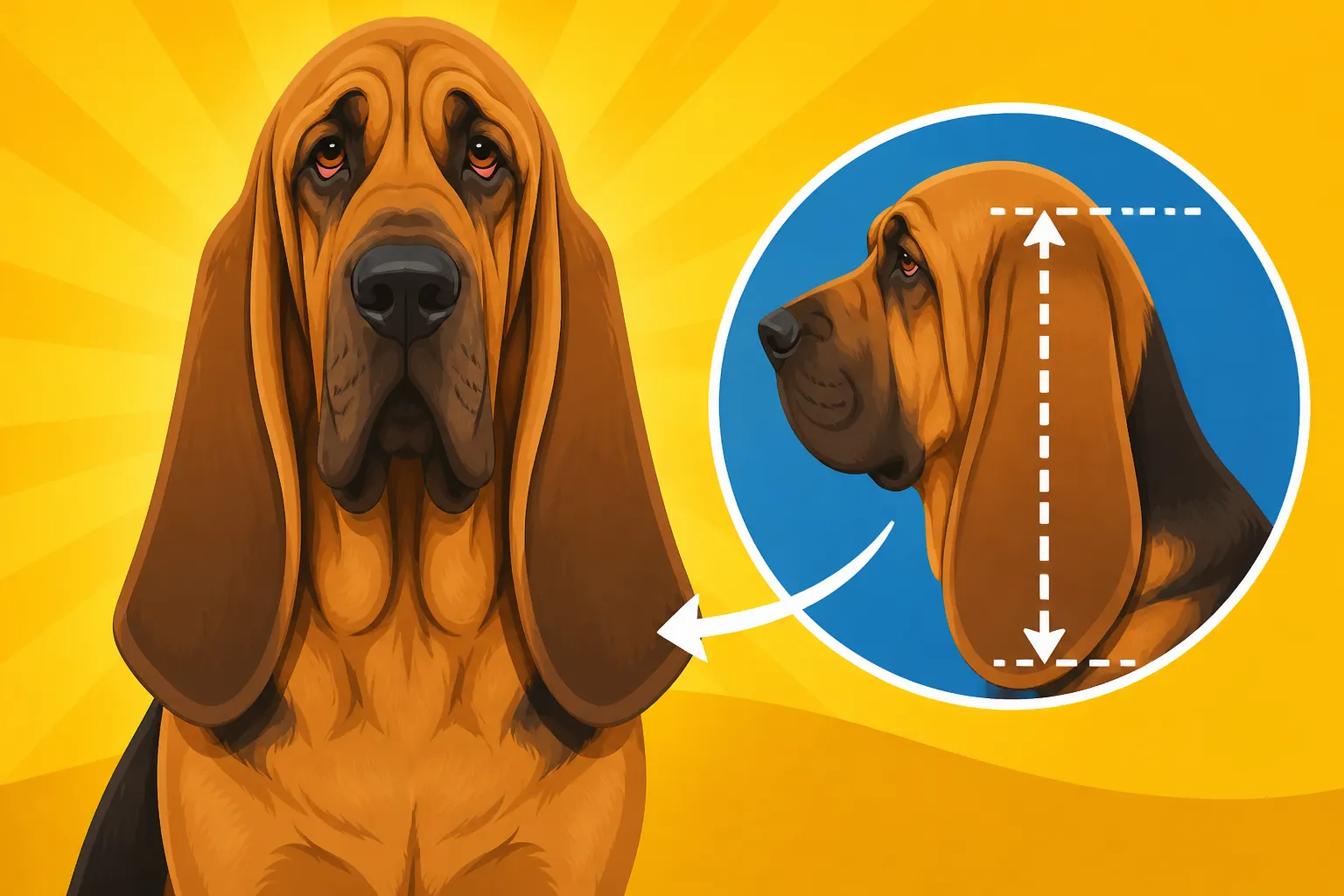
When we talk about a Bloodhound's ears, we're not just discussing an arbitrary measurement; we're talking about a defining characteristic of the breed, codified in its standard. The official breed standard is very specific, describing them as "set extremely low, considerably below the eye line," and "long, reaching at least to the end of the nose." It also mentions they should "fall in graceful folds" and be "thin and soft to the touch." This isn't just about measurement; it's about the entire presentation – the drape, the texture, and the way they frame that deeply furrowed face.
So, when a judge evaluates a Bloodhound in the ring, they're looking for ears that extend at least to the tip of the nose when drawn forward. Many exceptional Bloodhounds, particularly males, will have ears that reach an inch or even more beyond their nose. This incredible length isn't just for show; it's a testament to centuries of selective breeding focused on enhancing their scenting abilities. The length contributes to the overall "houndy" appearance, but more importantly, it serves a critical function in the field.
The Physics of the Pendulum: Measuring Actual Ear Length
Measuring a Bloodhound's ear length accurately can be a fun, if slightly wiggly, challenge. If you were to take a soft tape measure and carefully stretch an ear from its base where it attaches to the skull, down to its very tip, you'd likely find measurements ranging anywhere from 10 to 14 inches (25 to 35 cm) or even more on an adult Bloodhound. This isn't just the visible portion; it's the entire sweep of that glorious, velvety leather. For comparison, consider how long an average human hand is – often around 7-8 inches. A Bloodhound's ear can be significantly longer than that!
The true length is best appreciated when the dog is moving, and those ears are swinging. They act almost like pendulums, swaying with each step and adding to the breed's distinctive gait. This length, combined with the low set and soft texture, means they naturally fold and gather scent. It's not uncommon to see a Bloodhound's ears trailing along the ground, picking up every molecule of scent as they move. It’s this dynamic interaction with the environment that truly showcases their astonishing length and function.
Why Evolution Favored Such Lengthy Lugs
It’s easy to look at a Bloodhound’s ears and think, "That looks like a lot of trouble!" But evolution isn't arbitrary, especially not when it comes to a breed as purpose-bred as the Bloodhound. Their ears are a masterclass in biological engineering, honed over centuries to perfect their unparalleled scenting ability.
Scent-Sweeping Superpower: How Length Aids Their Nose
The primary reason for those incredibly long, low-set ears is directly related to the Bloodhound's nose – the most powerful in the canine world. When a Bloodhound drops its head to track, those long, heavy ears swing forward and inward. This creates a fascinating effect: they literally sweep scents from the ground towards their nose, concentrating the odor molecules and making them easier to detect. It's like having two built-in scent vacuums guiding every sniff. The folds and wrinkles on their face and neck also contribute to this, trapping scent and creating a mini-microclimate around their muzzle, intensifying the smell.
Think about it: as they trail, their ears disturb the air just enough to lift scent particles, guiding them directly into those sensitive nostrils. This isn't just a theory; it's a practical adaptation observed by anyone who has watched a Bloodhound work. The sheer surface area of those ears, combined with their velvety texture, means they're incredibly efficient at collecting and funneling scent. It’s truly a marvel of natural selection, turning what might seem like an unwieldy feature into a highly specialized tool for their work.
The Weight of Wisdom: What a Bloodhound's Ear Leather Weighs When Wet
While we don't often weigh a Bloodhound's individual ear, consider the density and mass of that ear leather. When dry, they feel soft and almost weightless, but when they inevitably get wet—whether from a puddle, a dewy field, or simply dipping into the water bowl—they become surprisingly heavy. The sheer volume of skin and cartilage, especially after absorbing moisture, significantly increases their mass. This added weight makes them even more effective at their scent-sweeping job, creating a stronger drag and better funneling action.
However, this increased weight when wet also presents challenges for the dog and owner. What a Bloodhound's Ear Leather Weighs When Wet isn't just an interesting fact; it directly impacts their comfort and susceptibility to infection. Imagine carrying around two damp, heavy cloths constantly attached to your head. It’s no wonder that proper drying is critical. This weight and dampness, combined with the ear's inherent ability to block airflow, creates a perfect storm for potential ear issues. This is why paying attention to how they handle water and ensuring they dry properly is so crucial for preventing discomfort and health problems.
| Ear Characteristic | Standard Length (Adult) | Practical Implications |
|---|---|---|
| Length | 10-14+ inches (25-35+ cm) | Excellent scent-sweeping; prone to injury/dirt |
| Set | Extremely low, below eye line | Enhances scent collection; higher risk of dragging |
| Texture | Thin and soft, velvety | Gentle on scent; susceptible to tears/irritation |
| Folds | Graceful folds | Traps scent; reduces airflow, creates warm/damp environment |
| Weight | Significant, heavier when wet | Aids sweeping; increases discomfort/infection risk when damp |
The Practical Realities of Life with Long Ears
While undeniably charming and functional, those impressive ears come with a unique set of challenges. Living with a Bloodhound means acknowledging that their ears will, at times, seem to have a life of their own, getting into places you never thought possible.
More Than Just a Trip Hazard: Common Ear-Related Mishaps
Anyone who owns a Bloodhound can tell you stories about those ears. They're not just long; they're magnets for everything on the ground. Think about it: a Bloodhound with its head down, following a scent, is dragging those velvety ears through dirt, mud, puddles, food bowls, and anything else in its path. This means debris, burrs, grass seeds, and even tiny insects can easily get caught in the folds and deep ear canal. Whether a Bloodhound Steps on Its Own Ears is a very real concern, as they can inadvertently trip over them, or even cause slight tears to the delicate skin.
Beyond the dirt, their ears are also prone to accidental injury. A quick shake of the head can send those heavy ears flapping, sometimes hitting nearby furniture or even another dog. This can lead to hematomas, where blood vessels burst under the skin due to trauma, resulting in a swollen, painful ear flap that often requires veterinary intervention. It’s a constant dance of trying to protect these sensitive organs from the very environment they're designed to explore.
The Perpetual Challenge of Keeping Them Clean and Dry
Given their length and how low they hang, keeping a Bloodhound's ears truly clean and dry feels like a never-ending battle. Why a Bloodhound's Ear Canal Stays Damp is a direct consequence of their anatomy. The long, heavy ear leather effectively seals off the ear canal, creating a warm, moist, and poorly ventilated environment. This humid climate is absolutely ideal for the proliferation of yeast and bacteria, leading to frequent and frustrating ear infections. You can clean them religiously, but if they don't dry properly, you're fighting an uphill battle.
Every time they drink water, eat a meal, or simply venture outside on a humid day, those ears are exposed to moisture. The constant dampness irritates the skin lining the ear canal, making it even more susceptible to infection. It's a key reason why many Bloodhound owners feel like they're constantly on alert for signs of trouble, from a subtle head shake to a distinct odor. The sheer amount of effort required to manage this constant risk is one of the less glamorous, but undeniably essential, aspects of Bloodhound ownership.
Managing Those Magnificent, Marvellous Ears
Accepting the challenges of a Bloodhound's ears is the first step; actively managing them is the next. While you can't change their incredible length, you can certainly implement strategies to keep them healthy and minimize the headaches. This often means a proactive approach that becomes a natural part of your daily routine.
Daily Care: A Routine Born of Necessity
For a Bloodhound, ear care isn't an occasional chore; it's a non-negotiable part of their weekly, if not daily, routine. Cleaning a Bloodhound's Ears Every Week for Life is practically a mantra for owners. You need a good quality, vet-approved ear cleaner. Gently lift the ear flap, apply the cleaner liberally into the ear canal, massage the base of the ear to help break up debris, and then wipe out the excess with cotton balls or gauze. Never use cotton swabs, as they can push debris further down or damage the delicate structures. It's also vital to ensure the ear canal is thoroughly dried afterward, especially after baths or swimming, to prevent that moist environment from taking hold.
Beyond cleaning, a quick daily visual inspection is always a good idea. Look for redness, swelling, unusual discharge, or any unpleasant odor. Pay attention to how your Bloodhound is behaving – excessive head shaking, scratching at the ears, or holding their head tilted are all red flags that warrant a closer look and potentially a vet visit. Early detection is key to managing ear infections before they become chronic and more difficult to treat.
Tools of the Trade: Gear for Long-Eared Living
Thankfully, the Bloodhound community has developed some ingenious tools to help manage those magnificent ears. The most popular is undoubtedly the snood. A snood is a soft, tube-like fabric hood that slips over your Bloodhound's head, holding those long ears neatly out of the way, especially during meal times or when they're drinking. You can find a wide variety of snoods on online retailers like Chewy or Amazon, in different materials and patterns. Using a snood consistently can dramatically reduce the amount of food, water, and outdoor debris that ends up coating their ears. What a Snood Does for a Bloodhound is invaluable for cleanliness and preventing repeated dampness.
Another helpful tool is a specially designed food and water bowl. Look for narrow, deep bowls that are designed to keep those long ears out of the contents. Some owners even use raised feeders to help with digestion and posture, which can also indirectly keep ears cleaner. While not directly about ear length, some dog food brands like Ollie focus on fresh, nutritious ingredients, which can contribute to overall skin and ear health, making them less susceptible to issues. Investing in these simple pieces of gear can make a world of difference in your daily routine and your Bloodhound's ear health and comfort.
Disclaimer
This article is for general informational purposes only and does not constitute professional advice. Laws, prices and regulations vary by location and change over time. Consult a qualified professional for guidance on your specific situation.