Why a Bloodhound’s Ear Canal Stays Damp
If you're a Bloodhound owner, you've likely spent countless hours cleaning, sniffing, and worrying about those magnificent, long ears. It’s a common frustration: no matter what you do, it feels like your Bloodhound’s ear canals are perpetually damp, leading to that tell-tale, sometimes unpleasant, "hound ear" smell that hints at trouble brewing. This guide is here to dive deep into exactly why your Bloodhound's ears seem to cling to moisture, setting the stage for recurring issues, and what you can do about it.
The Unique Anatomy of a Bloodhound's Ear
To truly understand why Bloodhound ears stay damp, we have to start with their incredible, yet inherently problematic, design. These aren't just any dog ears; they are specialized tools of the trade for scent work, and unfortunately, that specialization comes with a built-in predisposition for moisture retention.
The Pendulous Pinna and Its Impact
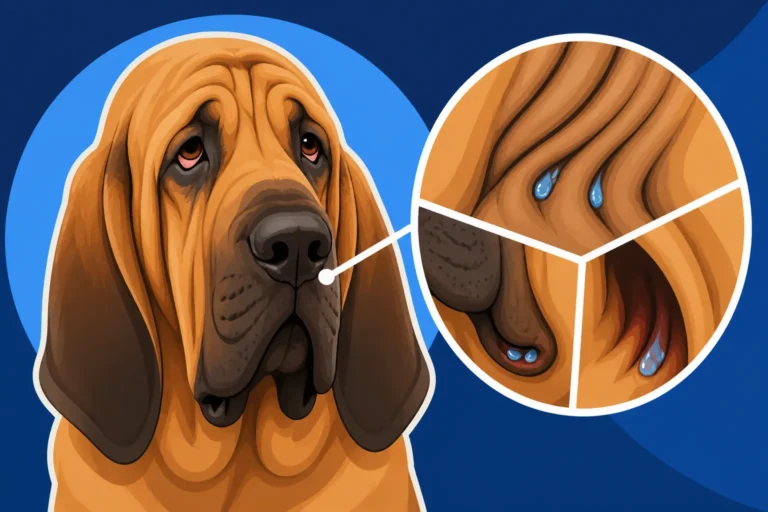
The most striking feature of a Bloodhound's ear is its pinna – the outer, visible flap. These aren't your average floppy ears; they are exceptionally long, heavy, and pendulous, hanging well below the jawline and often dragging on the ground when your dog is engrossed in a scent. These substantial ear leathers, as they're often called, are fantastic for sweeping scent toward your dog's nose, but they also act like heavy curtains, effectively sealing off the ear canal from the outside world.
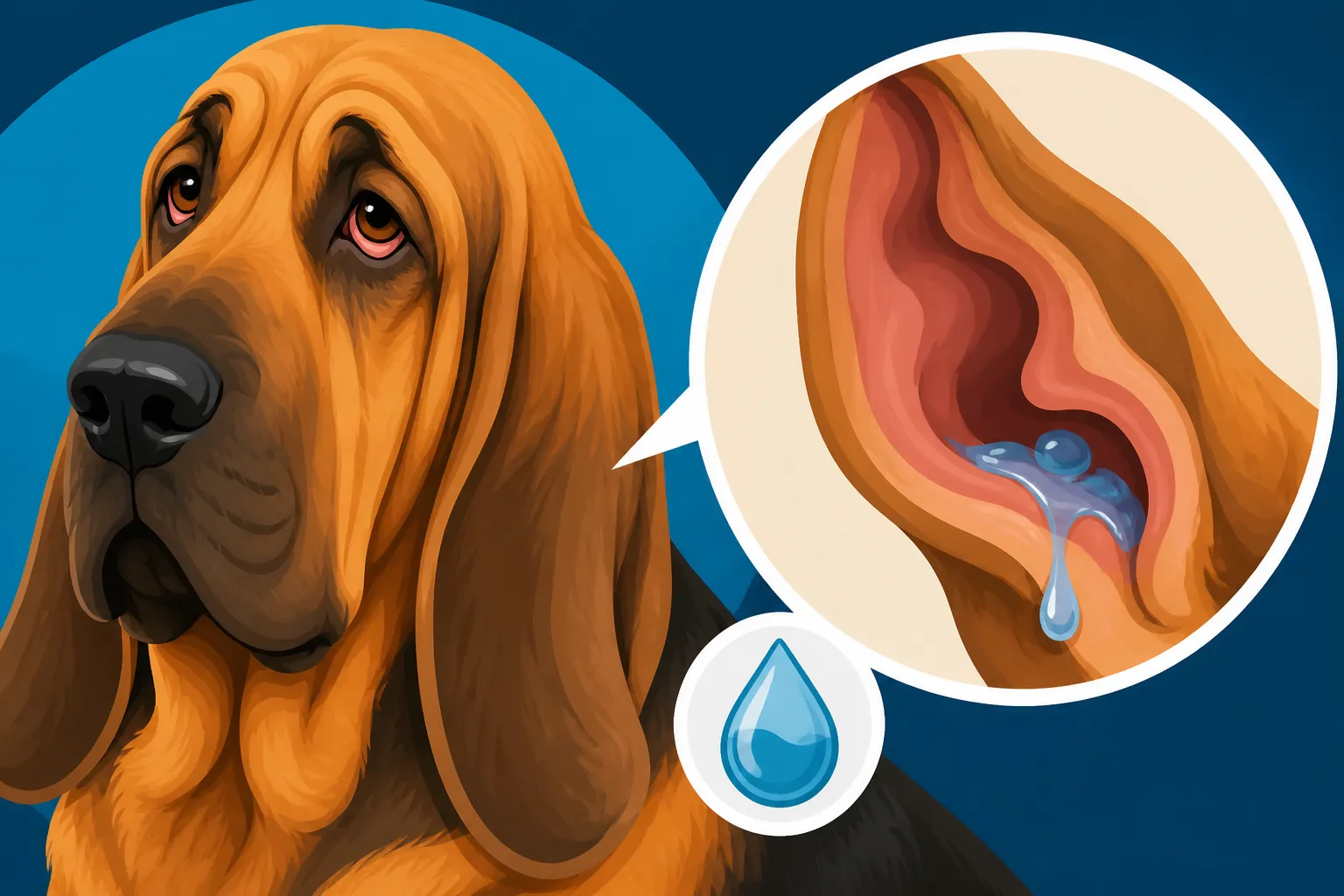
Imagine trying to dry a bathroom that always has the door and windows shut, especially after a shower. That's essentially what's happening inside your Bloodhound's ear. The thick, heavy ear flap blocks natural airflow, drastically reducing ventilation to the ear canal. Air circulation is crucial for drying, and without it, any moisture that enters or is naturally produced tends to linger. This lack of air movement creates a warm, humid microclimate deep within the ear canal – an environment that's a dream for microscopic organisms but a nightmare for your hound's ear health. This constant humidity is the primary reason why a Bloodhound's ear canal stays damp.
The Deep and Twisty Ear Canal
Beyond the external ear flap, the internal structure of a Bloodhound's ear canal presents another significant challenge. Unlike the relatively straight ear canal of humans or many upright-eared dog breeds, a Bloodhound's ear canal is notoriously deep and takes an "L-shaped" or even "J-shaped" turn. It plunges vertically into the head before making a sharp bend to continue horizontally towards the eardrum.
This complex, winding architecture is another major contributor to persistent dampness. Think of it like a plumbing system with too many bends and dips; water doesn't just flow out easily, it collects. For your Bloodhound, this means that once water or ear cleaning solutions enter the canal, gravity struggles to pull them back out. Debris, wax, and moisture can become trapped in the horizontal portion, far from easy access and even further from natural evaporation. This deep, convoluted pathway makes proper drying incredibly difficult, even with diligent cleaning, and sets the stage for a host of ear problems. If you're ever wondered How Deep a Bloodhound's Ear Canal Runs, it's this intricate structure that makes it so challenging to keep clean and dry.
Factors Contributing to Persistent Dampness
Beyond the innate anatomical challenges, several everyday factors actively contribute to and worsen the dampness within your Bloodhound's ear canals. It’s a combination of natural processes and environmental exposures that can turn a predisposed ear into a full-blown issue.
Moisture Trapped from Bathing and Swimming
Water is, unsurprisingly, one of the biggest culprits when it comes to damp ears. Bloodhounds, with their long, heavy ear flaps, are particularly susceptible to trapping moisture after baths or any water activities. When you bathe your Bloodhound, water easily runs down the outside of the ear flap and then finds its way into the ear canal, where the pendulous pinna acts like a perfect seal, preventing the water from escaping.
It’s not just baths, either. Many Bloodhounds love to swim, whether in a lake, a backyard pool, or even a muddy pond during a scent trail. Each time they dip their head, water infiltrates those deep, dark canals. Even a walk through tall, dewy grass on a crisp morning can introduce enough moisture to become problematic. Unlike dogs with prick ears that allow for quick evaporation, the Bloodhound's ears hold onto this water like a sponge. This trapped moisture significantly contributes to the chronic dampness and provides an ideal, humid breeding ground for bacteria and yeast, transforming a simple splash into a potential infection waiting to happen.
Natural Secretions and Wax Build-up
Every dog's ears produce cerumen, or ear wax, which is a natural mixture of oils, dead skin cells, and other debris designed to protect the ear canal. In most breeds, this wax naturally migrates out of the ear canal, carrying debris with it. However, the Bloodhound's unique ear anatomy – specifically, the lack of airflow and the deep, L-shaped canal – severely impedes this natural self-cleaning mechanism.
Instead of drying out and moving to the exterior, the cerumen tends to accumulate deep within the moist, warm environment of the canal. This isn't just cosmetic; the accumulated wax itself can trap additional moisture, exacerbating the dampness. Furthermore, ear wax is a rich source of nutrients for bacteria and yeast. The more it builds up, the more food supply these opportunistic microorganisms have, thriving in the damp, dark conditions. This creates a vicious cycle where dampness encourages wax buildup, and wax buildup, in turn, traps more dampness, making the problem progressively worse. This is precisely Why a Bloodhound's Ear Leather Blocks Airflow and contributes to this buildup.
The Role of Environment and Lifestyle
It's not just genetics and bathing habits that contribute to damp Bloodhound ears; their environment and the activities they engage in also play a significant role. These external factors can turn a predisposition into a persistent problem.
Humidity and Warm Climates
Just as a humid bathroom never seems to fully dry out, a Bloodhound living in a naturally humid or warm climate faces an uphill battle with ear dampness. Regions with high ambient humidity, like the southeastern United States or coastal areas, mean that the air itself contains a lot of moisture. When this already damp air is trapped inside a Bloodhound's deep, poorly ventilated ear canal, it struggles even more to evaporate.
The warmth combined with high humidity creates an almost tropical microclimate within the ear, perfect for the proliferation of various microorganisms. During hotter months, this problem becomes even more pronounced. Owners in places like Florida or the Gulf Coast often report more frequent ear issues compared to those in drier climates. It's a constant fight against nature, requiring even more diligent care to combat the effects of the environment. This environmental factor is a key reason How Often a Bloodhound Gets an Ear Infection can vary so widely.
Activity Levels and Exposure to Elements
Bloodhounds are working dogs, renowned for their incredible scenting abilities, which means they spend a lot of time with their noses to the ground. This lifestyle, while fulfilling for the dog, directly exposes their long, pendulous ears to a variety of elements that can introduce and trap moisture. When a Bloodhound is diligently trailing through tall grass, dense brush, or muddy fields, their ears are constantly sweeping the ground, picking up not just scent, but also dirt, pollen, seeds, and most importantly, environmental moisture.
Imagine your Bloodhound, Copper, enthusiastically following a trail through a field drenched in morning dew. His ears, acting like nature's mops, soak up every drop of that moisture. This isn't just water; it's water mixed with plant matter, soil, and microscopic organisms from the environment. Once inside the ear canal, these foreign materials become trapped alongside the moisture, providing additional nutrients and shelter for bacteria and yeast. Even rain during a walk or a dip in a stream can contribute. While this exposure is part of what makes a Bloodhound a Bloodhound, it undeniably amplifies the challenge of keeping their ears dry and healthy.
The Vicious Cycle: Dampness, Microbes, and Infection
The constant dampness in a Bloodhound's ear canal isn't just an annoyance; it’s a direct invitation for trouble. This moisture creates the perfect conditions for opportunistic microorganisms to thrive, leading to a frustrating cycle of inflammation and infection that can be difficult to break.
Bacterial and Yeast Overgrowth
The internal environment of a Bloodhound's ear canal – warm, dark, and persistently damp – is precisely what many types of bacteria and yeast need to flourish. When the natural balance of microorganisms is disturbed by this excess moisture, these common inhabitants can rapidly overgrow, leading to infection. One of the most common culprits is Malassezia pachydermatis, a type of yeast that naturally lives on canine skin but becomes problematic when conditions allow it to multiply uncontrollably. You'll often recognize a yeast infection by a distinctive sweet or "corn chip" smell, along with greasy, reddish-brown discharge.
Bacteria, such as Staphylococcus and Pseudomonas, are also frequent invaders. Staphylococcus often causes a pus-like discharge, while Pseudomonas can lead to particularly nasty, painful infections with a greenish-yellow discharge and a foul odor. The dampness provides the hydration they need, while accumulated ear wax offers a ready food source. This overgrowth leads to irritation, itching, and pain for your Bloodhound, often prompting them to scratch or shake their head, which can further damage the delicate ear canal lining and worsen the problem. When you notice these Signs a Bloodhound's Ear Is Infected, it's crucial to act quickly.
Inflammation and Further Moisture Retention
An active ear infection, whether bacterial or yeast-based, invariably leads to inflammation. The body's immune response to these invading microorganisms causes the tissues lining the ear canal to become red, swollen, and often very painful. This inflammation, in turn, creates a more constricted ear canal, further reducing air circulation and making it even harder for any moisture to evaporate.
Moreover, inflamed tissues tend to produce more discharge, which only adds to the moisture problem. This discharge, along with increased wax production as the body tries to protect itself, creates a heavier, gunkier environment that traps even more dampness. It becomes a self-perpetuating, vicious cycle: dampness fosters microbial growth, microbial growth causes inflammation, and inflammation then exacerbates dampness and discomfort. Left untreated, this cycle can lead to chronic ear infections, significant pain for your dog, and even permanent changes to the ear canal, sometimes necessitating complex surgical interventions. This is a primary reason When a Bloodhound's Ear Infection Becomes Permanent if not managed effectively.
Proactive Care and Management Strategies
Given the Bloodhound's inherent susceptibility to damp ear canals and subsequent infections, proactive and consistent care is not just advisable, it's absolutely essential. It’s about creating a routine that systematically addresses the unique challenges of their ear anatomy.
Regular Cleaning and Drying Protocols
Establishing a rigorous routine for ear cleaning is paramount for any Bloodhound owner. These aren't ears you can ignore for weeks on end. Ideally, a Bloodhound's ears should be checked daily and cleaned at least once a week, and often more frequently if your dog is prone to infections or has been particularly active outdoors. For a deep dive, check out How Often a Bloodhound's Ears Need Cleaning.
When cleaning, choose a veterinarian-approved ear cleaning solution designed for dogs. Avoid harsh chemicals, alcohol-based solutions, or anything that might irritate sensitive skin. Gently lift the ear flap and squeeze a generous amount of cleaner into the ear canal until it's full. Then, gently massage the base of the ear for 20-30 seconds. You'll hear a squishing sound as the solution breaks up wax and debris. Allow your Bloodhound to shake their head (brace yourself for the spray!). After they've shaken, use soft cotton balls or gauze to wipe away all visible dirt, wax, and moisture from the accessible parts of the ear. Never use cotton swabs deep inside the canal, as this can push debris further in or damage the eardrum.
The drying protocol is just as critical as the cleaning. After every bath, swim, or deep ear cleaning, thoroughly dry the accessible parts of the ear with a soft towel. For added protection, consider using a veterinarian-recommended ear drying solution. These often contain mild drying agents that help evaporate residual moisture and create an unfavorable environment for microbial growth. This step is particularly important for dogs like Bloodhounds, where natural airflow is so restricted. Consistent and proper cleaning, followed by thorough drying, is your first line of defense against the dampness that leads to ear infections.
Preventive Measures and Monitoring
Beyond the regular cleaning routine, several preventive measures can significantly reduce the risk of your Bloodhound's ears staying damp and developing problems. One simple yet effective tool is a snood. A snood is a fabric tube that slips over your dog's head, holding those long ears out of the way during meal times or when they're drinking water. This prevents the ear tips from dipping into food and water bowls, a common source of persistent dampness and food debris entering the ear canal. You'd be surprised how much mess and moisture this simple accessory can prevent.
Another key measure is to be vigilant about monitoring your Bloodhound's ears. Make it a habit to lift those magnificent flaps daily and take a quick peek. Look for any signs of redness, swelling, or unusual discharge. Give them a gentle sniff – a healthy ear should have minimal to no odor. Any foul, sweet, or yeasty smell is a red flag. Watch your dog's behavior too; excessive head shaking, scratching at the ears, rubbing their head against furniture, or showing sensitivity when their ears are touched are all indicators that something isn't right. Early detection of a problem allows for prompt intervention, preventing a mild dampness or irritation from escalating into a full-blown, painful infection. Remember, prevention is always easier and less costly than treating an established infection. Having pet insurance, like a policy from Healthy Paws, can provide peace of mind, knowing that if a minor issue does escalate despite your best efforts, you'll have support for the veterinary costs.
When Professional Help Is Needed
Even with the most meticulous home care, Bloodhounds can still succumb to ear problems due to their unique anatomy. Recognizing when a situation has moved beyond routine maintenance and requires professional veterinary attention is crucial for your dog's health and comfort.
Recognizing Signs of Infection
It's easy to dismiss a bit of ear gunk or a slight smell as "just a Bloodhound thing," but knowing the genuine Signs a Bloodhound's Ear Is Infected is vital. If you notice any of these symptoms, it's time to call your vet:
- Strong, Unpleasant Odor: A healthy ear should smell neutral or faintly waxy. A strong, sweet, yeasty, or foul odor is a primary indicator of an overgrowth of bacteria or yeast.
- Abnormal Discharge: Look for anything beyond minimal, pale cerumen. This includes dark brown, reddish-brown, yellow, or green discharge, especially if it's greasy, pus-like, or flaky.
- Redness and Swelling: Gently lift the ear flap and look inside the visible part of the ear canal. If it appears red, inflamed, or swollen, this indicates irritation or infection.
- Pain or Sensitivity: If your Bloodhound yelps, flinches, or pulls away when you touch their ears, they are experiencing pain.
- Excessive Head Shaking or Scratching: While some head shaking is normal, persistent or vigorous head shaking, pawing at the ears, or rubbing their head along the floor or furniture are clear signs of discomfort and itchiness.
- Crusts or Scabs: These can form around the ear opening due to scratching or persistent discharge.
- Changes in Ear Position: Sometimes, a dog with a painful ear will hold their head tilted or one ear lower than the other.
Never ignore these signs, hoping they'll go away. Bloodhound ear infections can escalate rapidly and become extremely painful and difficult to treat if left unchecked.
Veterinary Diagnosis and Treatment
Once you've spotted the signs of a potential ear infection, a trip to the veterinarian is the next essential step. Your vet won't just guess; they'll perform a thorough examination to accurately diagnose the problem. This typically involves:
- Otoscopic Examination: Using an otoscope, the vet will carefully look deep into the ear canal to assess the severity of inflammation, presence of foreign bodies, and condition of the eardrum.
- Cytology: This is a crucial diagnostic step. A sterile cotton swab is used to collect a sample of the discharge from the ear canal. This sample is then spread on a slide, stained, and examined under a microscope. This allows the vet to identify the type of microorganisms present – whether it's yeast, bacteria (and often the specific shape of bacteria), or mites – and the presence of inflammatory cells. This guides the choice of medication.
- Culture and Sensitivity (if needed): For chronic or severe infections, especially if initial treatments aren't working, your vet might send a sample to a lab for culture. This identifies the exact species of bacteria and determines which antibiotics will be most effective against it, preventing a long and frustrating trial-and-error treatment process.
Treatment will then be tailored to the specific diagnosis. Common treatments include:
- Prescription Ear Drops: These usually contain a combination of antibiotics, antifungals, and anti-inflammatory steroids to target the infection, reduce swelling, and alleviate pain. It's critical to administer these drops exactly as prescribed for the full duration, even if the ear looks better sooner.
- Oral Medications: For more severe or deep-seated infections, oral antibiotics or antifungals may be prescribed in addition to topical drops.
- Professional Ear Flush: Sometimes, the vet may need to sedate your Bloodhound to perform a thorough, deep ear flush, especially if there's a lot of debris or wax buildup that can't be removed with a simple cleaning.
- Lifestyle Adjustments: Your vet will also discuss ongoing preventive care, including the best cleaning solutions and routines for your individual Bloodhound.
For chronic or recurring ear problems, your vet might recommend a referral to a veterinary dermatologist or ophthalmologist for specialized care. These specialists have advanced diagnostic tools and treatment options that can make a significant difference. Dealing with recurrent ear infections can quickly become expensive, but having pet insurance, such as a plan from Healthy Paws, can be incredibly beneficial. It can help offset the costs of diagnostic tests, prescription medications, and specialist visits, allowing you to prioritize your Bloodhound's health without financial stress. Remember, the What a Bloodhound's Ear Infection Costs to Treat can add up, so insurance is a wise investment.
Ear Care Product Comparison
When it comes to keeping your Bloodhound's ears healthy and dry, selecting the right products is just as important as the consistency of your routine. Here’s a breakdown of common ear care products and what they're best used for:
| Product Type | Primary Use | Key Ingredients (Common) | When to Use | Considerations |
|---|---|---|---|---|
| Ear Cleaners | Routine wax/debris removal, pre-treatment | Salicylic Acid, Lactic Acid, Aloe Vera, Witch Hazel | 1-2 times weekly for maintenance; before medicated drops | Choose gentle, non-irritating formulas. Avoid alcohol-based for sensitive ears. |
| Drying Solutions | Post-water activity drying, moisture prevention | Boric Acid, Isopropyl Alcohol (low conc.), Denatonium Benzoate | After swimming, bathing, or heavy dew exposure; daily for very damp ears | Should only be used in clean ears. Can be irritating if ear is already inflamed or infected. Avoid if eardrum is compromised. |
| Medicated Washes | Treating mild infections (vet-prescribed) | Chlorhexidine, Miconazole, Ketoconazole | As directed by vet for specific infections | Requires veterinary diagnosis. Do not self-prescribe. |
| Ear Wipes | External ear cleaning, quick touch-ups | Aloe Vera, Witch Hazel, mild cleansers | Daily for outer ear folds, between full cleanings | Good for outer folds and visible ear canal. Not effective for deep cleaning of the inner canal. |
| Snoods | Physical barrier during eating/drinking | Fabric (fleece, cotton, nylon) | Meal times, drinking, outdoor activities in tall grass | Prevents ears from dipping into bowls. Not a chemical solution, but a practical preventive tool. |
Using a combination of these, under veterinary guidance, is often the most effective way to manage a Bloodhound's ear health. For example, you might use a gentle ear cleaner weekly, a drying solution after every swim, and a snood during meals.
Disclaimer
The information provided in this guide is intended for educational purposes only and should not be considered a substitute for professional veterinary advice. Always consult with a qualified veterinarian regarding your Bloodhound's health and any medical conditions or concerns. They can provide an accurate diagnosis and create a personalized treatment plan for your specific pet.