How Deep a Bloodhound’s Ear Canal Runs
It’s a common sight: a Bloodhound with those famously long, pendulous ears, sweeping the ground as they follow a scent. What many new Bloodhound owners don't realize is that beneath that impressive ear leather lies an anatomical feature that demands significant attention: an incredibly deep ear canal. This unique structure, while aiding in their unparalleled scent work, also presents a unique set of challenges, often leading to chronic ear problems if not properly understood and managed. This guide will walk you through the intricacies of your Bloodhound's ear canal, what makes it so different, and how to keep it healthy.
The Unique Anatomy of a Bloodhound's Ear Canal
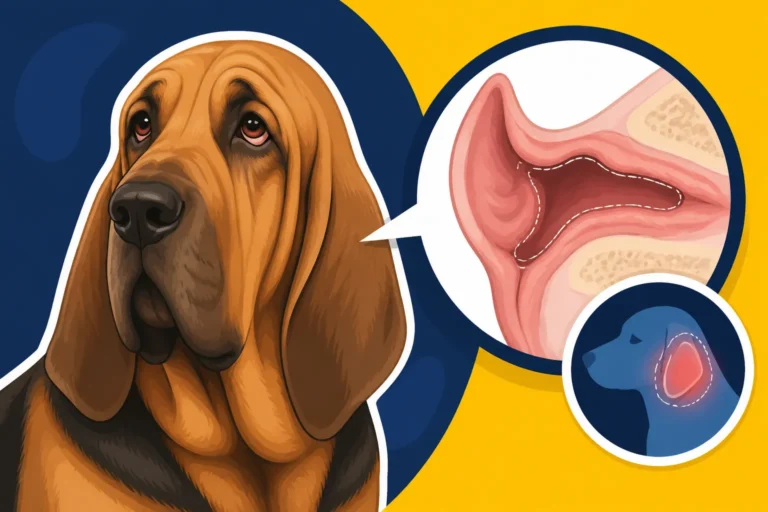
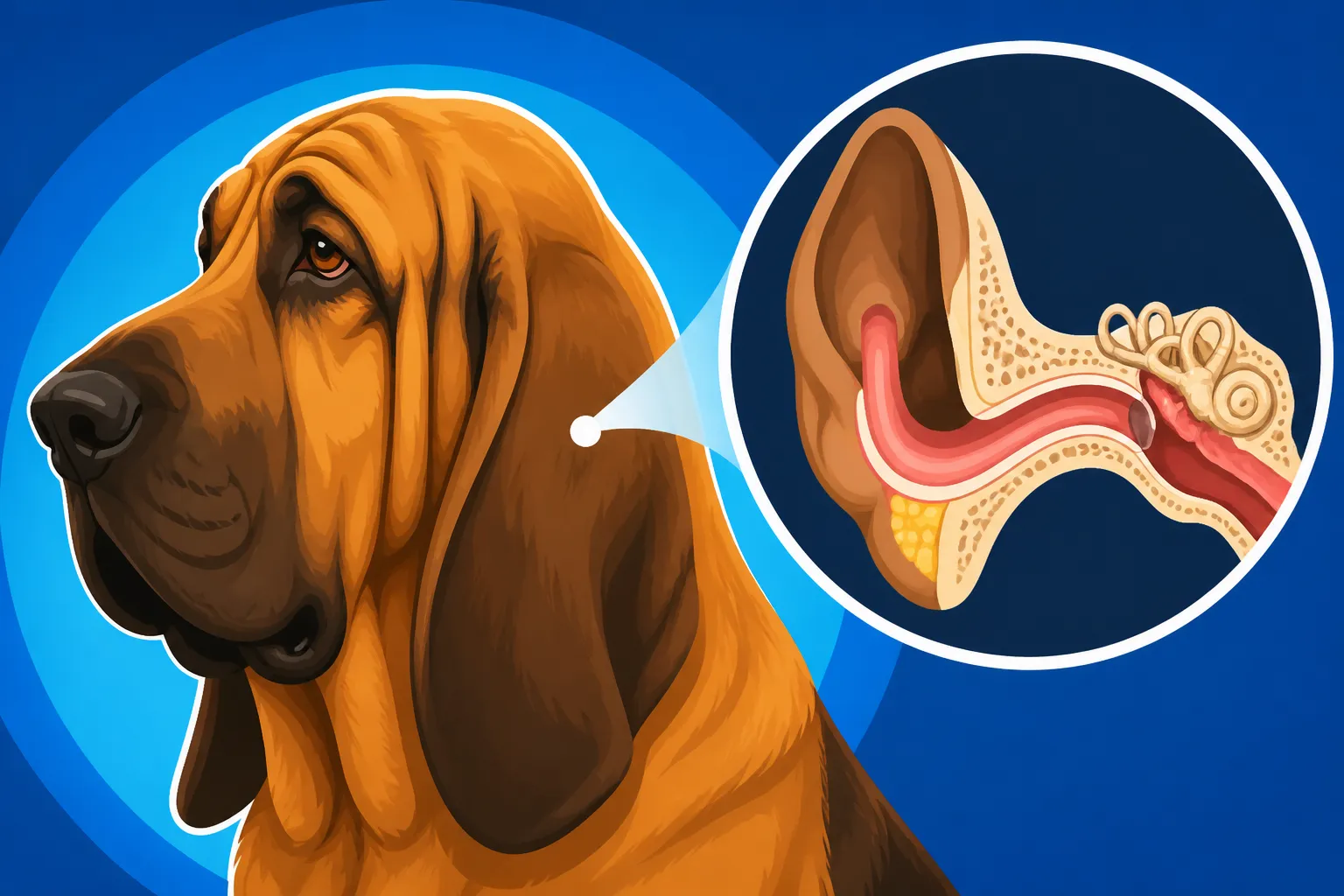
When you look at your Bloodhound's magnificent ears, it's easy to get lost in their sheer size and velvety softness. But it's not just the external ear flap, or pinna, that's special; the internal structure is where the real design for scent detection and, unfortunately, potential trouble lies. Unlike humans who have a relatively short, horizontal ear canal, a Bloodhound's ear canal is much longer and takes a distinct L-shape.
The Vertical and Horizontal Passages
Imagine a long, narrow tunnel that first goes straight down into your dog's head, then takes a sharp turn to run horizontally towards the eardrum. That's essentially your Bloodhound's ear canal. The vertical canal can be surprisingly deep, sometimes several inches long, before it meets the horizontal canal. This deep dive into the head means that the outside world, and particularly air, has a much harder time reaching the deeper parts of the ear. This creates a natural pocket, a warm, moist environment that's a perfect breeding ground for moisture, debris, and microorganisms.
When you peer into your Bloodhound's ear, you might only see a small portion of this vertical canal. The real estate within is vast and labyrinthine from a cleaning perspective. It's a key reason why a Bloodhound's ear canal stays damp, even in dry climates. This dampness, combined with the lack of airflow, means that while their ears are masters of trapping scent particles close to the nose, they are equally adept at trapping everything else, too.
The Role of Ear Leather and Structure
Beyond the internal canal, the external ear leather plays a significant role. Bloodhounds have some of the longest and heaviest ears in the canine world. These pendulous ears hang close to the side of the head, effectively covering the ear canal opening. This design, while brilliant for funnelling scent, further restricts airflow, compounding the issues caused by the deep canal itself. Think of it like a natural, perpetually-closed door over a long, dark hallway.
This combination of deep, L-shaped canals and heavy ear flaps means that wax, dirt, and trapped moisture have nowhere to go and no natural way to dry out. It’s no wonder that a Bloodhound's ears are a standing infection risk, demanding consistent and careful attention from their owners. Without regular cleaning and monitoring, minor irritation can quickly escalate into full-blown, painful infections.
Why This Deep Canal Matters for Your Bloodhound's Health
Understanding the unique anatomy of your Bloodhound's ear canal isn't just an academic exercise; it's critical for understanding their health needs. The characteristics of these ears — deep, poorly ventilated, and prone to moisture — create an environment ripe for a host of problems that can quickly become chronic and costly.
Breeding Ground for Infections
The warm, humid, and airless environment deep within the ear canal is practically an invitation for unwelcome guests like bacteria and yeast. These microorganisms thrive in such conditions, and even a tiny bit of moisture left behind after a drink of water or a damp walk can kickstart an infection. We've all been there, wondering "How often a Bloodhound gets an ear infection?" and the answer, for many, is "far too often" if preventive care isn't a top priority.
Imagine a humid summer day, and you've just come back from a walk. Your Bloodhound's ears have been sweeping along the dewy grass, perhaps even dipping into a puddle or two. That moisture then sits deep within the canal, without air circulation to dry it out. In a short time, that perfect breeding ground begins to develop a distinct, sour odor, a common sign that an infection is brewing. It’s a frustrating cycle that can catch even the most diligent owner off guard if they don't fully appreciate the anatomical challenge.
Chronic Pain and Discomfort
Left unaddressed, these frequent infections don't just clear up on their own. They become a source of significant chronic pain and discomfort for your beloved hound. A Bloodhound might tolerate a lot, but ear pain can truly impact their quality of life. You might notice them shaking their head, scratching excessively, or holding one ear lower than the other. If you try to touch their ears, they might flinch or even snap, which is a clear sign of pain.
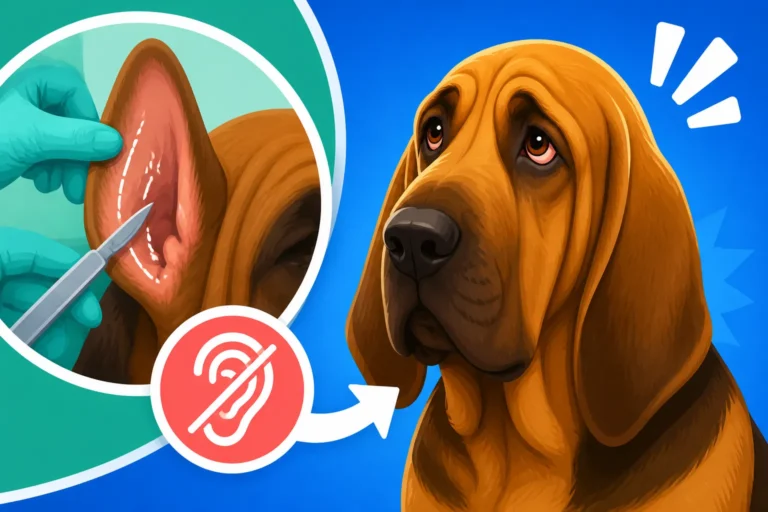
The inflammation caused by repeated infections can lead to changes within the ear canal itself. The skin lining the canal can thicken, making the canal even narrower and further impeding airflow and drainage. This creates a vicious cycle where infections become more frequent, harder to treat, and cause more damage. In severe, chronic cases, when a Bloodhound's ear infection becomes permanent, it can lead to devastating consequences, including profound hearing loss or even the need for a total ear canal ablation, a major surgical procedure. This is why being proactive and understanding the depth and structure of their ears is not just about cleanliness, but about preventing long-term suffering.
Managing Your Bloodhound's Deep Ear Canals for Health
Given the inherent challenges posed by a Bloodhound's deep ear canals, a consistent and proactive care routine isn't just recommended, it's absolutely essential. This isn't a "sometimes" thing; it's a "for life" commitment that will save your Bloodhound discomfort and you a significant amount of money and worry.
The Weekly Ear Cleaning Ritual
For a Bloodhound, cleaning a Bloodhound's ears every week for life is often the minimum requirement, and some may even need it more frequently depending on their environment, activity level, and individual ear health. This isn't just a quick swab; it's a thorough, yet gentle, process.
First, you need the right tools. What to clean a Bloodhound's ears with typically includes a veterinarian-approved ear cleaning solution designed for dogs, along with cotton balls or gauze pads. Avoid cotton swabs, as these can push debris deeper into the canal and potentially damage the eardrum.
The process usually involves:
- Lifting the Ear Flap: Gently lift that beautiful, heavy ear leather to expose the opening of the ear canal.
- Applying Solution: Carefully squirt a generous amount of ear cleaning solution into the ear canal until it's full. You’ll hear a squishing sound as it penetrates.
- Massaging the Base: Gently massage the base of the ear for 20-30 seconds. You should hear that squishing sound again as the solution works its way deep down, breaking up wax and debris.
- Allowing the Shake: Let your Bloodhound shake their head. This helps to dislodge and bring up debris and excess solution. Stand clear, as it can be quite a messy affair!
- Wiping Away Debris: Use a cotton ball or gauze wrapped around your finger to wipe out any visible debris and excess solution from the outer ear and the part of the canal you can see. Remember how far into a Bloodhound's ear to reach: only as far as your finger can comfortably go. Never force anything or insert anything past what you can see. The cleaning solution does the heavy lifting deep inside.
This consistent routine is your first line of defense against the issues posed by their deep canals. It’s also crucial to monitor for signs of infection during these cleanings, such as redness, swelling, unusual odor, or excessive discharge.
Investing in Prevention: Products and Professional Care
Beyond your weekly cleaning, there are other preventative measures and considerations. A snood, for example, can be an absolute lifesaver. This soft fabric tube fits over your Bloodhound's head and ears, keeping those long ears out of their food and water bowls, and protecting them from burrs and debris during outdoor adventures. It’s a simple solution that significantly reduces the amount of gunk that might make its way into those deep canals.
When it comes to the cost of maintaining healthy Bloodhound ears, prevention truly is priceless. The standing cost of a Bloodhound's ears can be significant if you're constantly battling infections. A bottle of ear cleaner might cost you around $15-$30 and last for months, whereas a single vet visit for an ear infection can easily run into hundreds of dollars, especially if diagnostics like cytology or medication are needed. For ongoing or severe cases, some owners find the peace of mind offered by pet insurance providers like Healthy Paws invaluable. They can help offset the significant costs associated with chronic ear conditions, ensuring you can always afford the best care.
The Role of Diet and Allergies
Sometimes, chronic ear issues in Bloodhounds aren't solely about anatomy and cleaning; they can be linked to underlying allergies, either environmental or food-related. If, despite diligent cleaning, your Bloodhound continues to suffer from recurrent ear infections, it’s worth discussing allergy testing or a diet trial with your veterinarian.
Allergies can cause inflammation and itchiness throughout a dog’s body, including the ears. This inflammation can create an even more hospitable environment for infections. Certain food ingredients, like common proteins or grains, can trigger an allergic response. Your vet might recommend a novel protein or hydrolyzed protein diet to see if eliminating certain allergens helps clear up the ear issues. Addressing the root cause of inflammation can dramatically reduce the frequency and severity of ear infections, making your cleaning routine more effective and your Bloodhound much more comfortable.
Common Misconceptions and Proactive Care
Owning a Bloodhound means accepting their unique needs, and their ears are definitely at the top of that list. There are quite a few myths and misunderstandings that can hinder effective care, and clarifying these can make a big difference in your Bloodhound's ear health.
Addressing Ear Hair and Plucking
One common question among Bloodhound owners is whether a Bloodhound's ear hair should be plucked. Unlike some other breeds, like Schnauzers or Poodles, where ear hair removal is often recommended to improve airflow, Bloodhounds generally don't have excessive hair growth deep within their ear canals that requires routine plucking. The hair they do have is typically fine and doesn't significantly contribute to blockages or moisture retention in the same way as denser, curlier hair might in other breeds.
In fact, improper plucking can actually cause micro-traumas to the delicate skin lining the ear canal, creating tiny wounds that can become entry points for bacteria and lead to infection. For Bloodhounds, focusing on consistent cleaning with a good quality ear solution and ensuring the ear canal is dry is far more beneficial than attempting to pluck hairs. If you ever notice an unusual amount of hair or matting in the outer ear canal that seems to be trapping debris, consult your vet before attempting any removal yourself. They can safely trim or remove any problematic hair if needed.
Beyond the Cleaning: Holistic Ear Health
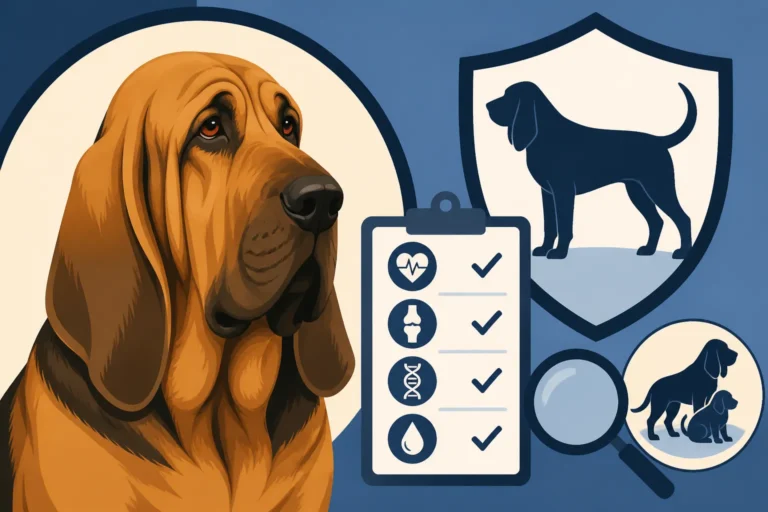
Maintaining deep ear canals isn't just about cleaning; it’s about a holistic approach to your Bloodhound's well-being. Regular veterinary check-ups are paramount. Your vet can use an otoscope to look much deeper into the ear canal than you ever could, assessing the health of the eardrum and identifying any brewing infections or chronic changes that might not be obvious to the naked eye. These regular professional assessments can catch issues early, preventing them from escalating into more serious problems that might require extensive treatment or surgery. Remember, while you might be doing your best at home, those deep canals can hide a lot!
Furthermore, consider your Bloodhound's environment. Are they frequently swimming? While swimming can be great exercise, the added moisture in their already deep, damp ear canals can be a recipe for disaster. After any water activity, be extra diligent with ear cleaning and use a veterinary-approved ear drying solution to help eliminate moisture. These solutions can make a big difference in preventing infections from taking hold. Being mindful of these details and adjusting your care routine accordingly will go a long way in ensuring your Bloodhound lives a happy, healthy life, free from constant ear discomfort.
Understanding the Cost of Chronic Issues
Let’s be realistic: continuous ear problems can drain your finances and your emotional energy. How many ear infections a Bloodhound averages a year can quickly turn into a costly cycle of vet visits, medications, and specialized cleanings. A single course of antibiotics and anti-inflammatory drops might cost you $50-$100, but if infections recur monthly, that adds up rapidly.
Estimated Annual Costs for Bloodhound Ear Care
| Item/Service | Routine Care (Prevention) | Mild Infection (Annual) | Chronic Infection (Annual) | Severe/Surgical (One-time) |
|---|---|---|---|---|
| Ear Cleaning Solution | $30 – $60 | $30 – $60 | $60 – $120 | $30 – $60 |
| Cotton Balls/Gauze | $10 – $20 | $10 – $20 | $20 – $40 | $10 – $20 |
| Snood (optional) | $20 – $40 (one-time) | $20 – $40 | $20 – $40 | $20 – $40 |
| Vet Exam | $0 (with routine check-up) | $60 – $100 | $120 – $300 (2-3 visits) | $60 – $100 |
| Ear Medication (drops/oral) | $0 | $50 – $150 | $100 – $400 (multiple meds) | $100 – $300 |
| Cytology (diagnostic) | $0 | $30 – $50 | $60 – $150 | $0 |
| Allergy Testing | $0 | $0 | $200 – $500 | $0 |
| Total Ear Canal Ablation | $0 | $0 | $0 | $2,000 – $4,000+ |
| Estimated Annual Total | $60 – $120 | $170 – $420 | $400 – $1550+ | $2,220 – $4,520+ |
Note: These are estimated costs and can vary significantly based on location, vet clinic, and the severity of the condition.
As you can see, the costs of treating recurrent or severe ear problems can quickly skyrocket. This is where a robust pet insurance plan can make a tremendous difference. Many owners of breeds like Bloodhounds, known for specific health predispositions, opt for insurance from reputable providers such as Healthy Paws to help manage these unpredictable, yet often inevitable, expenses. Knowing that you have support for conditions like chronic ear infections or even the potential need for expensive surgeries like a Total Ear Canal Ablation can provide incredible peace of mind. Investing in a good insurance policy when your Bloodhound is young and healthy ensures coverage for issues that might arise later, helping you focus on their health rather than the financial strain.
Disclaimer
The information provided in this guide is intended for educational purposes only and should not be considered a substitute for professional veterinary advice. Always consult with a qualified veterinarian for any health concerns or before making any decisions about your Bloodhound's care.