Whether an Anxious Bloodhound Bloats More
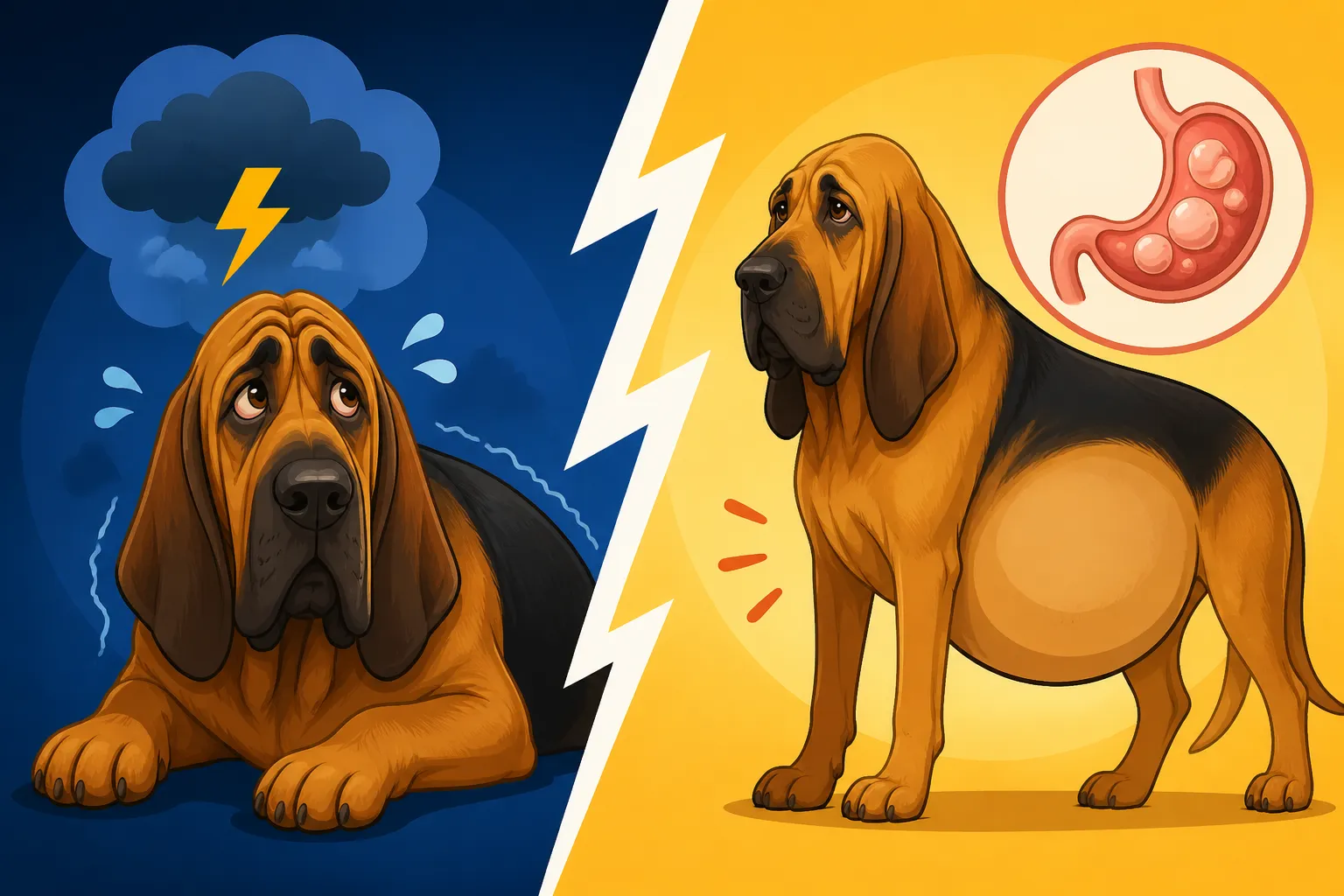
It's a fear that quietly gnaws at many Bloodhound owners: the unsettling thought that their gentle, often sensitive companion's emotional state could directly impact their physical health, specifically the terrifying risk of bloat. You watch them, you know their quirks, and sometimes, you just feel their anxiety. But is there a real, scientifically backed connection between a Bloodhound feeling stressed and the life-threatening condition known as Gastric Dilatation-Volvulus, or bloat? This comprehensive guide dives deep into this anxious question, exploring the nuances of canine stress, its potential physiological impacts, and what you can realistically do to support your beloved hound.
Understanding the Link Between Canine Anxiety and Bloat
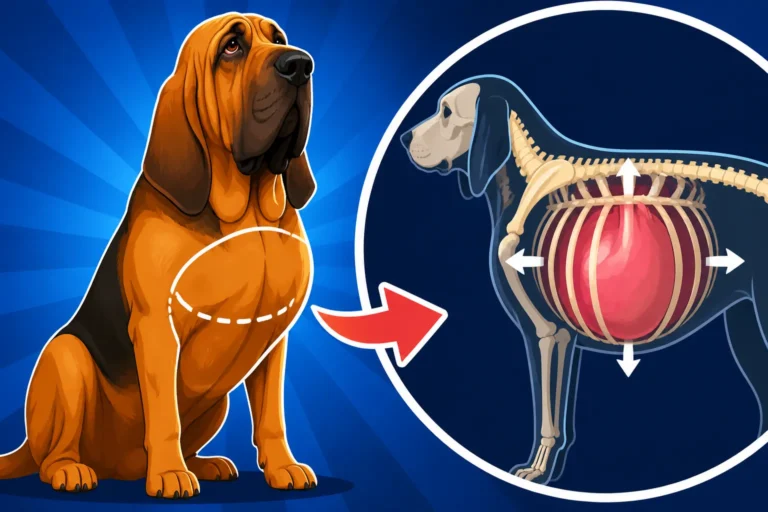
The question of whether an anxious Bloodhound bloats more isn't just a casual concern; it touches on a very real and frightening reality for owners of deep-chested breeds. Bloat is a sudden, severe condition where the stomach fills with gas (dilatation) and often twists on itself (volvulus), cutting off blood supply and quickly becoming fatal. When you're dealing with a breed already predisposed to this, every potential risk factor feels amplified.
The Stress Response and Gastric Motility
When a dog experiences stress or anxiety, their body kicks into a "fight or flight" response. This physiological cascade involves the release of stress hormones like cortisol and adrenaline. These hormones have widespread effects on the body, including significant impacts on the digestive system. For instance, stress can alter gastric motility – the natural contractions that move food through the digestive tract. Some dogs might experience slowed digestion, while others might have increased motility, leading to diarrhea. In the context of bloat, a disruption in normal gastric emptying could potentially contribute to gas accumulation in the stomach. If food and gas aren't moving out of the stomach efficiently, it creates a prime environment for dilatation.
Imagine your Bloodhound, usually so calm and focused, suddenly exposed to a chaotic environment – a loud construction site next door, or perhaps a new, boisterous family member. Their heart rate might increase, their muscles might tense, and internally, their digestive processes could be thrown out of whack. While this doesn't directly cause the stomach to twist, the underlying conditions for severe gas buildup could be exacerbated. The body's priorities shift away from digestion and towards immediate survival, which can mean an accumulation of undigested food and gas in the stomach.
Anecdotal Evidence and Veterinary Observation
Many Bloodhound owners and even some veterinarians have observed what seems to be a correlation between stressful events and bloat episodes. For instance, a dog might experience bloat after a significant change in routine, a visit to the vet or groomer, a long car ride, or even after a perceived threat. These are moments when a dog's anxiety levels might spike. While this anecdotal evidence is powerful and often leads owners to be hyper-vigilant about their dog's emotional state, it's important to remember that correlation does not always equal causation. It's challenging to isolate anxiety as the sole or primary factor, given that many factors contribute to bloat risk.
Consider a situation where a Bloodhound, already prone to anxiety during thunderstorms, bloats on a stormy night. Was it the anxiety itself, or perhaps the rapid panting and gulping of air that often accompanies fear in dogs, introducing more air into the stomach? Or maybe a combination of both? These real-life scenarios highlight the complexity of the issue. Many owners would certainly attest to their dog being "off" or unusually stressed before a bloat incident. This is why paying attention to your dog's emotional state is always a good idea, regardless of direct scientific proof of a link.
What Research Says (or Doesn't Say Directly)
While there isn't extensive, conclusive research specifically proving that an anxious Bloodhound is definitively more likely to bloat, studies on Gastric Dilatation-Volvulus (GDV) have identified a number of risk factors. The groundbreaking Purdue Bloat Study, for example, examined various factors contributing to bloat. While stress was not pinpointed as a primary, standalone cause with irrefutable statistical significance, the study did touch upon temperament and behavior.
Some studies suggest that "nervous," "fearful," or "aggressive" temperaments might have a higher incidence of bloat, though the mechanisms aren't fully understood. It's plausible that behaviors associated with anxiety, such as gulping air, changes in eating habits due to stress, or alterations in gut motility, could indirectly increase risk. For example, a highly anxious dog might eat faster, leading to more air ingestion, or might be less prone to resting after a meal, both of which are considered risk factors. While the scientific community might call for more direct evidence, as Bloodhound owners, we know our dogs best, and observing a pattern between stress and digestive upset is certainly worth addressing proactively. You might even find that your vet suggests considering a preventive procedure like What a Preventive Gastropexy Does for a Bloodhound if anxiety and other risk factors are high.
Recognizing Anxiety in Your Bloodhound
Identifying anxiety in a Bloodhound can sometimes be tricky because their general demeanor is often laid-back and stoic. However, beneath that calm exterior, a Bloodhound can experience significant stress. Learning to read their subtle cues is crucial for their overall well-being and, potentially, for mitigating risks like bloat.
Common Behavioral Signs of Stress
Bloodhounds, like all dogs, communicate stress through a range of behaviors. These can be overt or very subtle, especially in a breed that might naturally be a bit more reserved when feeling overwhelmed.
- Pacing or Restlessness: An anxious Bloodhound might pace incessantly, unable to settle, even in familiar environments. They might shift positions frequently, pant excessively (even when not hot), or have difficulty lying down. This restlessness can be particularly concerning if it occurs after eating, as it directly relates to a known risk factor for bloat.
- Destructive Chewing or Licking: When stressed, some Bloodhounds will resort to destructive chewing of furniture, shoes, or even their own paws or flanks. Excessive licking, especially of a specific body part, can be a self-soothing mechanism. If you notice your dog suddenly tearing up their bed, or their skin becoming irritated from constant licking, it's a strong indicator of underlying stress.
- Changes in Appetite or Eating Habits: Anxiety can manifest as either a refusal to eat or, conversely, a sudden tendency to bolt food down rapidly. A stressed Bloodhound might also be unusually picky or hesitant around their food bowl. Rapid eating is a known bloat risk factor, so if anxiety causes your dog to eat too quickly, it compounds the potential danger.
- Clinginess or Withdrawal: An anxious Bloodhound might become unusually clingy, following you from room to room, seeking constant reassurance. On the other hand, some might withdraw, hiding in another room, under furniture, or avoiding interaction.
- Vocalization Changes: While Bloodhounds are known for their deep baying, anxiety can trigger different vocalizations, such as whining, incessant barking, or unusual growling. If your typically quiet hound suddenly becomes vocal without an obvious trigger, it's worth investigating.
- House Soiling: A fully house-trained Bloodhound suddenly having accidents inside can be a sign of extreme stress or a medical issue. Always rule out medical causes first, but if it coincides with a stressful event, anxiety is a strong possibility.
- Dilated Pupils or Tucked Tail: More subtle physical signs include dilated pupils, a tucked tail (even if usually carried high), flattened ears, or a generally tense body posture. They might also yawn or lick their lips frequently in a non-food context.
Situational Triggers for Bloodhound Anxiety
Understanding what sets your Bloodhound off is half the battle. Bloodhounds are creatures of routine and habit, and many things can disrupt their sense of security.
- Loud Noises: Thunderstorms, fireworks, construction sounds, or even loud arguments within the household can be incredibly distressing. Many dogs develop phobias to these noises, leading to severe anxiety responses.
- Separation Anxiety: Bloodhounds are very people-oriented and can form strong attachments. Being left alone, even for short periods, can trigger intense separation anxiety in some individuals, leading to destructive behavior, excessive vocalization, or house soiling.
- Changes in Routine or Environment: A new baby, a different work schedule for you, moving to a new home, or even just rearranging the furniture can be disorienting. Bloodhounds thrive on predictability.
- New People or Animals: While generally good-natured, an influx of strangers (guests, repair people) or the introduction of a new pet can be stressful, especially if not managed carefully.
- Vet Visits or Grooming: For many dogs, vet visits are inherently stressful. The car ride, the strange smells, being handled by strangers, and sometimes pain can all contribute to anxiety. The same goes for grooming, especially if their sensitive ears and folds are being handled. These are also times when a dog might be less likely to relax and digest properly after a meal.
- Lack of Mental or Physical Stimulation: Despite their relaxed appearance, Bloodhounds need mental engagement. A bored Bloodhound is often a stressed Bloodhound. Their incredible noses need a job! A lack of appropriate exercise can also contribute to pent-up energy that manifests as anxiety. You might find great benefit in exploring Mantrailing Is the Answer to a Bloodhound, Not Obedience as a way to provide mental enrichment.
The Importance of a Professional Diagnosis
If you suspect your Bloodhound is suffering from anxiety, it's absolutely vital to seek professional help. Your veterinarian is the first point of contact. They can rule out any underlying medical conditions that might be mimicking anxiety symptoms. For example, pain from conditions like Hip and Elbow Dysplasia in the Bloodhound can manifest as restlessness or irritability, often mistaken for pure anxiety. Once physical health is confirmed, your vet can discuss behavioral modification techniques, refer you to a certified professional dog trainer or veterinary behaviorist, and explore medication options if necessary.
Early intervention is key. Untreated anxiety can worsen over time, leading to more severe behavioral problems and a reduced quality of life for your Bloodhound. A professional can help you develop a tailored plan, which might include specific training, environmental management, or even medication to help your Bloodhound cope. Companies like Healthy Paws often cover behavioral therapy and prescription medications for anxiety, which can be a huge relief for owners.
Strategies to Mitigate Anxiety and Support Gastric Health
If your Bloodhound is prone to anxiety, taking proactive steps to manage their stress isn't just about their happiness; it's also about supporting their overall health and potentially reducing the risk of serious issues like bloat. A multi-faceted approach, combining environmental management, careful feeding practices, and sometimes professional intervention, offers the best chance for success.
Creating a Predictable and Calming Environment
Bloodhounds thrive on routine and a sense of security. A chaotic or unpredictable home environment can be a major source of stress for them.
- Establish a Consistent Schedule: Try to feed, walk, and play with your Bloodhound at roughly the same times each day. Predictability helps reduce uncertainty, which is a common trigger for anxiety. This also applies to meal times – consistency can help regulate digestion.
- Provide a Safe Space: Every Bloodhound needs a quiet, comfortable den where they can retreat when feeling overwhelmed. This could be a crate (properly introduced and never used for punishment), a dog bed in a low-traffic area, or even a designated room. Make it a positive space with soft bedding, favorite toys, and perhaps a long-lasting chew.
- Minimize Exposure to Known Triggers: If you know your Bloodhound is terrified of thunderstorms, create a "storm room" far from windows, with classical music or white noise to drown out the thunder. If guests make them nervous, put them in their safe space with a special treat until they can slowly adjust, or until guests have left.
- Enrichment is Key: Bloodhounds have incredible noses and minds that need to be engaged. Providing appropriate mental stimulation through puzzle toys, sniff games, or regular scent work sessions (even simple ones in your backyard) can significantly reduce boredom-induced anxiety. This mental workout can be as tiring and fulfilling as physical exercise.
- Calming Aids: Consider using calming pheromone diffusers (like Adaptil), calming chews or supplements containing L-Theanine or Zylkene, or even weighted anxiety vests (like a Thundershirt) for specific stressful events. Always discuss these options with your veterinarian to ensure they are appropriate for your dog.
Nutritional and Feeding Practices for Anxious Eaters
The way your Bloodhound eats can be directly influenced by anxiety, and concurrently, can impact their risk of bloat. Careful feeding practices are paramount.
- Multiple, Smaller Meals: Instead of one or two large meals, splitting your Bloodhound's daily food allowance into three or even four smaller meals can reduce the amount of food and air in their stomach at any one time. This also slows down the eating process and allows for better digestion. This practice is strongly recommended for all deep-chested breeds at risk of bloat, regardless of anxiety levels.
- Slow Feeder Bowls: If your anxious Bloodhound gulps their food down rapidly, a slow feeder bowl or a puzzle feeder can be incredibly beneficial. These bowls have obstacles that force the dog to eat around them, significantly slowing their ingestion rate and reducing air intake.
- Elevated Bowls: A Controversial Topic: Historically, elevated food bowls were recommended to prevent bloat. However, the Purdue Bloat Study indicated that elevated bowls might actually increase the risk of bloat in large and giant breeds. The current veterinary consensus generally recommends feeding Bloodhounds from bowls on the floor. If you have been using an elevated bowl, discuss this change with your vet.
- A Quiet Mealtime Environment: Ensure your Bloodhound eats in a calm, stress-free environment. Avoid feeding them immediately after intense exercise or during times of household commotion. If you have multiple pets, feed them separately to prevent resource guarding anxiety or competition that leads to rapid eating.
- Rest Before and After Meals: A crucial component of bloat prevention is ensuring your Bloodhound rests for at least an hour before and after eating. Strenuous exercise, excitement, or rough play immediately before or after a meal can increase bloat risk. If your Bloodhound is anxious, they might be less likely to settle, so managing their post-meal activity is vital.
Medical and Behavioral Interventions
Sometimes, environmental changes and feeding adjustments aren't enough, especially for severe anxiety. This is where professional help truly makes a difference.
- Veterinary Behaviorist Consultation: A board-certified veterinary behaviorist specializes in diagnosing and treating behavioral problems in animals. They can develop a comprehensive behavior modification plan that might include desensitization, counter-conditioning, and management strategies tailored to your Bloodhound's specific anxieties. This is often the most effective route for chronic or severe anxiety.
- Medication: For some Bloodhounds, anti-anxiety medication, prescribed by a veterinarian or veterinary behaviorist, can be a game-changer. These medications can help reduce the baseline level of anxiety, making the dog more receptive to behavioral training and coping strategies. It's not a "quick fix" but a tool to help your dog learn to manage their stress more effectively. Regular vet check-ups are important to monitor progress and adjust medication as needed. This type of ongoing care and medication costs can often be significantly offset by comprehensive pet insurance like Healthy Paws.
- Proactive Bloat Prevention (Gastropexy): If your Bloodhound is highly anxious, or if there are other significant risk factors (like a family history of bloat, a particularly deep chest, or a history of prior bloat episodes), your veterinarian might strongly recommend a preventive gastropexy. This surgical procedure permanently tacks the stomach to the abdominal wall, preventing it from twisting. While it doesn't prevent the initial gas buildup (dilatation), it dramatically reduces the risk of the fatal volvulus. It's a serious decision, but one that can offer immense peace of mind for owners of at-risk breeds. For more information on this, consider reading The Gastropexy Decision Every Bloodhound Owner Faces.
Beyond Anxiety: Other Critical Bloat Risk Factors
While it's natural to focus on potential connections between anxiety and bloat, it's crucial not to lose sight of the many other well-established risk factors for this devastating condition in Bloodhounds. A holistic understanding is the best defense.
Genetic Predisposition and Physical Characteristics
The very nature of the Bloodhound breed makes them inherently susceptible to bloat, regardless of their personality.
- Deep, Narrow Chest: This is perhaps the most significant physical risk factor. Bloodhounds, with their distinctive conformation, possess the classic deep and narrow chest shape that research has repeatedly linked to an increased risk of GDV. The deep chest provides ample space for the stomach to distend and twist. You can learn more about this in Why a Bloodhound's Chest Shape Causes Bloat.
- Genetics and Family History: Bloat has a strong genetic component. If a Bloodhound's parent or siblings have bloated, their risk significantly increases. This is why responsible breeders try to avoid breeding dogs with a history of bloat in their lines, and why asking about family history is crucial when acquiring a puppy. You might want to consider Whether a Bloodhound's Relatives Predict Its Bloat Risk for more insights.
- Age: While bloat can occur at any age, the risk generally increases as a Bloodhound gets older. The incidence often peaks in middle-aged to senior dogs, around 6-10 years old. You might observe changes in your Bloodhound as they age; see Whether a Bloodhound Bloats More After Six for more details.
- Breed Size: Bloodhounds fall into the large to giant breed category, which are universally more prone to bloat than smaller dogs. This is directly related to their deep chests.
Eating Habits and Exercise Routines
How and when your Bloodhound eats and exercises play a huge role in their bloat risk. Many of these factors are directly manageable by owners.
- Rapid Eating (Bolting Food): Eating too quickly causes a dog to gulp down excessive amounts of air along with their food, which can contribute to gastric distention. This is why slow feeder bowls are so important for Bloodhounds.
- Large Meals: As mentioned, one large meal puts more pressure on the digestive system than smaller, more frequent meals.
- Exercising Before/After Meals: Allowing a Bloodhound to engage in strenuous exercise, vigorous play, or even excessive excitement (like roughhousing or running) immediately before or after eating is a significant risk factor. The churning and jostling of the stomach can make it more likely to twist when it's full of food and gas. A full hour of calm before and after meals is often recommended.
- Drinking Large Amounts of Water After Eating: Gulping down a large volume of water immediately after a meal can also contribute to the stomach filling with liquid and gas, increasing pressure and potential for torsion.
- Type of Food: While less definitively proven than physical factors, some studies have looked at diet. For instance, diets composed of large particle sizes or certain ingredient types have been investigated, though no single "bad" food has been identified. However, it's generally advised to avoid single, large meals of dry kibble.
- Lean Body Condition: Surprisingly, a very lean or underweight Bloodhound may actually be at a higher risk of bloat than one with a healthy body condition. This isn't entirely understood, but it's another reason to keep your Bloodhound in optimal health, neither too heavy nor too thin.
Recognizing these diverse risk factors allows Bloodhound owners to create a comprehensive prevention strategy that goes beyond just managing anxiety. Regular vet check-ups, especially as your Bloodhound ages, are crucial for monitoring overall health. Many owners find that What a Bloodhound's Bloat Surgery Bill Comes To makes them seriously consider preventative measures. A good pet insurance policy, such as one from Healthy Paws, can provide immense financial relief should an emergency bloat situation arise, covering the significant costs of emergency surgery and post-operative care.
Summary Table of Bloat Risk Factors and Mitigating Strategies
| Risk Factor | Description | Mitigating Strategy |
|---|---|---|
| Deep, Narrow Chest | Anatomical predisposition common in Bloodhounds. | Not directly modifiable; consider prophylactic gastropexy. |
| Genetic Predisposition | Family history of bloat (parents, siblings). | Choose reputable breeders; consider prophylactic gastropexy. |
| Advanced Age | Risk increases with age, particularly after 6 years old. | Vigilant monitoring; consider prophylactic gastropexy as they age. |
| Rapid Eating (Bolting Food) | Ingesting large amounts of air while eating quickly. | Use slow feeder bowls; split meals; ensure quiet meal times. |
| Large, Single Meals | Large volume of food and gas in the stomach at once. | Feed multiple smaller meals throughout the day. |
| Exercise Before/After Meals | Strenuous activity or excitement with a full stomach. | Enforce at least 1 hour of rest before and after meals. |
| Drinking Large Water Volumes | Excessive water intake immediately after meals. | Offer smaller amounts of water; limit immediate post-meal drinking. |
| Anxiety/Stress | Behavioral changes, altered gastric motility, air gulping. | Create predictable environment, mental enrichment, calming aids, professional help. |
| Lean Body Condition | Underweight dogs may have higher risk. | Maintain a healthy body weight. |
This table provides a quick reference to help you identify and address key risk factors for bloat in your Bloodhound. Remember, early detection of signs a Bloodhound is bloating is critical for survival.
Disclaimer
The information provided in this article is for educational purposes only and is not intended to be a substitute for professional veterinary advice, diagnosis, or treatment. Always seek the advice of your veterinarian or other qualified animal health provider with any questions you may have regarding a medical condition or treatment plan for your Bloodhound.