Signs a Bloodhound Is Overweight
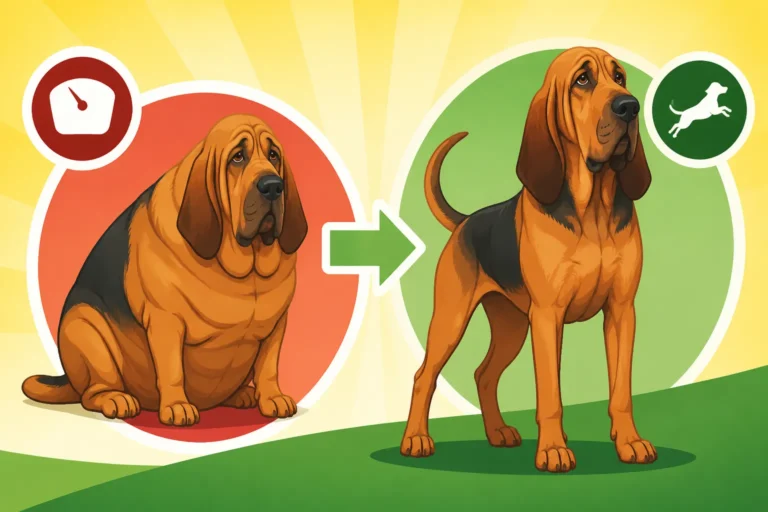
One of the biggest heartaches for us Bloodhound owners is wanting the absolute best for our beloved sniffers, but sometimes, their unique physical traits make it genuinely tough to spot when something's not quite right. Their wonderfully abundant, loose skin, those deep wrinkles and magnificent dewlaps, can actually hide a developing weight problem, leaving you scratching your head and wondering if your hound is just big-boned or if those extra pounds are creeping on. This guide is here to unravel that mystery, helping you identify the subtle and not-so-subtle signs that your Bloodhound might be overweight, and more importantly, what to do about it to ensure they live their happiest, healthiest life.
The Bloodhound's Unique Physique: Why Weight Assessment Is Tricky
Let's be honest, Bloodhounds aren't exactly known for their svelte, athletic builds in the way a Greyhound or even a Beagle might be. They're substantial, heavily boned dogs with a characteristic loose skin that drapes over their body in a way that’s completely unique to the breed. This very trait, which is so endearing and functional for scent work, is also precisely what makes assessing their weight a bit of a challenge for even experienced owners. It's not like you can just glance at their waistline and know for sure.
The Illusion of Loose Skin
Imagine trying to feel the ribs of a dog wearing a baggy sweater; that's often what it feels like to assess a Bloodhound. Their skin, particularly around the neck, chest, and flanks, is designed to be pliable and loose. This serves a practical purpose: it protects them from injury in dense undergrowth when they're following a trail, and it helps gather and hold scent particles closer to their incredibly powerful noses. But for us, it means that even if a Bloodhound is carrying a bit too much fat, that loose skin can drape over and disguise the roundness that might be obvious in other breeds. You might see what looks like a waist, but beneath that skin, there could be a layer of fat you're missing. It’s a common frustration, feeling like you’re trying to solve a puzzle with half the pieces missing.
Breed Standard Versus Ideal Condition
The breed standard for Bloodhounds emphasizes substance and bone, describing them as powerful and massively built, with solemn, dignified expressions. It doesn't use words like "lean" or "athletic" in the typical sense. This can sometimes lead owners to think that a heavier, more substantial dog is simply "in standard," when in reality, an ideal working or healthy pet Bloodhound should still be in excellent physical condition, without excess fat.
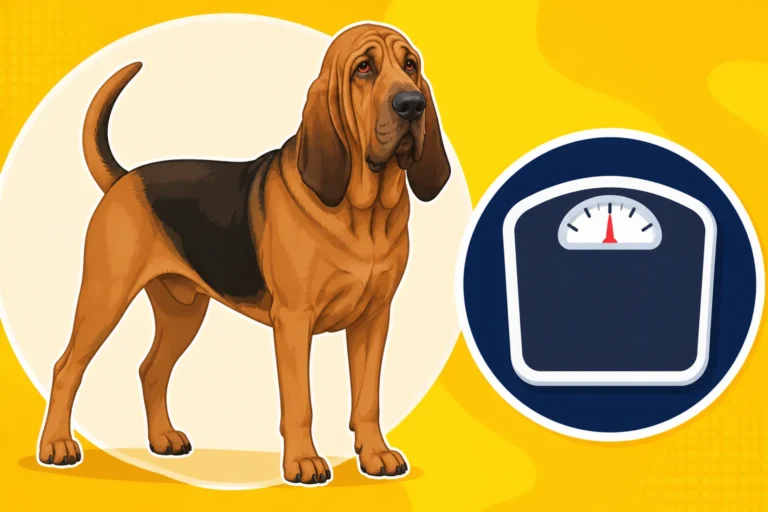
While they are certainly large dogs—What an Adult Male Bloodhound Weighs can easily top 100 pounds, and What an Adult Female Bloodhound Weighs can be just shy of that—their weight should be muscle and bone, not adipose tissue. A truly fit Bloodhound, despite its loose skin, should still have discernible ribs and a noticeable tuck-up. It's about finding that balance between the breed's impressive build and a healthy, functional body composition. We're aiming for robustness, not rotundness!
Identifying the Signs: Visual and Tactile Clues
So, how do you really tell if your majestic Bloodhound is packing on too many pounds when their skin is practically a camouflage suit? It's all about getting hands-on and looking for specific indicators that cut through the illusion. You need to develop a systematic approach, combining what you see with what you feel.
The Rib Check and Lumbar Window
This is your first, and most important, step. Don't just look for ribs; feel for them. Place both hands firmly on your Bloodhound's chest, just behind their front legs. Run your fingers gently over their rib cage.
- Ideal Condition: You should be able to feel each individual rib with light pressure, almost like feeling the knuckles on your hand. You shouldn't see them prominently, thanks to their coat and skin, but you should definitely be able to count them.
- Overweight: If you have to press firmly to feel the ribs, or if they feel like they're buried under a soft, spongy layer, your Bloodhound is likely carrying too much weight. If you can't feel them at all, then it's a definite sign for concern.
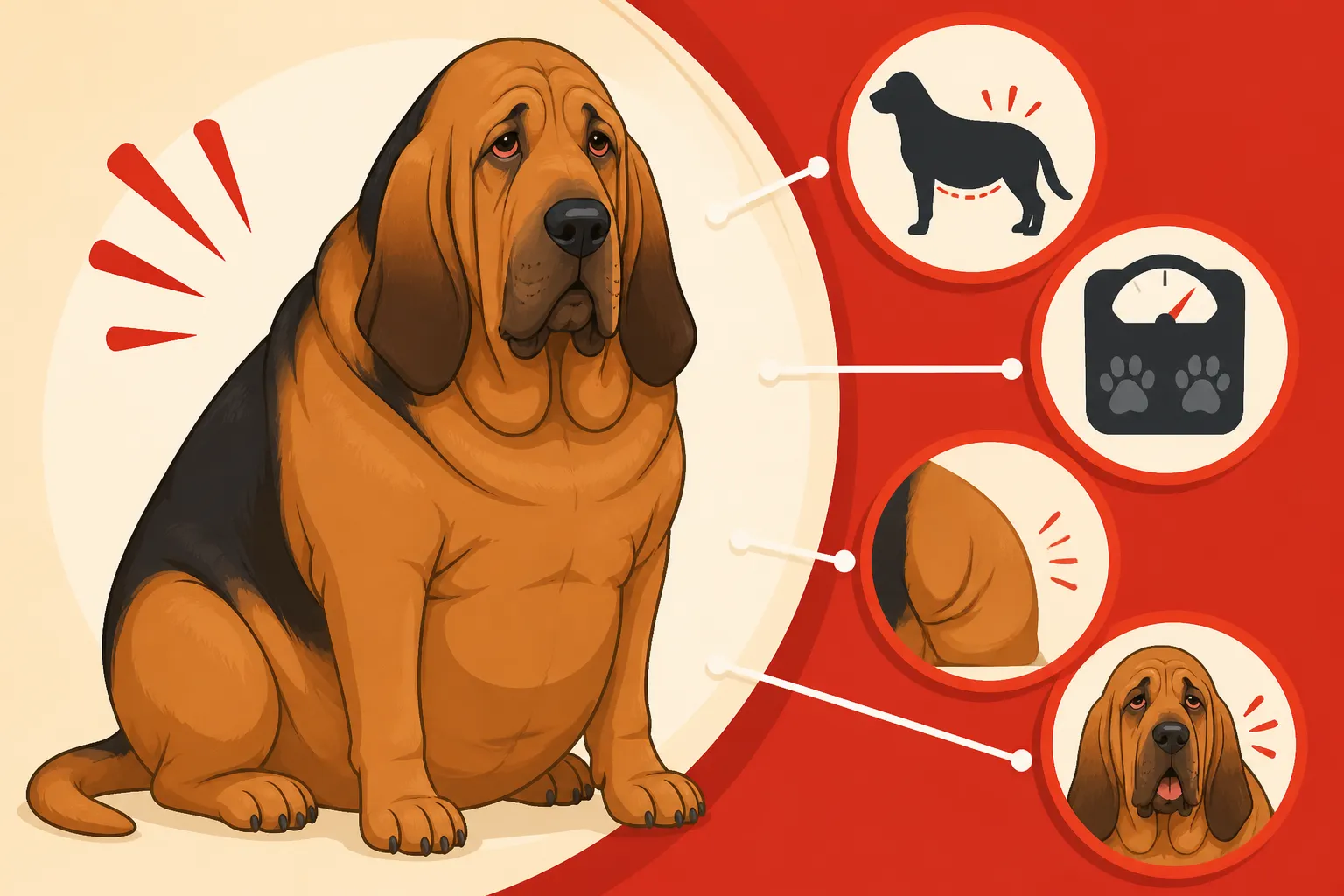
Next, consider the "lumbar window." This refers to the area just behind the ribs and before the hips. In an ideally weighted Bloodhound, even with loose skin, you should be able to make out a slight indentation or "waist" when looking down from above. From the side, there should be an abdominal tuck-up, where the belly gently slopes upwards towards the pelvis. If this area looks broad, rounded, or if the belly hangs low, these are red flags.
Topline and Tuck-Up Indicators
Beyond the ribs, let's look at the overall silhouette.
- Topline: When you look at your Bloodhound from above, their topline (the line from their shoulders to their tail) should generally be smooth. In an overweight Bloodhound, this area might appear broader, flatter, and you might notice fat deposits along the spine or over the hips, making them look less tapered towards the tail.
- Tuck-Up: This is the upward curve of the abdomen as it meets the hindquarters. A healthy Bloodhound, even with their deep chest, should have a noticeable tuck-up. If their belly hangs low, forms a straight line from chest to hind legs, or sags, this is a clear sign of excess abdominal fat. Think of it like a subtle, graceful curve, not a straight or downward slope.
Fat Pads and Neck Rolls
Bloodhounds have some particular spots where they like to store extra fat, which are easier to spot than others:
- Base of the Tail: Feel around the base of their tail. In a lean hound, this area should be relatively smooth. If you feel soft, squishy pads of fat on either side of the tail base, it's a strong indicator of excess weight.
- Over the Hips: Just like with humans, fat tends to accumulate over the hips. Feel this area; it should feel bony and not overly padded.
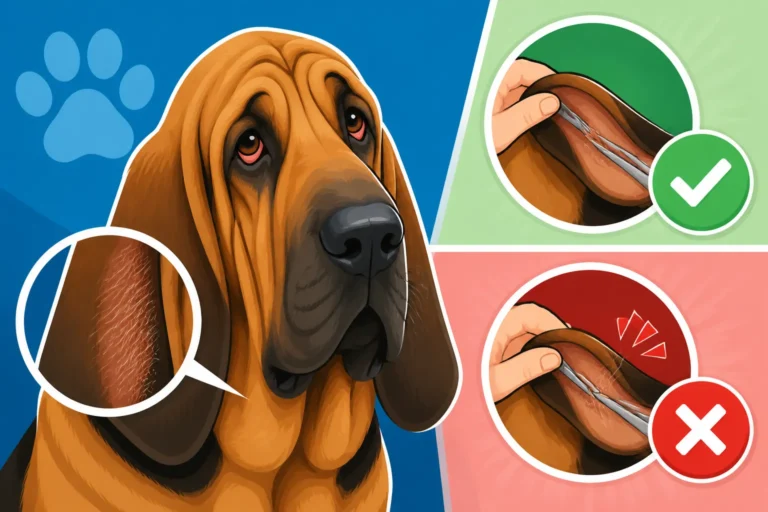
- Neck and Jowls: While Bloodhounds are famous for their majestic neck wrinkles and loose jowls, an overweight Bloodhound will often have excessively thick neck rolls. These rolls become so pronounced they can even exacerbate issues like moisture trapped in the neck roll (Whether a Bloodhound's Neck Roll Traps Moisture), making them prone to skin fold infections. You might notice their jowls and dewlaps appear even heavier and fuller than usual, losing some of their characteristic drape and becoming more solid.
Here’s a quick guide to help you assess your Bloodhound's body condition:
| Feature | Underweight | Ideal Weight | Overweight | Obese |
|---|---|---|---|---|
| Ribs (feel) | Easily seen, no fat covering | Easily felt with light pressure, no visible ribs | Require firm pressure to feel, often difficult to distinguish | Cannot feel ribs at all under a thick fat layer |
| Waist (top view) | Clearly defined, hourglass shape | Noticeable tuck-in behind ribs | Barely discernible or absent | No waist, broad back |
| Tuck-up (side view) | Pronounced abdominal tuck | Slight upward curve from ribs to pelvis | Little to no tuck-up, straight or sagging belly | Abdomen distended, prominent sagging belly |
| Fat Pads | Absent | None | Small fat deposits at tail base, over hips | Extensive fat deposits over spine, tail base, neck, shoulders |
| Muscle Mass | Minimal, bones prominent | Well-developed, firm | Diminished, soft | Hidden by fat, poor definition |
The Hidden Dangers: Health Risks of Excess Weight
It's easy to spoil our dogs with an extra treat or a bit more kibble, especially when they give us those soulful Bloodhound eyes. But for a large breed like a Bloodhound, those extra pounds carry significant health risks that can seriously impact their quality of life and even shorten their lifespan. It's not just about aesthetics; it's about their well-being.
Joint Strain and Mobility Issues
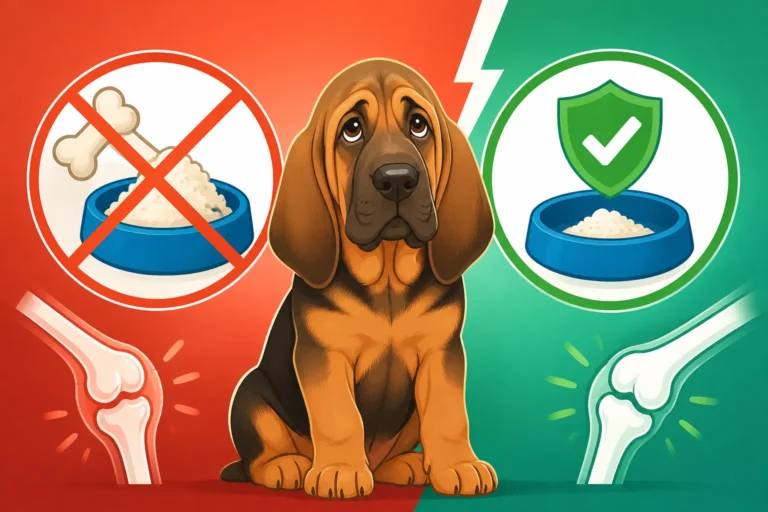
Bloodhounds are already prone to certain orthopedic issues due to their size and rapid growth. Conditions like Hip Dysplasia in a Bloodhound and Elbow Dysplasia in a Bloodhound are sadly common in the breed. When you add extra weight to the equation, you put immense additional strain on their joints. This accelerates the wear and tear on cartilage, worsens arthritis, and can lead to increased pain and reduced mobility much earlier in their lives.
An overweight Bloodhound might struggle to get up from a lying position, be reluctant to go for walks, or limp after even moderate activity. Imagine carrying a heavy backpack all day, every day—that's what extra weight feels like to their joints. It can turn a normally enthusiastic tracker into a couch potato, robbing them of the joy of their natural instincts and playfulness.
Increased Risk of Bloat
This is a critical concern for Bloodhound owners. Bloat, or Gastric Dilatation-Volvulus (GDV), is a life-threatening condition where the stomach fills with gas and can twist, cutting off blood supply. It's truly terrifying, and unfortunately, Bloodhounds are particularly predisposed to it due to their deep, narrow chests. An overweight condition can contribute to bloat risk. While the exact mechanisms are complex, an increased amount of abdominal fat can sometimes put pressure on internal organs and may even influence stomach motility, potentially creating an environment more conducive to bloat.
We know that Bloat Is What Kills Most Bloodhounds, and anything that increases that risk is something we need to take seriously. While some studies suggest Whether a Lean Bloodhound Bloats More Easily, generally, keeping your Bloodhound at a healthy, lean weight is crucial for overall health and reducing various risk factors. An overweight hound might also have reduced stamina for emergency surgery, should the worst happen.
Other Systemic Problems
Beyond joints and bloat, excess weight can lead to a host of other systemic health problems:
- Heart Disease: Carrying extra weight forces the heart to work harder, increasing the risk of high blood pressure and other cardiac issues. Heart Disease in the Bloodhound can be a silent killer, and obesity certainly doesn't help.
- Diabetes: Just like in humans, obesity can lead to insulin resistance and increase the likelihood of developing diabetes.
- Respiratory Issues: Extra fat around the chest and neck can make breathing more difficult, especially in warm weather or during exercise. This is particularly concerning for a breed that relies on stamina for tracking.
- Reduced Stamina and Heat Intolerance: An overweight Bloodhound will tire more quickly and struggle to regulate their body temperature, making them more susceptible to heatstroke. This directly impacts their ability to enjoy walks or engage in scent work.
- Skin Problems: The already pronounced skin folds on a Bloodhound can become even deeper and more prone to irritation and infection when the dog is overweight, creating perfect breeding grounds for bacteria and yeast in those moist, warm crevices.
Taking Action: What to Do If Your Bloodhound Is Overweight
Discovering your Bloodhound is overweight can feel like a punch to the gut. You love them so much, and the last thing you want is to inadvertently harm their health. The good news is that with a bit of dedication and the right approach, you can help them shed those extra pounds and get back to their optimal condition. It starts with a plan and consistent effort.
Consulting Your Vet and Setting Goals
The very first step, without question, is to schedule a visit with your veterinarian. They are your most valuable resource here. Your vet can accurately assess your Bloodhound's body condition, rule out any underlying medical conditions that might contribute to weight gain (like Hypothyroidism in a Bloodhound), and help you set realistic weight loss goals. They can also advise on a safe rate of weight loss, which is important, as losing weight too quickly can be detrimental.
Your vet will likely recommend a target weight or a specific Body Condition Score (BCS). Don't hesitate to ask for their guidance on specific dietary changes or exercise plans tailored to your individual hound's age, current health, and activity level. Think of this as your starting line, and your vet as your coach.
Dietary Adjustments
This is usually the biggest piece of the puzzle. It's not about starving your Bloodhound, but about feeding them smart.
- Portion Control: Most people are surprised by how much less food their dog actually needs to maintain a healthy weight. Follow your vet's recommendations on portion sizes precisely. Use a measuring cup every single time. Even a small extra scoop adds up daily.
- Calorie-Conscious Food: Your vet might suggest switching to a "weight management" or "light" dog food formula. These foods are designed to be lower in calories while still providing all the necessary nutrients. Alternatively, you might explore fresh food options like Ollie, which can offer tailored meal plans and precise calorie control. Many excellent weight management foods are available on platforms like Chewy and Amazon, but always consult your vet before making a drastic change.
- Frequency of Meals: Consider splitting your Bloodhound's daily food allowance into two or three smaller meals. How Many Meals a Day a Bloodhound Should Eat is a common question, and smaller, more frequent meals can help manage hunger and potentially reduce the risk of bloat.
- Treats in Moderation: Those tempting dog biscuits pack a caloric punch! Switch to low-calorie options like plain green beans, baby carrots, or small pieces of cooked lean meat. Remember, treats should be no more than 10% of their daily caloric intake. Don't forget to count any treats used during training, too!
Exercise and Activity
Increasing your Bloodhound's activity level is crucial for burning calories and building muscle. However, it's vital to do this safely, especially if they have joint issues or are significantly overweight.
- Start Slow: Don't go from zero to marathon runner overnight. Begin with short, gentle walks and gradually increase the duration and intensity as your Bloodhound's fitness improves. If they're heavily built, even a 15-minute sniffari around the block is a good start. How Much Exercise a Bloodhound Actually Needs will vary, but consistency is key.
- Low-Impact Activities: Swimming is an excellent low-impact exercise that's gentle on joints and great for calorie burning. If swimming isn't an option, consider more frequent, shorter walks rather than one long, strenuous one.
- Scent Work: This is a Bloodhound's natural calling and can be a fantastic way to engage their minds and bodies without excessive physical strain. Even simple scent games in your yard can provide mental stimulation and physical activity. Check out resources on Mantrailing Is the Answer to a Bloodhound, Not Obedience for inspiration.
- Consistency is Key: Aim for daily activity, even if it's just a couple of short walks. Regularity is more effective than sporadic bursts of intense exercise.
Monitoring Progress
Weight loss is a journey, not a sprint. You'll need to monitor your Bloodhound's progress regularly to ensure the plan is working and to make any necessary adjustments.
- Regular Weigh-Ins: Your vet might have a scale you can use, or you can invest in a large dog scale at home. Weigh your Bloodhound weekly or bi-weekly, at the same time of day. Keep a log to track their progress.
- Body Condition Scoring: Continue to perform the rib check and assess their waistline and tuck-up. You'll gradually start to notice improvements as they shed weight.
- Adjust as Needed: If your Bloodhound isn't losing weight, or if they're losing it too fast, consult your vet. They can help you tweak the diet or exercise plan. This might involve adjusting How Much an Adult Bloodhound Eats or the type of exercise. Remember, Getting Weight Off a Bloodhound can take time and patience, but the health benefits are invaluable.
By being diligent and working closely with your veterinarian, you can help your Bloodhound achieve and maintain a healthy weight, allowing them to enjoy many more years of happy sniffing and companionship.
Disclaimer
This article is for general informational purposes only and does not constitute professional advice. Laws, prices and regulations vary by location and change over time. Consult a qualified professional for guidance on your specific situation.