Whether a Bloodhound’s Neck Roll Traps Moisture
If you're a Bloodhound owner, you've probably already discovered that their impressive, loose skin isn't just for looks – it's a highly functional, but sometimes high-maintenance, part of their anatomy. Specifically, that magnificent neck roll, while classic to the breed, is an absolute magnet for moisture. This constant dampness can quickly escalate into uncomfortable skin issues, turning a hallmark feature into a source of frustration for both you and your loyal hound. This guide will help you understand why this happens and how to manage it, ensuring your Bloodhound stays happy and healthy.
The Anatomy of a Bloodhound's Neck Roll: A Moisture Magnet
Let's be real, a Bloodhound's skin is a marvel of nature. All those wrinkles, folds, and that wonderfully loose dewlap are perfectly designed to trap scent particles, enhancing their incredible trailing ability. But what's fantastic for nose work isn't always fantastic for skin health, and the neck roll is a prime example of this duality.
Why Bloodhounds Have Such Prominent Neck Folds
The characteristic loose skin around a Bloodhound's neck, often called a dewlap, isn't just a charming quirk. It plays a crucial role in their scenting prowess. As they trail, their head is typically down, and these folds, along with their long ears, help to funnel scent molecules towards their nose, creating a sort of "scent tunnel." This design makes them unparalleled scent hounds, capable of following trails days old. However, this very feature creates deep crevices and sheltered areas where air circulation is minimal, making it an ideal environment for moisture to linger. It’s important to understand Where a Bloodhound's Folds Sit to properly target your cleaning efforts.
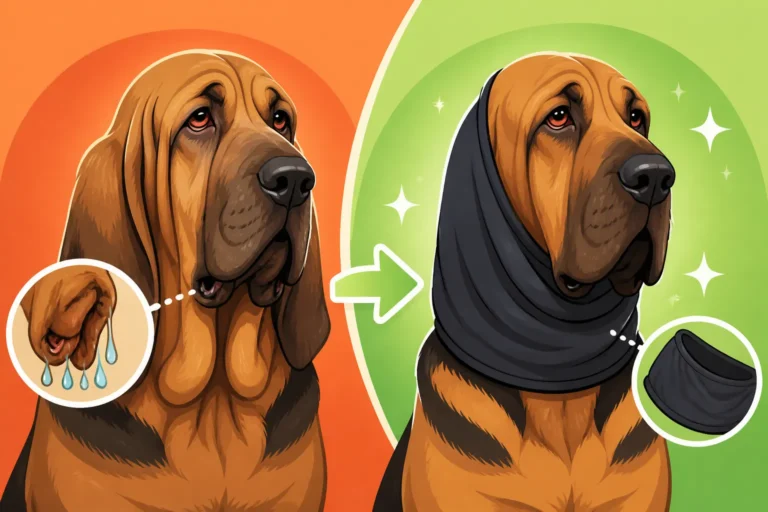
Imagine your Bloodhound taking a big, sloppy drink of water. Their long, pendulous ears often dip right into the bowl, and as they lift their head, that water drips down, collecting in the neck folds. Then there's the famous Bloodhound drool – a generous amount of saliva that can also run down their jowls and into those same neck crevices. Beyond food and water, everyday activities like playing in damp grass, a quick swim, or even just high humidity can introduce moisture. Sweat and natural skin oils also contribute, creating a sticky, damp environment where bacteria and yeast thrive. It's a perfect storm for skin irritation.
The Problem with Trapped Moisture: Skin Fold Dermatitis
When moisture gets trapped in these warm, dark, and poorly ventilated folds, it creates a breeding ground for problems. The skin rubs against itself, causing friction and irritation. This can quickly lead to a condition known as skin fold dermatitis, or intertrigo. This isn't just a minor rash; it can be incredibly uncomfortable, painful, and if left untreated, can become a serious infection.
The skin in these areas becomes inflamed, red, and often develops a pungent, yeasty or bacterial odor. Think about how your own skin feels after being damp for too long, perhaps under a tight bandage – now imagine that feeling in a perpetually damp fold. For a Bloodhound, this discomfort can lead to excessive scratching, rubbing, or even licking at the area, which only makes the problem worse by introducing more bacteria and causing further trauma to the skin. This is a common issue with the breed; you might want to learn more about Skin Fold Dermatitis on a Bloodhound. It's a continuous battle for many owners, but with consistent care, it's a battle you can absolutely win.
Spotting Trouble: Signs of Moisture and Irritation in the Neck Fold
Early detection is key when it comes to managing moisture-related issues in your Bloodhound's neck folds. It's not always obvious, especially with their relaxed demeanor, but there are tell-tale signs that something isn't right. Regular inspection should be part of your routine.
Visual and Olfactory Cues
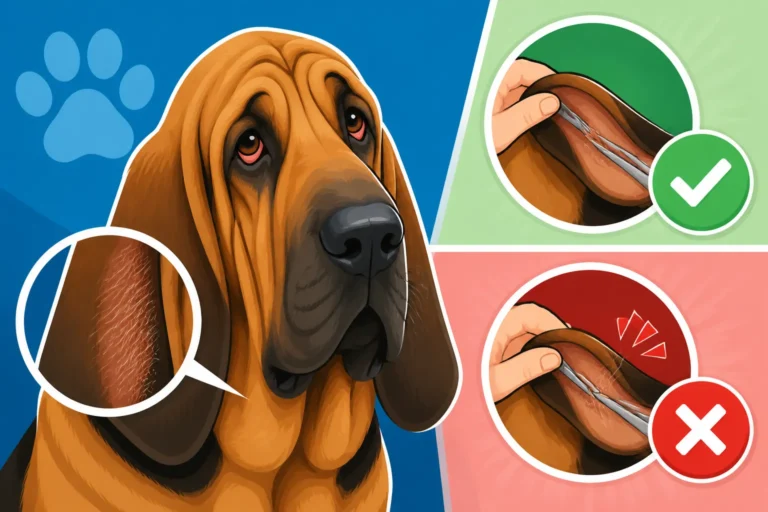
The most straightforward way to detect a problem is by sight and smell. Gently part the skin folds around your Bloodhound's neck. Look for any redness or inflammation. Healthy skin in these areas should be a normal, pale pink. If you see bright red, angry-looking skin, it's a clear sign of irritation. You might also notice hair loss in the affected area, or the skin could appear thickened and leathery over time, a process called lichenification, which is a sign of chronic inflammation.
Beyond visual cues, trust your nose. One of the earliest and most distinct signs of trouble in a Bloodhound's folds is an unpleasant odor. This isn't just their natural "Bloodhound smell" – which, let's be honest, is a thing – but a more distinct, sour, or yeasty scent. It's a strong indication that bacteria or yeast are proliferating in the damp environment. Many owners will tell you that a healthy Bloodhound has a certain scent, but a truly sour smell from the folds is usually a red flag. It's worth considering Whether a Bloodhound Carries an Odor From Its Folds more generally to distinguish normal from concerning smells.
Behavioral Changes Indicating Discomfort
Your Bloodhound might not be able to tell you in words that their neck fold is bothering them, but they'll often show it through their behavior. Pay attention to any new habits or changes in their typical routine. Are they scratching at their neck more frequently than usual? Perhaps they're rubbing their head along furniture or the floor, trying to relieve an itch they can't reach with their paws.
You might also notice them being more reluctant to have their neck or head touched, especially if the area is painful. Some Bloodhounds might even become a bit more withdrawn or lethargic if the irritation is significant. If your normally enthusiastic pup is a little less bouncy, or seems generally uncomfortable, it's worth a thorough check of all their skin folds, especially that deep neck roll. These subtle shifts can be the first clues that something needs your attention.
Your Daily Defense: Essential Neck Roll Care Routines
Preventing skin issues in the neck folds is far easier than treating them. A consistent, proactive approach to hygiene is your best weapon against moisture and subsequent infections. This isn't a chore you can skip, but it doesn't have to be complicated either.
Daily Cleaning and Drying Protocol
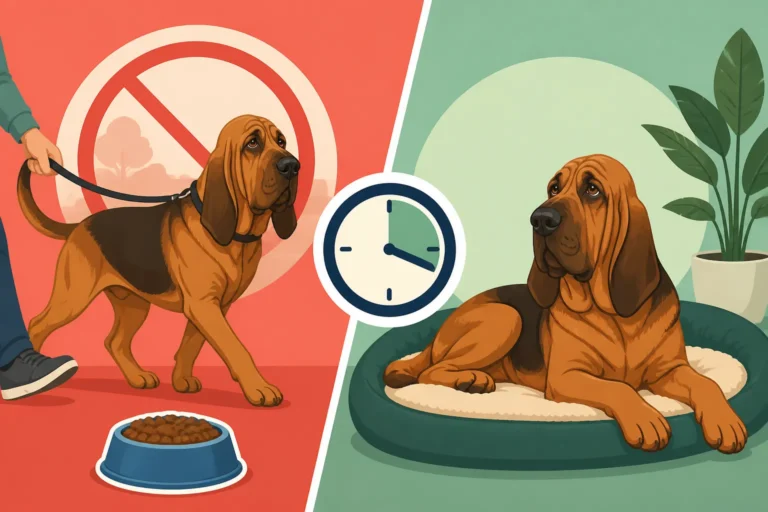
The cornerstone of neck roll care is daily cleaning and, most importantly, thorough drying. After every meal, especially if your Bloodhound is a messy eater or a prodigious drooler, take a few moments to wipe down their neck folds. For this, you'll want to use soft, absorbent cloths or pet-specific wipes. Unscented baby wipes can work in a pinch, but veterinary-formulated wipes designed for skin folds often contain ingredients that help with minor bacterial or yeast overgrowth. You can find these readily available on sites like Chewy or Amazon. Wiping a Bloodhound's Folds Before They Sour is a non-negotiable step.
Here’s the process:
- Gently part the folds: Use your fingers to expose the skin deep within the creases.
- Wipe thoroughly: Use a clean, damp cloth or medicated wipe to remove any food debris, drool, dirt, or excess moisture. Be gentle but firm enough to clean the entire surface.
- Dry completely: This is perhaps the most critical step. Use a separate, clean, and dry cloth – a soft towel or even a paper towel – to absorb every bit of moisture. You might need to hold the folds apart for a minute or two to allow air to circulate and ensure complete dryness. Never leave the folds damp, as that defeats the entire purpose of cleaning! You can learn more about What to Wipe a Bloodhound's Folds With for specific product recommendations and techniques, and whether Drying a Bloodhound's Folds After Wiping is critical (spoiler: it is!).
Choosing the Right Tools and Products
Having the right supplies on hand makes a huge difference. You'll want a stash of soft cloths or dedicated pet wipes. For deeper cleaning or if you notice slight redness, your vet might recommend a gentle antiseptic wash or a chlorhexidine-based wipe or solution. Always follow your vet's advice on medicated products. For drying, simple, soft cotton cloths are excellent, but you can also use paper towels for a single-use option. Many owners swear by keeping a dedicated "Bloodhound towel" in every room where their dog spends time, especially near their feeding station.
Consider your Bloodhound's food and water bowls. Using narrow, deep bowls can help keep their long ears out of the food and water, reducing the amount of moisture that drips down into their neck folds. Some owners even use snoods – fabric tubes that cover the ears – during meal times to keep them clean and dry. These small adjustments to their environment can significantly reduce the amount of daily clean-up required.
Here's a quick comparison of common cleaning agents:
| Cleaning Agent | Pros | Cons | Best For |
|---|---|---|---|
| Warm Water & Cloth | Gentle, readily available, inexpensive | No antiseptic properties, only removes surface dirt/moisture | Daily basic cleanup, light drool/food |
| Unscented Baby Wipes | Convenient, gentle on skin, single-use | No strong antiseptic properties, can leave residue if not dried | Quick daily wipe-downs, mild dirt |
| Chlorhexidine Wipes | Antiseptic, helps control bacteria/yeast, convenient | Can be slightly drying, more expensive, vet-recommended often | Early signs of irritation, regular deeper cleaning |
| Witch Hazel (Diluted) | Natural astringent, mild antiseptic, soothing | Can be drying if not diluted, not for open sores | Mild redness, refreshing between deeper cleans |
| Veterinary Medicated Shampoos/Rinses | Powerful antiseptic/antifungal, therapeutic | Requires bathing, may be too harsh for daily use, prescription-only | Existing infections, severe dermatitis |
Remember, any medicated product should ideally be used under veterinary guidance. While everyday cleaning is essential, if you suspect an infection, always consult your vet.
Beyond Routine Care: When to Call the Vet
While daily preventive care is crucial, there will be times when a neck fold issue escalates beyond what you can manage at home. Knowing when to involve your veterinarian can prevent minor irritations from becoming serious health problems. It's not about panicking, but about being informed and proactive.
Persistent Irritation or Infection
If, despite your diligent daily cleaning, you notice that the redness and irritation in your Bloodhound's neck folds are not improving, or worse, are getting progressively worse, it's time to call the vet. Signs of a true infection often include increased redness, swelling, heat in the area, a stronger foul odor (often described as distinctly cheesy or putrid), and the presence of discharge. This discharge might be cloudy, yellowish, or even bloody, and could indicate a bacterial or yeast infection that requires prescription medication.
An infection can make your Bloodhound quite miserable. They might show more pronounced signs of pain or discomfort, such as yelping when the area is touched, becoming withdrawn, or having a reduced appetite. Don't try to self-diagnose or treat severe infections with over-the-counter remedies, as you could delay appropriate treatment and allow the infection to spread or deepen. It's also vital to rule out any underlying issues. For instance, sometimes allergies can exacerbate skin fold dermatitis, making it harder to clear up without addressing the root cause. This is especially true if you suspect Whether Allergies Make a Bloodhound's Folds Worse.
When Surgery Might Be Considered (and Why)
In rare and severe cases of chronic, recurring skin fold dermatitis in the neck area, your veterinarian might discuss surgical options. This is typically only considered when all other medical management strategies have failed, and the Bloodhound is suffering from persistent pain and infection. The procedure is called a "fold resection" or "dermatoplasty," where the problematic skin fold tissue is surgically removed. The goal is to eliminate the deep, moisture-trapping crevice and create a flatter, more aerated surface that is easier to keep clean and dry.
This is a significant decision and not one to be taken lightly. It involves anesthesia, recovery time, and potential risks, just like any surgery. However, for a Bloodhound suffering from debilitating, recurrent infections that significantly impact their quality of life, it can be a life-changing solution. Your vet will conduct a thorough examination and discuss all conservative management options before ever suggesting surgery. They will also talk about the post-operative care and how it can vastly improve your Bloodhound's comfort and reduce the need for constant medication. The vast majority of Bloodhound neck fold issues can be managed with consistent daily care, but it’s good to know all the options if your loyal companion is truly struggling.
Taking care of a Bloodhound means embracing all their unique characteristics, and those wonderful neck rolls are definitely one of them. While they certainly can trap moisture and cause issues, a little bit of daily attention goes a long way in keeping your Bloodhound healthy, happy, and smelling (mostly) like a dog, not a damp rag. Staying consistent with cleaning, drying, and regular inspections will ensure those noble folds remain a point of pride, not a source of pain. Remember that Everything on a Bloodhound Hangs Down and Has to Be Cleaned, so this attention is just part of being a Bloodhound parent!
Disclaimer
This article is for general informational purposes only and does not constitute professional advice. Laws, prices and regulations vary by location and change over time. Consult a qualified professional for guidance on your specific situation.