Whether a Bloodhound’s Face Wrinkles Need Daily Wiping
Oh, those soulful eyes and magnificent wrinkles! As a Bloodhound parent, you know that those gorgeous, saggy folds are a huge part of their charm. But let's be real: they're also a magnet for dirt, drool, and all sorts of gunk, leading to that all-too-familiar sour smell and sometimes even nasty infections. The question isn't if you need to clean them, but how often and how to do it effectively to keep your hound happy and healthy. This comprehensive guide will walk you through the undeniable truth: your Bloodhound's face wrinkles absolutely need regular, often daily, attention to prevent discomfort and serious health issues.
The Unique Anatomy That Makes Bloodhound Folds a Challenge
Let's face it, a Bloodhound's face is a marvel of scent-gathering engineering, but it's also a design that inherently collects all sorts of things you'd rather not have lingering. Those deep, loose folds and heavy flews (the hanging upper lips) are designed to cup and funnel scent molecules towards their incredible nose, but they're not quite as good at repelling debris or staying dry. This unique anatomy, while integral to their trailing prowess, creates a significant responsibility for us, their human companions.
The Traps of Drool, Food, and Debris
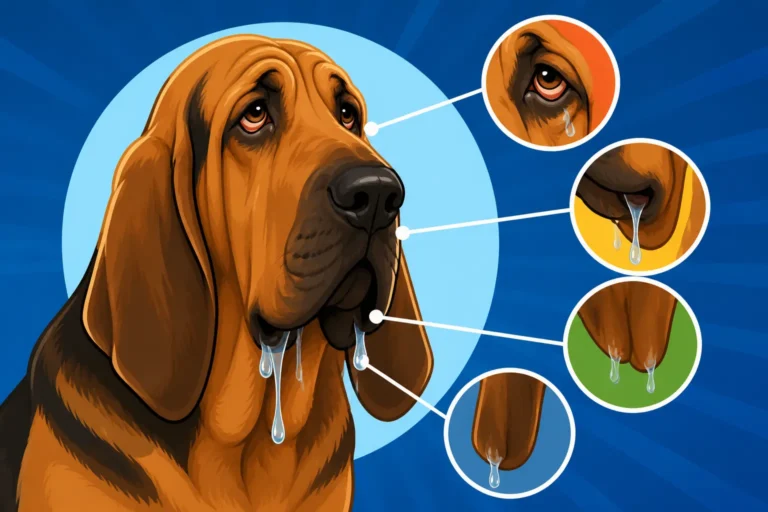
Anyone who has shared their home with a Bloodhound knows that drool is a way of life. It's not just a little slobber; it's often a torrent, especially after a drink or when they're particularly excited. This drool collects in the deep crevices of their facial wrinkles, creating a constantly damp environment. Add to that the inevitable bits of food that get tucked away after meals – kibble crumbs, sticky remnants of a chew, or even just general dust and dirt from sniffing around the house or yard. These wrinkles are like tiny, warm, moist pockets, perfectly designed for trapping anything and everything. If you've ever wondered why your Bloodhound might start to develop an odd smell, it's often these hidden treasures contributing to the problem.
Imagine trying to keep a perfectly clean crease in fabric that’s constantly being rubbed, wetted, and then left to dry. It's a losing battle without intervention. For a Bloodhound, these folds are not just static; they move as the dog eats, drinks, and explores, pushing debris deeper and creating friction that can further irritate the skin beneath.
How Moisture Becomes a Breeding Ground
Beyond the immediate dirt and food, the constant moisture trapped within these folds is the real culprit behind many Bloodhound skin issues. Even if your hound is meticulously clean, simple hydration from drinking water can keep these areas damp. Humidity in the air, or even just the dog's own body heat and natural skin oils, contribute to a microclimate that is far from dry.
This dampness is a paradise for opportunistic bacteria and yeasts, which are naturally present on dog skin but can overgrow when conditions are right. These microorganisms thrive in warm, moist, dark environments – exactly what a Bloodhound's deep facial folds provide. This is why you might notice a reddish-brown staining in their folds, or a distinct, sometimes cheesy, odor. It's a clear sign that something is brewing, and it’s often a precursor to more significant skin problems if left unchecked. You might find yourself checking its folds (Where a Bloodhound's Skin Folds Sit) and noticing these changes.
The Importance of Consistent Wrinkle Care
Ignoring your Bloodhound's facial wrinkles isn't really an option for responsible ownership. It's not just about aesthetics or a little bit of smell; it's about their comfort, health, and preventing painful conditions that can quickly escalate. This daily chore, though it might seem tiresome, is truly preventative medicine in action.
Preventing Skin Fold Dermatitis
The most common and painful consequence of neglected wrinkles is a condition known as skin fold dermatitis, or intertrigo. This isn't just a rash; it's a deep inflammation of the skin where two skin surfaces rub together, often exacerbated by moisture, friction, and microbial overgrowth. It manifests as redness, irritation, itching, and often a foul odor. In severe cases, the skin can become ulcerated, oozy, and incredibly painful for your dog. Imagine having a persistent, chafed wound on your face that constantly gets wet and dirty – that's what your Bloodhound could be experiencing.
Preventing Skin Fold Dermatitis on a Bloodhound is paramount to their quality of life. Regular cleaning removes the irritants, reduces the microbial load, and allows the skin to breathe and stay drier. It’s a proactive step that can save your Bloodhound from significant discomfort and you from costly vet visits and treatments. Without this care, these infections can become chronic, impacting their overall well-being and happiness.
Controlling That Distinct Bloodhound Odor
Let's be honest, Bloodhounds have a certain eau de hound. Part of it is their natural scent, but a significant portion of that sometimes pungent, "doggy" smell often comes directly from neglected folds. The bacterial and yeast overgrowth in damp, dirty wrinkles produces volatile compounds that contribute heavily to this distinctive aroma. If you've ever thought, "My Bloodhound smells even after a bath," the face folds are a prime suspect.
Daily wiping helps to manage this odor by removing the accumulated gunk and reducing the population of odor-producing microorganisms. While you'll never completely eliminate the Bloodhound scent (it's part of their charm, right?), you can certainly make them a much more pleasant companion to snuggle up with on the couch. Regularly addressing these areas is crucial for controlling Whether a Bloodhound Carries an Odor From Its Folds.
Early Detection of Potential Issues
Beyond preventing overt infections, the act of daily wiping gives you an invaluable opportunity to intimately inspect your Bloodhound's face. You become the first line of defense, noticing subtle changes before they become major problems. Are the folds redder than usual? Is there excessive discharge? Has a new bump or lesion appeared? Is the skin abnormally greasy or flaky?
Catching these signs early means you can intervene quickly. Sometimes it's as simple as increasing the cleaning frequency or applying a vet-recommended topical wipe. Other times, it might prompt a call to your veterinarian before a minor irritation blossoms into a full-blown infection requiring antibiotics. This proactive approach saves your dog pain and potentially extensive medical intervention. Early detection is key, especially since Signs a Bloodhound's Fold Has Become Infected can sometimes be subtle initially.
How to Effectively Clean Your Bloodhound's Face Folds
Alright, so we've established that daily (or at least very frequent) cleaning is a must. Now, let's talk about how to actually get it done without turning it into a wrestling match. Consistency and a gentle approach are your best friends here, along with the right tools.
Gathering Your Supplies
Before you even touch your Bloodhound's adorable face, have everything ready. This makes the process smoother and faster, which is always a bonus when dealing with a large, sometimes opinionated, hound.
You'll need:
- Specialized Pet Wipes: Not baby wipes! Look for wipes specifically formulated for pet skin folds. These often contain ingredients like chlorhexidine or ketoconazole, which are antiseptic and antifungal, helping to control bacterial and yeast growth without being harsh. Many owners find these easily on sites like Chewy or Amazon. Make sure they are alcohol-free and fragrance-free to avoid irritation.
- Soft Cloths or Cotton Balls: For more sensitive areas, or if you prefer to use a liquid cleanser with water.
- Mild Pet-Safe Cleanser (Optional): If you're not using pre-moistened wipes, your vet might recommend a gentle antiseptic wash. Diluted chlorhexidine solution is a common choice, but always check with your vet first for proper dilution and application.
- Soft, Absorbent Towel: Crucial for drying!
- Treats: A high-value reward for cooperation, because positive reinforcement is always the way to go with Bloodhounds.
The Wiping Technique: Gentle and Thorough
This isn't a race; it's a careful cleansing. Your goal is to get into every crease and fold, not just wipe the surface.
- Get Your Hound Comfortable: Choose a time when your Bloodhound is relaxed. Gently guide them to a comfortable spot. Many Bloodhounds are happiest if they get a treat just for sitting nicely at the start.
- Lift and Expose: Carefully lift the folds, especially around their jowls and the deeper wrinkles on their forehead and below their eyes. These areas are notorious for trapping moisture and debris. Remember that A Bloodhound's Ears Are a Standing Infection Risk, and their face wrinkles are no different in their need for attentive care.
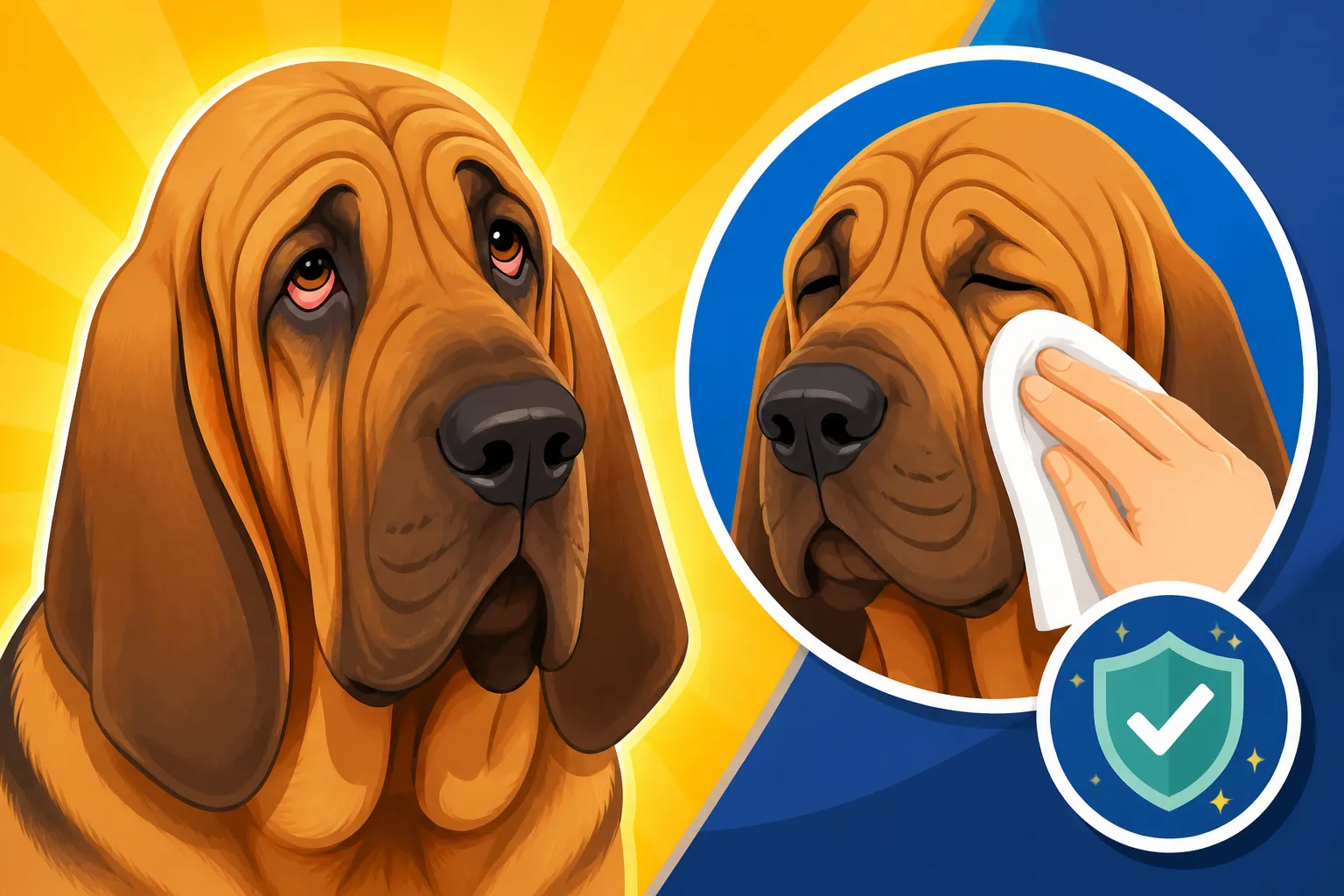
- Wipe Thoroughly: Take your pet wipe or moistened cloth and gently wipe along the exposed skin within each fold. Don't just dab; gently scrub to remove all visible dirt, drool, and debris. You'll likely be surprised by how much comes off, even if they looked clean from a distance. Pay special attention to Whether a Bloodhound's Lip Fold Is the Worst One, as this area is constantly wet and exposed to food.
- Repeat as Needed: If the first wipe comes away very dirty, use a fresh one and repeat until the cloth comes away clean.
- Be Observant: As you wipe, feel the skin. Is it warm? Red? Does it have a strong, unpleasant odor? Note any changes or areas of tenderness.
Drying is Crucial: Don't Skip This Step!
This is perhaps the most important, and often overlooked, step in wrinkle care. After cleaning, the skin in the folds must be completely dry. Leaving moisture behind, even from your cleaning solution, defeats the purpose and can actually worsen the problem by encouraging microbial growth.
Use your soft, absorbent towel to gently pat each fold completely dry. You can even use a cool, low setting on a hairdryer if your Bloodhound tolerates it, but be very careful not to overheat or frighten them. For particularly deep folds, some owners will gently use a cotton ball or tissue to get into those tight spots to ensure thorough drying. This step is non-negotiable for preventing issues like What Fold Dermatitis Does to a Bloodhound.
Consistency is Key: Establishing a Routine
For many Bloodhounds, especially those with very prominent wrinkles, daily wiping is genuinely necessary. For others, every other day might suffice, but it's rarely a "once a week" task. The key is to establish a routine and stick to it. Make it a positive experience with treats and praise, and your Bloodhound will come to tolerate, if not enjoy, their "spa time."
A consistent routine helps keep the microbial populations in check, prevents buildup, and ensures that you're regularly monitoring their skin health. Think of it like brushing your own teeth – it's something you do regularly to prevent bigger problems down the line. Setting a daily time, perhaps after their evening meal or walk, can help solidify the habit.
Beyond Daily Wiping: When to Seek Veterinary Help
Even with the most diligent daily care, Bloodhounds can sometimes develop skin issues in their folds. It's important to recognize when a problem is beyond your home care capabilities and requires professional veterinary intervention.
Recognizing Signs of Infection
You're inspecting those folds daily, so you're already ahead of the game! But what exactly are you looking for as red flags?
Keep an eye out for:
- Increased Redness and Inflammation: Beyond a slight pinkness, if the skin is angry red or swollen.
- Strong, Foul Odor: A very pungent, cheesy, or yeasty smell that persists even after cleaning. This is often an indicator of significant bacterial or yeast overgrowth.
- Discharge: Any yellow, green, or thick white discharge is a definite sign of infection. Sometimes it can look like Signs a Bloodhound's Ear Is Infected, but in their facial folds instead.
- Pain or Sensitivity: Your Bloodhound flinches, pulls away, or shows signs of discomfort when you touch the area. They might also rub their face more often.
- Hair Loss or Crusty Skin: These can indicate chronic irritation or a more advanced infection.
- Ulcerations or Sores: Open wounds or raw spots are a serious concern and need immediate veterinary attention.
If you observe any of these symptoms, don't wait. Early intervention can prevent the infection from spreading or becoming harder to treat.
When to Visit the Vet
It's a judgment call for many pet parents, but generally, if you've been diligently cleaning for a few days and the problem isn't improving, or if it seems to be worsening, it's time for a vet visit. This is especially true if you see any of the more severe signs like open sores or significant pain.
Your veterinarian will be able to properly diagnose the type of infection (bacterial, yeast, or both) and prescribe appropriate medication. This might include oral antibiotics or antifungals, stronger medicated wipes, or topical creams. They can also rule out other underlying causes, such as allergies, which can sometimes exacerbate skin fold dermatitis. Don't be shy about seeking help; your vet understands that Whether a Bloodhound's Fold Infection Needs Antibiotics is sometimes necessary.
Preventative Measures and Long-Term Care
While daily wiping is your primary defense, there are other aspects of care that can support healthy skin in your Bloodhound's folds:
- Diet: A high-quality diet, perhaps from companies like Ollie known for fresh ingredients, can contribute to overall skin health and a strong immune system. While diet won't magically eliminate the need for wrinkle care, good nutrition helps skin cells regenerate and function optimally.
- Allergy Management: If your Bloodhound suffers from environmental or food allergies, these can make skin fold dermatitis worse. Managing their allergies, perhaps with vet-prescribed medication or a hypoallergenic diet, can significantly reduce inflammation and improve skin health in their folds. This can often alleviate Whether Allergies Make a Bloodhound's Folds Worse.
- Regular Vet Check-ups: Routine veterinary visits allow your vet to assess your Bloodhound's overall health, including their skin, and address any concerns proactively.
- Environmental Control: Keeping your home's humidity at a reasonable level can help. Also, minimizing exposure to excessive dust or irritants, especially if your dog tends to stick their face into everything (which, let's be honest, they do!). You might find it useful to regularly check Whether a Bloodhound's Folds Get Worse in Summer due to humidity.
- Snoods and Specialized Bowls: For particularly wet eaters or droolers, a snood (a fabric tube that covers their ears and sometimes their jowls while eating) can help keep their face and ears drier during meal times. Specialized deep, narrow bowls can also keep those long ears and jowls out of their food and water. These tools can reduce how much excess moisture and food bits end up trapped in the folds. What a Snood Does for a Bloodhound is not just about keeping ears clean, but can help with facial cleanliness too.
Taking care of your Bloodhound's magnificent face folds is an ongoing commitment, but it's one that directly impacts their health, comfort, and happiness. By understanding their unique anatomy, being diligent with your daily cleaning routine, and knowing when to seek professional help, you can ensure those expressive wrinkles remain a source of joy, not discomfort, for your beloved hound.
| Aspect of Wrinkle Care | Recommendation | Reasoning |
|---|---|---|
| Cleaning Frequency | Daily for most, every other day at minimum. | Prevents buildup of drool, food, and microbial overgrowth. |
| Cleaning Products | Pet-specific antiseptic wipes (e.g., chlorhexidine). | Designed for dog skin, combats bacteria/yeast, less irritating than human wipes. |
| Drying | Absolutely essential after every cleaning. | Moisture encourages yeast and bacterial growth, leading to infection. |
| Tools | Soft wipes/cloths, absorbent towel, treats. | Gentle on skin, effective removal, positive reinforcement for cooperation. |
| Observation | Look for redness, odor, discharge, tenderness. | Early detection of issues prevents escalation and serious pain. |
| Vet Consultation | For persistent issues, pain, open sores, or severe odor. | Professional diagnosis and treatment for infections or underlying conditions. |
Disclaimer
This article is for general informational purposes only and does not constitute professional advice. Laws, prices and regulations vary by location and change over time. Consult a qualified professional for guidance on your specific situation.