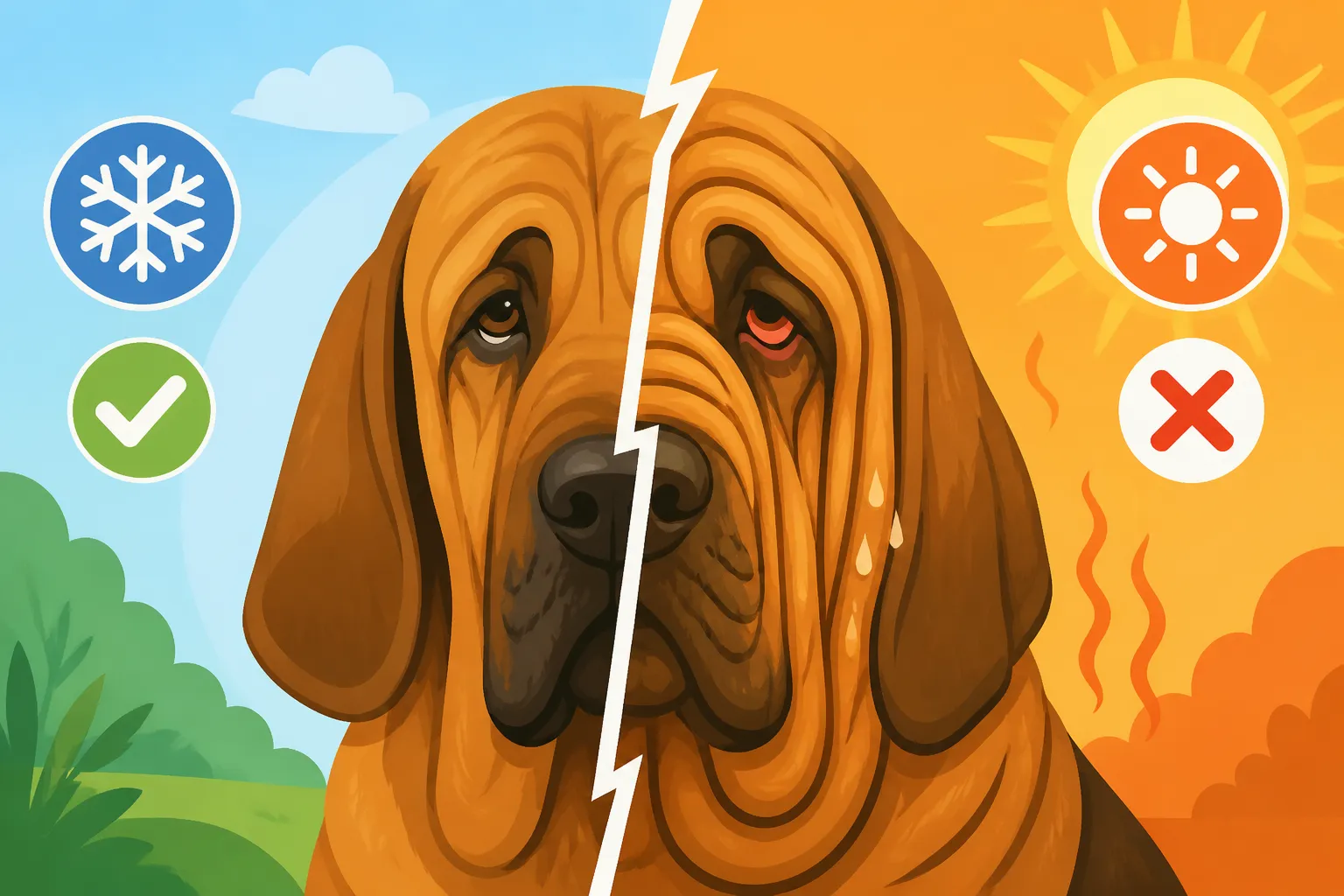
Whether a Bloodhound’s Folds Get Worse in Summer
It's a frustrating reality for many Bloodhound owners: those gorgeous, saggy folds that give our hounds their classic look can become a source of misery, especially when the mercury starts to rise. You might find yourself wondering if the summer months are specifically designed to wreak havoc on your Bloodhound's skin, leading to more redness, more itching, and that all-too-familiar "yeasty" smell. This guide will dive deep into why summer often exacerbates skin fold issues for Bloodhounds and, more importantly, what you can do to keep your furry friend comfortable and healthy, even on the hottest days.
The Unavoidable Truth: Why Bloodhound Folds Struggle in Summer
Let's face it, Bloodhounds are not built for tropical climates. Their magnificent, loose skin, so crucial for scent trapping, creates an intricate landscape of folds and wrinkles. While these folds are a hallmark of the breed, they are also perfect incubators for moisture, heat, and all sorts of microscopic life that thrive in warm, damp environments. When summer hits, these challenges are magnified exponentially, turning what might be a minor maintenance task into a daily battle against irritation and infection. It's not just your imagination; those folds absolutely can get worse in summer.
Heat and Humidity: A Recipe for Trouble
Imagine wearing a heavy, wool sweater in July, then adding multiple layers of damp cloth underneath. That's a bit like what your Bloodhound's skin folds experience in the summer heat and humidity. The wrinkles and folds, particularly around the face, neck, and jowls, become miniature greenhouses. Air circulation is severely restricted, and the constant warmth prevents natural evaporation.
This trapped moisture, combined with the body heat your Bloodhound naturally generates, creates an ideal breeding ground for bacteria and yeast. These opportunistic organisms are always present on the skin, but when conditions become favorable—warm, dark, and damp—they proliferate rapidly, leading to inflammation and infection. It’s a vicious cycle: the skin gets irritated, produces more moisture and oils, which then fuels further growth of these microbes.
Increased Activity and Moisture Trapping
Summer often means more outdoor time, right? Longer walks, trips to the park, maybe even a dip in a kiddie pool to cool off. While exercise is vital for a Bloodhound, increased activity means more sweat and slobber. Your Bloodhound's jowls and dewlap, already prone to moisture, will collect even more saliva during panting or after a drink of water. This slobber, when trapped within the folds, breaks down and becomes an irritant.
Think about a long trail session in the heat. As your Bloodhound pushes through brush or wades through dew-laden grass, those long, magnificent ears and the loose skin on their body pick up every bit of moisture and debris. This isn't just external dampness; it's also about friction. When skin rubs against skin in a moist environment, it breaks down the natural protective barrier, making it easier for infections to take hold. This is a common precursor to Skin Fold Dermatitis on a Bloodhound, a frustrating condition many owners grapple with.
The Role of Allergens and Irritants
Summer isn't just about heat; it's also prime time for environmental allergens like pollen, grass, and insect bites. For Bloodhounds with underlying sensitivities, these external irritants can trigger allergic reactions that manifest as skin inflammation, often worsening existing fold issues. An itchy, irritated dog will rub, scratch, and lick at affected areas, further damaging the skin barrier and introducing more bacteria.
Even seemingly innocuous things like certain shampoos, cleaning wipes, or even residual food particles can become major irritants when trapped in the folds. For instance, if you're using a new flea and tick preventative that runs down into the neck folds, it could cause localized irritation. The goal is always to reduce the inflammatory load on the skin, and in summer, that means being extra vigilant about potential irritants both internal and external. Owners who wonder Whether Allergies Make a Bloodhound's Folds Worse will find that summer is often the biggest test.
Spotting the Red Flags: Signs of Summer Fold Trouble
Knowing why their folds get worse in summer is one thing, but as a Bloodhound owner, you need to be eagle-eyed for the earliest signs of trouble. These dogs are stoic, and by the time they're showing obvious discomfort, the issue might be well advanced. Regular checks are your first line of defense, but also paying attention to subtle cues can make all the difference in preventing a minor irritation from escalating into a full-blown infection.
Redness, Rashes, and Rawness
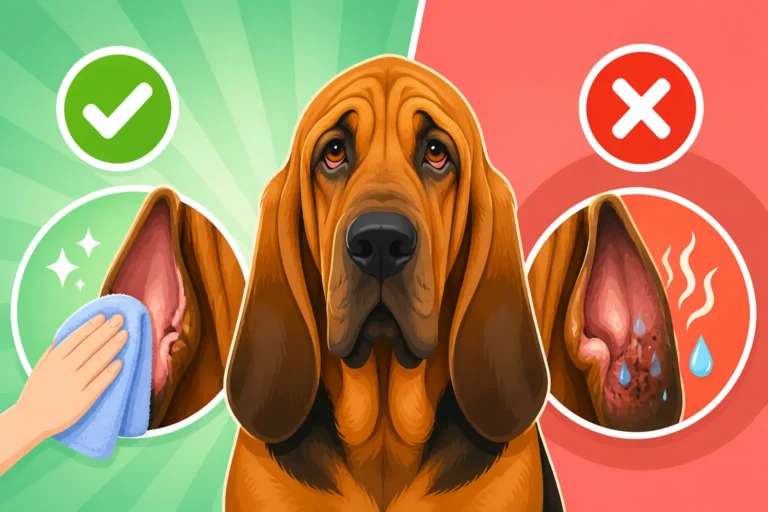
The most common visual signs of fold problems are redness and inflammation. Gently part your Bloodhound's folds – particularly around the lips, jowls, neck, and sometimes even tail base – and look for skin that appears pinker or redder than usual. Early stages might just be a subtle flush, but if left unaddressed, this can progress to an angry, bright red rash.
You might also notice small bumps, pustules, or scabbing, indicating a bacterial infection. The skin can become thickened and leathery over time, a process called lichenification, often accompanied by dark pigmentation. In severe cases, the skin can even become raw, weeping, or ulcerated. This is incredibly painful for your dog and can be seen when you're diligently carrying out the routine for Wiping a Bloodhound's Folds Before They Sour. If you spot any of these severe signs, don't wait; it's time for a vet visit.
That Unmistakable "Sour" Odor
If you own a Bloodhound, you're probably intimately familiar with their unique scent profile. But there's a particular odor that signals trouble in the folds: a distinct sour, yeasty, or even rotten smell. This isn't just "dog smell"; it's a pungent, unpleasant aroma that indicates an overgrowth of bacteria or yeast, often Malassezia, which thrives in damp skin environments.
This odor is often most pronounced around the facial folds (lip folds are especially notorious) and sometimes under the dewlap. It's a key indicator that moisture and microbes are winning the battle. You might notice it when your Bloodhound leans in for a cuddle, or even just when they walk by. When an owner asks Whether a Bloodhound's Fold Smell Means Infection, the answer is almost always yes, or at least a severe irritation that will lead to infection if unchecked. Regularly sniffing your Bloodhound's usual hot spots can give you an early warning.
Behavioral Cues Your Bloodhound Might Be Uncomfortable
Beyond visual and olfactory cues, your Bloodhound's behavior can tell you a lot. An otherwise calm dog might start rubbing their face against furniture, pawing at their jowls, or shaking their head excessively. They might become restless or agitated, especially when trying to sleep, as the irritation can be constant and nagging.
Some Bloodhounds will lick at their paws or other body parts more frequently, a sign that they're trying to relieve generalized itchiness, which can include the folds. You might even notice them being unusually sensitive when you try to touch or clean their affected areas. While Signs a Bloodhound's Fold Has Become Infected are often physical, a change in disposition or an increased aversion to touch around the problem areas should definitely raise a red flag. These subtle shifts in behavior are your Bloodhound's way of telling you something isn't right, even if the physical signs aren't yet glaringly obvious.
Proactive Care: Keeping Bloodhound Folds Healthy All Summer Long
Alright, so we know summer can be a minefield for Bloodhound folds. But the good news is, with consistent, proactive care, you can significantly reduce the risk of discomfort and infection. It all comes down to diligence and understanding the unique needs of your floppy-eared, loose-skinned companion. This isn't just about reacting to problems; it's about building a routine that prevents them from taking root in the first place.
Daily Cleaning and Drying Routines
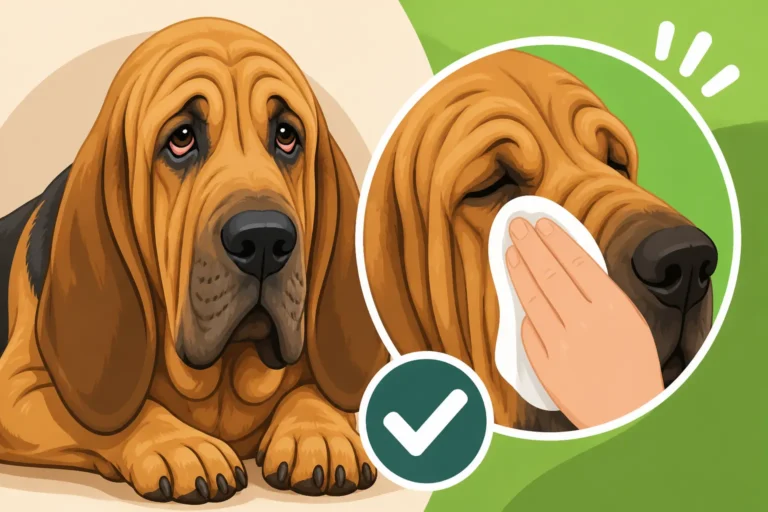
This is arguably the most crucial step in summer fold care. Those deep wrinkles need to be cleaned and, more importantly, dried daily. Aim for at least once a day, perhaps twice if your Bloodhound is particularly prone to issues or if the humidity is sky-high. Start with a gentle, pet-safe wipe that contains antiseptic or antifungal agents. Many brands offer specialized wipes for skin folds, and you can often find good options on Chewy or Amazon.
When cleaning, gently part each fold and wipe away any accumulated moisture, debris, or food particles. Be thorough but gentle, ensuring you reach the bottom of the deepest creases. After cleaning, the drying step is non-negotiable. Use a soft, clean cloth or even a cotton pad to blot the area completely dry. Whether a Bloodhound's Folds Should Be Dried After Wiping isn't a suggestion; it's essential. Leaving any moisture behind, even a tiny bit, will undermine all your hard work and invite bacterial or yeast overgrowth. Some owners even use a small amount of cornstarch or medicated powder (vet-approved, of course) in deeply recessed folds, but always ensure the area is perfectly dry before applying.
Strategic Grooming and Skin Protection
Beyond daily cleaning, there are other grooming tactics that can help. While you can't exactly "trim" a Bloodhound's folds away, you can ensure the fur within and around the folds is kept short and tidy. This helps with air circulation and makes cleaning easier. If your Bloodhound has particularly long hair around their jowls or dewlap, a professional groomer can carefully trim it back.
For dogs with recurring issues, consider using a snood or specialized bowl during meal times. A snood, which is essentially a fabric tube, keeps those long ears and jowls out of the food and water bowl, significantly reducing the amount of moisture and food debris that gets trapped in the folds. You can find a wide variety of snoods designed for long-eared breeds on Amazon. This simple trick can be a game-changer for maintaining cleanliness around the mouth. Also, ensure your dog always has access to shade and cool spots to prevent overheating, which can contribute to overall skin irritation.
Dietary Considerations for Skin Health
Believe it or not, what goes into your Bloodhound's bowl can have a big impact on their skin health. A balanced diet supports a strong immune system and healthy skin barrier, making your dog less susceptible to infections. Look for high-quality dog foods with easily digestible ingredients and good sources of omega-3 and omega-6 fatty acids, which are crucial for skin and coat health. Sometimes, a diet high in certain carbohydrates can feed yeast overgrowth, so discuss this with your vet if you're struggling with chronic yeast infections.
Supplements like fish oil, readily available from retailers like Chewy, can be immensely beneficial for reducing inflammation and promoting a healthy skin barrier. Probiotics can also help maintain a healthy gut microbiome, which in turn supports overall immune function and can positively impact skin health. Brands like Ollie often emphasize fresh, whole ingredients that are easier on a dog's system. While diet won't solve a severe fold infection, it's a vital component of holistic skin health, especially when considering Whether a Bloodhound Needs Fish Oil.
Here’s a quick overview of summer fold care practices:
| Care Aspect | Summer Frequency | Key Actions | Products to Consider |
|---|---|---|---|
| Cleaning Folds | Daily (1-2x) | Gently wipe inside each fold; remove debris & moisture. | Medicated antiseptic wipes, gentle pet cleanser, cotton pads. |
| Drying Folds | After cleaning | Blot thoroughly dry with a soft cloth; ensure no dampness remains. | Soft, absorbent cloths; vet-approved drying powder (optional). |
| Ear & Jowl Hygiene | Daily | Use a snood during meals; wipe jowls after drinking. | Snoods (found on Amazon), dedicated drool rags. |
| Diet Support | Ongoing | High-quality food; consider omega-3 supplements. | High-quality kibble, fresh food (e.g., Ollie), fish oil supplements (Chewy). |
| Allergen Management | As needed | Monitor for outdoor irritants; rinse paws/body after walks. | Hypoallergenic shampoos, paw wipes. |
| Veterinary Checks | Annually/As needed | Regular check-ups; immediate visit for persistent issues or infection. | N/A |
When to Call the Vet: Escalating Fold Issues
Even with the most diligent care, sometimes a Bloodhound's folds can get the better of us. It's important to recognize when the problem has moved beyond home care and requires professional veterinary intervention. Ignoring persistent or worsening fold issues can lead to deeper infections, increased pain for your dog, and more complicated (and expensive) treatment down the line. Don't feel like you've failed if you need to call the vet; you're doing right by your dog by seeking help.
Persistent Redness or Discharge
If you've been consistent with your daily cleaning and drying routine for several days, but the redness, inflammation, or irritation in your Bloodhound's folds isn't improving – or worse, is getting more severe – it's definitely time to consult your veterinarian. Persistent redness often indicates a deeper inflammatory process that over-the-counter wipes might not be able to address alone.
Furthermore, any sign of discharge beyond simple dampness is a red flag. Look for pus, thick yellowish or greenish fluid, or excessive watery discharge. This is a clear indicator of a bacterial infection that likely requires prescription antibiotics, either topical or oral. A vet will be able to swab the affected area, perform a cytology (microscopic examination of cells), and determine the exact type of bacteria or yeast involved, allowing them to prescribe the most effective treatment. Remember, What Fold Dermatitis Does to a Bloodhound can be severe without proper intervention.
Deep-Seated Infections and Abscesses
Sometimes, an infection in the folds can become quite severe and deep-seated. You might notice swelling, firm lumps, or areas that are extremely painful to the touch. In some cases, an abscess can form, which is a pocket of pus under the skin. These are serious and require immediate veterinary attention, often involving drainage and a course of potent antibiotics. Your vet might also recommend a medicated shampoo or rinse to complement oral medications.
The longer these issues are left untreated, the more pain your Bloodhound will experience, and the more challenging the treatment becomes. Chronic infections can lead to scarring, permanent skin changes, and a reduced quality of life for your beloved hound. Your veterinarian might also want to explore underlying causes, such as allergies, which might be contributing to the recurring fold issues. They might suggest further diagnostics or refer you to a veterinary dermatologist if the problem is particularly stubborn. Catching these issues early is always best, but don't hesitate to seek professional help no matter the stage of the problem.
Disclaimer
This article is for general informational purposes only and does not constitute professional advice. Laws, prices and regulations vary by location and change over time. Consult a qualified professional for guidance on your specific situation.