Whether a Bloodhound’s Folds Should Be Dried After Wiping
As a Bloodhound parent, you know the daily struggle: those magnificent, loose folds of skin that give our hounds their noble, soulful appearance are also notorious moisture traps. It’s an ongoing battle to keep them clean, and often, after wiping away the day's grime, we wonder if we've done enough. This guide will walk you through why simply wiping isn't always enough and why thoroughly drying your Bloodhound's folds is absolutely essential for their health and comfort.
The Unique Challenges of Bloodhound Skin Folds
Owning a Bloodhound means appreciating every inch of their distinctive anatomy, from those long, velvety ears to the deep, expressive wrinkles on their faces. But with this unique structure comes a very specific set of care challenges, especially concerning their skin folds.
Why Folds Trap Moisture
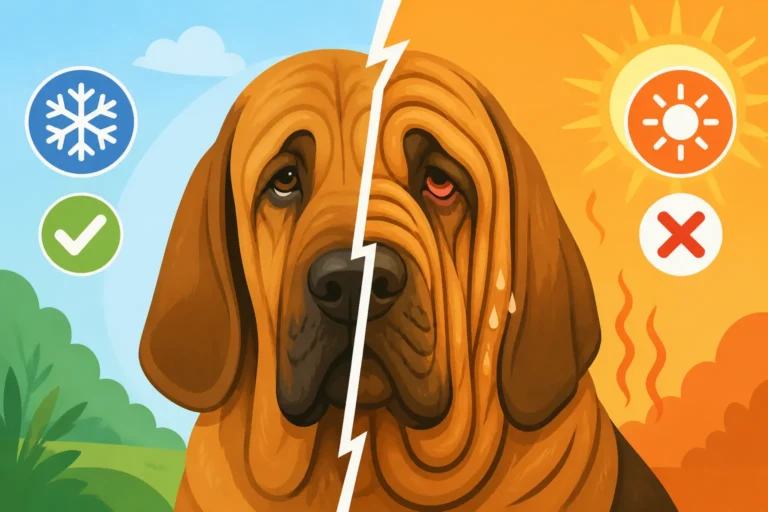
Bloodhounds are built to track, and their loose skin and heavy dewlaps are part of that incredible design, helping to gather scent. However, these same features create natural pockets and crevices. Think about the deep folds around their muzzle, the extensive dewlap that hangs beneath their neck, and even the rolls of skin on their forehead. These areas, by their very nature, are designed to hold things – and unfortunately, moisture is one of them.
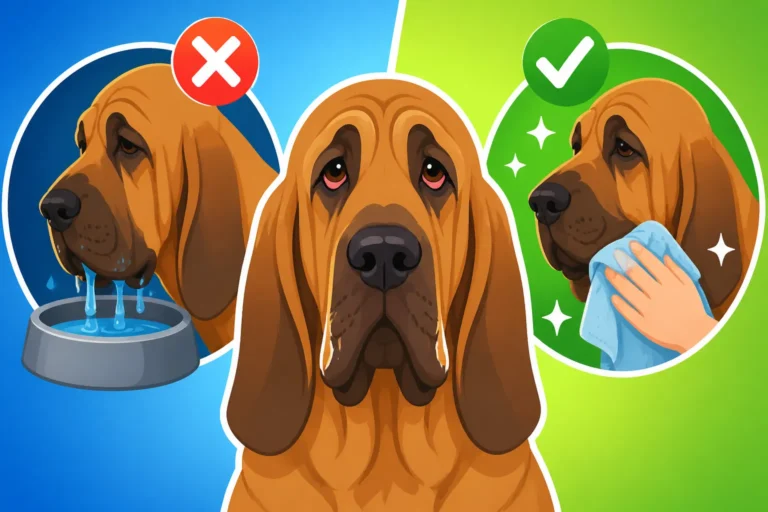
Every time your Bloodhound drinks, water inevitably drips and settles into those lower lip and jowl folds. When they eat, bits of food, slobber, and water mix, creating a damp, organic soup that quickly finds its way into the deepest creases. Even simply sniffing the ground, which our Bloodhounds do constantly and with unparalleled dedication, means their facial folds are sweeping up dampness, dew, or anything else from their environment. This constant exposure to moisture, combined with the warmth of their body, creates a perfect little greenhouse environment – ideal conditions for all sorts of unwanted microorganisms to thrive.
The Risks of Undried Folds
Leaving these folds damp after wiping, or simply allowing them to remain wet from daily activities, is like sending an open invitation to skin problems. The warmth and moisture create a breeding ground for bacteria and yeast, leading to what veterinarians often call "skin fold dermatitis." This isn't just a minor rash; it can be incredibly uncomfortable, painful, and persistent for your dog.
We're talking about angry red skin, often accompanied by a foul odor that seems to linger no matter how much you wipe. You might notice itching, which leads to your Bloodhound rubbing their face on furniture or frantically scratching at their neck, only exacerbating the irritation. In severe cases, these infections can cause hair loss, crusting, and even open sores that require significant veterinary intervention, including medicated shampoos, creams, and sometimes even oral antibiotics or antifungals. It's a vicious cycle that starts with a little bit of dampness, and it's one we want to avoid at all costs. For more information on what these issues look like, check out our article on Skin Fold Dermatitis on a Bloodhound.
The Importance of Drying After Wiping
It's easy to think that a good wipe is enough, especially when your Bloodhound gives you that mournful, "Are we done yet?" look. But trust me, taking that extra step to dry is a game-changer for their comfort and health.
Beyond Just Wiping Away Visible Dirt
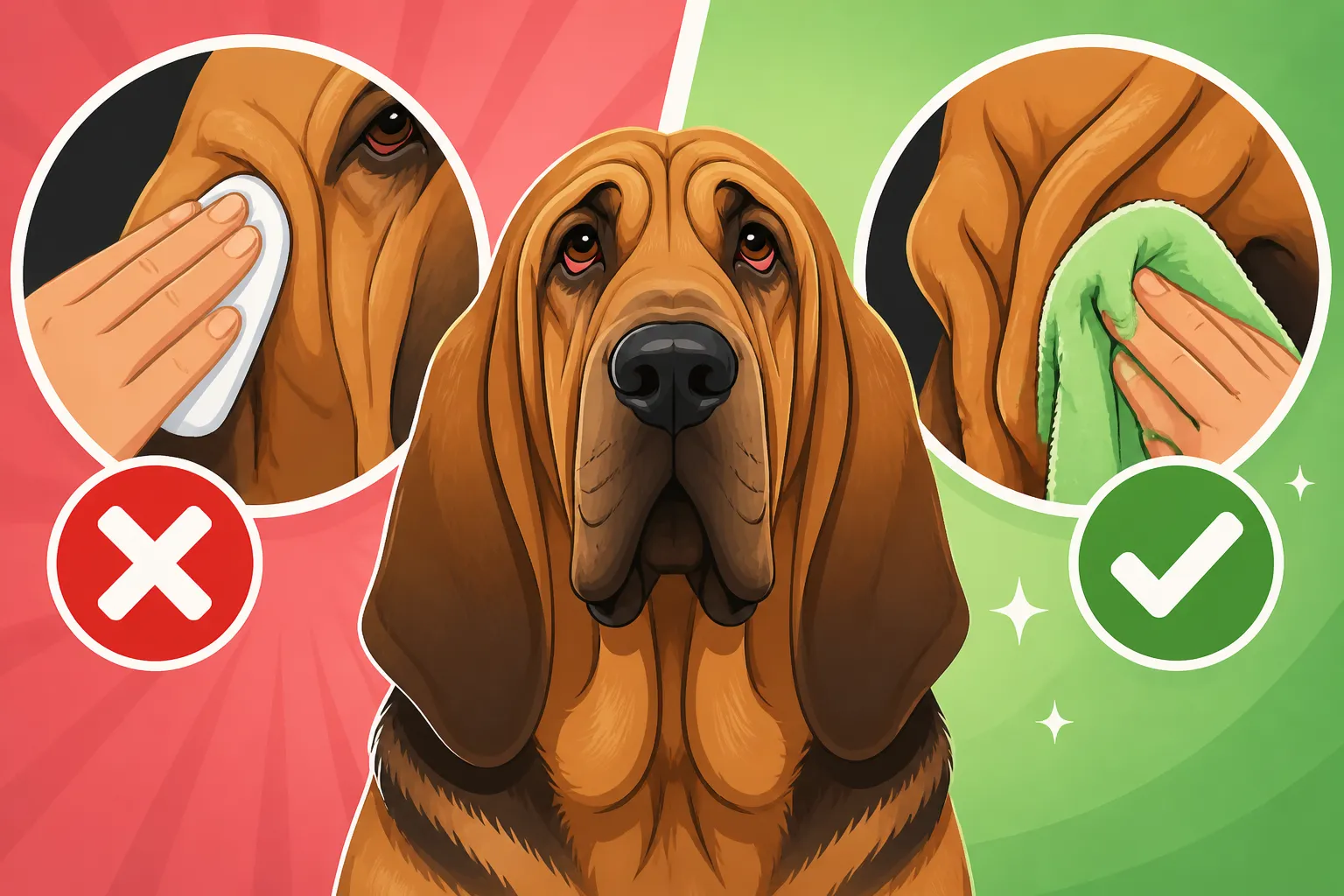
When you wipe your Bloodhound's folds, you're doing a fantastic job of removing visible food debris, drool, and any obvious grime they've collected. This is a crucial first step! However, wiping with a damp cloth, or even just a dry one, often leaves behind a microscopic layer of moisture, or at the very least, doesn't completely dry the skin. Think about washing your hands: if you just wipe them on a towel without really drying them, they still feel a bit clammy, don't they? The same principle applies here.
That residual dampness, especially deep within the folds where air circulation is minimal, is all yeast and bacteria need to start multiplying. You might think you've cleaned the area, but if it's still damp, you've inadvertently left a hospitable environment for pathogens. The goal isn't just to clean the folds, but to create an environment where undesirable organisms struggle to grow. And for that, dryness is key.
How Proper Drying Prevents Problems
Thoroughly drying your Bloodhound's folds after wiping removes that crucial ingredient – moisture – that bacteria and yeast absolutely need to thrive. By eliminating the dampness, you drastically reduce the chances of those pesky microorganisms setting up shop and causing an infection. It's a preventative measure that saves your dog from discomfort and you from potentially expensive vet bills.
Beyond preventing infections, drying also helps to reduce friction and irritation. Damp skin is more prone to chafing, especially when folds rub against each other. Keeping the skin dry means less irritation and a more comfortable experience for your Bloodhound as they move around, sniff, and generally go about their busy, scent-driven lives. Plus, a clean, dry fold is a much happier-smelling fold! Lingering dampness often contributes to that distinctive "houndy" odor that, while charming to us, can sometimes signal a brewing skin issue. You might be surprised how much just keeping things dry can cut down on that particular scent. We've talked about this before in Whether a Bloodhound Carries an Odor From Its Folds.
Practical Steps for Effective Fold Drying
Now that we know why drying is so important, let's talk about how to do it effectively and safely. It's not about harsh rubbing or elaborate procedures, but rather consistent, gentle care.
Choosing the Right Drying Tools
When it comes to drying your Bloodhound's folds, the right tools make all the difference. You want something absorbent and soft, so it doesn't irritate their sensitive skin.
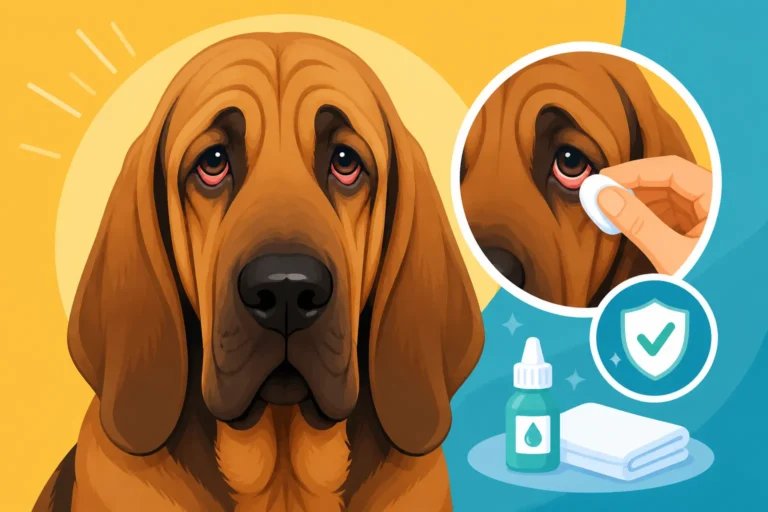
- Soft, Absorbent Cloths: Microfiber cloths are fantastic because they're highly absorbent and gentle. Small, soft cotton cloths or even clean, dedicated washcloths work wonderfully too. I always keep a stash of these by the dog bowls and near the door. The trick is to have them readily available so you're not scrambling when your hound finishes a drink or a meal. You can find multi-packs of gentle cloths easily on places like Amazon or Chewy. Just make sure whatever you use is clean and laundered regularly to avoid reintroducing bacteria.
- Gentle Airflow (with caution!): For deeper, harder-to-reach folds, a hairdryer on a cool or low setting can be a lifesaver. The emphasis here is on cool and low! You absolutely do not want to use hot air, which can burn their sensitive skin or dry it out too much. Hold the dryer a good distance away, about 6-12 inches, and keep it moving constantly. Many dogs are initially wary of the sound, so introduce it slowly, perhaps with treats, making it a positive experience.
- Pet-Safe Drying Powders (sparingly): Some owners find specific pet-safe drying powders or cornstarch helpful in extremely deep or moist folds, but these should be used with caution and only after consulting your vet. The key is "unscented" and "pet-safe" to avoid irritating chemicals. Never use human talcum powder, which can contain ingredients harmful to dogs. A very light dusting after thorough wiping and drying can help absorb any lingering moisture, but it's not a substitute for the initial drying.
The Drying Technique
Making fold care a positive, routine experience is key for both you and your Bloodhound. They might not love it at first, but with patience and positive reinforcement, they'll learn to tolerate it, perhaps even enjoy the attention.
Here's a step-by-step approach:
- Wipe First: As we discussed, start by gently wiping away any visible debris, food, or excessive drool with a clean, damp cloth. Get into the creases without being too aggressive.
- Blot, Don't Rub: Once the obvious gunk is gone, take a clean, dry soft cloth. Gently blot the folds. Instead of rubbing vigorously, which can cause irritation, press the cloth into the folds and hold it for a few seconds to absorb moisture. Work your way through all the major folds – under the eyes, around the muzzle, under the chin, and along the dewlap.
- Reach Deep: Carefully lift and separate the folds to ensure you're getting into the deepest crevices. This is where moisture loves to hide. Use your fingers wrapped in the cloth to gently reach into these areas.
- Consider Airflow: If you're using a hairdryer, remember: cool setting, low speed, and keep it moving. Direct the airflow briefly into the deeper folds, lifting the skin gently to allow the air to circulate. Always check the skin with your hand to ensure it's not getting too warm.
- Positive Reinforcement: Offer praise and small, high-value treats throughout the process. Make it a calm, comforting ritual. Your Bloodhound will associate the routine with good things, making future sessions much easier.
- Consistency is Key: Depending on your Bloodhound's individual drooling habits and the humidity in your environment, you might need to wipe and dry their folds multiple times a day, especially after meals and drinks. At the very least, a thorough daily check and dry should be part of your routine. Our guide on How Often a Bloodhound's Folds Need Wiping dives deeper into scheduling.
| Care Step | Wiping Only | Wiping + Drying |
|---|---|---|
| Moisture Removal | Removes visible liquid, but leaves residual dampness. | Thoroughly removes both visible and residual moisture. |
| Infection Risk | Higher risk of bacterial and yeast infections (dermatitis). | Significantly lower risk of infections. |
| Skin Irritation | Increased chance of chafing and inflammation from dampness. | Reduced irritation and chafing; healthier skin barrier. |
| Odor Control | May temporarily reduce odor, but dampness can lead to foul smells. | Effective in preventing and reducing unpleasant odors. |
| Comfort for Dog | Can lead to itchiness and discomfort. | Promotes overall skin health and comfort. |
| Effort Required | Less immediate effort, but higher long-term vet intervention risk. | Slightly more immediate effort, much lower long-term health issues. |
Common Areas Prone to Moisture and Best Practices
While a Bloodhound's entire body can have loose skin, certain areas are more prone to moisture accumulation due to their activity and anatomy. Paying special attention to these spots can make a huge difference.
Facial Folds and Lip Folds
These are arguably the most challenging areas simply because they're constantly involved in eating, drinking, and, of course, sniffing every fascinating scent on the planet. The deep folds around their muzzle, the drooping flews (lips), and the ample dewlap under their chin are prime real estate for moisture and debris.
After every meal and every drink, you should make it a habit to wipe and dry these areas. Food can get stuck deep in the lip folds, creating a festering mess. Water drips down from their jowls, saturating the skin under their chin. If your Bloodhound just had a good long sniff in dewy grass, their facial folds will be damp. Gently lift their jowls and wipe beneath them, then use a dry cloth to blot until the skin feels completely dry. Some owners even use specialized snoods or deep, narrow bowls to help keep their ears and excess jowls out of the food and water, which can help reduce the initial wetness. If you've ever wondered why your Bloodhound's lip fold seems to be the first place to develop issues, check out Whether a Bloodhound's Lip Fold Is the Worst One. Using bowls designed for long-eared dogs, often available on Chewy or Amazon, can also help minimize how much of their face gets soaked.
Neck and Body Folds
Beyond the face, Bloodhounds often have significant loose skin on their neck, creating what we lovingly call a dewlap. This skin can form deep rolls, especially on larger individuals. These folds can also trap moisture, particularly after a bath, a swim, or if your Bloodhound gets caught in the rain.
When bathing your Bloodhound, ensuring these areas are thoroughly rinsed and dried is paramount. Don't just towel dry the surface; really get your fingers into those neck rolls and use a super-absorbent towel to soak up every bit of moisture. Again, a cool hairdryer can be a huge asset here if your dog tolerates it. It's a common mistake to think a dog will "air dry" sufficiently, but for a Bloodhound's deep folds, air drying often means leaving pockets of moisture for hours. Remember our piece on Whether a Damp Bloodhound Should Be Towel Dried for more details on post-bath drying. If your dog sleeps in a damp spot or rolls around outside, these neck and body folds can become irritated quickly. Regular checks are a must.
When to Seek Professional Advice
Despite your best efforts, sometimes skin fold issues can still arise, or you might inherit a Bloodhound with existing challenges. Knowing when to escalate from home care to veterinary consultation is crucial for your dog's well-being.
Recognizing Signs of Infection
You're already doing fantastic by diligently wiping and drying your Bloodhound's folds. However, if you notice any of the following signs, it's time to call your veterinarian:
- Persistent Redness and Inflammation: While a little pinkness after cleaning might be normal, skin that remains overtly red, swollen, or inflamed indicates a problem.
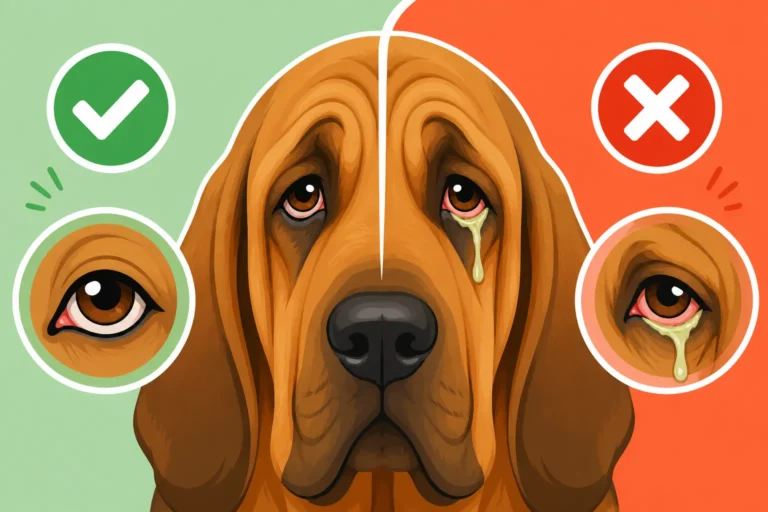
- Strong, Foul Odor: A "cheesy," "yeasty," or generally unpleasant smell emanating from the folds is a classic sign of bacterial or yeast overgrowth.
- Discharge: Any pus, yellowish, greenish, or dark brown discharge is a clear indicator of infection.
- Pain or Discomfort: If your Bloodhound flinches, pulls away, or shows signs of pain when you touch their folds, the area is likely quite sore and possibly infected. They might also excessively lick, rub, or scratch at the affected area.
- Hair Loss or Crusting: Advanced infections can lead to patches of hair loss within the folds, or the formation of scabs and crusts.
Do not try to "tough it out" or self-diagnose severe infections. What starts as a minor irritation can quickly become a deep, painful infection, especially in the warm, moist environment of a fold. A vet can accurately diagnose the specific type of infection (bacterial, yeast, or both) and prescribe the most effective treatment. Ignoring these signs only prolongs your dog's suffering and makes the problem harder to resolve. Our article on Signs a Bloodhound's Fold Has Become Infected goes into greater detail on what to look for.
Veterinary Interventions
When a fold infection takes hold, your vet will be your best ally. They have a range of tools and treatments at their disposal that go beyond basic hygiene.
- Medicated Shampoos and Wipes: Often, the first line of defense will be prescription-strength shampoos or medicated wipes containing antimicrobial or antifungal agents. These are designed to kill the specific organisms causing the infection and reduce inflammation. Your vet will instruct you on how often and for how long to use them.
- Topical Creams or Ointments: For localized infections, your vet might prescribe a topical cream or ointment that contains antibiotics, antifungals, and/or steroids to reduce inflammation and pain.
- Oral Medications: In more severe or widespread cases, oral antibiotics or antifungals may be necessary to clear the infection from the inside out. It's crucial to complete the full course of medication, even if the symptoms improve quickly, to prevent a recurrence.
- Underlying Condition Treatment: Sometimes, chronic fold dermatitis is linked to underlying allergies (food or environmental). If your vet suspects this, they might recommend further diagnostics, such as allergy testing or a diet trial, to address the root cause. This is a longer-term strategy that can significantly improve skin health.
- Surgical Intervention (Rare): In very rare, severe, and chronic cases where conservative medical management consistently fails, and the dog is suffering immensely, surgical removal of the excessive skin folds (a procedure sometimes called a cheiloplasty or skin fold resection) might be considered. This is a significant decision and typically a last resort, discussed thoroughly with a veterinary surgeon. It aims to eliminate the problematic skin folds entirely, preventing future moisture trapping and infections.
Long-Term Management and Lifestyle Adjustments
Caring for a Bloodhound's folds isn't a one-and-done task; it's a commitment for life. Beyond the daily wiping and drying, there are broader lifestyle and environmental factors that can influence the health of their magnificent, wrinkly skin.
Diet and Allergy Considerations
Believe it or not, what goes into your Bloodhound's bowl can have a significant impact on the health of their skin. Just like in humans, diet plays a huge role in overall skin integrity and immune response.
- Quality Nutrition: Feeding a high-quality, balanced diet provides the essential nutrients, vitamins, and fatty acids needed for healthy skin and coat. Look for foods that emphasize whole ingredients and appropriate protein sources for large breeds. Sometimes, adding an Omega-3 fatty acid supplement (like fish oil) can also contribute to healthier skin, reducing inflammation and improving the skin's barrier function.
- Food Allergies: If your Bloodhound experiences chronic skin issues, including persistent fold dermatitis, even with diligent cleaning and drying, food allergies could be a contributing factor. Certain proteins or grains in their diet can trigger an inflammatory response that manifests as itchy, irritated skin, often worsening existing fold problems. Your veterinarian might suggest a food elimination trial, where your dog eats a novel protein or hydrolyzed protein diet for several weeks to see if symptoms improve. Brands like Ollie, which offer fresh, customized meal plans, often provide excellent options for dogs with sensitivities, but always discuss dietary changes with your vet first. Addressing a food allergy can dramatically reduce the frequency and severity of skin fold infections. Our article on Whether Allergies Make a Bloodhound's Folds Worse details this further.
Environmental Factors and Grooming Routine
Your Bloodhound's environment and your consistent care routine are paramount to keeping those folds healthy.
- Humidity and Climate: If you live in a particularly hot and humid climate, your Bloodhound's folds are naturally going to retain more moisture. On these days, you might need to increase the frequency of your wiping and drying routine. Good air circulation in their resting areas can also help.
- Regular Grooming Schedule: Establish a consistent, preventative grooming schedule. This isn't just about bathing; it's about the daily or twice-daily check-ins with those folds. Consider it part of your bonding time.
- After Meals/Drinks: Always wipe and dry facial folds immediately after your Bloodhound eats or drinks.
- After Outdoor Adventures: If your Bloodhound has been sniffing through wet grass or playing in the rain, pay extra attention to drying all facial and neck folds.
- Weekly Deep Clean: Aim for a thorough weekly clean and dry of all folds, perhaps coinciding with their The Weekly Routine a Bloodhound Owner Cannot Skip for ear care. This allows you to inspect the skin closely for any early signs of irritation.
- Clean Bedding: Keep your Bloodhound's bedding clean and dry. Damp or dirty bedding can harbor bacteria and yeast, reintroducing them to your dog's clean folds. Regular washing of blankets and dog beds is a simple yet effective preventative measure.
By integrating these long-term management strategies into your Bloodhound's care, you're not just reacting to problems; you're proactively creating an environment where their magnificent, wrinkly skin can stay healthy, comfortable, and free from irritation. It's a bit of work, yes, but for these loyal, loving hounds, it's absolutely worth it.
Disclaimer
This article is for general informational purposes only and does not constitute professional advice. Laws, prices and regulations vary by location and change over time. Consult a qualified professional for guidance on your specific situation.