Whether a Bloodhound’s Eye Discharge Is Normal
One of the most common worries new Bloodhound owners face, and even seasoned ones, is looking into those famously soulful eyes and seeing a bit of gunk. It’s natural to wonder if that discharge, those crusty bits, or that reddish-brown staining is normal, or if it's a sign that something is seriously wrong with your beloved hound. The truth is, a Bloodhound's unique facial anatomy means their eyes often have some visible discharge, but knowing the difference between a normal accumulation and a call for veterinary concern is absolutely crucial. This guide is here to walk you through what's typical for a Bloodhound's eyes and when you need to pick up the phone and chat with your vet.
Understanding "Normal" for a Bloodhound's Eyes
Let's start by managing expectations. If you're used to a dog breed with tight eyelids and minimal facial wrinkles, a Bloodhound's eyes are going to look a little… dramatic. This is by design, part of what makes them such incredible scent hounds, but it also means their eyes function a bit differently in terms of discharge.
The Bloodhound's Unique Eye Anatomy
Bloodhounds are renowned for their incredible sense of smell, and their facial structure plays a significant role in enhancing this ability. Those long, pendulous ears sweep scent towards their nose, and their heavily wrinkled, loose skin (the "haw") serves a similar purpose, trapping scent particles close to their face. However, this same unique anatomy often leads to what many owners perceive as excessive eye discharge.
Their lower eyelids, in particular, often hang a bit loose and openly, a condition known as ectropion. While sometimes severe ectropion can be a medical issue, a certain degree of it is considered characteristic of the breed and is often listed in breed standards. This means the delicate pink lining of the lower lid, the haw, is often exposed. Because the eyelid doesn't sit snugly against the eyeball, it creates a little "shelf" or pocket where dust, dirt, debris, and even just normal tears can collect. It's like having a little basin right under their eye, constantly gathering whatever comes their way. This open structure also means their eyes are more exposed to the elements than breeds with tight, almond-shaped eyes. Wind, dust, pollen, and even just the casual shake of their massive head can introduce irritants that trigger increased tear production. So, a bit of watery discharge, especially after a romp outdoors, might just be their eyes working to flush out invaders, which is completely normal. Sometimes, this natural droop is even a part of what's expected for the breed. If you're wondering Whether a Bloodhound's Drooping Lid Is a Defect or the Standard, you'll find that some degree of looseness is indeed part of their charm and function.
Typical Secretions and Tear Stains
Just like humans, dogs produce tears to lubricate and protect their eyes. These tears usually drain away through tiny ducts in the inner corner of the eye, similar to our own tear ducts. However, with a Bloodhound's often loose lower eyelids and sometimes less efficient drainage, these tears don't always disappear perfectly.
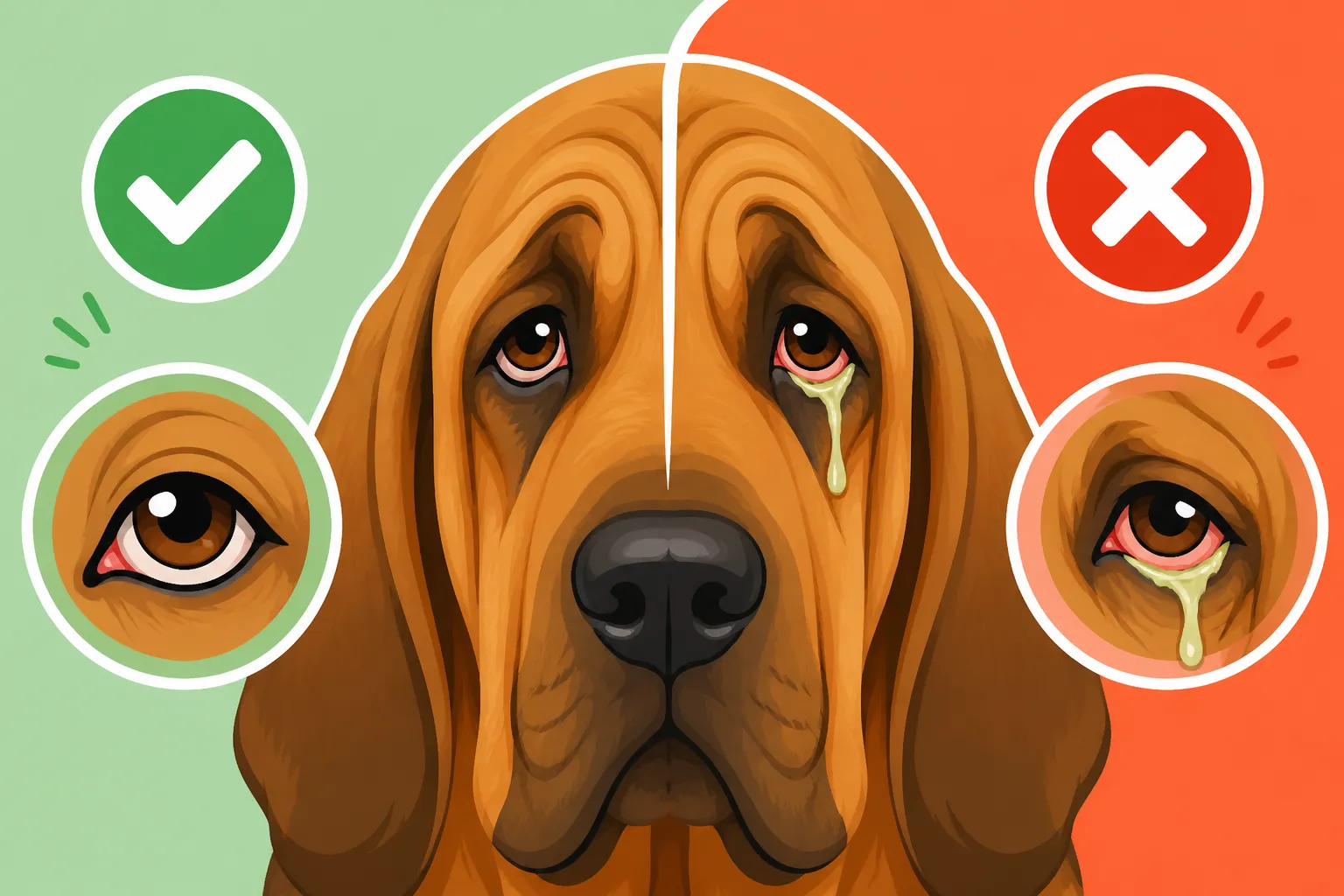
What you might consider "normal" eye discharge for a Bloodhound typically looks like clear or slightly whitish, watery tears, or a small amount of reddish-brown, crusty material that accumulates in the inner corner of the eye or along the lower lid. This crusty material is often dried tears, mucus, and environmental debris that has collected. It tends to be more noticeable after they've been sleeping, as tear production can slow, and the accumulated moisture dries. The reddish-brown color comes from porphyrins, which are iron-containing waste products found in tears. When these porphyrins are exposed to air and light, they oxidize and create that characteristic reddish-brown stain on the fur below the eye. This is known as tear staining and is very common in Bloodhounds and other breeds with similar facial structures, even if they have healthy eyes. It's usually more of a cosmetic issue than a medical one, though it does require regular cleaning to prevent skin irritation. Consistent Daily Eye Care for a Bloodhound is key to managing this.
It's also worth noting that a Bloodhound's eyes might seem to "run" a bit more when they are excited, stressed, or even when they're simply focusing intensely on a scent. Their body's physiological responses can influence tear production, leading to a temporary increase in watery discharge. A small amount of clear or slightly off-white discharge, especially when dry and easily wiped away, can generally be considered within the realm of "normal" for these wonderful hounds.
When Eye Discharge Becomes a Concern
While some eye discharge is par for the course with a Bloodhound, it’s critical to learn the difference between "normal Bloodhound gunk" and a genuine problem. Ignoring early warning signs can lead to more serious conditions, and with those deep, sensitive eyes, you don't want to take any chances.
Identifying Red Flags
When assessing your Bloodhound's eye discharge, pay close attention to its characteristics and any accompanying symptoms. This is where your observation skills really come into play.
- Color and Consistency: If the discharge changes from clear or light reddish-brown to thick, yellowish, greenish, or milky white, that's a significant red flag. This often indicates a bacterial or yeast infection. Foamy discharge can sometimes point towards dry eye. If it’s extremely sticky or stringy, pulling away in long strands, it's also a cause for concern.
- Volume: While a bit of extra watering after a windy walk is normal, continuously excessive tearing, especially if it seems to be pouring down their face and soaking the fur, isn't typical. Similarly, a sudden increase in the amount of crusty material, particularly if it reforms quickly after cleaning, signals an underlying issue.
- Odor: Healthy eye secretions shouldn't have a strong smell. If you notice a foul, yeasty, or otherwise unpleasant odor coming from around your Bloodhound's eyes, it's definitely time to investigate further with your vet.
- Accompanying Symptoms: This is perhaps the most important aspect. Discharge is rarely the only symptom of a problem. Look for:
- Redness: Persistent redness of the whites of the eyes (sclera) or the conjunctiva (the pink lining of the eyelids).
- Swelling: Any puffiness around the eyelids or eye itself.
- Squinting or Excessive Blinking: This indicates pain or irritation. Your Bloodhound might be trying to protect their eye from light or further discomfort.
- Rubbing or Pawing at the Face: If your hound is constantly trying to rub their face on furniture or paw at their eyes, they're telling you something is bothering them.
- Cloudiness or Change in Eye Appearance: Any cloudiness in the cornea (the clear front surface of the eye), a visible injury to the eye, or a dullness to the usually bright, clear eye.
- Behavioral Changes: Lethargy, loss of appetite, or general grumpiness can sometimes be subtle indicators that your dog isn't feeling well, and it might be linked to eye discomfort.
If you observe any of these red flags, even if the discharge seems minor, it’s always best to consult your veterinarian promptly. Their eyes are too precious to guess.
Common Eye Conditions Causing Abnormal Discharge
A Bloodhound's characteristic facial structure, while endearing, unfortunately predisposes them to several eye conditions that can cause abnormal discharge. It's important to be aware of these.
One of the most common issues is Ectropion, which we touched on earlier. This is when the lower eyelid rolls outward, exposing the delicate conjunctiva. While a mild degree is typical, severe ectropion can lead to chronic irritation, dryness, and increased exposure to foreign bodies, resulting in persistent discharge, redness, and even recurring infections. Understanding What Ectropion Looks Like on a Bloodhound can help you differentiate between mild breed characteristic and a problematic case. This is a common issue that sometimes requires surgical intervention if it becomes severe or causes chronic problems. Why a Bloodhound's Lower Lid Hangs Away From the Eye explains the mechanics of this in more detail.
On the flip side, sometimes a Bloodhound can develop Entropion, where the eyelid rolls inward, causing the eyelashes and fur to rub against the cornea. This is incredibly painful and irritating, leading to excessive tearing, thick discharge, redness, squinting, and if left untreated, corneal ulcers. This is why it's so important to understand What Entropion Does to a Bloodhound's Eye. This usually requires surgical correction to prevent permanent damage. Bloodhounds are predisposed to both conditions, and sometimes they can even appear on the same dog!
Another distinct condition that can cause visible changes around the eye is Cherry Eye. This occurs when the gland of the third eyelid prolapses, appearing as a red, swollen mass in the inner corner of the eye. While it might not always cause discharge directly, it can impede normal tear distribution and drainage, leading to irritation and secondary discharge. If you see a bright red "cherry" in the corner of their eye, you'll know Cherry Eye in a Bloodhound is likely the culprit.
Dry Eye, medically known as Keratoconjunctivitis Sicca (KCS), is another potential issue. This happens when the eyes don't produce enough tears to keep them properly lubricated. Without adequate tears, the eyes become dry, irritated, and susceptible to infection. The discharge associated with dry eye is often thick, mucoid, and sometimes appears foamy. Your Bloodhound might also squint, blink excessively, and have very red eyes.
Finally, general Eye Infections (conjunctivitis) can also cause a sudden onset of abnormal discharge. These can be bacterial, viral, or fungal, and often result in thick, colored discharge (yellow, green), redness, swelling, and discomfort. Foreign bodies, like a piece of grass or a burr that gets stuck under the eyelid, can also cause acute irritation and discharge. Given their long, low-slung ears and wrinkled faces, Bloodhounds can sometimes pick up all sorts of things on a trail! The good news is, many of The Four Eye Problems a Bloodhound Is Born Toward are manageable if caught early. All of these conditions require a vet's diagnosis and specific treatment to prevent further discomfort or vision problems.
What to Do If You Notice Concerning Eye Discharge
Finding concerning eye discharge can be unsettling, but knowing the right steps to take can make all the difference for your Bloodhound's comfort and health. Don't panic, but do act decisively.
Initial Home Care and Observation
Your first instinct might be to vigorously clean your Bloodhound's eyes, and while keeping the area clean is important, it's also crucial not to overdo it or use inappropriate products.
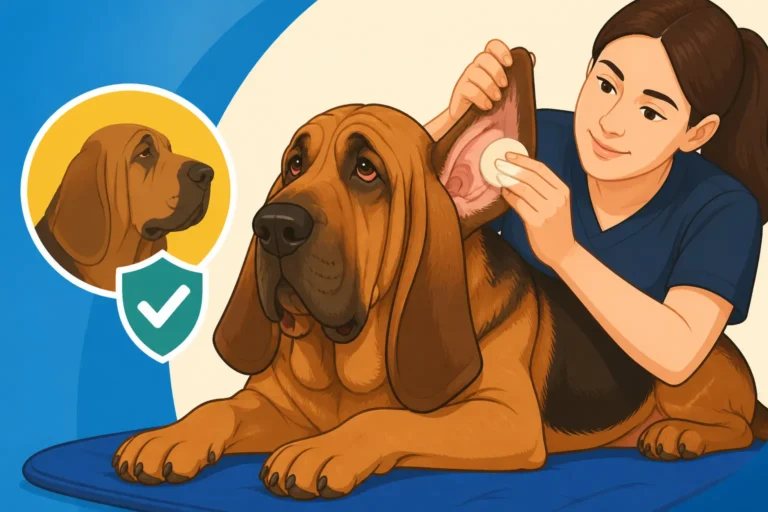
For mild, watery discharge or normal tear staining, gentle cleaning is generally fine. Use a soft, clean cloth or cotton ball dampened with warm water, or a veterinary-approved eye-cleaning solution. Always wipe away from the eye, from the inner corner outwards, and use a fresh part of the cloth or a new cotton ball for each wipe to avoid spreading any potential irritants or bacteria. You want to be incredibly gentle; Bloodhounds are sensitive souls, and their eyes are no exception. How to Clean a Bloodhound's Eyes offers a deeper dive into the best techniques. Regularly wiping away dried discharge and tear stains can also prevent skin irritation and infection in the folds around their eyes. This daily routine, as discussed in Daily Eye Care for a Bloodhound, helps keep them comfortable.
However, if the discharge is thick, colored (yellow, green), or accompanied by redness, swelling, squinting, or pain, home cleaning should only be a temporary measure to keep the area clear enough for your vet to examine. Do not try to medicate your Bloodhound's eyes with over-the-counter drops or old prescription medications. What might work for one type of infection or irritation could be detrimental to another, especially if there's an ulcer on the cornea. Incorrect treatment can mask symptoms or even worsen the problem. Your role at home at this stage is to observe carefully, gather information for your vet, and keep your Bloodhound as comfortable as possible without interfering with a proper diagnosis.
When to Seek Veterinary Attention
When it comes to eye issues, the general rule of thumb is: when in doubt, call the vet. Eyes are delicate and critical for your Bloodhound's quality of life. Delaying veterinary care can lead to more serious complications, including vision loss.
You should seek veterinary attention immediately if you notice:
- Any sudden onset of thick, colored discharge (yellow, green, or milky).
- Your Bloodhound is squinting, pawing at their eye, or seems to be in pain.
- The eye itself appears red, swollen, cloudy, or if you can see any visible injury.
- A foreign object is lodged in the eye.
- The discharge has a foul odor.
- There's a significant increase in the amount of discharge, even if it's clear.
- The condition doesn't improve with gentle cleaning within 24 hours.
When you call your vet, be prepared to describe exactly what you're seeing: the color and consistency of the discharge, how long it's been happening, any other symptoms (redness, swelling, pain), and any changes in your Bloodhound's behavior. This information will help your vet triage the situation and prepare for your visit. They may ask about their vaccine history, recent activities, and any new exposures.
At the clinic, your veterinarian will perform a thorough eye exam. This might include:
- A basic ophthalmic exam: Looking closely at the eyelids, conjunctiva, cornea, and internal structures of the eye.
- Fluorescein stain test: To check for corneal ulcers or abrasions. This dye will highlight any damage on the surface of the eye.
- Schirmer Tear Test: To measure tear production, especially if dry eye is suspected.
- Tonometry: To measure the pressure inside the eye, which helps diagnose conditions like glaucoma.
- Culture and Sensitivity: If an infection is suspected, a swab of the discharge might be taken to identify the specific bacteria or fungus and determine the most effective antibiotic or antifungal.
Based on these diagnostics, your vet will recommend an appropriate course of treatment, which could range from medicated eye drops or ointments to oral antibiotics or anti-inflammatories, and in some cases, referral to a veterinary ophthalmologist for more specialized care or surgery if conditions like severe entropion or ectropion are present. Sometimes, conditions like dry eye might mean your Bloodhound will need Whether a Bloodhound With Dry Eye Needs Drops for Life, highlighting the importance of early diagnosis. Remember, your vet is your best partner in keeping those expressive Bloodhound eyes healthy and bright.
Long-term Management and Prevention
Taking a proactive approach to your Bloodhound's eye health is always better than waiting for problems to arise. With their unique features, it's an ongoing commitment.
Firstly, regular veterinary check-ups are paramount. These aren't just for vaccinations; they allow your vet to examine your Bloodhound's eyes as part of their overall health assessment. Early detection of issues like mild ectropion or the beginnings of dry eye can prevent them from escalating into more painful or costly problems. During these visits, don't hesitate to ask your vet to give their eyes an extra thorough look, especially if you've noticed any subtle changes.
Beyond vet visits, establishing a consistent daily eye care routine at home is essential. As we've discussed, gently wiping away any normal discharge or tear staining will prevent irritation and secondary infections in the skin folds. Using a soft, clean, damp cloth is usually sufficient. For persistent tear stains or sensitive skin, some owners find success with specific veterinary-approved tear stain removers or wipes. You can often find these readily available at pet supply retailers like Chewy or on Amazon. Just be sure to choose products specifically formulated for dogs and follow the instructions carefully.
Maintaining good hygiene around the entire face is also crucial. Those beautiful, deep wrinkles on a Bloodhound's face, while part of their charm, can trap moisture, food particles, and debris, leading to skin fold dermatitis, which can sometimes spread to the eye area. Regularly wiping their facial folds, especially after meals, can help keep the whole region healthy.
Finally, be mindful of environmental factors. Because their eyes are more exposed, Bloodhounds are susceptible to irritation from dust, wind, and allergens. If you live in a particularly dusty area, or if your Bloodhound enjoys sticking their head out the car window (which, let's be honest, many do!), consider how this might impact their eyes. While you shouldn't keep them cooped up, a discussion about Whether Dust Should Keep a Bloodhound Indoors highlights these concerns. A quick rinse with sterile saline after a dusty adventure or a car ride might be beneficial, but always check with your vet first to confirm it's appropriate for your individual dog. Some owners find that having an extra bottle of saline handy from stores like Ollie or a local pharmacy can be helpful for quick rinses. By being vigilant and consistent with care, you can help your Bloodhound maintain healthy, comfortable eyes throughout their life.
Preventing Eye Issues in Your Bloodhound
Given how susceptible Bloodhounds can be to various eye conditions, a proactive approach to prevention is truly your best defense. It's about building habits that support their unique physiology.
Routine Eye Care Habits
The foundation of preventing eye issues in your Bloodhound lies in establishing and sticking to a consistent routine. It might seem like a lot of upkeep, but trust me, it pales in comparison to dealing with a painful eye infection or the complications of untreated conditions.
Start with daily visual inspections. Make it a habit to look closely at your Bloodhound's eyes every day. Are they clear and bright? Is there any redness in the whites of their eyes or the lining of their eyelids? Is the discharge consistent with what you consider "normal" for your dog, or has it changed in color, consistency, or amount? Are they squinting, blinking excessively, or rubbing their face? Catching subtle changes early is key. Many eye problems start small and are much easier to treat before they become severe.
Follow up with gentle cleaning. As we discussed, a soft, clean cloth dampened with warm water or a vet-approved eye wash is your best friend. Wipe away any accumulated debris, dried tears, or tear staining. Pay particular attention to the inner corners and the lower eyelid folds where moisture tends to collect. Be sure to use a fresh part of the cloth for each eye or a new cotton ball to avoid cross-contamination if one eye happens to be irritated. Drying the area gently after cleaning can also help prevent moisture-related skin irritation. Remember, their eyes are quite sensitive, so a calm, reassuring approach will make this routine a positive experience for both of you. This consistent care can prevent issues from festering, keeping those big, beautiful eyes in top condition.
Environmental Considerations
A Bloodhound's unique eye structure, with those deep-set eyes and often loose eyelids, makes them more vulnerable to environmental irritants. Thinking proactively about their surroundings can make a big difference.
Dust and debris are major culprits. Whether it's from digging in the yard, rolling in dirt, or just a windy day, dust particles can easily get into their exposed eyes and cause irritation, redness, and increased discharge. If your Bloodhound loves to root around outside, or if you live in a dusty area, consider rinsing their eyes with a sterile saline solution (specifically formulated for eyes, not contact lens solution) after outdoor adventures. This helps flush out any irritants before they can cause a problem.
Wind exposure can also dry out their eyes and lead to irritation. While it's tempting to let them stick their head out the car window, the force of the wind can really bother their eyes. Think about using a doggy seatbelt or crate to keep them safely inside the vehicle. If they're regularly exposed to strong winds during walks or outdoor activities, a quick check and gentle clean afterward can prevent discomfort. You might even consider investing in dog goggles for specific activities, though many Bloodhounds find these quite amusing to try and shake off!
Allergens like pollen, grass, and even certain household chemicals can trigger allergic reactions in your Bloodhound, manifesting as itchy, red, watery eyes with discharge. If you suspect seasonal allergies, consult your vet. They can help identify the allergen and recommend appropriate treatments, which might include antihistamines or allergy-specific eye drops. Being mindful of these factors helps create a more comfortable environment for your Bloodhound's sensitive eyes.
Dietary and Health Impact
While directly linking diet to eye discharge can be complex, a Bloodhound's overall health and nutrition play a foundational role in maintaining healthy eyes and minimizing susceptibility to issues.
A balanced and high-quality diet supports a strong immune system, which in turn helps your Bloodhound ward off infections, including eye infections. Ensure your hound is getting all the necessary vitamins and minerals. Some owners find that certain supplements, like omega-3 fatty acids, can support overall skin and coat health, which indirectly benefits the areas around the eyes. However, always discuss any dietary changes or supplements with your veterinarian before introducing them.
Hydration is also key. A well-hydrated dog will generally have healthier tear production and mucous membranes. Ensure your Bloodhound always has access to fresh, clean water.
Finally, managing underlying health conditions is crucial. If your Bloodhound has systemic allergies, a thyroid imbalance (Hypothyroidism in a Bloodhound can affect eye health), or any other chronic illness, it can manifest in various ways, including changes in eye health. Working closely with your veterinarian to keep any existing conditions well-managed will contribute significantly to their overall well-being, including the health of their eyes. Healthy body, healthy eyes!
| Discharge Characteristic | Potentially Normal Bloodhound Eye | Cause for Veterinary Concern |
|---|---|---|
| Color | Clear, whitish, reddish-brown | Yellow, green, milky, foamy |
| Consistency | Watery, dried crusty | Thick, sticky, stringy |
| Volume | Small amount, especially after sleep or wind exposure | Excessive, constant, rapidly re-accumulating |
| Odor | None | Foul, yeasty, unpleasant |
| Accompanying Symptoms | Occasional tear staining | Redness, swelling, squinting, pawing, cloudiness, pain |
| Duration | Intermittent, resolves with cleaning | Persistent, worsening, recurring quickly |
Disclaimer
This article is for general informational purposes only and does not constitute professional advice. Laws, prices and regulations vary by location and change over time. Consult a qualified professional for guidance on your specific situation.