Hypothyroidism in a Bloodhound
It’s a scenario many Bloodhound owners know all too well: you start noticing subtle changes in your beloved hound. Maybe they seem a bit slower on their morning walk, or their once-lustrous coat is now dull and sparse. You might dismiss it as just "getting older" or "a phase," but sometimes, these quiet shifts are whispers of a deeper, insidious problem. Hypothyroidism is one such condition that can creep up on a Bloodhound, drastically impacting their quality of life without clear, dramatic symptoms. This comprehensive guide will unravel the mysteries of hypothyroidism in Bloodhounds, detailing its causes, how to spot its sneaky symptoms, the journey to a definitive diagnosis, effective treatment options, and what lifelong care truly entails, empowering you to be your hound’s best advocate.
Understanding Hypothyroidism in Bloodhounds: More Than Just a Slow Metabolism
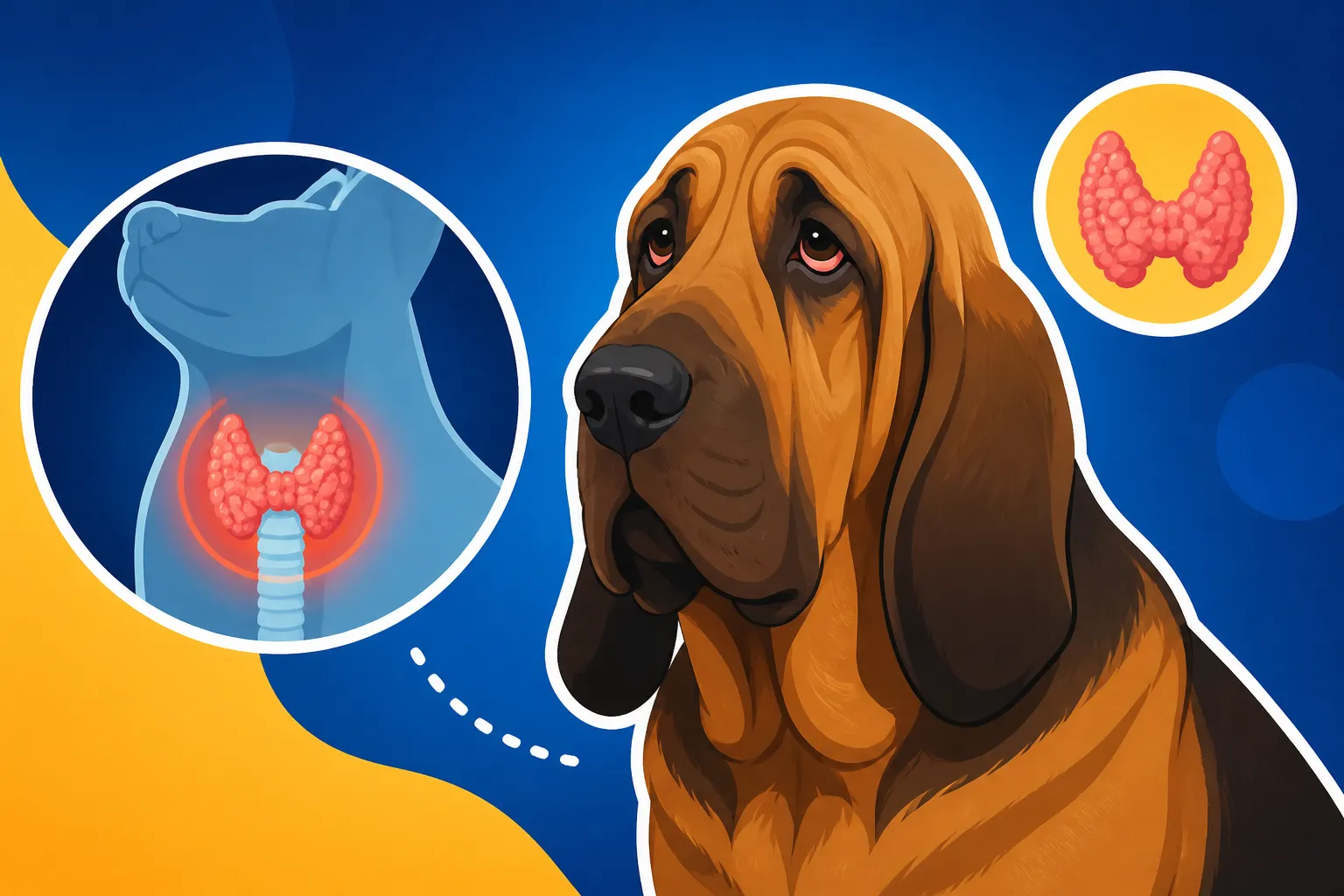
When you think about the sheer power and presence of a Bloodhound, it’s hard to imagine something as tiny as their thyroid gland having such a profound impact. Yet, this small endocrine gland, located in the neck, is a major player in almost every metabolic process in their body. Understanding its role and why Bloodhounds are particularly prone to its dysfunction is the first step toward effective management.
What Exactly Is Hypothyroidism?
At its core, hypothyroidism is a condition where the thyroid gland doesn't produce enough thyroid hormones, primarily thyroxine (T4) and triiodothyronine (T3). These hormones are like the conductors of an orchestra, directing everything from energy production and growth to skin health and body temperature regulation. When the thyroid gland falls silent or its output dramatically decreases, the entire system can go out of whack, leading to a cascade of often perplexing symptoms. In dogs, and especially in Bloodhounds, the most common form is what we call primary hypothyroidism, where the problem lies directly with the thyroid gland itself. This usually stems from an autoimmune condition where the dog's own immune system mistakenly attacks and destroys the thyroid tissue over time.
Why Bloodhounds Are Particularly Susceptible
It’s heartbreaking, but our magnificent Bloodhounds, along with several other large and giant breeds like Golden Retrievers, Doberman Pinschers, and Boxers, have a genetic predisposition to develop hypothyroidism. This isn't just bad luck; it's often rooted in an inherited autoimmune thyroiditis, meaning their immune system is genetically programmed to eventually turn on its own thyroid. This predisposition makes annual thyroid screening for Bloodhounds a conversation you absolutely should have with your veterinarian, even before any symptoms appear. It’s part of understanding the unique health challenges that come with loving this incredible breed, much like the concerns around Hip and Elbow Dysplasia in the Bloodhound. The disease process can begin long before clinical signs are obvious, slowly degrading the gland's function until it reaches a critical point where symptoms manifest.
Primary vs. Secondary Hypothyroidism
While we generally focus on primary hypothyroidism because it's overwhelmingly common in Bloodhounds, it’s worth a quick mention of secondary hypothyroidism. Primary hypothyroidism means the problem originates in the thyroid gland itself, usually due to the immune system attacking it. Secondary hypothyroidism, on the other hand, is much rarer and occurs when the pituitary gland in the brain fails to produce enough Thyroid Stimulating Hormone (TSH), which is what tells the thyroid gland to produce its hormones. Because the vast majority of cases in our Bloodhounds are primary, our discussions around diagnosis and treatment will largely center on addressing the direct malfunction of the thyroid gland. It's a key distinction because the diagnostic approach and initial treatment might vary slightly, though the end goal—replacing missing hormones—remains the same.
The Sneaky Symptoms: Spotting Hypothyroidism in Your Bloodhound
One of the biggest frustrations with hypothyroidism is how subtly it can present. Many of the early signs can easily be mistaken for normal aging, a poor diet, or even just a lazy day. This makes early detection a real challenge, and it often means owners don't realize something serious is amiss until the symptoms become quite pronounced. Recognizing these signs, both the obvious and the obscure, is critical.
Common Physical Changes
The most classic signs of hypothyroidism often manifest on the outside, particularly concerning your Bloodhound's weight and coat. Many owners notice their Bloodhound starts to gain weight, despite no change in their food intake or even a slight decrease. It's a frustrating situation because you're trying to keep them lean, knowing that a healthy weight is vital for their joints and overall well-being, but the scales just keep climbing. This is often because their metabolism has slowed to a crawl. The coat will tell another story; it might become dull, dry, and brittle, losing that healthy sheen. Hair loss, particularly on the flanks, chest, and tail, is incredibly common, sometimes leading to a condition descriptively called "rat tail" where the tail becomes almost bald. Their skin can also suffer, becoming flaky, thickened, and often developing recurrent infections, which might lead you down a rabbit hole of trying to treat Skin Fold Dermatitis on a Bloodhound or other skin ailments without getting to the root cause. Some Bloodhounds might develop a tragic facial expression due to thickening of the facial skin, sometimes called a "tragic face."
Behavioral and Energy Shifts
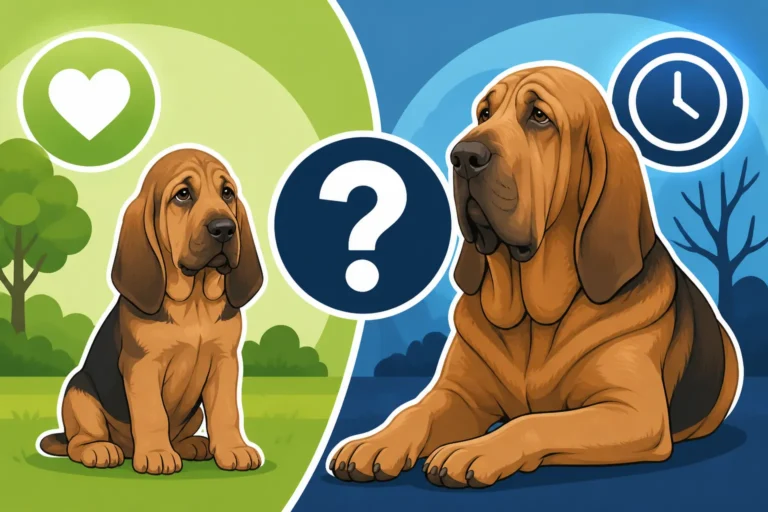
Beyond the physical, hypothyroidism can profoundly impact your Bloodhound’s personality and energy levels. The once-eager, scent-driven hound might become noticeably more lethargic, preferring to nap rather than engage in their favorite trailing games. They might seem less enthusiastic about walks, moving more slowly, and generally just not having their usual zest for life. Another tell-tale sign is an intolerance to cold; you might find them seeking out warm spots more often, shivering when they never used to, or reluctant to go outside in cooler weather. This is because thyroid hormones play a crucial role in regulating body temperature. Some owners also report a subtle mental dullness or even changes in temperament, where their usually sweet and amiable Bloodhound seems a bit "off" or less responsive. It's easy to write these off as typical Aging in a Bloodhound Starts at Six symptoms, but if they appear earlier or are more pronounced, it's definitely worth investigating.
Less Obvious Signs
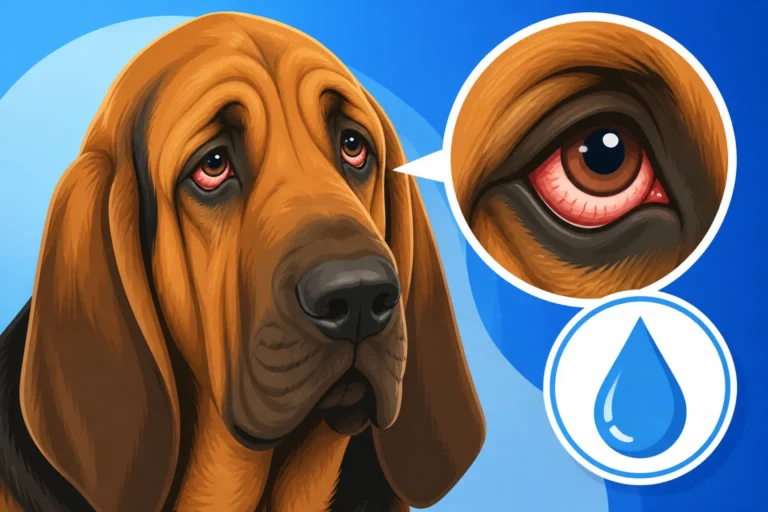
While weight gain and coat changes are common, hypothyroidism can also manifest in more obscure ways that might not immediately scream "thyroid problem." These can include reproductive issues, with unspayed females experiencing irregular heat cycles or difficulty conceiving, and males showing decreased libido or sperm quality. In some cases, neurological signs like seizures, weakness, or nerve paralysis can occur, though these are less common. Occasionally, you might even see changes in their eyes, such as corneal lipid deposits, which are fatty deposits that can appear on the cornea. This underscores why a thorough veterinary examination is always crucial when any unusual symptoms arise, as they could be related to conditions like The Four Eye Problems a Bloodhound Is Born Toward but also point to systemic issues like hypothyroidism. It's a testament to how interconnected our hounds' bodies truly are, and why getting a full picture is so important.
Here's a quick reference table comparing some common hypothyroid symptoms with what you might consider "normal" aging:
| Symptom Category | Potential Hypothyroid Sign | Could Be Mistaken For (Normal Aging/Other Issues) | Key Differentiating Factor for Hypothyroidism |
|---|---|---|---|
| Weight | Unexplained weight gain despite normal/reduced food intake and exercise | Gradual weight gain due to reduced activity in old age or overfeeding | Weight gain is often significant and persistent, despite efforts to manage diet/exercise. |
| Coat & Skin | Dull, dry, brittle coat; excessive shedding; hair loss (especially flanks/tail); recurrent skin infections; thickened skin ("tragic face") | General coat thinning in old age; seasonal shedding; allergies | Distinctive symmetrical hair loss patterns; persistent dry, flaky skin unresponsive to topical treatments. |
| Energy | Lethargy, decreased activity, disinterest in play/walks, sleeping more than usual | General slowdown in senior years; joint pain; boredom | Often a marked change in energy that seems disproportionate to age or other obvious ailments. |
| Temperature | Intolerance to cold, shivering, seeking warm spots | Senior dogs can be more sensitive to cold, but typically not to this extreme | Consistent seeking of warmth, shivering, even indoors, with no clear external cold source. |
| Temperament | Mental dullness, less responsive, "off" mood, sometimes irritability | Cognitive decline in old age; pain; vision/hearing loss | May seem generally subdued or withdrawn rather than confused or disoriented. |
| Other | Reproductive issues; slow heart rate (bradycardia); corneal lipid deposits; occasional neurological signs | Age-related reproductive changes; various heart conditions; unrelated eye issues | A combination of multiple symptoms pointing towards a systemic metabolic issue rather than isolated organ problems. |
Getting a Diagnosis: The Path to Clarity
Once you've noticed symptoms that raise a red flag, the next step is a trip to the vet. This journey to diagnosis can sometimes feel like detective work, as many symptoms overlap with other conditions. However, with modern veterinary medicine, getting a clear answer for Hypothyroidism in a Bloodhound is very achievable.
Initial Vet Visit and Suspicions
When you bring your Bloodhound in, your veterinarian will start with a thorough physical examination and discuss your observations in detail. They’ll be listening carefully for your descriptions of changes in energy, appetite, weight, and any skin or coat issues. During the exam, they might palpate your Bloodhound's neck, check their heart rate (a slow heart rate, or bradycardia, can be a sign), and assess their skin and coat quality. They’ll also want to rule out other common issues that can mimic hypothyroidism, such as allergies, kidney disease, or even just a sedentary lifestyle. This initial conversation is crucial, so be prepared to share as much detail as possible about your Bloodhound’s recent history and any changes you've observed. The vet might suggest initial blood work that includes a general health panel to get a baseline and check for other organ function issues before diving specifically into thyroid testing.
The Thyroid Blood Panel: What it Measures
The definitive diagnosis of hypothyroidism relies on specific blood tests that measure the levels of thyroid hormones and related compounds in your Bloodhound's bloodstream. The most common tests in a comprehensive thyroid panel include:
- Total T4 (TT4): This measures the total amount of thyroxine (T4) in the blood, both free (active) and bound to proteins. While a low TT4 can suggest hypothyroidism, it's not always conclusive on its own because various non-thyroidal illnesses or medications can also suppress TT4 levels.
- Free T4 (FT4): This measures only the unbound, biologically active form of T4. FT4 by equilibrium dialysis (FT4ED) is considered the gold standard and is generally more accurate than TT4 because it's less affected by non-thyroidal factors. A low FT4ED level is a strong indicator of hypothyroidism.
- Thyroid Stimulating Hormone (TSH): Produced by the pituitary gland, TSH signals the thyroid to produce T4 and T3. In cases of primary hypothyroidism, where the thyroid gland isn't working, the pituitary gland tries to compensate by pumping out more TSH, so TSH levels are typically high.
A common diagnostic pattern for primary hypothyroidism in Bloodhounds is a low FT4 (especially low FT4ED) combined with a high TSH. Your vet might also recommend checking autoantibodies against thyroglobulin (TgAA). The presence of these antibodies further supports a diagnosis of autoimmune thyroiditis, which, as we discussed, is a primary reason for Hypothyroidism in a Bloodhound.
Challenges in Diagnosis
While blood tests are highly effective, diagnosing hypothyroidism isn't always a straightforward "yes" or "no." There are a few curveballs:
- Sick Euthyroid Syndrome: This confusing condition occurs when a Bloodhound has a non-thyroidal illness (like kidney disease, heart failure, or severe infection), and their body naturally lowers T4 levels as a physiological response to conserve energy. This can make their thyroid test results look low, mimicking hypothyroidism, even if their thyroid gland is perfectly healthy. It requires careful interpretation by your vet, often needing to address the underlying illness first.
- Medication Interference: Certain medications, such as corticosteroids (like prednisone), phenobarbital (for epilepsy), and some non-steroidal anti-inflammatory drugs (NSAIDs), can suppress thyroid hormone levels, leading to falsely low results. Always provide your vet with a complete list of any medications your Bloodhound is taking.
- Breed-Specific Reference Ranges: While not a "challenge" in the negative sense, it's important to remember that some breeds, including Bloodhounds, can have slightly different normal ranges for thyroid hormones compared to other breeds. A good veterinary diagnostic lab will often provide breed-specific insights or your vet will know to take this into account. This is why using a specialized veterinary laboratory for thyroid testing, rather than a general lab, can provide more accurate and reliable results.
- Borderline Results: Sometimes, the numbers fall into a "gray zone." In these cases, your vet might suggest retesting in a few weeks or months, performing a more advanced test like a TSH stimulation test (though this is less common now with reliable FT4ED tests), or even a trial period on thyroid medication to see if symptoms improve.
The good news is that persistent and thorough communication with your veterinarian, and potentially seeking consultation with a veterinary internal medicine specialist, will almost always lead to an accurate diagnosis. It's an investment in your Bloodhound's health that can pay dividends in their overall well-being. And while veterinary bills can add up, especially for chronic conditions, having a good pet insurance plan like those offered by Healthy Paws can certainly help manage the financial aspect of long-term care.
Managing Hypothyroidism: Lifelong Care for Your Hound
Once your Bloodhound receives a hypothyroidism diagnosis, it's not the end of the world; it's the beginning of a treatment journey that, with commitment, can restore them to their happy, healthy selves. The key word here is "lifelong" – hypothyroidism is a chronic condition that requires continuous management.
Thyroid Hormone Replacement Therapy
The cornerstone of treating hypothyroidism in Bloodhounds is thyroid hormone replacement therapy, specifically using synthetic levothyroxine (L-thyroxine). This medication directly replaces the hormones your Bloodhound's body isn't producing enough of. It's usually given orally, once or twice a day, typically on an empty stomach to ensure optimal absorption.
- Dosage: Your veterinarian will determine the initial dosage based on your Bloodhound's weight and the severity of their symptoms. It's crucial to administer the medication exactly as prescribed and not to adjust the dose yourself.
- Administration: Consistency is key. Try to give the medication at the same time each day. If your Bloodhound has a sensitive stomach, your vet might advise giving it with a small treat, but generally, it's best absorbed without food. Always store the medication properly, away from light and heat, as directed by your pharmacist.
- Monitoring: This isn't a "set it and forget it" medication. After starting treatment, your vet will schedule follow-up blood tests, usually around 4-6 weeks later, to check your Bloodhound’s thyroid hormone levels again. This allows them to assess how well the medication is working and if the dosage needs adjustment. These monitoring tests are essential to ensure your Bloodhound is receiving neither too little nor too much hormone.
It's also worth noting that while some human thyroid medications might contain different forms of thyroid hormones, it's critical to only use veterinary-prescribed levothyroxine for your Bloodhound. Canine physiology can differ, and what works for humans may not be appropriate or safe for dogs.
Expected Timeline for Improvement
Patience is a virtue when treating hypothyroidism, especially with a breed as patient as the Bloodhound. While some improvements can be seen relatively quickly, others take time to manifest.
- Behavioral and Energy Changes: These are often the first signs of improvement. Owners frequently report seeing their Bloodhound's energy levels pick up within a few days to a couple of weeks. Their lethargy may decrease, and they might show more interest in activities they previously enjoyed. The "mental dullness" can also lift, and they may seem more engaged and responsive.
- Physical Changes: The physical signs take longer to resolve because hair growth cycles and skin healing are slower processes. You might notice a gradual improvement in coat quality and a reduction in shedding within 4-8 weeks, but full hair regrowth can take 3-6 months, sometimes even longer for severe cases or for the "rat tail" to grow back. Skin infections will likely clear up with appropriate concurrent treatment (antibiotics, medicated shampoos) and then become less frequent as the thyroid hormones bring the skin back to health. Weight loss, if your Bloodhound was overweight, will also be gradual and will require careful management of what it eats (How Much an Adult Bloodhound Eats) and exercise.
It's important not to get discouraged if your Bloodhound doesn't transform overnight. Consistent medication and regular monitoring are the pathways to sustained improvement. Remember, this condition developed over time, and reversing its effects will also take time.
Long-term Monitoring and Adjustments
Treating hypothyroidism is a lifelong commitment. After the initial stabilization period, your Bloodhound will need regular check-ups and blood tests, typically every 6-12 months, or whenever new symptoms arise or existing ones worsen.
- Regular Blood Tests: These follow-up tests are crucial to ensure the medication dosage remains appropriate. Factors like your Bloodhound's age, weight, and overall health can change over time, necessitating dosage adjustments.
- Adjusting Dosage: Your vet will analyze the blood test results to determine if the levothyroxine dose needs to be increased or decreased. The goal is to keep the thyroid hormone levels within the normal range, preventing both hypothyroidism (too little hormone) and iatrogenic hyperthyroidism (too much hormone due to over-medication).
- Signs of Over- or Under-Dosing:
- Under-dosing: If the dose is too low, you'll start to see the original hypothyroid symptoms creeping back – lethargy, weight gain, poor coat, etc.
- Over-dosing (Iatrogenic Hyperthyroidism): While rare if carefully monitored, too much levothyroxine can lead to symptoms like excessive thirst and urination, increased appetite, weight loss despite eating, hyperactivity, restlessness, and sometimes panting. If you notice any of these signs, contact your vet immediately.
Maintaining open communication with your veterinary team is paramount. They are your partners in keeping your Bloodhound feeling their best. Don't hesitate to discuss any concerns or changes you observe, no matter how small they seem.
Living with a Hypothyroid Bloodhound: Lifestyle Considerations
A diagnosis of hypothyroidism might feel daunting, but with proper management, your Bloodhound can live a full, happy, and active life. It simply means being a bit more intentional about their daily care and understanding how this condition integrates into their overall well-being.
Diet and Exercise
Maintaining a healthy weight is always important for Bloodhounds, but it becomes even more critical for those with hypothyroidism. Their already slowed metabolism makes them prone to weight gain, which can exacerbate other issues common to the breed, such as hip and elbow problems.
- Dietary Management: Work with your vet to establish a balanced diet that supports a healthy weight. This might mean adjusting the portion sizes of their regular high-quality dog food. Sometimes, a diet specifically formulated for weight management might be recommended. Avoid overfeeding treats, and ensure they are receiving appropriate nutrition for their size and activity level. If your Bloodhound has already gained a lot of weight, a carefully planned weight loss program will be necessary. For more insights on this, you might explore topics like Whether a Hypothyroid Bloodhound Gains Weight and strategies for managing their intake.
- Appropriate Activity Levels: While levothyroxine will boost their energy, it’s still important to ensure they get regular, moderate exercise. This doesn't mean forcing a marathon; consistent daily walks, supervised playtime in a secure yard, or engaging in scent work (which is fantastic for Bloodhounds!) can help maintain muscle tone and support a healthy metabolism. Remember to start slowly and gradually increase activity as your Bloodhound's energy returns and their body adjusts. Avoid extreme exercise right after eating to reduce the risk of bloat, a serious concern for Bloodhounds.
Complementary Care and Support
Managing hypothyroidism isn't just about the medication; it's about providing holistic care that supports your Bloodhound’s overall health.
- Importance of Routine Vet Care: Beyond the specific thyroid monitoring, regular veterinary check-ups are vital. These visits allow your vet to assess their overall health, address any co-existing conditions, and provide preventive care such as vaccinations, parasite control, and dental care. Remember, The Median Age a Bloodhound Reaches is sadly shorter than many other breeds, so every year of proactive care counts.
- Addressing Other Health Concerns: Hypothyroidism can sometimes mask or exacerbate other conditions. For example, the skin issues associated with low thyroid can make them more prone to secondary infections, requiring specific treatments alongside their thyroid medication. Be vigilant about observing any new or worsening symptoms, and always bring them to your vet's attention. If your Bloodhound is prone to ear infections, for instance, you'll still need to follow a routine for Cleaning a Bloodhound's Ears Every Week for Life.
- Financial Planning: Managing a chronic condition like hypothyroidism will involve ongoing costs for medication and regular blood tests. This is where pet insurance can be a game-changer. Companies like Healthy Paws often cover a significant portion of chronic illness treatments once your deductible is met, providing peace of mind and ensuring you can always afford the best care for your Bloodhound without financial strain. It's a wise consideration for any Bloodhound owner, given their propensity for certain health issues. Learning Whether Pet Insurance Is Worth It on a Bloodhound could be incredibly beneficial.
- Advocacy: You are your Bloodhound's voice. Don't be afraid to ask questions, seek second opinions if needed, or research credible sources (like the American Bloodhound Club) to deepen your understanding. Empowering yourself with knowledge allows you to make informed decisions for your hound's health.
Prognosis and Quality of Life
The good news is that the prognosis for Bloodhounds with hypothyroidism is generally excellent with consistent and appropriate treatment. Once regulated on levothyroxine, most Bloodhounds return to a normal quality of life, with their energy levels, coat quality, and weight stabilizing. They can continue to be the loving, goofy, and scent-driven companions we adore.
However, it's essential to understand that this is a lifelong condition requiring unwavering commitment. Skipping doses, neglecting follow-up blood tests, or making arbitrary dosage changes can lead to a relapse of symptoms or even new health problems. Think of it as a journey you embark on with your Bloodhound, a journey that demands consistent effort but offers immense rewards in terms of their health and happiness. With vigilance and dedication, your hypothyroid Bloodhound can thrive, trailing scents, lounging contentedly, and filling your life with their unique charm for many years to come. In fact, many owners actively question Whether a Bloodhound's Thyroid Should Be Tested Yearly due to the prevalence of this condition in the breed.
Disclaimer
The information provided in this guide is intended for educational purposes only and should not be considered a substitute for professional veterinary advice. Always consult with a qualified veterinarian for any health concerns or before making any decisions related to your Bloodhound's medical care.