Signs a Bloodhound’s Heart Is Failing
There's nothing quite as heartbreaking as seeing your beloved Bloodhound, usually so full of life and boundless energy when on a scent, start to slow down, struggle, or seem generally unwell. When these changes point towards something as serious as heart disease, the worry can be overwhelming. This guide is here to walk you through the subtle and overt signs that might indicate your Bloodhound's heart is struggling, helping you understand what to look for and when to seek veterinary help.
The Subtle Whispers: Early Signs of Cardiac Issues
Many heart conditions in Bloodhounds, much like in humans, don't scream for attention in their early stages. They often begin with very subtle shifts in behavior or physical capacity that you might initially attribute to "just getting older" or a "lazy day." But for a breed known for its stamina and powerful nose, any unexplained dip in activity or change in routine should raise a red flag. Catching these early signs is crucial for potentially extending your Bloodhound's quality of life.
Reduced Stamina and Exercise Intolerance
One of the first things many Bloodhound owners notice is a gradual decline in their dog's ability to do what they once loved. Your usually enthusiastic trail dog might start lagging behind on walks, refusing to play as long, or becoming winded much faster than before. Perhaps they used to bound up the stairs with ease but now hesitate or take them one step at a time, looking tired by the top. This isn't just about general aging; it's about a specific decrease in their capacity for physical exertion because their heart can't pump enough oxygenated blood to meet the demands of their muscles.
When you're out for a sniffari, observe how quickly your Bloodhound tires. Does a walk that used to be invigorating now leave them panting excessively or needing frequent breaks? Are they less interested in chasing a ball in the yard, opting instead to lie down? These subtle changes in their 'go-get-em' attitude are often the heart's quiet plea for help. It's easy to dismiss this as normal for an aging dog, especially since Aging in a Bloodhound Starts at Six, but for heart issues, it's a critical early indicator. Pay close attention to these small shifts, as they can be the canary in the coal mine for something more serious brewing internally.
It’s not just about what they can't do, but also how they recover. A healthy Bloodhound might be tired after a good session, but they should bounce back relatively quickly. A dog with early heart disease might take much longer to catch their breath or regain their normal demeanor. They might also appear restless at night, unable to settle into a comfortable position, which can sometimes be linked to early fluid accumulation in the lungs making breathing uncomfortable when lying down.
A Persistent, Unexplained Cough
Another early, often overlooked symptom is a cough. Now, every dog coughs occasionally – maybe they swallowed too fast or have a minor throat irritation. But if your Bloodhound develops a persistent, soft, and sometimes moist-sounding cough, especially one that seems worse at night or after exercise, it warrants investigation. This isn't typically the harsh, honking cough of kennel cough; it's often more subtle, like a mild throat clearing or a soft hack.
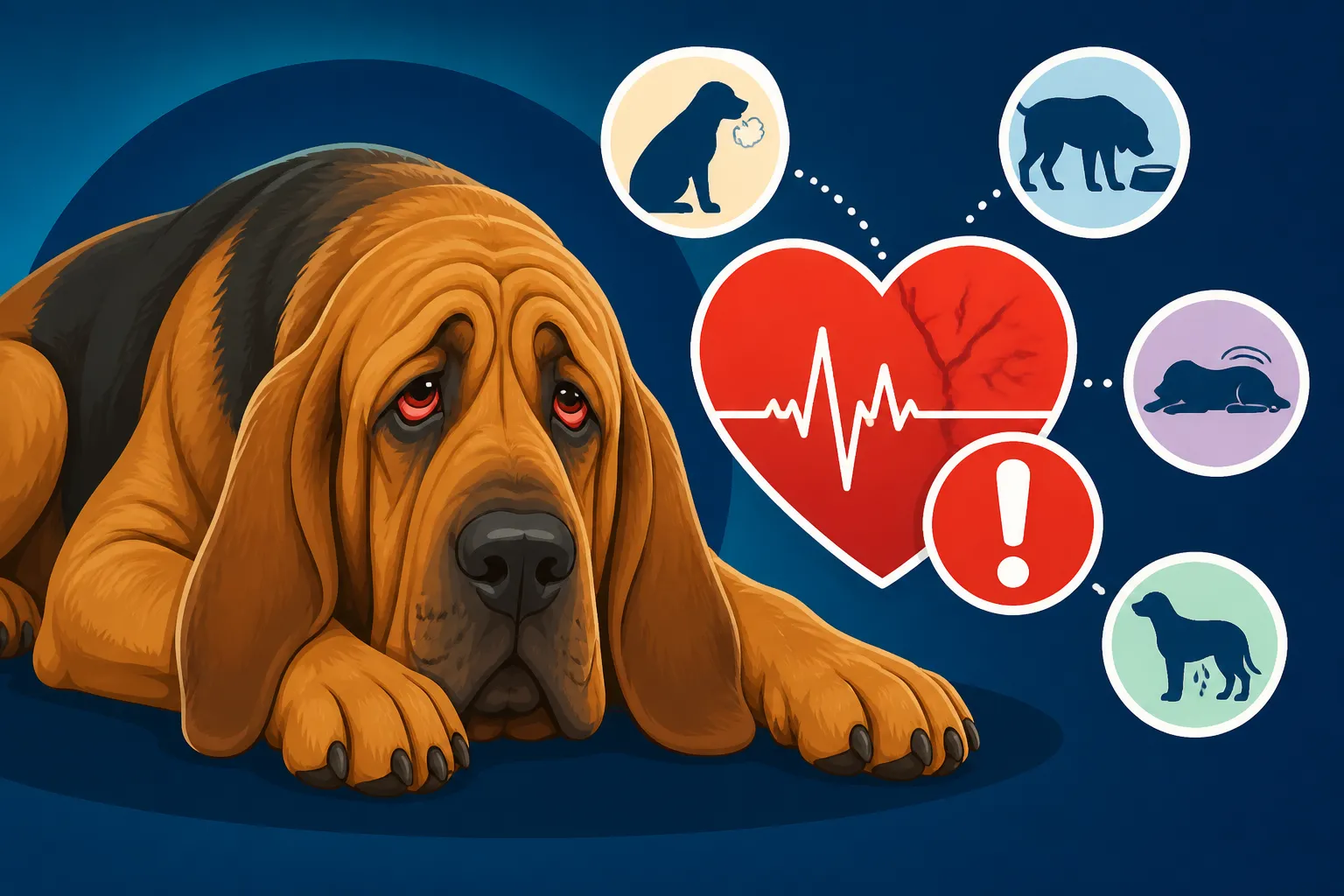
This cough is usually a sign of fluid accumulation in the lungs, a classic symptom of congestive heart failure. When the heart isn't efficiently pumping blood forward, pressure builds up, causing fluid to leak into the lung tissue or around the lungs. Your Bloodhound might try to clear their throat repeatedly, or you might hear a gurgling sound with their breath. It’s particularly concerning if this cough doesn't resolve with typical cold remedies or seems to come and go without any other clear cause. This sort of cough points to a circulatory issue rather than a simple respiratory infection, and it's a common red flag that something is amiss with their cardiac function.
Many owners initially suspect allergies or a kennel cough exposure, which can delay diagnosis. However, if the cough persists for more than a few days, or if it’s accompanied by any other changes in activity or appetite, it’s imperative to get a professional opinion. Describing the sound and timing of the cough to your vet can provide crucial clues. This symptom is a serious indicator that could point directly to Heart Disease in the Bloodhound.
Escalating Concerns: Progressive Symptoms of Heart Disease
As heart disease progresses in Bloodhounds, the initial subtle signs often become more pronounced, and new, more alarming symptoms can emerge. These are the indicators that should prompt an urgent call to your veterinarian, as they signify a more significant impact on your dog's overall health and quality of life. Understanding these escalating signs can help you advocate for your Bloodhound effectively.
Difficulty Breathing and Increased Respiratory Effort
One of the most concerning progressive symptoms is genuine difficulty breathing, often termed dyspnea, or an increase in respiratory effort. This isn't just heavy panting after a vigorous run; it's labored breathing even at rest. You might notice their flanks moving excessively with each breath, their nostrils flaring, or even an open-mouthed breathing pattern when they aren't hot or stressed. This difficulty arises when the heart's failure leads to significant fluid buildup in and around the lungs, making it incredibly hard for them to take in enough oxygen.
Your Bloodhound might choose to sleep with their head elevated or prefer to sit rather than lie down, as lying flat can make breathing even harder due to fluid distribution. Observe their respiratory rate – count how many breaths they take in a minute when they are calm and asleep. A normal resting respiratory rate for a dog is typically between 15-30 breaths per minute. If you consistently find your Bloodhound's resting rate significantly higher than this, say consistently above 35-40 breaths per minute, it's a strong indicator of respiratory distress secondary to heart issues. This is a situation where immediate veterinary attention is paramount.
Additionally, observe the color of their gums. Pale, grayish, or even bluish gums (cyanosis) are a critical emergency sign indicating a severe lack of oxygen in the blood. This means their body isn't getting the vital oxygen it needs, and they are struggling significantly. Do not delay seeking emergency veterinary care if you see this. Breathing difficulties can escalate rapidly, especially in large breeds, and prompt action can be life-saving.
Fainting or Collapse
Perhaps one of the most frightening signs an owner can witness is their Bloodhound fainting (syncope) or collapsing. This occurs when the heart's pumping action becomes so inefficient that it can't deliver enough blood and oxygen to the brain, even for a brief moment. These episodes can happen suddenly, often after a burst of excitement, exertion, or even just during a particularly strong cough. Your Bloodhound might simply drop to the ground, appear disoriented, or even lose consciousness for a few seconds before recovering.
While terrifying, these episodes are a stark warning that your Bloodhound's heart is severely compromised. It indicates a critical lack of cardiac output, and if witnessed, should be treated as an emergency. It's important to differentiate fainting from a seizure; during a faint, your dog will typically go limp and then quickly recover consciousness, often appearing confused. Seizures usually involve uncontrolled muscle activity and a longer recovery period, with post-ictal confusion that lasts much longer. Any instance of fainting or collapse requires an immediate visit to the vet, as it signals a potentially life-threatening cardiac event.
Sometimes, a Bloodhound might not fully collapse but experience profound weakness or staggering, especially after minimal activity. This can be a precursor to a full fainting episode. If your dog suddenly seems wobbly or unable to coordinate their movements, it’s a serious red flag that warrants veterinary attention. Conditions like Whether a Bloodhound Gets Dilated Cardiomyopathy are prime culprits behind these severe symptoms.
Fluid Retention and Abdominal Swelling
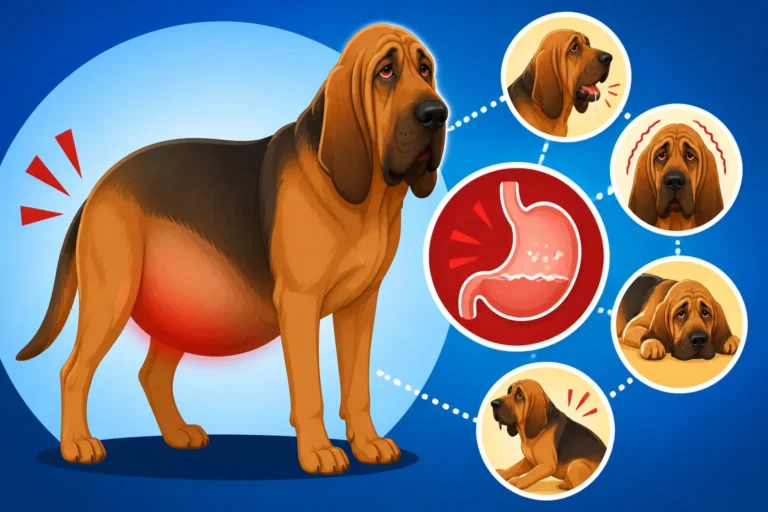
As heart failure advances, the body's circulation becomes sluggish, leading to fluid accumulation in various tissues. In Bloodhounds, this often manifests as a distended or swollen abdomen, known as ascites. This happens because the right side of the heart struggles to pump blood effectively, causing blood to back up in the veins and fluid to leak into the abdominal cavity. Your Bloodhound's belly might look noticeably larger, feel taut, and may even cause discomfort or pressure on their internal organs, sometimes making them unwilling to lie down comfortably.
You might also notice swelling in other areas, such as their legs or paws, known as peripheral edema. While ascites is a more common sign of heart failure in dogs, checking for swelling in the limbs can also provide clues. This fluid retention is a clear indication that the cardiovascular system is failing to maintain proper fluid balance, and it can significantly impact your Bloodhound's comfort and breathing. Monitoring weight can also be helpful; while they might gain weight due to fluid, they may simultaneously be losing muscle mass due to the underlying illness, leading to a strange combination of a bloated belly and a thin overall frame.
This type of fluid retention often signals severe, uncompensated heart failure. The fluid can put pressure on the diaphragm, further exacerbating breathing difficulties. If you notice a rapidly growing abdomen or significant swelling, contact your vet immediately. It's a critical symptom that requires prompt medical attention to manage the fluid buildup and support their failing heart.
Understanding Specific Heart Conditions in Bloodhounds
While many of the signs of heart failure are common across various cardiac diseases, Bloodhounds can be predisposed to certain conditions. Recognizing these specific conditions and their nuances can provide valuable context when working with your veterinarian to formulate a diagnosis and treatment plan.
Dilated Cardiomyopathy (DCM)
One of the most common and serious heart conditions seen in large and giant breeds like the Bloodhound is Dilated Cardiomyopathy (DCM). This disease causes the heart muscle to become thin and weak, leading to an enlarged heart that struggles to pump blood effectively. The chambers of the heart, particularly the ventricles, dilate (widen), and the muscle walls become flabby. This severely reduces the heart's ability to contract and push blood out to the body, ultimately leading to congestive heart failure.
Bloodhounds with DCM may exhibit many of the symptoms discussed earlier: reduced exercise tolerance, lethargy, coughing due to fluid in the lungs, and eventually, fainting or collapse. DCM can be particularly insidious because it often progresses silently in its early stages, making routine vet check-ups and discussions about any subtle changes even more critical. If your vet suspects DCM, they'll likely recommend an echocardiogram (an ultrasound of the heart) to visualize the heart's structure and function. Understanding that Whether a Bloodhound Gets Dilated Cardiomyopathy is a real concern can help you be proactive.
Genetics are thought to play a role in DCM in some breeds, though the specific genetic markers for Bloodhounds are still being researched. This is why Whether a Bloodhound Needs a Cardiac Exam Before Breeding is a topic of importance for responsible breeders. While there's no cure for DCM, early diagnosis and aggressive medical management can often slow its progression and improve quality of life, using medications to strengthen heart contractions, control arrhythmias, and manage fluid buildup.
Arrhythmias and Heart Murmurs
Beyond structural changes, electrical abnormalities in the heart can also cause significant problems. Arrhythmias are irregular heartbeats that can range from benign to life-threatening. Some arrhythmias might not cause any noticeable symptoms, while others can lead to weakness, exercise intolerance, or even fainting spells if the heart's irregular rhythm severely compromises blood flow. Your vet might detect an arrhythmia during a routine physical exam by listening to your Bloodhound's heart, noting an irregular rhythm or skipped beats.
Heart murmurs are another common finding, especially in large breed puppies, and sometimes persist into adulthood. A heart murmur is an abnormal sound heard during a heartbeat, caused by turbulent blood flow. While some murmurs in puppies can be "innocent" and resolve on their own, a new murmur in an adult Bloodhound or a particularly loud murmur should always be investigated. It could indicate a structural defect in the heart valves or chambers, such as a leaky valve or an abnormal connection between chambers.
Knowing Whether a Heart Murmur in a Bloodhound Puppy Matters is important, but a persistent or new murmur in an adult warrants further cardiac diagnostics like an echocardiogram and possibly an ECG (electrocardiogram) to assess the electrical activity. An echocardiogram can help determine the cause and severity of a murmur, while an ECG can identify specific types of arrhythmias. Some arrhythmias can be managed with medication, improving the heart's efficiency and reducing the risk of fainting or other severe complications.
When to Seek Veterinary Care and What to Expect
Recognizing the signs is only half the battle; knowing when to act and what steps to take next is equally important. Early intervention can significantly impact the progression of heart disease and improve your Bloodhound's quality of life. Don't hesitate to contact your veterinarian if you notice any of the concerning symptoms.
Urgent Versus Emergency Situations
It's vital to differentiate between an urgent situation and a dire emergency. Being prepared for either scenario can make a crucial difference.
An urgent situation arises when you notice new or worsening symptoms like:
- A persistent, soft cough that doesn't resolve in a day or two.
- Increased lethargy or unwillingness to exercise over several days, beyond what's normal for your dog.
- A gradual increase in resting respiratory rate when they're calm and sleeping.
- Mild, intermittent swelling in the limbs (edema) or a subtly distended abdomen.
- A noticeable change in appetite or unexplained weight loss.
In these cases, contact your regular veterinarian during business hours to schedule an appointment as soon as possible, ideally within 24-48 hours. Provide them with a detailed history of the symptoms, including when they started and how they've progressed. This allows for a thorough evaluation before the condition becomes critical.
A veterinary emergency requires immediate action and a trip to the nearest emergency veterinary clinic. These situations include:
- Sudden, severe difficulty breathing, indicated by excessive panting, open-mouthed breathing, gasping, or a bluish/purple tint to their gums.
- Fainting or collapse episodes where your Bloodhound loses consciousness or cannot stand.
- Rapid and severe abdominal distension that appears suddenly or worsens quickly.
- Sudden weakness, inability to stand, or disorientation that doesn't quickly resolve.
In an emergency, every minute counts. Call ahead to the emergency clinic if possible to let them know you're coming and describe your Bloodhound's symptoms, so they can be prepared for your arrival. Remember, your Bloodhound's overall health and well-being are always the priority, and rapid action in an emergency can dramatically improve their chances.
Diagnostic Testing and Treatment Options
When you bring your Bloodhound to the vet with suspected heart issues, they'll start with a thorough physical examination, listening carefully to their heart and lungs. They'll also likely recommend a series of diagnostic tests to pinpoint the problem.
Common diagnostic tools include:
- X-rays (Radiographs): These are used to assess the size and shape of the heart and check for fluid in the lungs (pulmonary edema) or around the lungs in the chest cavity (pleural effusion), which are common signs of congestive heart failure.
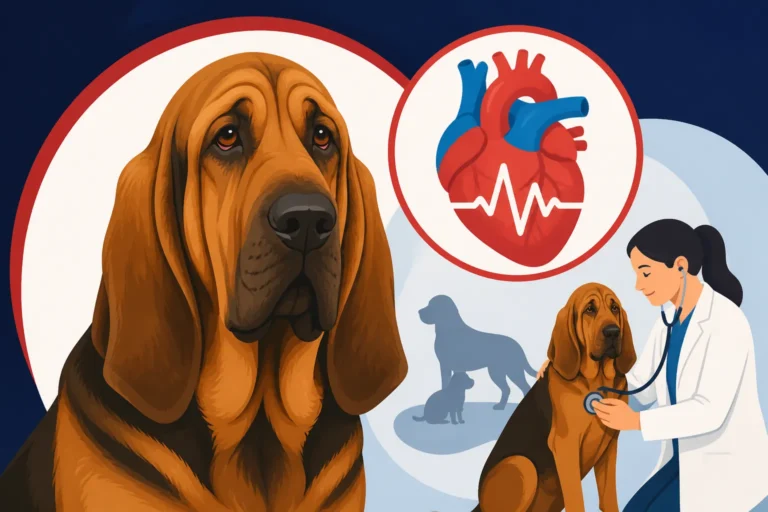
- Echocardiogram (Cardiac Ultrasound): This is often considered the gold standard for diagnosing most heart diseases. It allows the vet or a veterinary cardiologist to visualize the heart's chambers, valves, and muscle contractions in real-time, assessing blood flow and heart function. It can confirm conditions like DCM and help stage the disease.
- Electrocardiogram (ECG/EKG): This measures the electrical activity of the heart, diagnosing arrhythmias (irregular heartbeats) and assessing their severity. A Holter monitor, which is a portable ECG worn for 24 hours, might be used to catch intermittent arrhythmias.
- Blood Tests: While not directly diagnosing heart disease, they can assess overall organ function (especially kidney function, which can be affected by heart medications) and rule out other conditions. Specific blood tests, such as BNP (B-type natriuretic peptide), can also indicate cardiac stress.
- Blood Pressure Measurement: Helps assess the cardiovascular system's efficiency and monitor for hypertension, which can exacerbate heart conditions.
Treatment for heart failure in Bloodhounds typically involves a combination of medications aimed at improving heart function, reducing fluid buildup, and managing blood pressure. These might include diuretics to remove excess fluid, ACE inhibitors to relax blood vessels, positive inotropes (like Pimobendan) to help the heart muscle contract more forcefully, and anti-arrhythmic drugs to regulate heart rhythm. The specific regimen will depend on the diagnosis and severity, but often involves multiple medications given daily. While heart disease is often not curable, it is manageable, and with the right care, many Bloodhounds can enjoy a good quality of life for a significant period.
It's also worth thinking about the financial aspect. Managing chronic heart disease can be costly, with ongoing medication and regular vet visits, specialist consultations, and diagnostic tests. Pet insurance from providers like Healthy Paws can be an invaluable asset, helping to cover unexpected and recurring veterinary expenses for conditions like DCM. Planning ahead financially, perhaps by establishing a dedicated emergency fund, is a smart move for any Bloodhound owner, as A Bloodhound's Money Is Spent in the Operating Room is often a reality for this breed. Discussing comprehensive pet insurance plans from providers such as Healthy Paws with your vet can provide peace of mind in ensuring your Bloodhound receives the best care without undue financial strain. This is a situation where Whether Pet Insurance Is Worth It on a Bloodhound truly becomes apparent.
Long-Term Management and Prognosis
Living with a Bloodhound diagnosed with heart disease means committing to a new routine of care. This often includes strict adherence to medication schedules – never miss a dose – regular recheck appointments with your vet or a veterinary cardiologist, and careful monitoring of your dog at home. You'll likely be asked to monitor their resting respiratory rate daily (counting breaths per minute while they're sleeping) and report any significant changes. Dietary adjustments, such as a low-sodium diet, may also be recommended to help manage fluid retention.
The prognosis for heart disease varies greatly depending on the specific condition, its severity at diagnosis, and how well your Bloodhound responds to treatment. While it's a serious diagnosis, many Bloodhounds with proper management can live comfortably for months or even years. The goal of treatment is always to maintain their quality of life, minimize symptoms, and slow the progression of the disease. Regular communication with your vet and being proactive in your Bloodhound's care are key.
Bloodhounds already face a shorter lifespan compared to some other breeds, so conditions like heart disease weigh heavily. Knowing How Long a Bloodhound Lives can provide context for these health challenges. For breeds like the Bloodhound, whose overall lifespan might be shorter than other breeds, understanding diseases like heart failure is crucial for maximizing their time with you. Remember that The Median Age a Bloodhound Reaches is something to keep in mind, and proactive health management extends their healthy years. Unfortunately, heart failure is a common cause of death, and understanding What Most Bloodhounds Actually Die Of often includes various forms of cardiac disease, especially as What Changes in a Bloodhound at Six can mark the onset of age-related health issues. Being prepared for these eventualities, perhaps by setting aside funds (consider What a Bloodhound Owner Should Keep Liquid), allows for the best possible care for your beloved companion.
| Symptom Category | Early/Subtle Signs (Urgent Vet Visit Recommended) | Progressive/Severe Signs (Emergency Vet Visit Critical) |
|---|---|---|
| Activity/Energy | Reduced stamina, tires easily, less interest in play, lagging on walks | Sudden profound weakness, inability to stand, complete collapse |
| Breathing/Cough | Persistent, soft cough (worse at night/after exercise), occasional panting | Labored breathing at rest, significantly increased respiratory rate, open-mouthed breathing, blue/purple gums |
| Appetite/Weight | Slight decrease in appetite, unexplained weight loss or muscle wasting | Severe loss of appetite, rapid weight loss, or significant weight gain due to fluid |
| Appearance | Subtle swelling in limbs (edema), mild abdominal distension, restlessness at night | Noticeable, rapidly progressing abdominal swelling (ascites), discomfort, pale gums |
| Behavior | Lethargy, disinterest in usual activities, seeking cooler places more often | Fainting (syncope) episodes, disorientation, severe anxiety or restlessness |
Disclaimer
This article is intended for informational purposes only and does not constitute professional veterinary advice. Always consult with a qualified veterinarian for any health concerns or before making any decisions about your Bloodhound's medical care.