Whether a Bloodhound Gets Dilated Cardiomyopathy
One of the most heart-wrenching concerns for any Bloodhound owner is the thought of their beloved companion suffering from a serious health condition. Given their gentle nature and incredible scenting ability, Bloodhounds are often seen as robust, but they do come with their own set of potential health challenges. When it comes to their hearts, many owners naturally wonder about conditions like Dilated Cardiomyopathy (DCM), a disease that can profoundly impact a dog's quality of life. This guide aims to shed light on DCM, specifically how it relates to Bloodhounds, and what you as an owner need to know to protect your furry family member.
Understanding Dilated Cardiomyopathy in Dogs
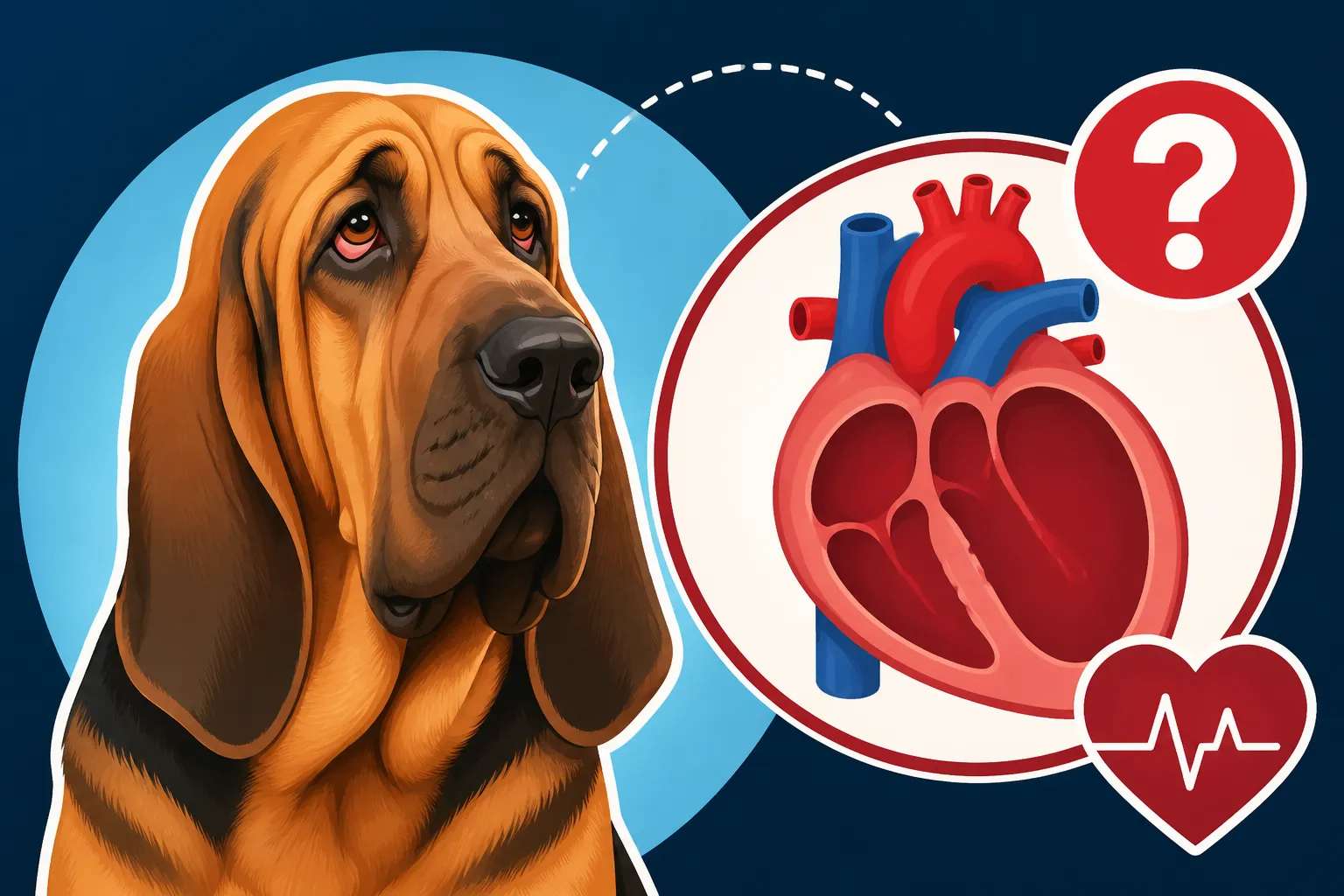
Dilated Cardiomyopathy, often referred to as DCM, is a serious primary disease of the heart muscle itself. It's a condition where the heart's chambers, particularly the left ventricle, become enlarged and weakened, losing their ability to pump blood effectively throughout the body. Imagine a balloon that's been stretched too many times – it becomes flabby and can't hold or expel air with the same force. That's a bit like what happens to a heart affected by DCM.
This progressive weakening of the heart muscle means that blood doesn't circulate as efficiently as it should. Over time, this poor circulation can lead to a buildup of fluid in the lungs and abdomen, a condition known as congestive heart failure. It's a debilitating disease that can significantly impact a dog's energy levels, breathing, and overall comfort, making everyday activities a struggle.
The frustrating part about DCM is that it can often be quite advanced before obvious symptoms appear. Dogs are incredibly good at hiding discomfort, and by the time you notice something is truly wrong, the disease may have progressed significantly. This is why understanding the condition and being vigilant about your Bloodhound's health is so crucial.
How DCM Affects the Heart's Function
In a healthy heart, the muscular walls of the ventricles contract strongly to push oxygen-rich blood out to the body and deoxygenated blood to the lungs. With DCM, these walls become thin and flabby. This not only reduces the force of each pump but also means the chambers can't empty completely, leading to a build-up of blood and further stretching of the heart muscle.
As the heart struggles to meet the body's demands for blood flow, it tries to compensate. It might beat faster, or the body might try to retain more fluid to increase blood volume. While these are initial compensatory mechanisms, they ultimately put more strain on an already failing heart, creating a vicious cycle that accelerates the disease's progression. Eventually, the heart can no longer compensate, leading to the clinical signs of congestive heart failure.
This compromised pumping action affects every organ in the body, as they aren't receiving enough oxygen and nutrients. This can manifest in a variety of ways, from general weakness and lethargy to more specific symptoms related to fluid accumulation in certain areas, particularly the lungs.
Common Symptoms to Watch For
Recognizing the early signs of heart disease can be challenging, as they often mimic other less serious conditions or simply seem like "getting old." However, being aware of potential indicators is vital. You might notice your Bloodhound seeming less enthusiastic about walks or trailing, showing increased lethargy, or having a reduced tolerance for exercise. They might seem to tire more easily than before.
As the condition progresses, more noticeable symptoms can emerge. A persistent cough, especially one that sounds wet or productive, is a common sign, often worse at night or after exercise. Difficulty breathing, rapid breathing (tachypnea), or shortness of breath after minimal exertion are also red flags. Some dogs might experience episodes of weakness, fainting, or collapsing, known as syncope. A distended abdomen due to fluid buildup can also be observed. If you ever notice these more severe signs, it's absolutely an emergency.
It's important to remember that these symptoms can also point to other health issues, but when it comes to the heart, it's always better to err on the side of caution. Prompt veterinary attention can make a significant difference in diagnosing and managing DCM, potentially adding precious time and improving quality of life for your Bloodhound.
Bloodhounds and DCM: What the Research Says
When we talk about Dilated Cardiomyopathy, certain breeds often come to mind immediately, such as Doberman Pinschers, Boxers, and Great Danes, due to a known genetic predisposition. For Bloodhounds, the picture is a bit different. While they are a large breed, Bloodhounds are not considered one of the breeds with a strong, well-established genetic predisposition to DCM, unlike some of their giant breed cousins.
This isn't to say that a Bloodhound can't ever develop DCM. Any dog, regardless of breed, could potentially develop an acquired form of DCM, or a less common inherited form. However, compared to breeds where DCM is rampant and a primary cause of concern, Bloodhounds generally face a lower specific risk for primary DCM. That said, Bloodhounds are prone to other heart issues, so their cardiac health still warrants careful monitoring. Understanding Heart Disease in the Bloodhound more broadly is always a good idea for owners of this majestic breed.
The overall median age a Bloodhound reaches is typically around 8-10 years, and while various health issues contribute to this, DCM is not usually cited as a top cause of mortality in the breed. Conditions like bloat are far more prevalent and concerning for Bloodhound owners.
Genetic Predisposition vs. Acquired Factors
The distinction between genetic and acquired DCM is important. In breeds like the Doberman, there's a specific gene mutation identified that directly leads to DCM. This means if a dog inherits this gene, their risk is dramatically higher. For these breeds, genetic screening is a crucial tool for responsible breeders.
For Bloodhounds, no such clear genetic marker for DCM has been widely identified or established as a primary breed-specific risk factor. Therefore, any cases of DCM in Bloodhounds are more likely to be considered "acquired" or idiopathic (meaning the cause is unknown). Acquired DCM can sometimes be linked to nutritional deficiencies, particularly taurine or carnitine, though this is less common with modern, well-balanced commercial dog foods. It can also be a secondary result of other underlying conditions or even certain medications, though these are rarer circumstances.
The lack of a strong genetic link makes proactive screening different for Bloodhounds than for, say, a Doberman. Instead of specific genetic tests for DCM, the focus shifts more towards general cardiac health monitoring through regular veterinary exams and being vigilant for any clinical signs that might point to heart issues, whatever their underlying cause may be.
Importance of Comprehensive Health Screening
Even without a primary genetic link to DCM, comprehensive health screening remains incredibly important for Bloodhounds. Responsible breeders will perform various health clearances on their breeding stock to reduce the incidence of many inherited conditions that do affect the breed. For instance, screening for orthopedic issues like hip and elbow dysplasia is standard.
When it comes to the heart, while specific DCM screening isn't usually prioritized as it would be for a Doberman, a general cardiac exam, including auscultation (listening to the heart with a stethoscope), is part of any thorough veterinary check-up. Breeders often go a step further, and it's a good idea to consider Whether a Bloodhound Needs a Cardiac Exam Before Breeding for potential breeding dogs to ensure overall heart health.
This broader approach helps catch any murmurs or arrhythmias that could indicate other forms of heart disease, not just DCM. It’s also crucial for new puppy owners to research their breeder carefully and ensure they are committed to health testing across the board, asking about the health history of the puppy's parents and grandparents.
Recognizing the Signs of Heart Disease in Your Bloodhound
As deeply devoted Bloodhound owners, we know our dogs better than anyone. We recognize the subtle shifts in their demeanor, their energy levels, and their enthusiasm for life's great pleasures, like following an enticing scent trail. Being attuned to these nuances is your first and most powerful tool in detecting potential health issues, including those affecting the heart. While DCM might not be a top-tier genetic threat for Bloodhounds, other forms of heart disease can still affect them, and the signs often overlap.
One common frustration is that Bloodhounds, being stoic by nature, are masters at masking discomfort. This means that by the time overt symptoms appear, a condition might be quite advanced. This isn't their fault; it's a survival instinct. But it places the onus on us to be incredibly observant and not dismiss subtle changes as merely "getting older" or a temporary off day.
Subtle Early Signs
Early heart disease, regardless of its specific type, often manifests through subtle changes in your Bloodhound's routine and activity. You might notice they're a little less eager to go for a long walk, or their famous endurance on a trail seems diminished. Perhaps they're sleeping more than usual, or taking longer to recover after a burst of activity. This isn't just "aging in a Bloodhound," which typically starts at six; it could be something more.
Another sign to watch for is a decrease in appetite or weight loss, although DCM can also cause fluid retention that masks actual weight loss. A general sense of weakness or reluctance to play can also be an early indicator. If your Bloodhound usually greets you with boundless energy but now just offers a sleepy tail wag, it's worth noting. Any persistent, uncharacteristic lethargy should prompt a call to your veterinarian, especially if it's accompanied by other minor changes you've observed.
It's helpful to keep a mental (or even written) log of your Bloodhound's normal activity levels and habits. This way, when subtle changes occur, you have a baseline to compare against, making it easier to communicate your concerns accurately to your vet.
More Advanced Symptoms
As heart disease progresses, the symptoms become more pronounced and concerning. These are the signs that typically push owners to seek emergency veterinary care. One of the most common and alarming is a persistent, deep cough. This cough isn't just a clearing of the throat; it can be frequent, worsening at night, or after exercise, and sometimes sounds wet or phlegmy due to fluid accumulation in the lungs (pulmonary edema).
Difficulty breathing (dyspnea) or rapid breathing (tachypnea) are critical signs. You might see your Bloodhound struggling to catch its breath, with exaggerated chest movements, or notice its breathing rate is much higher than normal even at rest. If you're concerned about your Bloodhound's breathing, count their breaths per minute while they're sleeping or resting calmly – a normal rate is usually between 15-30 breaths per minute. A consistently higher rate is a cause for concern.
Other severe signs include episodes of fainting or collapsing (syncope), where your Bloodhound suddenly loses consciousness, often after excitement or exertion. This is due to a temporary lack of oxygen to the brain. A distended abdomen, or "pot belly," can also occur as fluid accumulates in the abdominal cavity (ascites). These are all serious indications that require immediate veterinary intervention. Knowing the Signs a Bloodhound's Heart Is Failing can truly save a life.
When to Seek Veterinary Attention
Honestly, if you have any concerns about your Bloodhound's heart health, it's always best to consult your veterinarian. Don't wait until the advanced symptoms appear. Early detection can lead to better management and potentially a longer, more comfortable life for your dog. If you observe any of the subtle early signs mentioned above, schedule a non-emergency appointment to get a thorough check-up.
However, if you notice any of the more advanced or acute symptoms—especially persistent coughing, difficulty breathing, or fainting—do not hesitate. These are veterinary emergencies. Call your vet or the nearest emergency veterinary clinic immediately and head there as quickly and safely as possible. Time can be critical when dealing with acute heart failure, and prompt intervention can stabilize your Bloodhound and buy precious time.
Your vet will likely perform a physical exam, listen to their heart and lungs, and discuss your observations in detail. Be prepared to provide a complete history of symptoms, including when they started, how frequently they occur, and what seems to make them better or worse. This information is invaluable for diagnosis.
Diagnosing DCM in Bloodhounds
When you bring your Bloodhound to the vet with concerns about their heart, the diagnostic process will typically follow a systematic approach, starting with the least invasive methods and progressing to more specific cardiac tests. This thorough investigation is essential to pinpoint the exact nature of any heart problem, be it DCM or another condition, and to rule out other issues that might present with similar symptoms.
It can be a worrying time, but remember that veterinary professionals are skilled at interpreting these signs and using modern diagnostic tools to get answers. The goal is always to get a clear picture of what's happening inside your Bloodhound's chest so that the most effective treatment plan can be put into action.
Initial Veterinary Examination
Your veterinarian will begin with a comprehensive physical examination. This is more than just a quick once-over; it involves a detailed assessment of several key indicators. They will carefully listen to your Bloodhound's heart using a stethoscope – a process called auscultation. They'll be listening for any abnormal heart sounds, such as murmurs (which indicate turbulent blood flow) or arrhythmias (irregular heartbeats). They'll also check their pulse rate and rhythm, as well as their capillary refill time (CRT) to assess circulation.
Beyond the heart, your vet will listen to your Bloodhound's lungs for any abnormal sounds like crackles or wheezes, which could suggest fluid buildup. They will also palpate (feel) your Bloodhound's abdomen for any swelling or fluid, and check the mucous membranes for color, which can indicate oxygen levels. They'll also assess overall body condition, noting any muscle wasting or signs of general debilitation.
During this initial exam, your vet will also gather a detailed history from you. Be ready to discuss any symptoms you've observed, how long they've been present, and any changes in your Bloodhound's behavior, appetite, or activity levels. This information, combined with the physical exam findings, helps guide the next steps in the diagnostic process.
Diagnostic Tools: X-rays, ECG, and Echocardiogram
If the initial examination raises suspicion of heart disease, your vet will recommend further diagnostic tests. These tests provide more definitive information about the heart's structure and function.
-
Chest X-rays (Radiographs): X-rays are an excellent tool for assessing the size and shape of the heart, as well as looking for fluid buildup in the lungs or around the heart. While an X-ray can indicate an enlarged heart, it doesn't provide specific details about the heart's internal structure or pumping ability. It's a good first step to evaluate overall cardiac silhouette and pulmonary status.
-
Electrocardiogram (ECG): An ECG measures the electrical activity of the heart. It's used to detect arrhythmias, which are common in heart disease, including DCM. While an ECG can identify irregular heart rhythms, it doesn't give information about the heart's size or strength of contraction. It's particularly useful for identifying specific types of arrhythmias that might indicate a problem.
-
Echocardiogram (Cardiac Ultrasound): This is considered the gold standard for diagnosing DCM and other structural heart diseases. An echocardiogram uses sound waves to create a real-time image of the heart's chambers, valves, and surrounding structures. It allows the veterinarian to directly visualize the heart muscle, measure chamber size, assess wall thickness, and most importantly, evaluate the heart's pumping efficiency (ejection fraction and fractional shortening). This test can definitively confirm if the heart chambers are dilated and if the muscle is weakened, which are the hallmarks of DCM.
Sometimes, additional tests like blood work (to check kidney function, electrolytes, and cardiac biomarkers like proBNP) or a Holter monitor (a 24-hour ECG) may be recommended, especially if arrhythmias are suspected or to rule out other metabolic causes.
The Role of Specialized Veterinary Cardiologists
While your general practice veterinarian can perform initial assessments and many diagnostic tests, complicated cardiac cases, especially those like DCM that require precise measurement and ongoing management, often benefit greatly from a referral to a board-certified veterinary cardiologist. These specialists have advanced training and equipment solely dedicated to diagnosing and treating heart conditions in animals.
A veterinary cardiologist can perform a highly detailed echocardiogram, interpret complex ECG readings, and develop the most nuanced and effective treatment plan. They are often up-to-date on the latest research and treatment protocols, offering your Bloodhound the best possible chance at managing the disease. They can also provide guidance on prognosis and help you understand what to expect moving forward. While seeing a specialist can add to the financial aspect of A Bloodhound's Money Is Spent in the Operating Room, their expertise is invaluable for conditions like DCM.
Managing Dilated Cardiomyopathy in Bloodhounds
Learning that your Bloodhound has Dilated Cardiomyopathy can be incredibly distressing. It's a serious diagnosis, and it's completely normal to feel overwhelmed and anxious about their future. While DCM is not curable, it is absolutely manageable. The good news is that with prompt diagnosis and dedicated medical management, many dogs with DCM can go on to live a good quality of life for months or even years.
The primary goal of managing DCM is to slow the progression of the disease, alleviate symptoms, and improve your Bloodhound's comfort and overall well-being. This often involves a multi-faceted approach, combining medication, dietary adjustments, and careful monitoring of their activity levels. It's a partnership between you, your primary vet, and potentially a veterinary cardiologist, all working together for your beloved hound.
Treatment Goals
The main objectives when treating DCM are:
- Improve Cardiac Function: Medications are aimed at helping the heart pump more efficiently and reducing the workload on the weakened muscle.
- Control Congestive Heart Failure: If fluid buildup is present, medications will be used to reduce it, making breathing easier and reducing swelling.
- Manage Arrhythmias: Irregular heartbeats can be life-threatening and need to be controlled with anti-arrhythmic drugs.
- Enhance Quality of Life: Ultimately, the goal is to make your Bloodhound feel as comfortable and normal as possible, allowing them to enjoy their days without constant struggle.
It's a delicate balance, and your vet will tailor the treatment plan specifically to your Bloodhound's needs, adjusting medications as the disease progresses or symptoms change. Regular recheck appointments are crucial to ensure the treatment remains effective and to make any necessary modifications.
Medications Used
A combination of medications is typically prescribed to manage DCM and its symptoms. These commonly include:
- Pimobendan (Vetmedin): This is often considered a cornerstone of DCM treatment. It works in two ways: it strengthens the heart's contractions and dilates blood vessels, reducing the workload on the heart. Studies have shown it can significantly prolong life and improve quality of life in dogs with DCM.
- ACE Inhibitors (e.g., Enalapril, Benazepril): These medications help relax blood vessels, reducing blood pressure and making it easier for the heart to pump blood. They also help prevent fluid retention and reduce the progression of heart remodeling.
- Diuretics (e.g., Furosemide): If your Bloodhound is experiencing fluid buildup in the lungs (pulmonary edema) or abdomen (ascites), diuretics are essential to help the body eliminate excess fluid. This significantly improves breathing and comfort.
- Anti-arrhythmic Drugs (e.g., Sotalol, Mexiletine): If dangerous arrhythmias are present, specific medications are used to stabilize the heart's rhythm and prevent potentially fatal electrical disturbances.
- Spironolactone: This is another diuretic that works in a different way than furosemide, helping to counteract some of the hormonal effects that occur during heart failure and further reduce fluid.
Your vet will carefully explain each medication, its purpose, dosage, and potential side effects. It’s vital to administer all medications exactly as prescribed and never adjust doses without consulting your vet.
Lifestyle Adjustments
Beyond medication, several lifestyle adjustments can help support your Bloodhound's heart health:
- Diet: While there's ongoing research into the link between certain grain-free diets and DCM in some breeds (though less relevant for Bloodhounds in general, it's always worth discussing diet with your vet), the main dietary goal for a dog with DCM is often to reduce sodium intake. Low-sodium prescription diets are available and can help minimize fluid retention. Your vet may also recommend supplements like taurine or L-carnitine, especially if a deficiency is suspected, though this is less common with commercial diets.
- Exercise Restriction: High-impact or strenuous exercise puts extra strain on a weakened heart. Your vet will likely recommend restricting activity to short, gentle leash walks. The intensity and duration of exercise will depend on the severity of your Bloodhound's condition and their response to treatment. The goal is enough activity to maintain muscle tone and mental well-being without overtaxing the heart.
- Monitoring at Home: You'll become your Bloodhound's most important caregiver. This includes closely monitoring their breathing rate at rest or sleep, watching for any coughing, changes in energy, or appetite. Keeping a log of these observations can be incredibly helpful for your vet.
- Stress Reduction: A calm, predictable environment can help reduce stress on the heart. Minimize sudden excitements or prolonged periods of anxiety.
Managing a Bloodhound with DCM is a marathon, not a sprint. It requires dedication, but seeing your companion comfortable and happy makes all the effort worthwhile.
Prevention and Proactive Care for Bloodhound Heart Health
While Bloodhounds aren't typically predisposed to DCM like some other breeds, ensuring their heart health is a critical part of responsible ownership. Proactive care involves making informed choices from the start, working closely with your veterinarian throughout your Bloodhound's life, and being prepared for potential health challenges. Because even if DCM isn't a primary concern, other forms of heart disease, just like in any breed, can arise.
This journey starts even before you bring your Bloodhound home and continues through their senior years. Being prepared and vigilant can make a significant difference in their long-term health and well-being.
Breeder Screening and Health Clearances
The very first step in proactive heart health, especially for a purebred dog like a Bloodhound, begins with choosing a responsible breeder. A good breeder will be transparent about the health history of their breeding stock, including any incidence of heart disease in the lineage. They should be performing health clearances recommended by the breed club, such as the American Bloodhound Club.
While DCM isn't typically on the list for specific genetic testing in Bloodhounds, breeders should still be able to provide documentation of general cardiac health evaluations for their breeding dogs, such as auscultation by a veterinarian or even a basic echocardiogram if there's any family history of heart issues. Asking Whether a Bloodhound Breeder Should Do Cardiac and Thyroid Too is a very valid question. A reputable breeder will prioritize the overall health of their line, not just appearance or working ability. This foundation is crucial for starting your Bloodhound puppy off on the right paw.
Regular Veterinary Check-ups
Even if your Bloodhound seems perfectly healthy, regular veterinary check-ups are non-negotiable for proactive care. For puppies, a series of visits ensures they are growing properly and allows the vet to establish a baseline. For adult Bloodhounds, annual check-ups become vital. During these visits, your vet will perform a thorough physical exam, including carefully listening to your dog's heart and lungs.
These routine exams are often where subtle murmurs or arrhythmias are first detected, sometimes long before any clinical signs become apparent to you. Early detection allows for earlier intervention, potentially slowing the progression of any heart disease. As your Bloodhound enters their senior years, which for a large breed like a Bloodhound often begins around age six, your vet might recommend more frequent check-ups or specific screening tests, such as blood work or even a baseline chest X-ray, to monitor organ function and overall health.
This table highlights the general timeline for cardiac screening:
| Age/Stage | Recommended Cardiac Screening | Purpose |
|---|---|---|
| Puppy (8-16 wks) | Vet check, auscultation | Detect congenital heart defects or murmurs |
| Annual Adult | Vet check, auscultation, physical exam | Monitor for acquired heart disease, murmurs, arrhythmias, and overall health |
| Senior (6+ yrs) | Annual vet check, auscultation, possibly blood work, chest X-ray | Monitor for age-related heart changes, early signs of failure, and other health concerns |
| At-Risk/Symptoms | Echocardiogram, ECG, specialized consult | Definitive diagnosis of DCM or other specific heart conditions |
Nutrition Considerations
Nutrition plays a foundational role in overall health, including cardiac health. For Bloodhounds, feeding a high-quality, balanced diet appropriate for large breeds is essential, especially during their rapid growth phase to support healthy bone and joint development.
While the primary link between specific grain-free diets and DCM has been observed more strongly in certain breeds like Golden Retrievers, the scientific community is still investigating these dietary connections. It's always a good idea to discuss your Bloodhound's diet with your veterinarian. They can advise on brands and formulations that are backed by scientific research and have undergone rigorous feeding trials. Choosing a diet from a reputable company that employs veterinary nutritionists is often a safe bet. If your Bloodhound has been diagnosed with heart disease, your vet will likely recommend a prescription cardiac diet, which is typically low in sodium and specifically formulated to support heart function.
The Role of Pet Insurance
Let's be realistic: managing any chronic health condition, especially heart disease, can be incredibly expensive. Diagnostic tests, specialist consultations, and ongoing medications can quickly add up. This is where pet insurance can be a true lifesaver for Bloodhound owners. Companies like Healthy Paws offer comprehensive coverage that can help offset the costs of unexpected illnesses and accidents.
Enrolling your Bloodhound in a pet insurance plan early in their life, before any pre-existing conditions develop, is a wise financial decision. While pet insurance policies generally don't cover pre-existing conditions, a robust plan from a provider like Healthy Paws can cover a significant portion of the costs associated with diagnosing and treating new conditions like heart disease, including expensive echocardiograms, medications, and even emergency visits. It provides peace of mind, allowing you to make medical decisions based on what's best for your Bloodhound, rather than solely on your budget.
Disclaimer
This article is intended for informational purposes only and does not constitute professional veterinary advice. Always consult with a qualified veterinarian for any health concerns or before making any decisions about your Bloodhound's medical care or treatment plan.