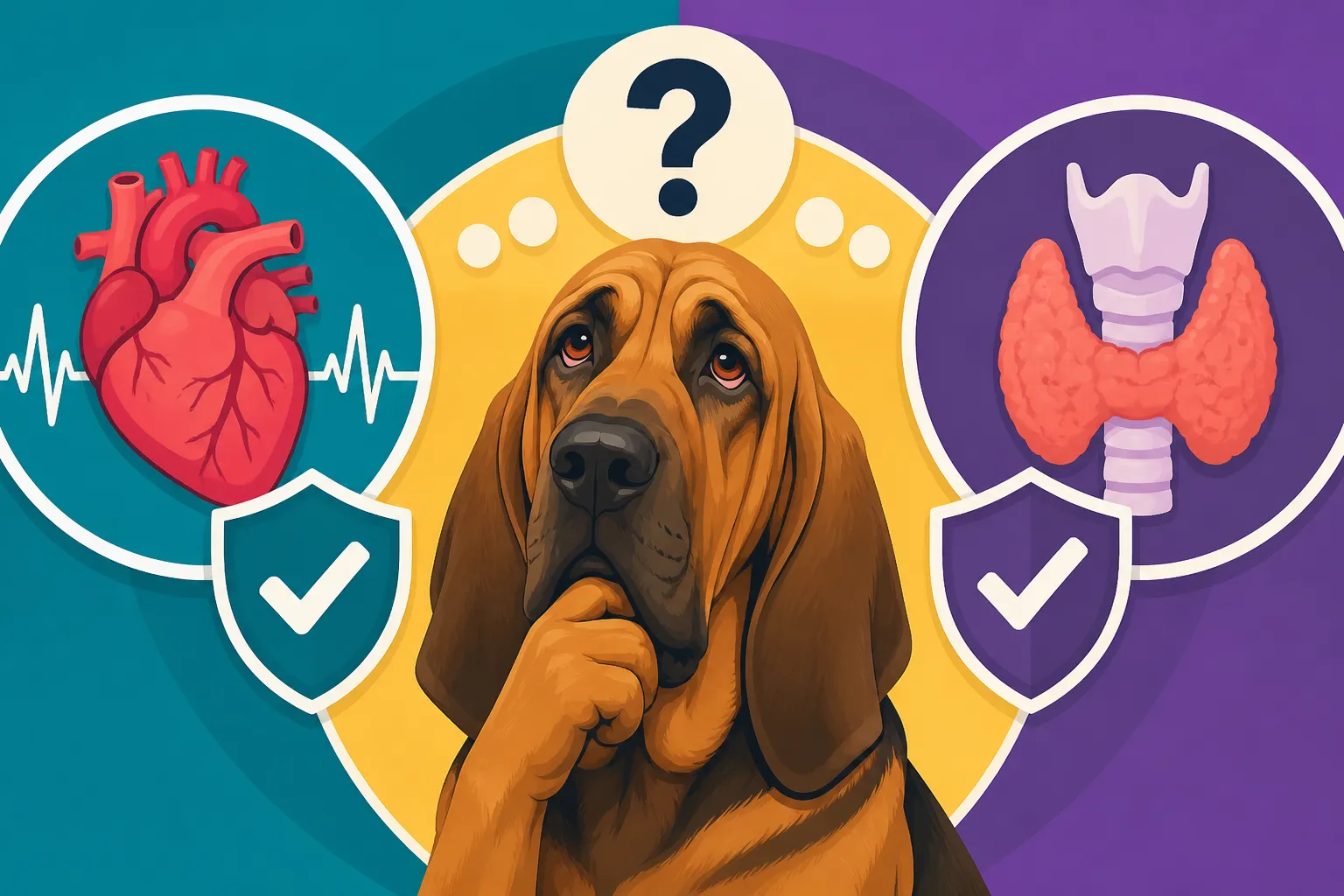
Whether a Bloodhound Breeder Should Do Cardiac and Thyroid Too
As Bloodhound breeders, we carry an immense responsibility, not just for the beautiful puppies we bring into the world, but for the health and longevity of the breed itself. While most reputable breeders are diligent about screening for common issues like hip and elbow dysplasia and certain eye conditions, it’s natural to wonder if we're doing enough. Are there other, less frequently discussed health concerns that we should be proactively testing for? This guide aims to delve into why cardiac and thyroid screenings, though sometimes overlooked, are crucial considerations for Bloodhound breeders committed to the highest standards of care and the well-being of their lines.
Beyond the Basics: The Importance of Comprehensive Health Screening in Bloodhounds
Raising Bloodhounds is a labor of love, and part of that love means making informed decisions about their health. We all want our puppies to thrive and live long, happy lives. This often starts with understanding the full spectrum of potential health issues that can affect this magnificent breed.
The Standard Screening Protocols for Bloodhounds
When you talk about health testing in Bloodhounds, certain screenings immediately come to mind. We're talking about conditions like hip and elbow dysplasia, which can severely impact a dog's mobility and quality of life. Reputable breeders meticulously screen for these orthopedic issues, often utilizing organizations like the Orthopedic Foundation for Animals (OFA) or the PennHIP program to evaluate joint health. Similarly, eye examinations by a board-certified veterinary ophthalmologist are standard practice to identify conditions such as ectropion, entropion, or cherry eye, which Bloodhounds are predisposed to due to their distinctive facial structure. The American Bloodhound Club provides excellent guidelines, and you can often find information on What the American Bloodhound Club Asks Breeders to Screen.
These core screenings are absolutely critical, and no responsible breeder would skip them. They form the foundation of a healthy breeding program, helping to minimize the incidence of debilitating inherited conditions that can cause significant pain and expense for future owners. However, stopping at these foundational tests might mean missing other, equally important pieces of the health puzzle.
The Hidden Risks: Why Cardiac and Thyroid Health Matter
It's easy to focus on the problems that are visually apparent or that cause immediate, dramatic symptoms. But some health conditions are more insidious, developing slowly or presenting with subtle signs that can be easily misinterpreted. Cardiac (heart) and thyroid diseases fall into this category. They might not be as "flashy" as a severe case of hip dysplasia, but their impact on a Bloodhound's quality of life and even lifespan can be profound.
These conditions often have a genetic component, meaning they can be passed down from parent to offspring. A breeder might have a seemingly healthy dog who is, in fact, an asymptomatic carrier or is developing a condition that isn't yet obvious. Without specific screening, these issues can quietly propagate through breeding lines, only to surface later, causing heartbreak and significant veterinary bills for unsuspecting families. For instance, while not as prevalent as some other breeds, Bloodhounds can still experience Heart Disease in the Bloodhound, which underscores the need for proactive screening. Investing in comprehensive screening is about looking beyond what's immediately visible and taking a holistic approach to canine health, ensuring that every puppy has the best possible start in life.
Unveiling Heart Health: Cardiac Screening for Bloodhounds
The heart is the engine of any living being, and ensuring a strong, healthy heart in our Bloodhounds is paramount. While Bloodhounds aren't typically highlighted as a breed with extremely high rates of severe congenital heart disease, responsible breeding demands vigilance against any potential cardiac issues.
Understanding Heart Disease in Bloodhounds
Heart disease in dogs can manifest in various ways, from congenital defects present at birth to acquired conditions that develop later in life. In larger breeds like Bloodhounds, one of the more concerning acquired conditions can be dilated cardiomyopathy (DCM), where the heart muscle becomes thin and weak, leading to an enlarged heart and inefficient pumping of blood. While DCM is more strongly associated with certain other large breeds, it can occur in Bloodhounds. More commonly, breeders might encounter heart murmurs, which are abnormal sounds heard during a heartbeat. While some murmurs are "innocent" (especially in puppies) and resolve on their own, others can indicate underlying structural issues with the heart valves or chambers.
The insidious nature of many heart conditions is that they can be asymptomatic for a long time. A dog might appear completely normal, full of energy, and show no outward signs of distress, even while their heart is struggling. This is why screening is so vital; it allows us to identify potential problems before they become critical. If a dog in a breeding program carries or develops a significant cardiac condition, it has implications for its offspring, potentially passing on predispositions to these very serious health challenges. Understanding Signs a Bloodhound's Heart Is Failing can help owners catch issues early, but breeders aim to prevent them.
What Cardiac Screening Entails for Breeders
For breeders, cardiac screening typically involves a multi-step approach, often starting with a thorough physical examination by a veterinarian. This initial exam will always include auscultation, where the vet listens carefully to the dog's heart with a stethoscope to detect any murmurs or arrhythmias (irregular heartbeats). While a general vet can perform this, the gold standard for breeding stock involves a specialist.
The most comprehensive cardiac screening for breeding animals is performed by a board-certified veterinary cardiologist. This specialist will conduct an advanced auscultation and, crucially, an echocardiogram. An echocardiogram is essentially an ultrasound of the heart, allowing the cardiologist to visualize the heart's structure, measure chamber sizes, assess valve function, and observe blood flow. This non-invasive procedure can detect subtle abnormalities that wouldn't be apparent through auscultation alone. Many breed clubs, including the American Bloodhound Club, recommend that breeding stock be screened by a cardiologist before breeding, and often on an ongoing basis. You can often find information on Whether a Bloodhound Needs a Cardiac Exam Before Breeding for specific recommendations.
The typical age for cardiac screening for breeding purposes is generally after the dog has reached maturity, usually around 12 to 24 months, to ensure a fully developed heart. If a heart condition is identified, the cardiologist can provide guidance on the severity, prognosis, and whether it's advisable to remove the dog from the breeding program. For potential puppy owners, knowing that a breeder has invested in these specialized screenings provides immense peace of mind. And if, down the line, a dog does develop a heart condition, having comprehensive pet insurance like that offered by Healthy Paws can be a lifesaver for managing treatment costs.
Balancing the Glands: Thyroid Screening in Bloodhounds
The thyroid gland, located in the neck, plays a critical role in regulating metabolism and overall bodily function. When it's not working correctly, it can lead to a cascade of health problems. Hypothyroidism, an underactive thyroid, is a relatively common endocrine disorder in dogs, and Bloodhounds are not immune.
Recognizing Hypothyroidism in Bloodhounds
Hypothyroidism occurs when the thyroid gland doesn't produce enough thyroid hormones. These hormones are essential for regulating metabolism, energy production, and the health of skin and coat. The symptoms of hypothyroidism can be varied and often mimic other conditions, making it a challenging diagnosis without specific testing.
Common signs of hypothyroidism in Bloodhounds can include:
- Lethargy and reduced activity: Your once-energetic Bloodhound might seem unusually tired or reluctant to play.
- Weight gain: Despite no change in diet or exercise, a hypothyroid dog may start to put on weight.
- Coat and skin issues: This is often one of the most noticeable signs. You might see a dry, brittle coat, hair loss (especially on the flanks or tail), a "rat tail" appearance, recurrent skin infections, or excessive dandruff.
- Cold intolerance: They might seek warm spots more often or shiver in mild temperatures.
- Mental dullness: Some owners report a decrease in alertness or responsiveness.
Because these signs can be subtle and develop gradually, it's easy for an owner to attribute them to "getting older" or "just being a Bloodhound." However, left untreated, hypothyroidism can significantly diminish a dog's quality of life. There's a known genetic predisposition for certain autoimmune forms of hypothyroidism, making screening for breeding stock even more important. More detailed information can be found in resources like Hypothyroidism in a Bloodhound.
The Thyroid Screening Process for Breeding Stock
Thyroid screening for breeding Bloodhounds involves specific blood tests to measure various thyroid hormone levels and antibodies. The most common tests include:
- Total T4 (Thyroxine): Measures the total amount of thyroid hormone in the blood.
- Free T4 (fT4): Measures the unbound, active form of thyroxine, which is often a more accurate indicator.
- TSH (Thyroid Stimulating Hormone): A high TSH level often indicates the thyroid gland isn't responding adequately.
- Thyroglobulin Autoantibody (TgAA): This test detects antibodies that attack the thyroid gland, indicating an autoimmune form of the disease.
These tests should ideally be performed at a specialized veterinary diagnostic laboratory that has breed-specific reference ranges. It's not uncommon for Bloodhounds, particularly during certain life stages or if they have other illnesses, to have borderline results. Experienced veterinarians and specialists are best equipped to interpret these results accurately.
Regarding frequency, many experts recommend screening breeding Bloodhounds yearly, or at least before each breeding, especially for females who may experience hormonal fluctuations during pregnancy that can affect thyroid function. You can learn more about this in Whether a Bloodhound's Thyroid Should Be Tested Yearly. Starting screening when the dog is mature, generally after 12 months of age, is typical. If a dog is diagnosed with hypothyroidism, it typically requires lifelong medication, which is generally affordable but needs to be consistent. For dogs on special diets or needing supplements, online retailers like Chewy or Ollie can be excellent resources for convenient, reliable delivery of veterinary diets and supplies.
The Breeder's Responsibility and the Future of the Breed
As breeders, we are the guardians of our beloved Bloodhound breed. Every decision we make about health testing, breeding pairs, and puppy placement impacts the future health and vitality of these incredible hounds. Taking a proactive approach to comprehensive health screening is not just a good practice; it's a moral imperative.
The Ethical and Practical Considerations
Implementing comprehensive health screening, including cardiac and thyroid panels, does come with an investment of time and money. There are vet visits, specialist appointments, and laboratory fees. It's a significant commitment. However, when we weigh these costs against the potential heartache and financial burden faced by families with a sick puppy, the choice becomes clear. For those wanting to understand the full picture, reviewing What a Health Tested Bloodhound Puppy Costs might offer perspective on the breeder's investment.
Ethically, breeders have a responsibility to produce animals with the best possible chance at a healthy life. Practically, this means making tough decisions based on screening results. A dog with a disqualifying or severe health condition, even if it's a beloved pet, should be removed from the breeding program. Transparency is also key: reputable breeders openly share all health test results with prospective puppy buyers, demonstrating their commitment and allowing families to make informed choices. The goal is always to improve the health of our Bloodhounds, contributing to a future where they can enjoy their full, albeit often shorter than we'd like, lives. We know Bloodhounds have a shorter average lifespan, and understanding How Long a Bloodhound Lives makes every effort to enhance their health even more critical.
Communicating Screening Results to Prospective Owners
Once you've done the hard work of comprehensive screening, communicating those results clearly and confidently to prospective owners is crucial. Don't just hand them a stack of papers; take the time to explain what each test means, why you performed it, and how the results contribute to the health of their future puppy.
A well-organized binder or digital file containing all OFA clearances (for hips, elbows, patellas), eye certifications, and cardiac and thyroid panel results makes a strong statement. You can even include a summary table like this one:
| Screening Type | Condition(s) Targeted | Method | Standard Age for Testing (Breeding Stock) | Sample Result |
|---|---|---|---|---|
| Hips | Hip Dysplasia | OFA Radiograph | 24 months + | Good/Excellent |
| Elbows | Elbow Dysplasia | OFA Radiograph | 24 months + | Normal |
| Eyes | Various Eye Diseases | Ophthalmologist Exam (OFA Eye) | Yearly | Normal |
| Cardiac | Heart Conditions | Cardiologist Exam (OFA Cardiac) | 12 months + (before breeding) | Normal |
| Thyroid | Hypothyroidism | Blood Panel (OFA Thyroid) | 12 months + (yearly or before breeding) | Normal |
Presenting these results not only builds trust but also educates new owners about ongoing health considerations for their Bloodhound. It shows that you’ve gone above and beyond, not just meeting the basic standards like What an OFA Hip Score Means for a Bloodhound, but actively working to minimize the risks of less obvious conditions. Ultimately, it reinforces that comprehensive screening is an investment in the health of each individual puppy and the long-term vitality of the Bloodhound breed we all cherish.
Disclaimer
This article is for general informational purposes only and does not constitute professional advice. Laws, prices and regulations vary by location and change over time. Consult a qualified professional for guidance on your specific situation.