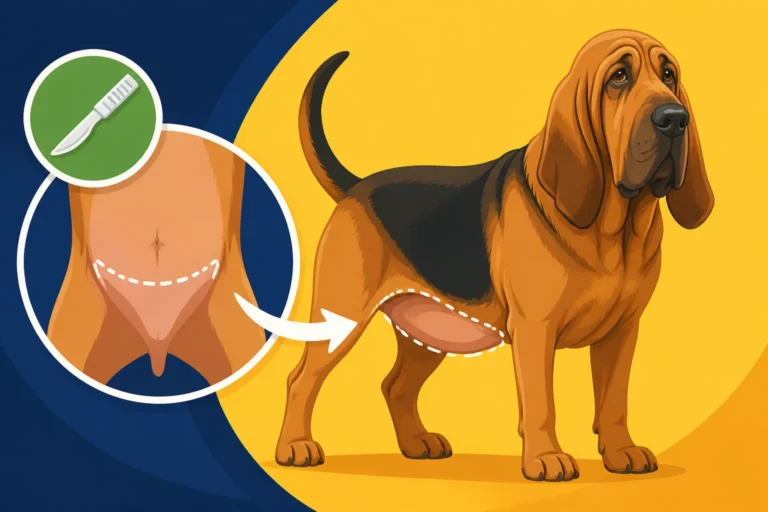
What a Health Tested Bloodhound Puppy Costs
The decision to bring a Bloodhound into your home is a huge one, and for many prospective owners, the initial sticker shock of a puppy can be a real hurdle. It's not just about the upfront cost; it's about understanding what that price means for the long-term health and well-being of your future family member. This guide aims to break down the expenses associated with a responsibly bred, health-tested Bloodhound puppy, helping you see the value in that higher initial investment and prepare for the financial journey ahead.
Why a Health-Tested Bloodhound Puppy Comes With a Higher Price Tag
It's tempting to look for a "deal" on a Bloodhound puppy, especially when you see prices varying wildly online. However, with Bloodhounds, a lower price tag almost always comes with a hidden cost: an increased risk of expensive health problems down the road. Responsible breeding is a labor of love, and it's also a significant financial commitment, all of which factors into the price you pay for a puppy. That price isn't just for a cute face; it's an investment in a dog that has the best possible chance at a long, healthy, and happy life.
The Investment in Longevity and Quality of Life
When you choose a puppy from a breeder who meticulously health tests their breeding stock, you're essentially buying peace of mind. Bloodhounds, like many purebred dogs, are prone to certain inherited conditions that can severely impact their quality of life and lead to heartbreakingly high veterinary bills. Think about conditions like hip and elbow dysplasia, various eye disorders, or even heart conditions. A breeder who screens for these issues is actively working to reduce the incidence of these problems in their lines, meaning your puppy has a statistically better chance of avoiding them. This focus on health isn't just about avoiding vet bills; it's about ensuring your Bloodhound enjoys more years of comfortable, active life with you. This foundational commitment to health directly addresses why a Bloodhound Dies Younger Than Its Size Predicts, as responsible breeding can mitigate some common issues.
The Unseen Costs of Untested Lines
Conversely, a puppy from untested parents might seem affordable at first, but it can quickly become an emotional and financial black hole. Imagine falling deeply in love with your Bloodhound puppy, only to find out at six months old that they have severe hip dysplasia, requiring costly surgeries and ongoing pain management for their entire life. Or perhaps they develop a debilitating eye condition that could have been screened for in their parents. These are not just hypothetical scenarios; they are the unfortunate realities for many owners who unknowingly purchase from breeders who cut corners on health testing. The money "saved" upfront can be dwarfed by thousands of dollars in veterinary expenses, not to mention the emotional toll of seeing your beloved companion suffer. The true cost of a Bloodhound isn't just what you pay at adoption; it's the lifetime of care, and starting with a healthy foundation is paramount.
Decoding Bloodhound Health Clearances
Understanding what health clearances a reputable Bloodhound breeder performs is key to appreciating the cost. These aren't just arbitrary tests; they are specific evaluations recommended by veterinary specialists and breed clubs to identify and reduce the prevalence of known hereditary conditions within the breed. The American Bloodhound Club, for example, has specific recommendations for health screenings that responsible breeders adhere to. Each of these tests adds to the breeder's expense, but it's an expense that directly benefits the puppy owner.
Orthopedic Evaluations: Hips and Elbows
Perhaps the most well-known health clearances are for hip and elbow dysplasia. These are painful, degenerative joint conditions that can severely cripple a large breed dog like a Bloodhound. To get these clearances, adult breeding dogs must be X-rayed, and those X-rays are then submitted to organizations like the Orthopedic Foundation for Animals (OFA) for evaluation by a panel of veterinary radiologists. The process ensures that only dogs with healthy joints are used for breeding, thereby reducing the likelihood of passing on these genetic predispositions to their offspring. This is a critical step, as Hip and Elbow Dysplasia in the Bloodhound can drastically impact their mobility and quality of life.
Ophthalmic Examinations: Eyesight for a Scenthound
A Bloodhound's eyes, with their characteristic droop and loose skin, are integral to their unique look and function, but they are also prone to several inherited conditions. Reputable breeders will have their breeding dogs examined by a board-certified veterinary ophthalmologist. These examinations look for conditions such as ectropion (outward rolling of the eyelid), entropion (inward rolling of the eyelid), progressive retinal atrophy (PRA), and even cherry eye. All of these can range from irritating to vision-threatening and require surgical intervention or lifelong medication. The Four Eye Problems a Bloodhound Is Born Toward are serious issues, and these specialized eye exams are a cornerstone of responsible breeding practices to protect future generations.
Cardiac and Thyroid Screening: Broader Health Picture
Beyond joints and eyes, responsible breeders also screen for other health concerns. Cardiac evaluations, often performed by a veterinary cardiologist, check for congenital heart defects that could lead to heart disease in the Bloodhound. This involves listening to the heart for murmurs and sometimes performing an echocardiogram. Thyroid screening is another important measure, as hypothyroidism is a condition that can affect Bloodhounds and lead to issues like weight gain, lethargy, and skin problems. While not always life-threatening, these conditions can significantly impact a dog's health and require lifelong management, making these screenings a vital part of a comprehensive health testing protocol.
What Goes Into a Reputable Breeder's Price
The price of a health-tested Bloodhound puppy isn't just plucked out of thin air; it reflects a substantial investment of time, money, and expertise on the part of the breeder. It's easy to see a number and balk, but when you break down everything that goes into raising a healthy, well-socialized puppy, that price begins to make a lot more sense. This is why you often find significant differences between a reputable breeder and, for example, a backyard breeder or a puppy mill.
The Due Diligence and Expense of Breeding
Think about it: before a single puppy is even conceived, a responsible breeder has invested thousands of dollars. This includes the purchase price of their own high-quality breeding stock (which itself came from health-tested lines), the aforementioned health clearances (OFA, eye exams, cardiac, thyroid), and potentially genetic testing. Then there are stud fees, often thousands of dollars, to breed to a healthy, complementary male from another reputable line. During pregnancy, the dam receives premium nutrition and veterinary care. Once the puppies arrive, the breeder provides constant care, around-the-clock supervision, high-quality food for both mom and pups, vaccinations, deworming, microchipping, and early socialization. This intense dedication minimizes future problems, helping avoid issues like A Bloodhound's Ears Are a Standing Infection Risk by ensuring proper hygiene and early health checks. All these expenses add up, and they are ultimately reflected in the puppy's price.
The Pedigree, Temperament, and Early Care
Beyond the physical health, a reputable breeder focuses intensely on temperament and early socialization. They understand the breed standard, strive to produce puppies that exemplify the best traits of the Bloodhound, and often participate in dog sports or conformation to prove the quality of their lines. Puppies are raised in a stimulating home environment, exposed to various sights, sounds, and people, which is crucial for developing a confident, well-adjusted adult dog. They often start potty training and crate training basics, making the transition to their new homes smoother. This early enrichment is invaluable, laying the groundwork for a dog that's not only healthy but also a joy to live with. A well-adjusted puppy is less likely to develop behavioral issues that can also incur significant costs in training or damage to the home later on.
Understanding the Bloodhound Puppy Cost Landscape
The actual dollar figure for a health-tested Bloodhound puppy can vary, and it's important to understand why there isn't a single, universal price. Several factors come into play, from the individual puppy's potential to where the breeder is located. It's never about haggling; it's about finding a fair price that reflects the quality and care invested.
The Range: From Pet Quality to Show Potential
You might find that puppies within the same litter are priced differently. This usually comes down to "pet quality" versus "show potential." A puppy designated as "pet quality" is still a wonderful, healthy Bloodhound, but perhaps has a minor conformational fault (like an ear set that's slightly off) that would prevent it from excelling in the show ring, but has no impact on its life as a beloved companion. These puppies might be priced slightly lower than their "show potential" littermates, who are considered to adhere more closely to the breed standard and are destined for conformation or advanced working careers. Regardless of designation, all puppies from a reputable breeder should have the same health clearances and early care. Expect to see prices reflecting this distinction.
Regional Variations and Breeder Demand
The cost of a Bloodhound puppy can also be influenced by geographical location and the reputation of the breeder. Breeders in areas with a higher cost of living may have higher expenses themselves, which can translate to a higher puppy price. Similarly, a highly sought-after breeder with a long waiting list, known for consistently producing exceptional, healthy Bloodhounds, might command a higher price. It’s also worth noting that the overall demand for the breed can fluctuate. While I can't give specific current prices, it's widely understood that a responsibly bred, health-tested Bloodhound puppy will be a significant investment, often ranging into the thousands of dollars. This is not a purchase where you want to compromise on quality for a lower price, as it truly is a case of "you get what you pay for" when it comes to long-term health and well-being. If you're wondering about a general estimate, you might look into what a Bloodhound Puppy Costs in 2026 for a broader understanding of breed pricing.
Here’s a simplified breakdown of typical health screening costs that contribute to a puppy's price:
| Health Test Category | Specific Tests/Evaluations | Purpose for Bloodhounds | Approximate Cost Range (Per Dog) |
|---|---|---|---|
| Orthopedic | OFA Hips & Elbows | Detects Hip/Elbow Dysplasia | High |
| Ophthalmic | OFA Eye Exam (CERF) | Screens for Ectropion, Entropion, PRA, etc. | Moderate |
| Cardiac | OFA Cardiac (Auscultation/Echo) | Identifies congenital heart conditions | Moderate to High |
| Thyroid | OFA Thyroid | Screens for Hypothyroidism | Moderate |
| Genetic | DNA Panels (e.g., DM) | Detects other hereditary diseases | Low to Moderate |
Note: These are general categories. Actual costs depend on veterinary fees, location, and the specific evaluations performed.
Beyond the Puppy Price: Initial Setup Costs
Once you've found your perfect health-tested Bloodhound puppy, the financial journey has just begun! The initial purchase price is just the tip of the iceberg. You'll need to budget for all the essentials to bring your new companion home and get them settled. It’s important to understand these additional costs upfront to avoid being overwhelmed.
Essential Supplies and First Vet Visits
Your new puppy will need a whole host of items right away. This includes a sturdy crate (a large one, as Bloodhounds grow fast!), food and water bowls, a comfortable bed, a collar and leash, identification tags, and a selection of appropriate chew toys. Remember, Bloodhounds are enthusiastic chewers, so durable toys are a must! Don't forget grooming supplies like a good quality brush, nail clippers, and specific ear cleaner – because A Bloodhound's Ears Are a Standing Infection Risk, regular cleaning is paramount from day one. You'll also have initial veterinary visits for their remaining puppy vaccinations, deworming, and a general health check-up. These first few vet appointments are crucial for ensuring your puppy is thriving and establishing a relationship with your veterinarian. You might find a good selection of these initial supplies on platforms like Chewy, offering convenience and often competitive pricing.
Food, Training, and Early Preventative Care
Choosing a high-quality large-breed puppy food is essential for healthy growth and development. Bloodhound puppies grow very quickly, and proper nutrition plays a critical role in preventing orthopedic issues. The cost of food for a large breed can be substantial, and it will only increase as your puppy matures. You might explore brands like Ollie for carefully formulated options that cater to large breeds. Additionally, early training classes are highly recommended. While Bloodhounds are intelligent, they are also independent thinkers driven by their incredible noses. Group puppy classes not only teach basic obedience but also provide vital socialization opportunities. Lastly, don't forget the ongoing preventative care: flea, tick, and heartworm medications are crucial and will be a monthly expense. It’s smart to discuss these options with your vet to choose the best regimen for your specific area and your Bloodhound’s lifestyle.
Protecting Your Investment: Financial Planning
Given the potential for high veterinary costs throughout a Bloodhound's life, especially with conditions like bloat or chronic ear infections, thoughtful financial planning is not just advisable—it's essential. You're bringing a living, breathing family member into your home, and preparing for their needs is part of responsible ownership.
The Role of Pet Insurance
Pet insurance can be an absolute lifesaver for Bloodhound owners. While a health-tested puppy has a better chance of avoiding hereditary conditions, no breeder can guarantee a dog will never get sick or have an accident. Bloodhounds are large dogs, and large dog vet bills are, well, large. Emergency surgeries, like for Bloat Is What Kills Most Bloodhounds, can cost thousands of dollars, and a major accident can easily run into five figures. Pet insurance helps cushion these blows, allowing you to make medical decisions based on what's best for your dog, rather than what you can afford out-of-pocket. Companies like Healthy Paws offer comprehensive plans that can cover accidents, illnesses, and even some emergency care. It's smart to enroll your puppy early, before any pre-existing conditions can be noted, to maximize coverage. Understanding what Insurance Will and Will Not Cover on a Bloodhound is crucial for making an informed decision.
Budgeting for the Unexpected
Even with pet insurance, there will always be routine costs, deductibles, and co-pays. It's wise to set aside an emergency fund specifically for your Bloodhound's health needs. Think about regular check-ups, dental cleanings, or even unexpected minor issues that don't meet your insurance deductible. Additionally, consider the preventive measures that might not be fully covered by insurance but are critical for a Bloodhound. For instance, The Case for Tacking a Bloodhound's Stomach Down Early with a prophylactic gastropexy can cost a few thousand dollars, but it's a small price to pay compared to What a Preventive Gastropexy Costs on a Bloodhound versus the potential devastating cost and outcome of emergency bloat surgery. These proactive steps, while an investment, can save you immense heartache and even greater financial strain down the road, underscoring that A Bloodhound's Money Is Spent in the Operating Room far more than you might expect for a healthy dog.
Disclaimer
This article is for general informational purposes only and does not constitute professional advice. Laws, prices and regulations vary by location and change over time. Consult a qualified professional for guidance on your specific situation.