Whether a Cheap Bloodhound Skipped Its Screening
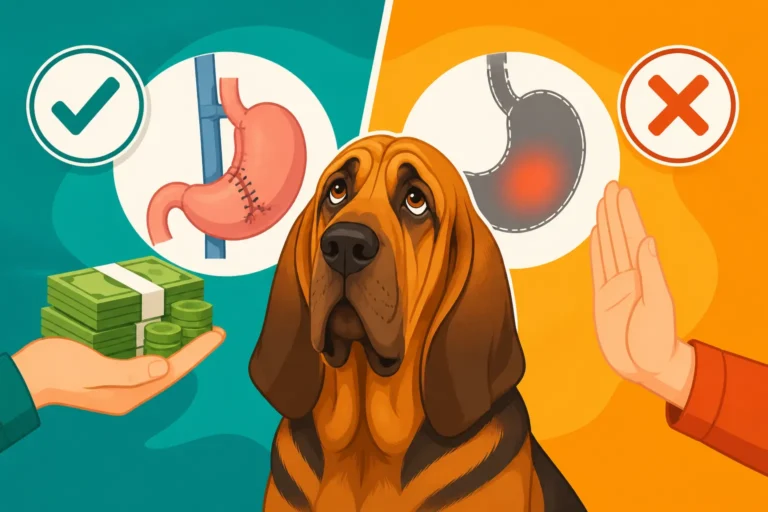
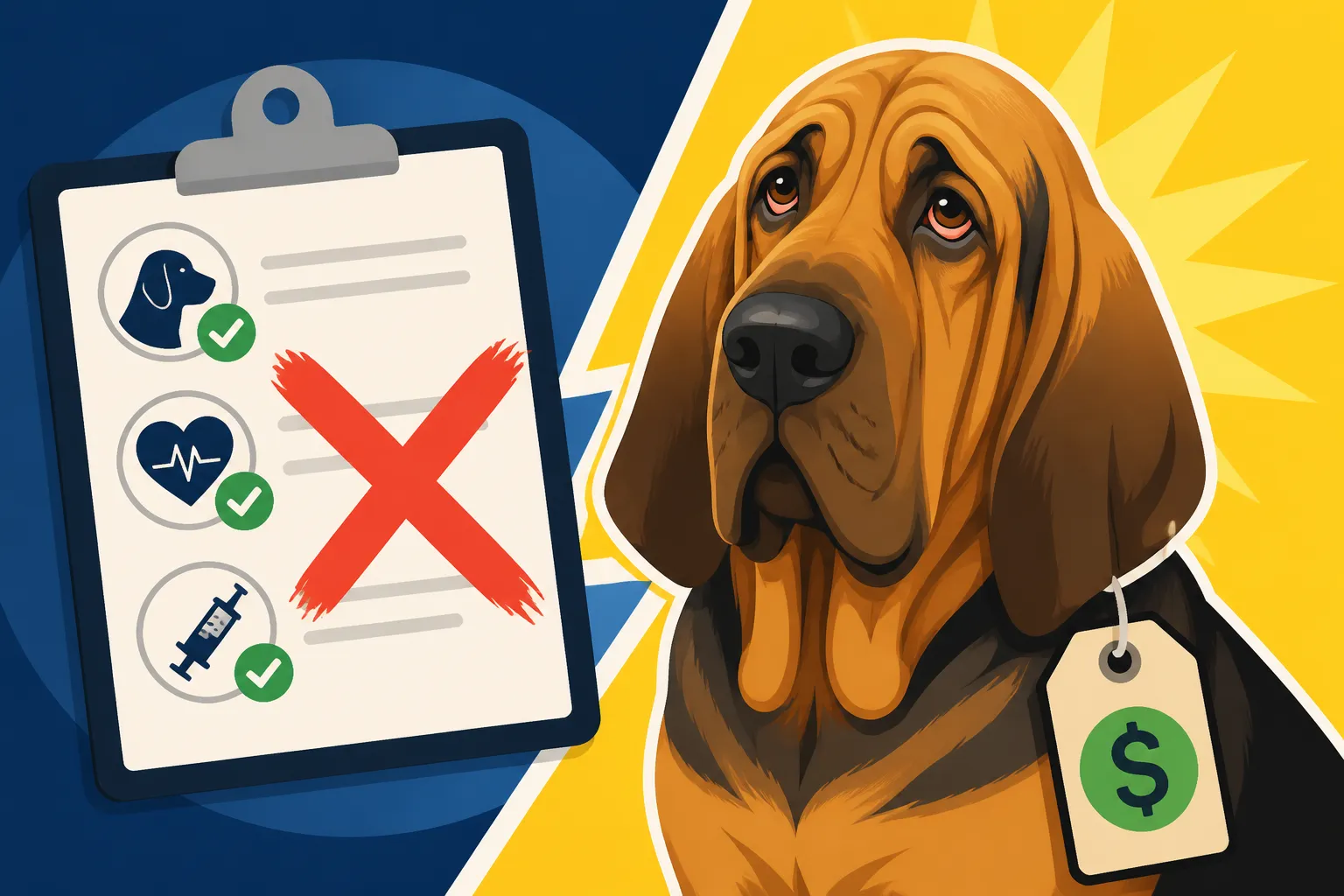
It’s a scenario many aspiring Bloodhound owners face: you’re dreaming of that loyal, long-eared companion, but then you stumble upon an advertisement for a Bloodhound puppy at a price that seems almost too good to be true. While the temptation to save some money upfront is incredibly strong, a significantly lower purchase price for a Bloodhound puppy can often be a glaring red flag, hinting that the breeder might have skipped vital health screenings, ultimately leading to far greater financial and emotional costs down the road. This guide will delve into why that "cheap" puppy often turns into the most expensive dog you'll ever own, exploring the importance of health testing and how to ensure you're bringing home a healthy, well-bred Bloodhound.
The Allure of the Lower-Priced Bloodhound Puppy
We all love a good deal, don't we? Especially when it comes to something as exciting and significant as bringing a new puppy into your life. The initial sticker shock of a well-bred Bloodhound can be substantial, and it’s natural to look for ways to make it more affordable. This desire often leads people down paths where they might encounter puppies priced considerably lower than the breed average, sparking hope that they’ve found a hidden gem.
The Immediate Appeal of a "Bargain"
Imagine seeing Bloodhound puppies advertised for a fraction of what you expected. It feels like hitting the jackpot, right? You might think you're smart for finding a way to save money, perhaps to put towards all the wonderful new toys, beds, and training classes you'll need. This immediate financial relief can be incredibly appealing, especially for families on a tighter budget or those who are new to the world of purebred dogs and unaware of the common practices of reputable breeders. The thought of bringing home that wrinkly, lovable face sooner, without having to save up for months, can override a lot of logical considerations about why the price is so low. It's easy to get caught up in the excitement and overlook potential warning signs when the upfront cost seems so manageable.
Where "Cheap" Puppies Often Come From
Unfortunately, a deeply discounted Bloodhound puppy usually doesn't come from a place of responsible breeding practices. More often than not, these puppies originate from what we commonly refer to as "backyard breeders" or, even worse, puppy mills. These operations prioritize profit over the health and welfare of their dogs. They cut corners wherever possible, and the first corner to go is almost always comprehensive health screening for the parent dogs. They might also skip proper veterinary care for the puppies themselves, inadequate nutrition for the dam, or crucial early socialization. You might find these puppies advertised online through general marketplaces, social media, or even local classifieds, often without much information about the parents or the conditions in which they were raised. There's a stark contrast between these scenarios and the careful, ethical breeding programs that genuinely care about the future of the breed.
Understanding Health Screenings and Their Cost
Responsible Bloodhound breeders don't just happen upon a litter; they meticulously plan each breeding, and a huge part of that planning involves extensive health screening of the parent dogs. This isn't just a nicety; it's an ethical imperative to reduce the incidence of debilitating genetic conditions in the breed. This upfront investment by the breeder is a significant factor in what a health tested Bloodhound puppy costs.
What Health Screenings Entail for Bloodhounds
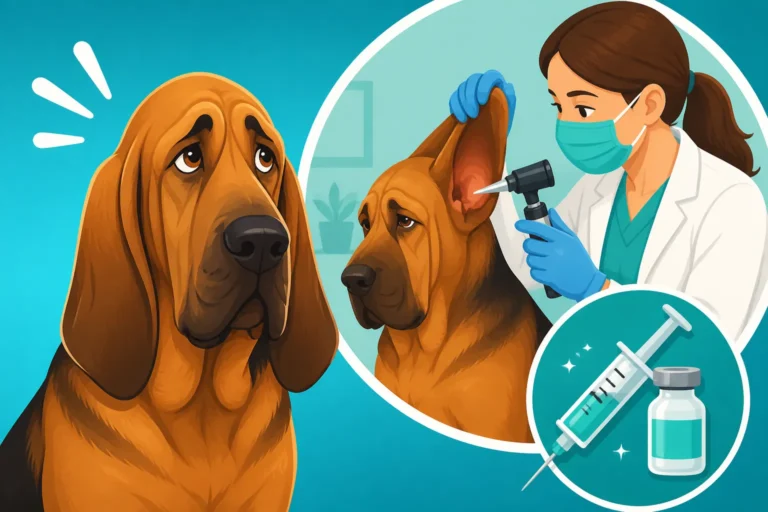
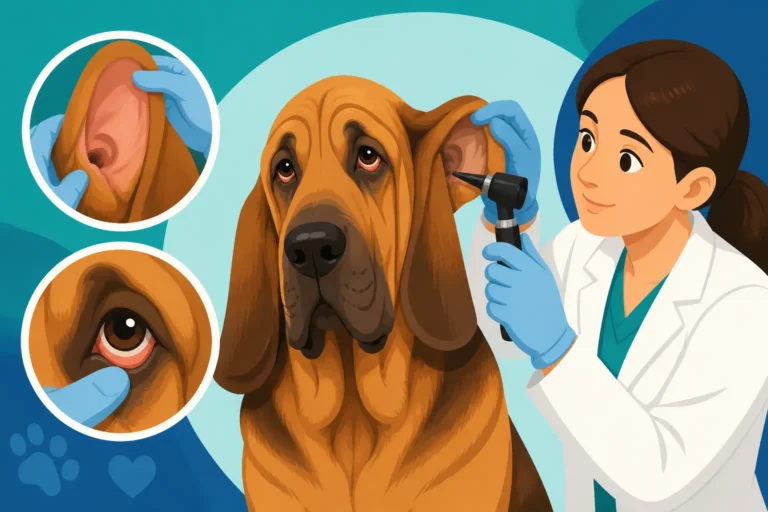
Bloodhounds, like many large purebred dogs, are predisposed to certain genetic health conditions. To combat this, reputable breeders screen their breeding stock for a range of issues. The primary health clearances recommended for Bloodhounds include hip and elbow evaluations to check for conditions like Hip and Elbow Dysplasia in the Bloodhound, cardiac exams to screen for heart disease, and ophthalmologist exams for various eye conditions such as The Four Eye Problems a Bloodhound Is Born Toward. Additionally, thyroid panels are often performed. These tests aren't cheap and require specialized veterinary visits, sometimes even board-certified specialists. For example, hip and elbow evaluations often involve X-rays that are then submitted to organizations like the Orthopedic Foundation for Animals (OFA) for expert grading. Each test adds to the overall cost of maintaining a breeding dog, but it's an investment in the health of future generations.
Why Breeders Invest in Health Testing
Breeders invest in health testing for a fundamental reason: to produce healthier puppies. They are dedicated to preserving and improving the Bloodhound breed, which means trying to avoid passing on genetic conditions that could cause pain and suffering to the puppies and immense heartbreak and expense for their future families. Think of it as preventative medicine on a generational scale. A breeder who health tests demonstrates a deep understanding of the breed's vulnerabilities and a commitment to mitigating them. They aren't just selling a puppy; they're selling a promise of a healthier start, backed by documented proof. This commitment often involves years of research, learning pedigrees, and consulting with other experienced breeders and veterinarians, all aimed at producing sound, healthy dogs. This is a far cry from the mindset of someone simply trying to make a quick buck off a litter.
The Direct Cost of Comprehensive Testing
The cost of health screening for a single breeding Bloodhound can be quite substantial. Each individual test – hips, elbows, eyes, heart, thyroid – carries its own fee, often including vet consultation, sedation (for X-rays), specialist examination fees, and submission fees to registries like OFA or the Canine Eye Registration Foundation (CERF). When you factor in multiple tests for both the male and female parent dogs, the price tag quickly adds up. For instance, an OFA hip and elbow evaluation alone involves vet fees for the X-rays, possibly sedation, and then the OFA submission fee. Eye exams need a veterinary ophthalmologist, and cardiac clearances often require an echocardiogram performed by a veterinary cardiologist. These aren't just basic vet visits; they are specialized procedures designed to catch potential genetic red flags before they are passed on. Breeders absorb these costs as part of their responsibility, which naturally contributes to the higher, but justified, price of their puppies.
The Hidden Costs of Unscreened Bloodhounds
The savings you might see on the initial purchase price of an unscreened Bloodhound puppy are almost always dwarfed by the astronomical veterinary bills that can quickly accumulate. This isn't just about money; it's about the emotional toll of watching your beloved companion suffer from preventable conditions.
Common Health Issues in Unscreened Lines
When parent dogs haven't been screened, there's a much higher chance that their puppies will inherit genetic predispositions to serious health problems. For Bloodhounds, the list of concerns is quite specific. Bloat is what kills most Bloodhounds, and while genetics aren't the sole factor, a tendency can run in lines. Then there's the ever-present threat of Hip Dysplasia in a Bloodhound and Elbow Dysplasia in a Bloodhound, which can lead to painful arthritis and require extensive management or surgery even in young dogs. Eye issues like entropion or ectropion, which cause the eyelids to roll inward or outward, can lead to chronic irritation, infections, and even blindness if left untreated; Eyelid Surgery Is the Bill Bloodhound Owners Do Not Expect for these conditions can be significant. And let's not forget the ears! A Bloodhound's Ears Are a Standing Infection Risk, and chronic ear infections can be a recurring nightmare if not properly addressed or if structural issues are inherited. These aren't minor inconveniences; they are serious, life-altering conditions for the dog.
The Financial Burden of Veterinary Care
The vet bills for an unscreened Bloodhound can be truly staggering. Imagine your puppy developing severe hip dysplasia by the age of one. Treatment could involve medications, physical therapy, and potentially multiple costly surgeries. If your Bloodhound bloats, which can happen suddenly and without warning, you're looking at an emergency situation that demands immediate, life-saving surgery. What Emergency Bloat Surgery Costs on a Bloodhound can easily run into thousands of dollars, especially if it happens after hours or requires extensive post-operative care. Chronic eye conditions might require daily medications, frequent specialist visits, and potentially multiple surgeries throughout the dog's life. Even recurring ear infections can drain your bank account with repeated vet visits, cultures, prescription medications, and specialty cleaners. These are not one-off expenses but often continuous outlays for chronic conditions that could have been significantly reduced through responsible breeding and screening.
Emotional Toll and Quality of Life for the Dog
Beyond the financial strain, the emotional impact of caring for a dog with chronic, painful, or life-threatening conditions is immense. Watching your Bloodhound suffer from lameness due to dysplasia, struggling with vision from eye problems, or enduring the agony of bloat is heartbreaking. The guilt that can come with knowing these issues might have been preventable is a heavy burden. It impacts the dog's quality of life directly; a dog in pain cannot enjoy walks, play, or even simple daily interactions as fully. The constant stress of managing appointments, administering medications, and worrying about sudden emergencies can also take a huge toll on the owner. Responsible breeders aim to avoid this exact scenario, providing families with a healthy companion who can enjoy a full, active life, minimizing preventable heartache.
How to Identify a Reputable Bloodhound Breeder
Navigating the world of Bloodhound breeders can feel overwhelming, but knowing what to look for can protect you and ensure you bring home a healthy, well-adjusted puppy. It’s about doing your homework and asking the right questions.
Questions to Ask About Health Clearances
When you're speaking with a potential breeder, don't be shy about asking direct questions about health clearances. A reputable breeder will expect these questions and be eager to provide proof. Ask specifically for OFA certifications for hips and elbows, CERF (now typically OFA Eye Certification) results, and current cardiac and thyroid clearances for both parents. Ask to see the actual certificates, not just a verbal assurance. You can even look up registered dogs on the OFA website to verify their clearances. A good breeder will also be transparent about the health history of their entire line, including grandparents and any previous litters. They should be able to explain What the American Bloodhound Club Asks Breeders to Screen for and why these specific tests are so crucial for the breed. If a breeder hedges, becomes defensive, or claims these tests are unnecessary, walk away.
The Importance of a Health Guarantee and Contract
A well-written contract and a health guarantee are hallmarks of a responsible breeder. The contract should outline the responsibilities of both the breeder and the buyer, covering everything from spay/neuter agreements to what happens if the puppy develops a serious genetic health issue. A health guarantee typically covers major congenital or hereditary diseases, offering recourse if a problem arises within a specified timeframe (often the first year or two of life). This isn't just a legal document; it's a statement of the breeder's confidence in their breeding program and their willingness to stand behind the health of their puppies. It shows they're not just making a sale but are invested in the long-term well-being of the dogs they produce. For example, a guarantee might state that if a puppy develops severe hip dysplasia, the breeder will offer a replacement puppy or a partial refund.
What a Health Tested Bloodhound Puppy Costs
So, what should you expect to pay for a Bloodhound puppy from a reputable, health-testing breeder? The price will vary based on location, the breeder's reputation, the lineage of the parents, and whether the puppy is intended for show, work, or as a beloved pet. However, it will always be significantly higher than those "bargain" puppies. Think of the price as reflecting the breeder's investment in health testing, quality nutrition, proper veterinary care for the dam and puppies, early socialization, and ongoing support for you as a new owner. While I can't give specific figures, expect a price range that reflects the true cost of responsible breeding. This initial investment, though seemingly large, is often a preventative measure against much larger, unexpected expenses and heartbreak later on. It’s an investment in a healthier, happier future with your Bloodhound.
Long-Term Financial Planning for Your Bloodhound
Owning a Bloodhound is a long-term commitment, and while the upfront cost of a well-bred puppy is important, it’s just the beginning. Responsible ownership involves planning for all the expenses that come with raising a large, unique breed with specific needs.
Pet Insurance as a Safety Net
Even with the most meticulously screened parents, no puppy comes with a 100% health guarantee. Accidents happen, and unforeseen illnesses can still strike. This is where pet insurance becomes an invaluable safety net for Bloodhound owners. Companies like Healthy Paws offer various plans that can cover a significant portion of unexpected veterinary bills, from emergencies like bloat surgery (which, again, is a huge concern and Bloat Is What Kills Most Bloodhounds) to treatments for chronic conditions that might develop later in life. It's crucial to enroll your puppy as early as possible, ideally before any pre-existing conditions can be diagnosed. Researching different providers and understanding What Insuring a Bloodhound Costs Monthly and what their policies cover (or exclude) can save you from financial devastation if a major health crisis arises. While it adds a monthly premium, it provides immense peace of mind.
Budgeting for Expected and Unexpected Expenses
Beyond the purchase price and potential insurance premiums, a Bloodhound comes with a host of other expenses you need to factor into your budget. There’s the ongoing cost of high-quality large-breed dog food, annual veterinary check-ups, vaccinations, and parasite preventatives. Then there are the breed-specific necessities: specialized ear cleaners and solutions for A Bloodhound's Ears Are a Standing Infection Risk, products to manage drool and clean skin folds, and durable chew toys. You'll also need to budget for training classes, especially if you plan to get involved in scent work or need help managing their powerful instincts. And, despite all precautions, unexpected emergencies can still occur, so having an emergency fund is critical. Whether a Bloodhound Owner Needs an Emergency Fund is not a question, it's a definite "yes," as these dogs, though lovable, can be prone to sudden, costly health issues.
Resources for Responsible Bloodhound Ownership
Thankfully, there are many resources available to help you be a responsible Bloodhound owner. Online retailers like Chewy offer a vast array of quality dog food, supplements, ear cleaners, and other supplies that you can have delivered right to your door, often at competitive prices. For those looking for fresh, human-grade food options, companies like Ollie provide customized meal plans, ensuring your Bloodhound gets optimal nutrition, which can play a role in overall health and even help with managing issues like skin fold dermatitis. Beyond products, connecting with local Bloodhound clubs or the American Bloodhound Club can provide invaluable advice, support, and access to experienced breeders and trainers. These communities often share tips on everything from training stubborn scent hounds to managing common health quirks. Utilizing these resources not only makes ownership easier but helps you provide the best possible care for your unique companion.
Comparing the "Savings" of an Unscreened Puppy
It’s easy to focus on the initial cost difference, but when you look at the potential long-term financial picture, the choice becomes clear.
| Factor | Health-Tested Bloodhound Puppy | Unscreened "Cheap" Bloodhound Puppy |
|---|---|---|
| Initial Purchase Cost | Higher | Significantly Lower |
| Breeder Support | Extensive, with health guarantee & contract | Often limited or non-existent, no guarantee |
| Risk of Bloat | Reduced (though never eliminated), awareness by breeder | Higher, no known lineage risk |
| Risk of Dysplasia | Significantly reduced | High |
| Risk of Eye Issues | Significantly reduced | High |
| Risk of Chronic Ear Issues | Reduced | Higher, especially if parents have issues |
| Potential Vet Bills (1st 2 years) | Routine vet care, preventatives | Potentially thousands for surgeries, chronic care |
| Emotional Impact | Peace of mind, joy in a healthy dog | Stress, worry, heartbreak, guilt |
| Quality of Life | Higher chance of a long, active, comfortable life | Higher risk of pain, limited activity, shorter lifespan |
This table clearly illustrates that what you save upfront with a cheaper, unscreened Bloodhound puppy is often just a down payment on a future filled with costly veterinary interventions and emotional distress. The initial investment in a well-bred, health-tested puppy is truly an investment in their future health and your peace of mind.
Final Thoughts: The True Cost of a Bloodhound
The temptation of a lower price tag on a Bloodhound puppy is understandable, but it's a decision that often leads to profound regret. The true cost of owning a Bloodhound isn't just the initial purchase price; it's the lifetime of care, love, and medical attention you commit to providing. Opting for a "cheap" puppy from an unscreened background might save you a few hundred dollars today, but it puts you and your future companion at immense risk for thousands of dollars in veterinary bills, countless hours of worry, and potentially a shorter, more painful life for your beloved hound.
Responsible breeders are not trying to get rich; they are investing heavily in the health, temperament, and future of the Bloodhound breed. Their higher prices reflect this dedication and the significant expenses involved in proper health screening, excellent nutrition, and early socialization. When you choose a puppy from a reputable breeder who prioritizes health testing, you are choosing to minimize the likelihood of preventable suffering and maximize the chances of a long, happy, and healthy life together. It's an investment in a loyal family member, and that, my friends, is priceless.
Disclaimer
This article is for general informational purposes only and does not constitute professional advice. Laws, prices and regulations vary by location and change over time. Consult a qualified professional for guidance on your specific situation.