Whether a Bloodhound’s Ear Visit Needs Sedation Charges
Every Bloodhound owner knows the unique challenges that come with those magnificent, long, floppy ears. They're beautiful, yes, but they're also notorious for trapping moisture and inviting infections. When your beloved hound starts shaking their head, pawing at an ear, or you catch that tell-tale sour smell, a vet visit is inevitable. The concern often isn't just the infection itself, but whether your large, strong, and potentially uncooperative Bloodhound will need sedation just for the vet to get a good look, adding unexpected charges to an already stressful situation. This guide will explore whether a Bloodhound's ear visit truly needs sedation, what factors lead to that recommendation, and how you can proactively manage your hound's ear health to minimize those concerns and extra costs.
The Unique Challenges of Bloodhound Ears
It’s no secret that Bloodhounds are predisposed to ear problems. This isn't just bad luck; it's a direct consequence of their incredible, characteristic anatomy. Understanding this predisposition is the first step in appreciating why a simple ear exam can sometimes turn into a more involved, and potentially sedated, affair.
Anatomy That Invites Trouble
Imagine trying to keep a dark, warm, and perpetually humid cave clean and dry. That's essentially what your Bloodhound's ear canal is like. Their long, heavy ear leathers, which are so vital for sweeping scent towards their powerful noses when tracking, also effectively seal off the ear canal from air circulation. This creates a perfect breeding ground for yeast and bacteria to flourish. The ear canal itself is quite deep and intricate, with a vertical and horizontal component that makes manual cleaning and examination challenging even under the best circumstances. It's a design optimized for scent work, not for easy hygiene, making A Bloodhound's Ears Are a Standing Infection Risk a constant truth for owners.
When you combine the lack of airflow with any moisture – from baths, swimming, or even just humidity in the air – you have a recipe for trouble. The skin lining the ear canal can quickly become irritated and inflamed, leading to an overgrowth of opportunistic microbes. Without proper attention, a minor issue can rapidly escalate. Knowing How Deep a Bloodhound's Ear Canal Runs helps us understand why topical medications sometimes struggle to reach the problem areas effectively, especially if the canal is already swollen shut.
The Pain and Discomfort of Infection
Ear infections are not just an inconvenience for your Bloodhound; they are genuinely painful. Imagine having a persistent, itchy, throbbing ache deep inside your head. That's what many of these infections feel like. A Bloodhound, despite its impressive size and often stoic demeanor, is still deeply affected by this discomfort. They might express it through constant head shaking, pawing at their ears, rubbing their head on the carpet, or even becoming unusually quiet and withdrawn. These are all clear Signs a Bloodhound's Ear Is Infected and should prompt an immediate vet visit.
When an ear is severely inflamed or infected, any touch can be excruciating. What might be a routine ear cleaning for a dog with healthy ears becomes a painful ordeal for an infected one. The pain makes them naturally resistant to having their ears handled, whether by you or by the vet. This isn't stubbornness; it's a natural protective response to intense discomfort. If an infection is left untreated or becomes chronic, the inflammation can permanently narrow the ear canal, making it even harder to treat and potentially leading to When a Bloodhound's Ear Infection Becomes Permanent, which can be heartbreaking for both dog and owner.
Temperament Meets Medical Necessity
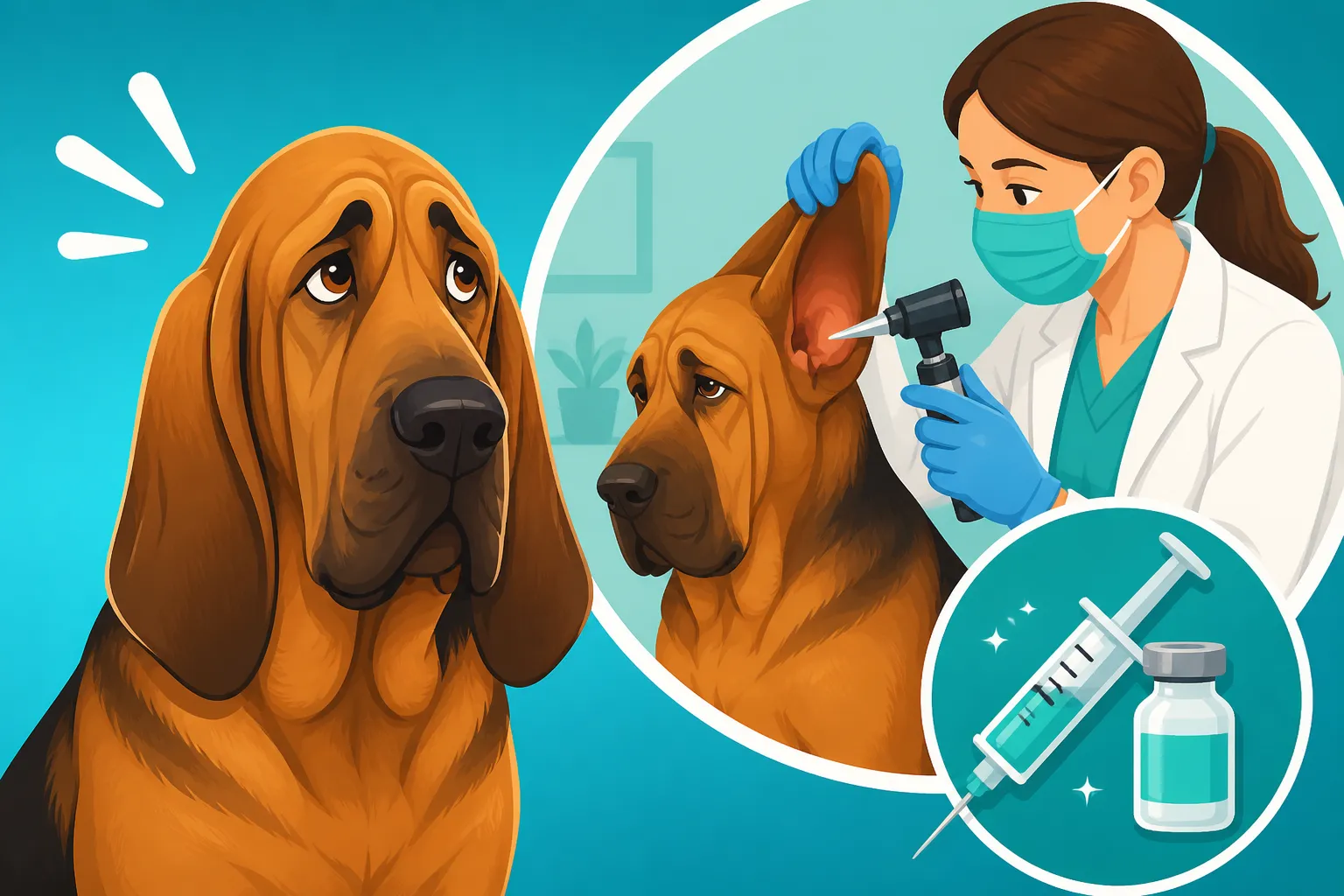
Bloodhounds are generally gentle giants, known for their amiable nature. However, they are also large, powerful dogs with minds of their own, especially when focused on a scent or, conversely, when in pain. A Bloodhound in pain, combined with their sheer size and strength, can make a routine examination nearly impossible without some form of intervention. A typical veterinary examination for an ear involves pulling the ear leather back, inserting an otoscope, and potentially taking swabs or performing a deep flush. If the dog is squirming, pulling away, or vocalizing in pain, the vet cannot perform these crucial steps safely or effectively.
This isn't about blaming the dog; it's about acknowledging the reality of working with a large animal that is experiencing significant discomfort. For the safety of the veterinary staff and to ensure a thorough and accurate diagnosis, sedation often becomes a necessary tool. It's not a punitive measure; it's a humane way to allow the vet to properly assess and treat the issue, especially when dealing with such sensitive and vital organs.
When Sedation Becomes Necessary for an Ear Visit
It's natural to want to avoid sedation whenever possible, given the associated risks and costs. However, there are very real and valid reasons why a veterinarian might recommend or even insist on sedation for your Bloodhound's ear issues. It's about ensuring the best possible care and an accurate diagnosis.
Examination vs. Treatment
There's a big difference between a quick look into a healthy ear and a thorough examination and treatment of a severely infected one. For a routine check-up, if your Bloodhound is cooperative and has no current issues, a vet can usually perform a visual inspection and maybe a quick surface swab without much fuss. However, when there's an active infection, things get more complicated.
To properly diagnose an ear infection, the vet needs to:
- Visually inspect the ear canal deeply with an otoscope to check for foreign bodies, polyps, tumors, or a ruptured eardrum. This requires the dog to be still for a sustained period.
- Collect samples for cytology or culture from deep within the canal to identify the specific type of bacteria or yeast, or if Whether a Bloodhound Needs a Culture Before Ear Drops is being considered. This involves inserting a swab far enough to get a representative sample.
- Perform a thorough cleaning or flush to remove debris, pus, and medication residue, especially if the ear canal is packed. This can be uncomfortable and often requires specialized equipment.
- Apply medication directly and effectively to the affected areas, which might be deep inside the ear.
If your Bloodhound is thrashing, crying, or trying to bite, none of these critical steps can be done safely or effectively. Sedation allows the vet to do their job without causing undue stress or pain to your dog, and without risking injury to themselves or your beloved hound.
Factors Increasing the Likelihood of Sedation
Several factors can increase the chances that your Bloodhound will need sedation for an ear visit:
- Severity of Pain and Inflammation: If the ear is extremely painful, swollen, or ulcerated, even gentle handling can cause immense distress. A dog in this much pain will almost certainly be uncooperative, making sedation a humane necessity.
- History of Fear or Aggression: Some Bloodhounds, despite their generally gentle nature, can develop a strong aversion to vet visits or specific procedures, especially if they've had painful experiences in the past. If your dog is known to be reactive or fearful, pre-emptive sedation or anti-anxiety medication might be recommended to ensure a stress-free experience for everyone.
- Foreign Bodies or Hematomas: If the vet suspects a foreign body (like a foxtail or tick) deep in the ear canal, or if your Bloodhound has developed an aural hematoma (a blood blister on the ear flap, often from head shaking), sedation is almost always required for removal or drainage. In severe, chronic cases, surgery like What a Total Ear Canal Ablation Means for a Bloodhound might be necessary, which definitely requires general anesthesia.
- Individual Temperament: Each Bloodhound is an individual. Some are naturally more tolerant of handling and discomfort, while others are incredibly sensitive. A vet who knows your dog's personality will be better equipped to recommend the right approach. Your vet might suggest a mild oral sedative to give at home before the appointment if they anticipate an issue, rather than jumping straight to injectables at the clinic.
Understanding the Sedation Process
When sedation is recommended, it's not a decision taken lightly. Your vet will discuss the process with you. Typically, this involves:
- Pre-anesthetic Bloodwork: To ensure your Bloodhound is healthy enough for sedation, blood tests are often recommended to check organ function, especially liver and kidneys, as these process the sedatives. This adds to the overall cost, but it's a vital safety measure. What a Bloodhound's Pre Anesthetic Bloodwork Costs can be a significant portion of the bill, but it's well worth it for peace of mind.
- Types of Sedation: Sedation can range from mild oral medications given at home to injectable sedatives at the clinic that may or may not require an IV. For deeper procedures like extensive flushing or minor surgery, light general anesthesia might be used.
- Monitoring: While under sedation, your Bloodhound will be closely monitored by veterinary staff, often including heart rate, respiration, and oxygen levels, to ensure their safety.
- Recovery: Most sedatives wear off within a few hours, but your dog might be groggy or a little disoriented for the rest of the day. You'll receive specific instructions for at-home care during recovery.
The Financial Side of Sedated Ear Care
Let's be real: vet bills can be a source of major stress, and adding sedation to an ear visit definitely bumps up the cost. It's important to understand where those charges come from and how they compare to routine care, so you can budget and plan accordingly.
Itemized Sedation Costs
When your Bloodhound's ear visit needs sedation, you're not just paying for the sedative itself. You're covering a range of services and supplies that ensure your dog's safety and the procedure's success. This is what makes sedation charges a legitimate concern for many owners. Here's a breakdown of what you might see on the bill:
- Consultation Fee: This is the standard fee for the vet to examine your dog and discuss the treatment plan.
- Pre-sedation Exam/Workup: This might include a more thorough physical exam to ensure the dog is a good candidate for sedation, and often, the aforementioned pre-anesthetic bloodwork.
- Sedative Medications: The cost of the drugs used to sedate your Bloodhound will vary depending on their weight and the specific drugs chosen.
- Monitoring: Veterinary technicians will closely monitor your dog during sedation, tracking vital signs. This dedicated time and expertise contribute to the cost.
- IV Catheter and Fluids: For more involved sedations, an IV catheter might be placed to administer fluids, which helps maintain blood pressure and allows for immediate access if emergency medications are needed. The fluids themselves are an additional charge.
- Extended Time: Sedated procedures generally take longer because of the prep time, the procedure itself, and the recovery monitoring. You might be charged for extra technician or facility time.
- Procedure Specifics: On top of the sedation, you'll still have charges for the actual ear cleaning, cytology, ear flushing, or any specific medications applied or prescribed.
These costs can add up quickly, turning a seemingly simple ear problem into a substantial expense. This is where pet insurance, like a plan from Healthy Paws, can really make a difference, helping to cover unexpected medical costs, including diagnostics and treatments that might involve sedation.
The Broader Cost of Chronic Ear Issues
While a single sedated ear visit can be costly, the real financial drain often comes from chronic, recurring ear infections. If your Bloodhound battles ear issues repeatedly, the cumulative cost of vet visits, diagnostics, medications, and special cleaning supplies can become staggering.
Consider:
- Repeated Vet Visits: Every time the infection flares up, you're back at the clinic, incurring new exam fees, even if sedation isn't needed every time.
- Long-term Medications: Many Bloodhounds with chronic ear problems need ongoing treatment, sometimes with expensive prescription ear drops or oral medications.
- Special Cleaners and Maintenance: You'll be regularly purchasing ear cleaning solutions. You can often find quality options on sites like Chewy that offer auto-ship discounts, but it's still an ongoing expense.
- Potential for Surgery: In severe, unresolvable cases where the ear canal has scarred and narrowed, surgical intervention like a Total Ear Canal Ablation (TECA) might be the only solution. This is a major surgery with a significant price tag, dwarfing the cost of any sedated ear exam. This contributes heavily to What a Bloodhound's Chronic Ear Care Costs Over a Lifetime.
- Allergy Management: Many ear infections are secondary to underlying allergies (food or environmental). Diagnosing and managing allergies can involve specialized diets (companies like Ollie offer tailored meal plans, which can sometimes help manage allergy symptoms, though always consult your vet for a diagnosis) or long-term allergy medications, adding another layer of expense.
Comparing Sedated vs. Unsedated Care
To give you a clearer picture, here's a general comparison of what you might expect to pay for a simple ear check versus an ear exam requiring sedation. Please remember these are generalized descriptions, as actual figures vary greatly by clinic, region, and the specifics of your dog's condition.
| Service/Item | Routine Ear Check (Unsedated) | Ear Exam with Sedation (Mild) | Ear Exam with Deep Cleaning/Sedation |
|---|---|---|---|
| Vet Exam Fee | Yes | Yes | Yes |
| Ear Cleaning (In-Clinic) | Sometimes (if cooperative) | Yes | Yes (thorough) |
| Ear Drops/Meds | Yes | Yes | Yes |
| Pre-Sedation Exam/Bloodwork | No | Often recommended | Highly recommended |
| Sedative Medications | No | Yes | Yes |
| Anesthesia/Sedation Monitoring | No | Yes | Yes |
| IV Catheter/Fluids | No | Sometimes | Often |
| Ear Cytology | Sometimes | Yes | Yes |
| Total Cost | Lower | Moderate | Significantly Higher |
The jump in cost is significant once sedation is introduced, largely due to the medications, monitoring, and extra time involved. This table underscores the value of proactive care.
Proactive Steps to Minimize Sedation Needs
While sometimes unavoidable, there's a lot you can do as a Bloodhound owner to reduce the likelihood of needing sedation for routine ear care. It all comes down to consistent, gentle care at home and good communication with your vet.
Consistent At-Home Ear Care
The single most effective way to prevent severe ear infections that require sedation is to commit to a rigorous and consistent at-home ear care routine.
- Regular Cleaning: Your Bloodhound's ears should be cleaned at least once a week, and sometimes more frequently if they're prone to issues or if they've been swimming. How Often a Bloodhound's Ears Need Cleaning really depends on the individual dog and their environment. Don't wait for signs of infection; proactive cleaning is key.
- Use Appropriate Cleaners: Talk to your vet about the best ear cleaning solution for your Bloodhound. There are many options available, some formulated with drying agents, others with anti-fungal properties. You can often purchase these from your vet or find recommended brands on pet supply sites like Chewy. Always use products specifically designed for canine ears, as human products or harsh chemicals can do more harm than good. What to Clean a Bloodhound's Ears With is a critical discussion to have with your veterinarian.
- Desensitization from Puppyhood: Start handling your Bloodhound puppy's ears from a very young age. Make it a positive experience with treats and praise. Gently lift their ear leathers, rub the inside of their ear, and gradually introduce the ear cleaner. The goal is for them to associate ear handling with positive reinforcement, making them more cooperative as adults. Whether Ear Cleaning Should Start in Puppyhood for a Bloodhound is a resounding "yes" from experienced owners and vets alike. If you teach them to accept it early, you'll save yourself (and them) a lot of stress later.
- Learn Proper Technique: Ask your vet or a vet tech to demonstrate the correct way to clean your Bloodhound's ears. You'll need to gently pull the ear leather up, squirt cleaner into the canal, massage the base of the ear, and then wipe out the debris with cotton balls. Never use cotton swabs deep inside the ear canal, as you can push debris further in or damage the eardrum. Learning How to Hold a Bloodhound Still for Ear Cleaning effectively and gently will make a huge difference.
Working With Your Veterinarian
Your vet is your partner in your Bloodhound's health. Open communication can help avoid sedation and manage costs.
- Discuss Anxiety Meds Before the Visit: If your Bloodhound is prone to anxiety at the vet, talk to your veterinarian about prescribing a mild oral sedative that you can administer at home a few hours before the appointment. This can significantly reduce stress and make the visit smoother, potentially allowing the vet to perform exams without the need for injectable sedation.
- Choose a Vet Clinic That Understands Big Breeds: Not all clinics are equally equipped or experienced with large, sometimes challenging breeds like Bloodhounds. Look for a practice with large exam rooms, sturdy tables, and staff who are comfortable and knowledgeable about handling big dogs.
- Schedule Wisely: If your dog gets stressed by noise or crowds, ask if you can schedule appointments during quieter times of the day, such as early mornings or late afternoons. A calmer environment can make a big difference for an anxious hound.
Addressing Underlying Issues
Sometimes, ear infections are a symptom of a larger problem. Addressing the root cause can drastically reduce recurrence and the need for frequent vet visits.
- Allergy Investigation: If your Bloodhound has recurrent ear infections, especially in both ears, allergies are a common culprit. These can be environmental allergies (like pollen or dust mites) or food allergies. Your vet might recommend allergy testing or a food elimination diet to identify and manage these triggers. Dietary changes, possibly with specialized foods like those offered by Ollie, or consistent allergy medication, can significantly improve ear health.
- Prompt Treatment: Don't wait when you suspect an ear infection. The sooner you get it checked out, the less severe it's likely to be, and the easier (and less painful) it will be to treat. A mild infection might only need ear drops, while a raging, painful one is much more likely to necessitate sedation for effective treatment.
By being proactive, consistent, and working closely with your veterinarian, you can often navigate your Bloodhound's ear health journey with fewer emergencies and, hopefully, fewer sedated vet visits. Your hound will thank you for it, and so will your wallet!
Disclaimer
This article is for general informational purposes only and does not constitute professional advice. Laws, prices and regulations vary by location and change over time. Consult a qualified professional for guidance on your specific situation.