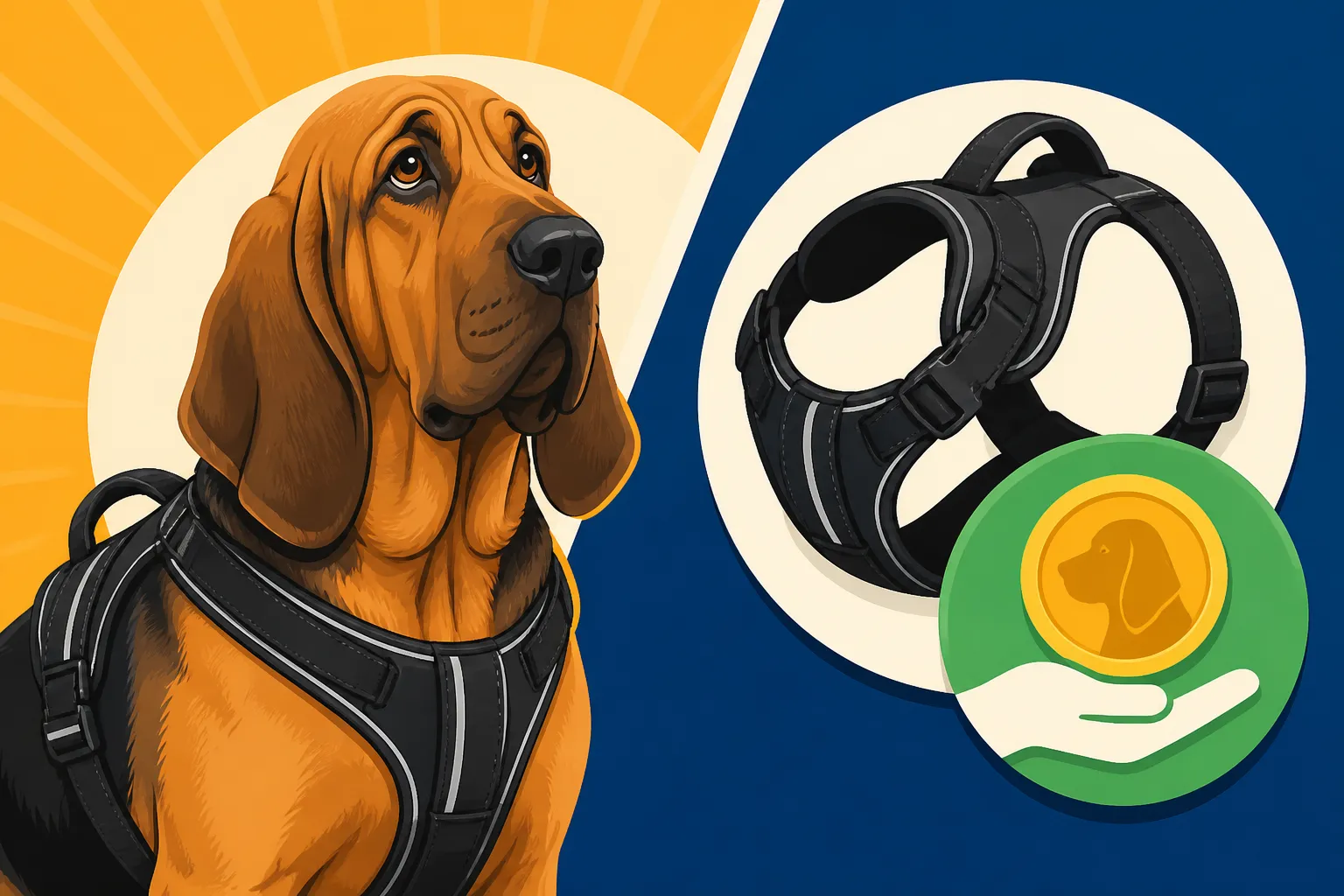
What a Tracking Harness Costs for a Bloodhound
Anyone who has tried to walk a Bloodhound on a regular collar knows the immediate, undeniable pull of their incredible nose. It's not just a walk; it's a mission, an investigation, and your arm often pays the price. When you start thinking about actual tracking or scent work, the idea of a simple collar or even a standard no-pull harness just doesn't cut it. You need something specialized, something designed to work with that powerful drive, not against it, and understanding the cost involved is a crucial first step.
Why a Specialized Tracking Harness is Non-Negotiable for Your Bloodhound
For a Bloodhound, their nose isn't just a part of their face; it's their entire world, their driving force. When they're "on scent," everything else fades away. This isn't stubbornness; it's pure, instinctual dedication. Trying to manage this incredible focus with a standard leash and collar often leads to frustration for both you and your hound, and can even be physically detrimental. A specialized tracking harness isn't a luxury; it's an essential piece of equipment that respects your Bloodhound's natural abilities and keeps them safe and comfortable during their most intense work.
The Anatomy of a Proper Tracking Harness for a Bloodhound
A true tracking harness for a Bloodhound is built differently from the everyday harness you might use for a stroll around the block. It’s designed to distribute pressure evenly across the dog’s chest and shoulders, avoiding strain on the neck and throat, especially when they hit the end of a long line with powerful intent. Think about the force your Bloodhound can generate when they suddenly lock onto a scent and accelerate. A regular harness might dig into their delicate trachea or put undue stress on their spine.
These harnesses often feature wide, padded straps that sit comfortably on the dog's body, preventing chafing during long hours of work. The attachment point for the leash is typically on the back, allowing the dog to pull naturally without torqueing their body or neck. Many also have a "Y" front or "H" back design, ensuring freedom of movement for their shoulders, which is vital for sustained, powerful trailing. The fit is paramount; it needs to be snug enough not to shift, but loose enough not to restrict breathing or movement. Materials are usually durable, weather-resistant nylon or sometimes leather, often with reflective stitching for visibility in low light, because a Bloodhound’s nose doesn’t clock out when the sun goes down.
Why Standard Harnesses Fall Short for Scent Work
You might be wondering if your everyday walking harness can do double duty. The short answer is usually no, and trying to make it work can actually hinder your Bloodhound's performance and comfort. Most standard harnesses, especially those designed primarily for "no-pull" control, work by redirecting the dog or creating uncomfortable pressure points when they pull. While this might discourage pulling on a casual walk, it completely undermines the purpose of tracking. When a Bloodhound is trailing, you want them to pull into the harness, to use their body weight to cover ground and indicate direction. The harness should facilitate this, not fight against it.
Front-clip harnesses, for example, are excellent for general leash manners but twist the dog's body when they pull, which is not only inefficient for sustained tracking but can also be uncomfortable or even harmful over long periods. Similarly, harnesses with thin straps can dig into the skin, especially in a breed like the Bloodhound with their loose skin and powerful build. For real scent work, where your dog might be working for extended periods in varying terrain, you need something that is practically an extension of their body, allowing them to perform their job without distraction or discomfort. This is where investing in the right gear, like a dedicated tracking harness and a long line, really pays off. It respects their drive and protects their physical well-being.
Breaking Down the Cost: What to Expect for a Quality Tracking Harness
Now that we understand why a specialized harness is so important, let's talk about the practical side: what it’s going to cost you. Just like anything else in the dog world, there’s a range of options, from perfectly functional entry-level gear to top-of-the-line professional equipment. The price tag on a Bloodhound tracking harness isn't just about the material; it reflects the design, durability, adjustability, and overall comfort it offers for your working hound.
Entry-Level vs. Mid-Range vs. Premium Tracking Harnesses
When you start looking, you'll see a pretty clear hierarchy of tracking harnesses:
-
Entry-Level (Roughly $25-$50): These are usually solid nylon web harnesses, often in a simple H-back or Y-front design. They'll do the job for starting out in casual scent games or basic backyard trailing. They might have minimal padding, or the padding might be a simpler fleece or thin neoprene. They're good for short bursts of work or for owners just dipping their toes into the world of scent work with their Bloodhound. Brands like Ruffwear or some basic options you might find on Chewy could fall into this category. They're functional, but might not stand up to the rigorous demands of serious, all-day trailing or provide the ultimate comfort for a dog prone to chafing from their loose skin.
-
Mid-Range (Roughly $50-$100): This is where you start getting into more specialized designs with better materials and thoughtful features. You'll often find more extensive padding, sometimes breathable mesh, and more robust hardware (like metal buckles instead of plastic). Adjustability will be better, allowing for a more precise fit, which is crucial for a breed with varying chest and neck sizes like the Bloodhound. These harnesses are often designed for more regular use and can comfortably handle longer training sessions or even introductory trailing events. You might see options from brands focused on sporting dogs or working K9s in this range. They offer a great balance of durability, comfort, and cost for most dedicated Bloodhound owners.
-
Premium/Professional Grade (Roughly $100-$200+): At the top end, you're looking at harnesses made from ultra-durable materials, often with military-grade webbing, advanced padding (like air-mesh or closed-cell foam), and hardware built to withstand extreme conditions. These harnesses are typically favored by professional K9 handlers, search and rescue teams, or those involved in competitive trailing at an advanced level. They offer superior ergonomic design, often custom-fit options, and exceptional longevity. Some premium harnesses might even integrate features like removable patches for identification or specialized attachment points for other gear. While the initial cost is higher, their durability and superior performance can make them a wise long-term investment for serious Bloodhound enthusiasts.
Key Features That Add to the Price Tag
Several design elements and material choices directly influence the price of a tracking harness for your Bloodhound:
- Material Quality: Heavy-duty nylon webbing is standard, but the thickness, weave, and UV resistance can vary. Leather harnesses, while requiring more maintenance, are incredibly durable and can be quite expensive, but offer a classic look and often mold beautifully to the dog's body over time. Reflective elements woven into the straps or as separate trim also add to the cost but significantly boost visibility during dusk or night trails.
- Padding and Comfort: A well-padded harness is crucial for a Bloodhound, protecting their sensitive skin and preventing rubs, especially in areas like the chest and armpits. The type and amount of padding (neoprene, fleece, breathable mesh) directly impact the cost. More elaborate, ergonomic padding designed for airflow and pressure distribution will naturally cost more than a thinly lined option.
- Hardware: Look at the buckles and D-rings. High-quality metal hardware (stainless steel, brass, or anodized aluminum) is much more durable and secure than plastic, especially for a strong pulling breed, but it also increases the manufacturing cost. Quick-release buckles, while convenient, need to be robust enough not to fail under pressure.
- Adjustability and Fit: A harness with multiple adjustment points (neck, chest, belly) allows for a more custom-like fit, which is essential for comfort and preventing slippage. The more straps and buckles, the more complex and often more expensive the manufacturing process. A poorly fitting harness can chafe, restrict movement, or even be dangerous if it allows the dog to slip out.
- Brand Reputation and Research & Development: Established brands that specialize in working dog gear often invest heavily in research and development, testing their products with professional handlers. This expertise and the resulting reputation for reliability and performance can factor into the price. You're often paying for a proven design that has been optimized for specific work, rather than a generic mass-produced item.
Here’s a quick overview of what you might expect:
| Harness Type/Feature | Typical Price Range (USD) | Key Benefits | Considerations |
|---|---|---|---|
| Basic Nylon (H/Y-back) | $25 – $50 | Affordable, good for beginners, lightweight | Minimal padding, less durable hardware |
| Padded Nylon/Mesh | $50 – $100 | Better comfort, more durable, versatile | Padding can retain water, still not "professional" grade |
| Heavy-Duty/K9 Grade | $100 – $175 | Superior durability, extensive padding, secure | Heavier, more specialized, higher initial investment |
| Leather Tracking | $120 – $250+ | Extremely durable, molds to dog, classic look | Requires regular conditioning, can be stiff initially |
This table provides a general idea, but prices will fluctuate based on sales, specific features, and where you buy. Remember, for a breed like a Bloodhound, getting a harness that fits well and is comfortable is paramount to fostering their natural tracking ability.
Where to Find the Right Tracking Harness and Potential Hidden Costs
Once you've decided on the type of tracking harness that best suits your Bloodhound's needs and your budget, the next step is finding where to purchase it. There are several avenues, each with its own advantages and disadvantages. Beyond the harness itself, it’s also important to factor in the associated gear that makes tracking a complete activity.
Shopping for Bloodhound Tracking Harnesses Online and In-Store
- Specialty Online Retailers: These are often your best bet for a wide selection of high-quality tracking harnesses. Websites dedicated to sporting dogs, working K9 gear, or specific dog training equipment will carry brands that you might not find in your local big-box pet store. They often provide detailed sizing guides, customer reviews from other working dog owners, and sometimes even videos demonstrating the fit. Places like Leerburg, J&J Dog Supplies, or even general pet e-commerce sites like Chewy that offer a wide array of brands, are excellent resources. Shopping online allows you to compare prices and features extensively. The downside is you can't try it on your Bloodhound before buying, which means carefully measuring your dog is crucial to avoid returns.
- Local Pet Supply Stores: While larger chain pet stores might have a limited selection of true tracking harnesses, some independent pet boutiques or stores catering to dog sports may carry a few options. The huge advantage here is being able to physically try the harness on your Bloodhound to ensure a perfect fit. This is invaluable, especially for a breed with such unique proportions and loose skin. Don't be shy about bringing your dog in (call ahead to confirm their pet policy!).
- Dog Shows and Events: If you attend dog shows, particularly those focused on working dogs or scent work trials, you'll often find vendors selling specialized equipment. This is a fantastic opportunity to see different harnesses up close, speak directly with knowledgeable sales staff, and potentially get expert advice on fitting your Bloodhound. You might even find custom options here.
- Used Marketplaces: Sometimes, you can find gently used tracking harnesses on online marketplaces or local dog sport forums. This can be a more budget-friendly option, especially for premium brands. However, inspect items carefully for wear and tear, and ensure they are clean and hygienic before putting them on your dog.
When shopping, remember to consider the overall fit. For a Bloodhound, you want a harness that clears their throat, allows full shoulder movement, and doesn't rub in the armpits or behind the elbows. This means taking accurate measurements of their neck, chest girth, and back length. A good fit is more important than a low price tag, as discomfort can lead to distraction or even injury.
Don't Forget the Accessories: Lines, Leads, and Training Gear
The tracking harness is just one piece of the puzzle. To truly engage your Bloodhound in scent work, you'll need additional gear, and these items come with their own costs.
- Long Lines: This is arguably the most critical accessory. A tracking harness is useless without a long line. These are typically 15 to 30 feet long, or even longer for advanced work, often made of nylon or biothane. They need to be durable, easy to grip (even when wet), and without loops that can snag on brush or trip you up. A basic 15-foot nylon long line might cost you $15-$30, while a 30-foot biothane line can range from $40-$80 or more. Biothane is often preferred for its ease of cleaning and resistance to tangling and absorbing moisture, which is a huge plus when your Bloodhound is dragging it through mud and puddles. How Long a Line a Bloodhound Handler Buys is a great resource if you’re unsure.
- Scent Articles and Prep Materials: For starting out, you might use an old sock or a piece of cloth with your scent. But as you advance, you might want specific scent articles (clean pieces of cloth, leather, or other materials) that are used only for tracking. The cost here is usually minimal, but consistent training requires a good supply. You might also want a dedicated scent kit or container to keep scent articles fresh and uncontaminated. What a Bloodhound's Scent Article Kit Costs covers this in more detail.
- Training Aids: This can include high-value treats (like dried liver or special sausages) for rewarding successful finds, or even specialized toys. While not part of the core tracking gear, these are essential for motivation and can add to your ongoing expenses. Consider subscription services like Ollie for high-quality food, which can then be portioned out for training rewards.
- GPS Trackers: For serious trailing, especially in expansive or unfamiliar territory, a GPS tracker that attaches to the harness can be an invaluable safety net. These vary widely in price, from basic models around $50-$100 to advanced units with real-time tracking and geofencing features that can cost several hundred dollars, often with an ongoing subscription fee. Given how easily a Bloodhound can get lost on a trail, this might be a worthwhile investment. Whether a Bloodhound Needs a Tracking Collar further explores this idea.
- First Aid Kit and Safety Gear: Always essential when venturing out with your Bloodhound, especially for extended periods in nature. This includes bandages, antiseptic wipes, paw balm, and reflective vests for yourself and your dog, especially if training near roads or during hunting season.
- Training Classes/Seminars: While not a physical item, the cost of professional guidance for mantrailing or tracking can be significant but is highly beneficial. Beginner classes might be $150-$300 for a multi-week course, and specialized seminars can range from $100 to several hundred dollars per day. This investment in knowledge helps you maximize your gear and train your Bloodhound effectively. What a Mantrailing Seminar Costs a Bloodhound Owner provides more specific figures.
When planning your budget for Bloodhound tracking, it's wise to consider not just the harness, but the whole ecosystem of gear and training. Protecting your investment and your dog's health can also involve looking into pet insurance providers like Healthy Paws, which can help cover unexpected veterinary costs, leaving you more peace of mind to focus on your scent work adventures. Getting your Bloodhound into mantrailing is one of the best ways to satisfy their innate drive, and having the right equipment from the start makes all the difference. Mantrailing Is the Answer to a Bloodhound, Not Obedience really emphasizes why this investment is so valuable for the breed's well-being.
Disclaimer
This article is for general informational purposes only and does not constitute professional advice. Laws, prices and regulations vary by location and change over time. Consult a qualified professional for guidance on your specific situation.