Whether a Bloodhound Can Earn Back Its Purchase Price
Bringing a Bloodhound into your life is an incredible joy, but let's be honest, it's also a significant financial commitment. Many prospective owners wonder if there's any way to recoup some of those initial expenses, especially given how much a well-bred puppy can cost. This guide will dive deep into the reality of whether a Bloodhound can truly "earn back" its purchase price, looking at various scenarios and the often-overlooked costs of ownership.
The Initial Investment: More Than Just a Puppy Price Tag
When you first start looking at Bloodhound puppies, you're immediately struck by the purchase price. A healthy, well-socialized puppy from a reputable breeder, often with health clearances on the parents, isn't a small sum. But that's just the very beginning of your financial journey with this incredible breed. It's easy to focus on that big upfront number and hope for a way to balance it out.
Beyond the puppy itself, there are immediate costs that stack up before your new family member even sets a paw in your home. Think about the crate you'll need – a giant breed like a Bloodhound requires a substantial one. Then there are bowls, leashes, collars, toys that can withstand their powerful jaws, and that first bag of high-quality large-breed puppy food. Even before you hit the vet for their first check-up, your wallet is already feeling a little lighter. It's a testament to how quickly the expenses add up, and often, we don't realize the full scope until we're in the thick of it.
Understanding the Cost of a Well-Bred Puppy
A Bloodhound puppy from a responsible breeder carries a higher price tag for very good reasons. These breeders invest heavily in the health and well-being of their dogs, performing extensive health screenings on the parent dogs for conditions common in the breed, such as hip and elbow dysplasia, eye issues, and sometimes even heart and thyroid conditions. These screenings alone are costly, but they significantly increase your chances of getting a healthy puppy, potentially saving you thousands in vet bills down the line. It's often debated Whether a Cheap Bloodhound Skipped Its Screening, and unfortunately, the answer is often yes.
Beyond health, good breeders focus on temperament and early socialization. They raise puppies in a stimulating environment, exposing them to various sights, sounds, and people, which is crucial for developing a confident, well-adjusted Bloodhound. This isn't just about making your life easier; it's about setting the puppy up for success. When you consider the genetic testing, veterinary care for the dam and litter, quality food, and the sheer amount of time and effort involved, the purchase price starts to make a lot more sense, even if it feels daunting.
Potential Avenues for a Bloodhound to "Earn" Its Keep
It's natural to wonder if there are ways your Bloodhound could generate income or offset its costs. When we talk about dogs "earning" money, it usually falls into a few categories: working roles, breeding, or performance/show careers. Let's explore these realities for a Bloodhound.
Professional Trailing and Search and Rescue
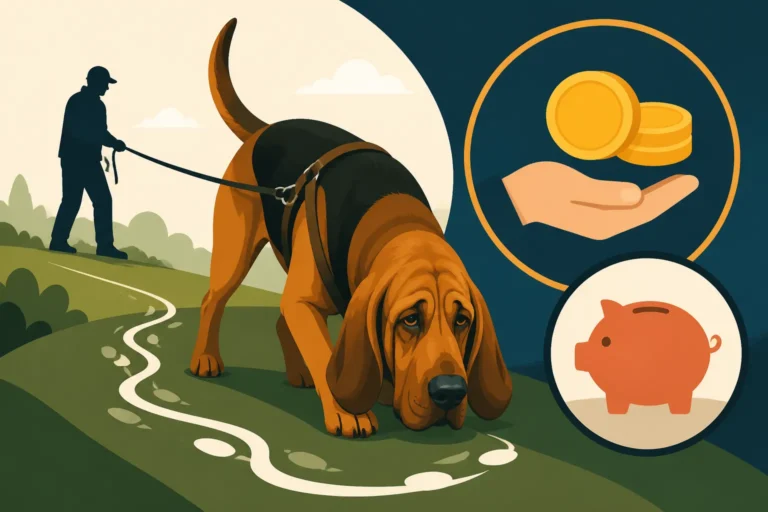
Bloodhounds are legendary for their scenting abilities; their nose is practically a superpower. This leads many to consider professional trailing or search and rescue (SAR) work. There are indeed Bloodhounds that excel in these fields, locating lost people, fleeing suspects, or even cadaver detection. The idea of your dog saving lives and potentially bringing in some income is certainly appealing.
However, becoming a certified SAR or trailing dog and handler team is an incredibly demanding path, both in terms of time and money. Training is extensive, often requiring years of dedication, specialized equipment, and travel to seminars and certifications. You'll invest in specific harnesses and long lines for scent work, and frequently refresh your skills with professional trainers. While some police departments or volunteer SAR teams may cover expenses for their working dogs, very few pay a handler a salary that would come close to offsetting the dog's lifetime costs. Volunteer SAR teams rely heavily on personal commitment and often require handlers to cover their own expenses. So, while profoundly rewarding, this isn't a realistic path to financial returns. It’s more of a dedicated passion project.
Breeding a Bloodhound
Another thought that might cross an owner's mind is breeding. If your Bloodhound is beautiful, healthy, and has an excellent temperament, perhaps you could breed them and sell puppies. High-quality Bloodhound puppies can indeed command a good price, but the idea that breeding is a quick path to profit is often a misconception.
Responsible breeding involves far more than just mating two dogs. It starts with comprehensive health testing for the parent dogs, including expensive certifications for hips, elbows, eyes, and often heart and thyroid. Then there are stud fees (if you don't own the male), prenatal care, potential complications during delivery, puppy vaccinations, deworming, microchipping, and high-quality puppy food for the entire litter. Raising a litter is round-the-clock work, often requiring weeks off from other responsibilities. When you factor in potential emergencies, vet bills for the dam and puppies, and the time commitment, the actual profit margin, if any, is usually quite small. Many ethical breeders consider themselves lucky to break even, viewing it as a way to preserve and improve the breed, not as a money-making venture. You might be interested in What a Bloodhound Breeder's Contract Covers regarding health guarantees and responsibilities.
Conformation Showing and Performance Events
Some Bloodhounds find their calling in the show ring or other performance events like obedience, rally, or even scent work (different from SAR). Winning at high levels can bring prestige, but rarely significant cash prizes that would offset expenses. Even "Best in Show" at major events often comes with a trophy and bragging rights, not a hefty check.
The costs associated with showing are substantial. Entry fees for shows, travel and lodging expenses, professional handling fees (if you don't handle yourself), specialized grooming supplies, and conditioning your dog all add up. While titles can increase a dog's value for breeding purposes, this again circles back to the previous point about breeding profitability. For most owners, showing is a hobby, a passion that deepens the bond with their dog, and a way to celebrate their Bloodhound's excellent qualities, rather than a means to recoup costs.
The Reality: Bloodhounds Are a Financial Commitment
Let's be blunt: a Bloodhound is generally a significant financial commitment throughout its life, and it's highly unlikely that they will "earn back" their purchase price through any conventional means. The joys they bring are immense, but they are gifts of companionship, loyalty, and often hilarious antics, not monetary returns.
Lifetime Medical Expenses
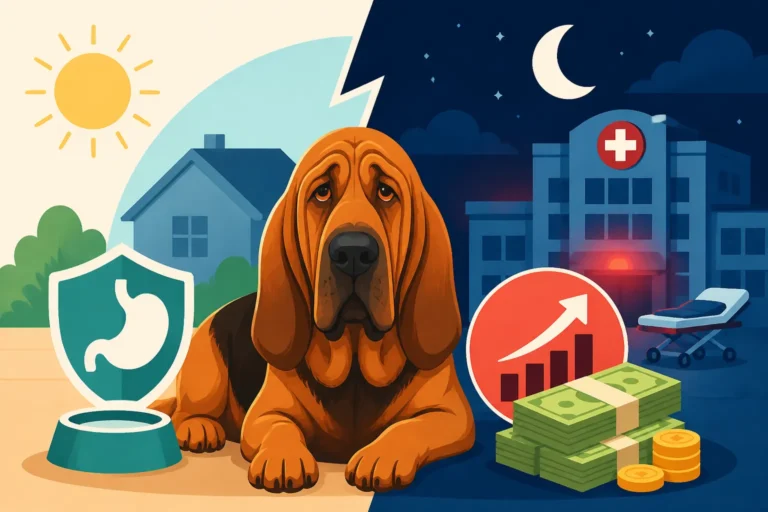
Bloodhounds, like many large purebreds, are prone to certain health issues that can lead to considerable veterinary bills. Bloat Is What Kills Most Bloodhounds, and emergency surgery for this condition can be incredibly expensive. Then there are chronic ear infections due to their long, heavy ears, skin fold dermatitis, and hereditary joint issues like hip and elbow dysplasia. Regular vet check-ups, vaccinations, parasite prevention, and unexpected illnesses are all part of responsible ownership.
Consider getting pet insurance from providers like Healthy Paws. While it won't cover pre-existing conditions (like those specific eye conditions or joint issues a puppy might be predisposed to), it can be a lifesaver for unexpected accidents, illnesses, or emergencies like bloat. It's a proactive step that can help manage the financial blows that come with owning a large breed. You might wonder, Whether Pet Insurance Is Worth It on a Bloodhound, and for many Bloodhound owners, the answer is a resounding yes.
Here's a look at some common Bloodhound health concerns and associated costs (remembering exact prices fluctuate greatly):
| Health Concern | Typical Cost Factor | Description |
|---|---|---|
| Bloat (GDV) Surgery | Extremely High | Emergency surgery to untwist the stomach; often requires overnight ICU stay. |
| Preventive Gastropexy | High | Elective surgery to tack the stomach to the abdominal wall to prevent torsion; usually done with spay/neuter. |
| Chronic Ear Infections | Moderate to High (ongoing) | Frequent vet visits, ear cleaning solutions, prescription drops, potentially cultures, and sedated cleanings. Can lead to surgery in severe cases. |
| Eyelid Surgeries (Ectropion/Entropion) | High | Corrective surgeries to address drooping or rolled-in eyelids that can cause irritation and corneal damage. Often requires an ophthalmologist. |
| Joint Dysplasia Management | Moderate to High (ongoing) | Medications, joint supplements, physical therapy, and potentially corrective surgeries (if suitable) for hip and elbow issues. |
| Skin Fold Dermatitis | Low to Moderate (ongoing) | Regular cleaning solutions, medicated wipes, and sometimes prescription topical creams or oral antibiotics for infected skin folds. |
Food, Supplies, and Training
A big dog eats a lot of food! Premium large-breed dog food, which is essential for proper growth and maintaining health, especially to help prevent issues like bloat, is a significant ongoing expense. Brands like Ollie offer fresh, customized meal plans, which can be fantastic for their health but also come at a higher price point than traditional kibble. Even buying high-quality kibble in bulk from places like Chewy will still add up quickly over a Bloodhound's lifespan. What Feeding a Bloodhound Costs Each Month can be surprising if you've only owned smaller dogs.
Beyond food, you'll constantly be restocking on essentials:
- Toys: Bloodhounds are powerful chewers, and durable toys are an investment that prevents them from destroying your furniture.
- Cleaning Supplies: Their drool, long ears, and skin folds mean you'll be going through ear cleaner, fold wipes, and general household cleaners regularly. You'll definitely want to read Everything on a Bloodhound Hangs Down and Has to Be Cleaned.
- Training Equipment: While basic obedience classes are helpful, a Bloodhound truly thrives with scent work. This means investing in specialized harnesses, long lines, and potentially joining a mantrailing club or taking seminars. Mantrailing Is the Answer to a Bloodhound, Not Obedience for most owners seeking engagement.
Unexpected Costs and Time Commitments
Life with a Bloodhound is unpredictable, and costs can arise from unexpected places. That fence you thought was sufficient? A determined Bloodhound might find a way around it, leading to repair costs or the need for a taller, more secure barrier. Your new couch? It might become a victim of zoomies or a drool shake if not properly protected. And let's not forget the cost of your time. Caring for a Bloodhound is a significant daily commitment, from ear cleaning to fold wiping, exercise, and mental stimulation. While time isn't "money earned," it's certainly a valuable resource that you'll be investing heavily.
The real "return" on investment for a Bloodhound owner comes in intangible forms: the unconditional love, the endless entertainment, the unique bond formed through shared adventures, and the immense pride in their incredible tracking abilities. These are priceless, but they don't come with a cash value.
The True Value of a Bloodhound
While the idea of a Bloodhound earning back its purchase price is, for most owners, a lovely but unrealistic dream, their value is undeniable. It simply isn't a financial value in the traditional sense. The true worth of a Bloodhound lies in the unique qualities they bring to our lives and homes.
Unconditional Love and Companionship
A Bloodhound's devotion is legendary. They are affectionate, gentle giants who thrive on being part of the family. Their deep, soulful eyes and cuddly nature make them incredible companions. There's nothing quite like coming home to that happy bay and the enthusiastic tail wag of a Bloodhound who adores you. This kind of unconditional love and companionship is something money simply cannot buy, and it far outweighs any monetary cost of ownership. They become a central, irreplaceable part of your life, offering comfort, joy, and a constant, loving presence.
The Joy of Working with Their Incredible Nose
Engaging a Bloodhound in scent work, whether for fun or serious trailing, is an experience like no other. Witnessing their nose "turn on" and watching them methodically follow a trail, utterly focused and driven, is awe-inspiring. It's a profound connection to their instinct and history. This shared activity builds an incredible bond and provides immense satisfaction for both dog and owner. For many, the joy and fulfillment of watching their Bloodhound work is the greatest reward, a hobby that enriches life far beyond any potential prize money or professional fees. You'll gain a deeper appreciation for their unique abilities as explored in What a Bloodhound Is Actually Smelling on a Trail.
A Lifetime of Memories and Experiences
From the goofy puppy antics to the steadfast loyalty of an older dog, every stage of a Bloodhound's life is full of memorable moments. The challenges you overcome together, the quiet evenings spent with a giant head in your lap, the triumphant end of a successful trail—these are the real "dividends" of Bloodhound ownership. They enrich your life in countless ways, teaching patience, perseverance, and the profound depth of interspecies connection. While your bank account might not reflect a positive ROI, your heart and your memories certainly will.
In conclusion, while a Bloodhound's purchase price and ongoing care costs are substantial, trying to make them "earn back" that money is usually not a feasible or realistic goal. Their true value lies in the immense, irreplaceable joy and companionship they bring.
Disclaimer
This article is for general informational purposes only and does not constitute professional advice. Laws, prices and regulations vary by location and change over time. Consult a qualified professional for guidance on your specific situation.