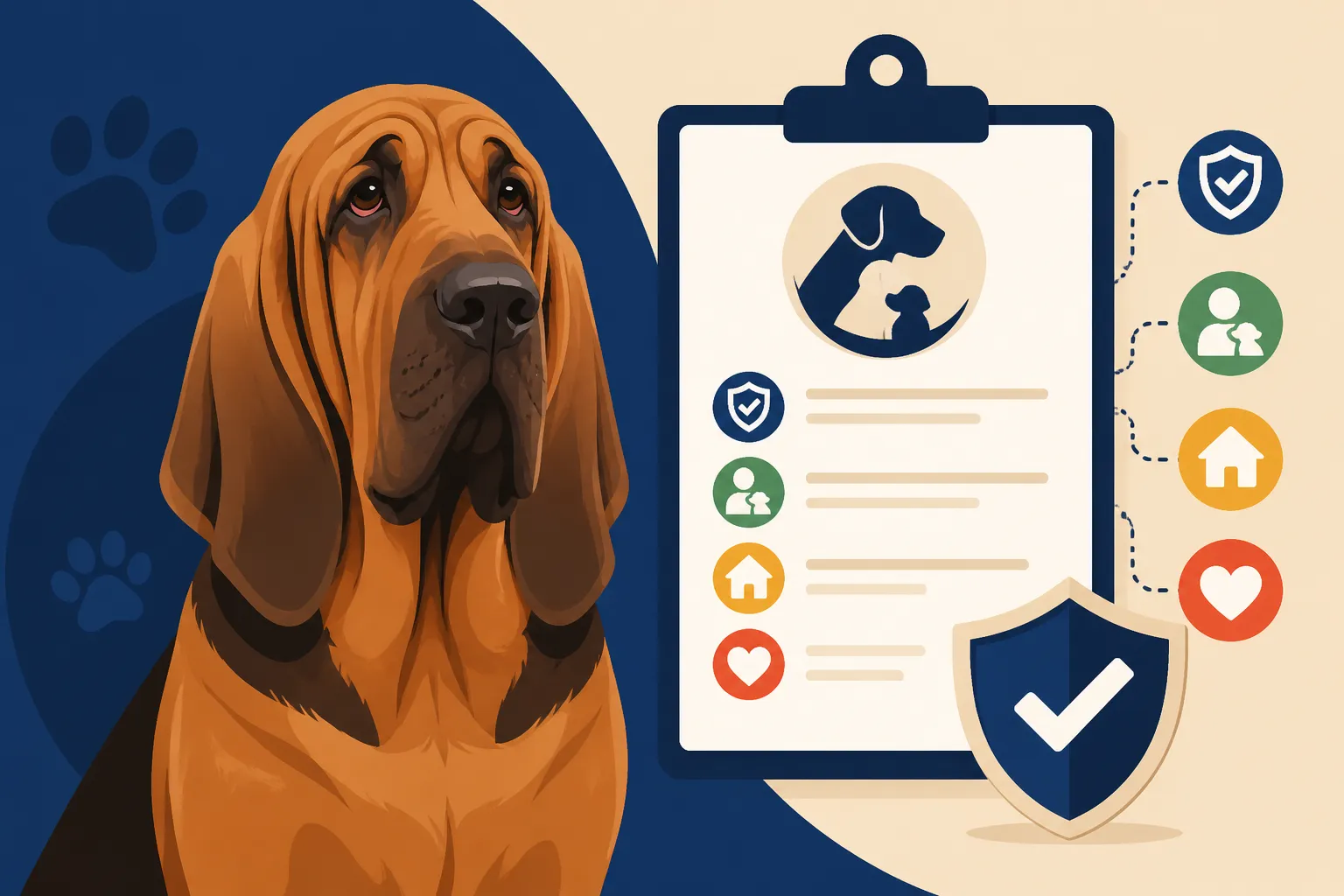
What a Bloodhound Breeder’s Contract Covers
Bringing a new Bloodhound puppy into your life is an incredibly exciting time, filled with dreams of long walks, endless snuggles, and that amazing nose leading the way. But before you get lost in those puppy breath dreams, there's a crucial document that needs your full attention: the breeder's contract. Many people view it as just paperwork, but understanding what it covers is vital for both your peace of mind and your Bloodhound's future well-being. This guide will walk you through the typical clauses you'll encounter, what they mean, and why they matter.
The Essential Role of a Bloodhound Breeder's Contract
When you're looking for a Bloodhound, you're not just picking out a pet; you're often engaging with a dedicated breeder who has invested years, if not decades, into preserving and improving the breed. Their contract isn't just a formality; it's a comprehensive agreement designed to protect the puppy, the buyer, and the integrity of their breeding program. Think of it as a detailed roadmap for your journey together, outlining expectations and responsibilities from day one.
More Than Just a Receipt: Protecting All Parties
A breeder's contract goes far beyond a simple bill of sale or a receipt for your purchase. It's a legally binding document that articulates the terms of your agreement, ensuring that both you and the breeder understand your roles and commitments. For the puppy, it's a critical safety net, laying out expectations for its care, health, and future. Responsible breeders pour their heart and soul into their Bloodhounds, and the contract helps ensure that their puppies go to homes committed to providing a lifetime of appropriate care.
For you, the buyer, the contract offers protection by outlining health guarantees, specifying what you're receiving, and clarifying the breeder's responsibilities post-sale. It's a transparent declaration of what you can expect, from the puppy's lineage to potential recourse if unforeseen issues arise. And for the breeder, it safeguards their reputation and their work, ensuring that their carefully bred Bloodhounds are placed in suitable environments and not used in ways that could harm the breed or the individual dog. It's a mutual agreement for a lifetime commitment, not just a transaction.
Setting Expectations and Responsibilities
The beauty of a well-written breeder contract lies in its ability to clearly define expectations for both parties. It often starts by establishing who the new owner is and confirming the puppy's details, such as its date of birth, sire, and dam, and its registration status. Beyond these basics, however, it delves into the specifics of ongoing care and ethical ownership. For instance, you might find clauses dictating the type of food the puppy should receive, the frequency of veterinary check-ups, and the environment it should live in.
A responsible breeder will often include language about providing adequate socialization and training, recognizing that a well-adjusted Bloodhound requires consistent effort and guidance. They might also specify that the dog should not be sold or given away to a third party without their knowledge or consent, often including a "right of first refusal" clause to ensure the dog always has a safe place to go if your circumstances change. These clauses aren't about control, but about a shared commitment to the Bloodhound's welfare. They highlight that the breeder's responsibility doesn't end when the puppy leaves their home, but extends throughout its life.
Health Guarantees and Warranties
One of the most significant sections of any reputable Bloodhound breeder's contract is the health guarantee. This is where the breeder stands behind the health of the puppy they are placing, offering a measure of security to new owners who are investing their hearts and finances into a new companion. Bloodhounds, like all purebreds, can be predisposed to certain genetic conditions, and a good contract addresses these possibilities directly.
Common Health Conditions Covered
A comprehensive health guarantee will typically cover a specific timeframe, often up to two years of age, for severe genetic health conditions that could significantly impact the dog's quality of life. For Bloodhounds, common concerns include Hip and Elbow Dysplasia in the Bloodhound, The Four Eye Problems a Bloodhound Is Born Toward, and certain heart conditions like dilated cardiomyopathy. The contract will usually detail what specific conditions are covered, how a diagnosis must be confirmed (e.g., by a board-certified specialist, with specific X-rays or tests), and the steps to take if such a condition is identified.
Breeders who adhere to the recommendations of organizations like the American Bloodhound Club will often screen their breeding dogs for these very issues, making their guarantees more robust. You can often find breeders referencing What the American Bloodhound Club Asks Breeders to Screen to demonstrate their commitment to health. Knowing that the breeder has taken these proactive steps, and that their contract provides a safety net, can offer immense peace of mind. Some owners even consider pet insurance from providers like Healthy Paws to further protect against unexpected veterinary costs, especially with a breed known for needing significant medical attention throughout its life.
The "Return" Clause and Remedial Action
It's a tough topic to think about when you're just getting a new puppy, but what happens if a serious, covered health issue does arise? A good breeder's contract will clearly outline the "return" clause and the various options for remedial action. This isn't about giving up on your dog; it's about the breeder upholding their commitment and ensuring the best outcome for all involved. Often, the contract will state that if a debilitating genetic condition is confirmed within the guaranteed timeframe, you may have the option to return the dog for a replacement puppy from a future litter or a partial/full refund.
In some cases, especially if you've already formed a deep bond, the contract might offer financial assistance towards treatment rather than a return, allowing you to keep your beloved Bloodhound while alleviating some of the financial burden. The specifics vary greatly between breeders, but the key is transparency. Always ensure you understand the exact conditions for returning the dog or receiving other forms of compensation. Sometimes, a breeder might even stipulate Whether a Bloodhound Can Be Returned to Its Breeder for non-health-related reasons, underscoring their lifelong commitment to their dogs. This ensures that their dogs never end up in shelters or unknown situations.
Spay/Neuter and Breeding Clauses
Perhaps one of the most common and critical clauses in a breeder's contract, especially for pet-quality puppies, revolves around spaying or neutering. These provisions are put in place by responsible breeders to manage the breed's population, ensure the health of their lines, and protect against irresponsible breeding practices. Understanding these clauses is essential, as breaching them can have significant consequences.
Limited Registration and Spay/Neuter Requirements
Most reputable Bloodhound breeders sell puppies on a "limited registration" basis. This means the dog is fully recognized by kennel clubs (like the AKC in the United States) and can participate in performance events, but any offspring it produces cannot be registered. This is the primary mechanism breeders use to ensure pet-quality dogs are not bred. The contract will almost certainly include a clause requiring you to spay or neuter your Bloodhound by a certain age, often between 6-18 months. Evidence of this procedure, typically a veterinary certificate, will need to be provided to the breeder.
This requirement is not just about population control; it's also about the long-term health of your individual Bloodhound. Spaying and neutering can reduce the risk of certain cancers and other health issues later in life. While there's ongoing discussion about the optimal age for these procedures in large breeds like Bloodhounds, the contract will usually specify the breeder's preferred timeframe based on their experience and breed knowledge. Always discuss these recommendations with your veterinarian and your breeder to make an informed decision about The Age a Bloodhound Should Have a Gastropexy, if you're also considering that preventive surgery.
Breeding Rights and Restrictions
If you've purchased a Bloodhound with "full registration," it means the breeder has granted you permission for the dog to be bred, and any future offspring can be registered. However, even with full registration, a responsible breeder's contract will still contain stringent clauses regarding breeding. These aren't just suggestions; they are often prerequisites designed to ensure ethical and healthy breeding practices. Such clauses typically mandate that the dog must meet certain health clearances before being bred, such as passing OFA hip and elbow (Hip and Elbow Dysplasia in the Bloodhound) screenings, having current eye certifications, and possibly cardiac evaluations.
Furthermore, the contract might specify age restrictions for breeding, or even require approval of any potential mates. Some contracts will also include clauses about the minimum age for a female's first litter or the maximum number of litters she can have in her lifetime. These restrictions reflect the breeder's dedication to the long-term health and welfare of the breed. Failing to adhere to these breeding clauses can result in legal action, penalties, or even the revocation of the dog's registration, effectively turning a full registration into a limited one. It's crucial to understand that reputable breeders are deeply invested in preventing casual or irresponsible breeding, ensuring that only healthy, well-tempered Bloodhounds contribute to future generations.
Rehoming, Training, and General Care Provisions
A Bloodhound breeder's contract extends beyond just the initial purchase and health guarantees. It often includes clauses designed to ensure the dog receives appropriate care, training, and a stable home environment throughout its life. These provisions reflect the breeder's commitment to every puppy they produce, even years down the line.
The "Right of First Refusal" for Rehoming
One of the most important clauses you'll often see, and one that truly sets a responsible breeder apart, is the "right of first refusal" if you ever need to rehome your Bloodhound. Life happens, and circumstances can change unexpectedly – a new job, a move, a family illness, or even an allergy. Should you find yourself in a position where you can no longer provide a suitable home for your Bloodhound, this clause states that you must first offer the dog back to the breeder.
This provision serves as a critical safety net for the dog. Instead of your Bloodhound ending up in a shelter, with a random stranger from an online ad, or contributing to the sad statistic of Why a Bloodhound Reaches Rescue at Eighteen Months, the breeder steps in. They know the dog's lineage, temperament, and health history, and can either take the dog back into their home or actively assist in finding a new, approved placement. This clause underscores the breeder's lifelong responsibility and commitment to their dogs, demonstrating that their care extends far beyond the point of sale. It's a testament to the depth of their concern for their Bloodhounds' welfare.
Training, Socialization, and Ongoing Care Expectations
Beyond preventing irresponsible breeding or rehoming, many contracts will include clauses related to the general care and upbringing of your Bloodhound. These aren't meant to micromanage your life but rather to encourage responsible pet ownership and ensure the puppy develops into a well-adjusted adult. You might find expectations regarding basic obedience training, emphasizing the importance of early socialization to new people, places, and experiences. A Bloodhound's inherent curiosity and strong scent drive mean that consistent training and socialization are non-negotiable for a happy, well-behaved companion.
The contract may also specify adherence to a routine veterinary care schedule, including vaccinations, deworming, and regular check-ups. It might suggest specific types of food suitable for large breed puppies, like those offered by Ollie or Chewy, to support healthy growth and development, crucial for preventing orthopedic issues later on. Furthermore, there may be an emphasis on providing adequate exercise and mental stimulation to prevent boredom-related behaviors. While the specifics can vary, these clauses are generally aimed at ensuring your Bloodhound receives the holistic care necessary to thrive, from its diet to its How Long House Training a Bloodhound Puppy Takes. They reinforce the idea that owning a Bloodhound is a significant, ongoing commitment.
Identifying and Understanding Problematic Clauses
While most reputable Bloodhound breeders use their contracts as tools for protection and clarity, it's equally important for buyers to be vigilant. Not all contracts are created equal, and some may contain clauses that are overly restrictive, unclear, or even unfair. Being able to identify these problematic areas is crucial for a smooth and positive experience.
Red Flags in a Breeder Contract
When reviewing a breeder's contract, several red flags should prompt you to ask more questions or seek further advice. Vague language is a major concern; if a clause is unclear or open to multiple interpretations, it could lead to disputes down the line. For example, a health guarantee that doesn't specify which genetic conditions are covered, or how a diagnosis must be confirmed, leaves too much room for ambiguity. Similarly, contracts that impose excessive or unrealistic demands on the buyer, such as dictating every aspect of the dog's diet for its entire life or requiring an exorbitant number of vet visits beyond what's medically necessary, might suggest an overly controlling breeder.
Another red flag could be punitive clauses that seem disproportionate to the offense, or clauses that demand excessive fees or actions for minor breaches. Be wary of contracts that offer no clear recourse for the buyer if the breeder fails to meet their obligations. A good contract is balanced and fair to both parties. If a breeder refuses to discuss or clarify any part of the contract, or rushes you through the reading process without allowing time for questions, that's also a significant warning sign. Remember, this is a significant commitment, similar to What a Health Tested Bloodhound Puppy Costs, and you deserve to understand every detail.
The Importance of Open Communication and Legal Review
The best way to navigate a breeder's contract is through open and honest communication. A responsible Bloodhound breeder will welcome your questions and take the time to explain every clause, ensuring you feel comfortable and informed before signing. They want you to understand your responsibilities and their commitments, as this fosters a strong partnership centered on the dog's welfare. Don't be afraid to ask for clarification on anything that's unclear, or to discuss any concerns you might have about specific requirements.
If, after speaking with the breeder, you still have reservations or feel that certain clauses are particularly complex or legally dense, it's absolutely within your rights to seek a legal review. Consulting with an attorney who specializes in contract law or animal law can provide you with an objective interpretation and identify any potential pitfalls. While this might seem like an extreme step for a puppy purchase, remember the long-term commitment and potential financial implications involved, especially when considering situations like Whether a Bloodhound Health Guarantee Covers Bloat or major surgical costs. A well-understood and fair contract is the foundation for a happy, healthy relationship with your new Bloodhound and its breeder.
Navigating Specific Contractual Obligations
Beyond the general provisions, breeder contracts often delve into highly specific obligations that owners must uphold. These range from how the Bloodhound is registered to the practicalities of its daily care and even its long-term veterinary management. Being prepared for these details helps foster a strong relationship with your breeder and ensures the well-being of your new family member.
Registration Details and Name Selection
Most Bloodhound breeders will register their puppies with a reputable kennel club, such as the American Kennel Club (AKC). The contract will typically specify whether your puppy comes with limited or full registration, as discussed earlier. It will also outline the process for formally registering your puppy in your name, often including a deadline by which this must be completed. A common clause dictates the naming convention for the puppy; many breeders require that their kennel name be included as part of the registered name, honoring their lineage and breeding program. For example, your puppy might be named "Tracker's Valiant Scout" if the kennel name is "Tracker."
It's important to understand the implications of registration. While Whether an AKC Registered Bloodhound Costs More upfront, it grants your Bloodhound access to various events, from conformation shows to obedience trials and tracking competitions – activities that a Bloodhound often excels at and profoundly enjoys. The contract ensures that this important lineage is maintained and correctly recorded. Make sure you understand whether the breeder handles the initial registration entirely or if it requires action on your part, and what documentation you will receive.
Dietary Requirements and Supplementation
Given the Bloodhound's rapid growth as a puppy and its predisposition to certain health issues, dietary clauses are common in breeder contracts. Many breeders will specify the brand and type of food they recommend, particularly for the first year or two, to ensure proper nutrition. They might advise on large breed specific formulas to support joint health, especially for breeds prone to Hip Dysplasia in a Bloodhound. Some contracts might even require the use of specific supplements, such as fish oil for coat and skin health, or joint supplements as a preventative measure.
While it might feel prescriptive, these recommendations are often based on years of experience and research into what best supports a Bloodhound's health. Changing a puppy's diet too abruptly can cause digestive upset, so a good breeder will often provide a small supply of the food they're currently feeding. Brands like Chewy and Ollie offer a wide range of high-quality foods and supplements that responsible breeders often recommend. Always discuss any planned changes to your Bloodhound's diet with your breeder and veterinarian to ensure it meets the dog's nutritional needs and aligns with the contract's provisions.
Breeder's Ongoing Support and Responsibilities
A robust breeder contract isn't just about the buyer's obligations; it also outlines the ongoing support and responsibilities of the breeder. A good breeder doesn't simply sell you a puppy and disappear; they remain a resource and a partner throughout your Bloodhound's life. This long-term commitment is a hallmark of ethical breeding practices.
Lifelong Breeder Support and Mentorship
One of the invaluable, though often unwritten, benefits of acquiring a Bloodhound from a reputable breeder is the access to their expertise and mentorship. While not always explicitly detailed in every contract, many breeders offer lifelong support. This means they are available to answer questions about everything from training challenges to health concerns or breed-specific quirks. They become a trusted resource who intimately understands the specific lineage of your dog and the breed as a whole.
This mentorship can be incredibly helpful for first-time Bloodhound owners, providing guidance on everything from managing those big ears to understanding their unique scent-driven behaviors. They often encourage you to reach out first if you encounter any significant issues, whether it's behavioral problems or health concerns. This ensures that you don't feel alone in your journey and that your Bloodhound benefits from a wealth of experience. It's a relationship built on trust and a shared passion for the breed.
Resolution of Disputes and Contract Amendments
While everyone hopes for a smooth experience, sometimes disagreements or unforeseen circumstances can arise. A well-structured contract will include clauses regarding the resolution of disputes. This might involve mediation, arbitration, or specific legal procedures in the event of a serious breach or disagreement between the buyer and the breeder. These clauses are designed to provide a clear path forward and avoid protracted legal battles.
Additionally, a contract may outline how amendments or changes can be made to the agreement. Typically, any modifications must be made in writing and agreed upon by both parties. It’s rare to amend a contract after the initial signing, but circumstances sometimes dictate a need for flexibility. Always ensure that any verbal agreements or understandings you have with the breeder are reflected in writing, either within the original contract or as a signed addendum. Clarity in these areas protects both parties and ensures that the focus remains on the well-being of the Bloodhound. Having chosen a veterinarian that understands the unique needs of the breed, perhaps even Whether a Bloodhound Owner Should Choose a Vet With Overnight Surgery given the bloat risk, is another layer of preparedness for unexpected challenges.
Disclaimer
This article is for general informational purposes only and does not constitute professional advice. Laws, prices and regulations vary by location and change over time. Consult a qualified professional for guidance on your specific situation.