Whether a Bloodhound Owner Should Choose a Vet With Overnight Surgery
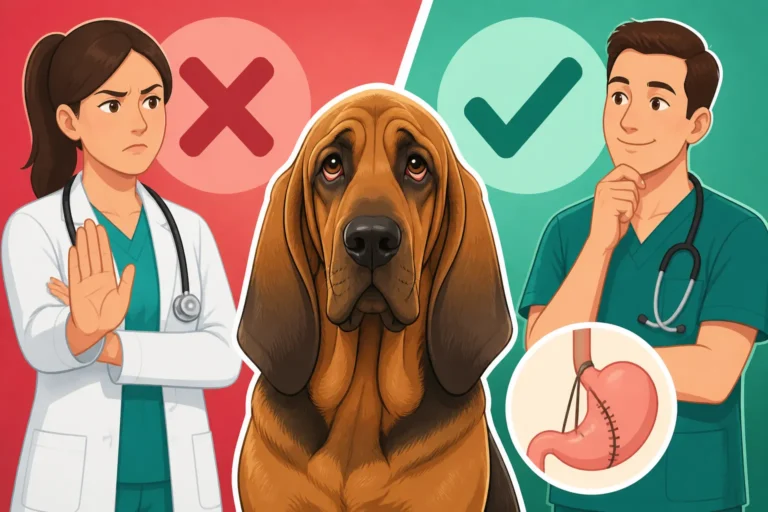
When a Bloodhound faces a sudden emergency, like the dreaded bloat or an unexpected injury, time becomes a cruel adversary. The immediate scramble to find care, especially in the dead of night, often forces owners to confront a heartbreaking reality: not all veterinary clinics are equipped for round-the-clock intensive care. This guide will delve into the critical factors to consider when deciding whether your Bloodhound needs a veterinary practice that offers comprehensive overnight surgery and monitoring, helping you understand the immense value of continuous care during a crisis.
The Reality of Emergency Care for a Bloodhound
Bloodhounds, with their deep chests, often clumsy nature, and sometimes stoic disposition, can present unique challenges in emergency situations. What might seem like a minor issue can escalate rapidly, and their large size means that any intervention, especially surgical, requires specialized attention. The quiet hours of the night are precisely when many emergencies unfold, leaving owners feeling isolated and desperate for immediate, expert help.
Understanding the "Golden Hour" in Bloodhound Emergencies
For many critical conditions, particularly the life-threatening gastric dilatation-volvulus (GDV), commonly known as bloat, the concept of a "golden hour" is terrifyingly real. This isn't just a dramatic phrase; it refers to the crucial window of time during which intervention is most likely to be successful. If your Bloodhound begins to show signs of distress—retching without producing anything, a distended abdomen, restlessness, or obvious pain—every minute counts. This is not a situation where you can wait until morning. A delay of even a few hours can drastically reduce survival rates. The Half Hour a Bloating Bloodhound Has is often all you have to get to a facility that can act.
Many Bloodhound owners have lived through the nightmare of rushing their beloved dog to an emergency clinic only to find out they have limited resources, or worse, that they need to be transferred to another facility an hour away. That precious "golden hour" ticks away during these transfers, adding to the stress and the dog's suffering. Being at a facility that can immediately assess, stabilize, and operate can be the difference between life and loss.
The Difference Between Day Clinics and Emergency Hospitals
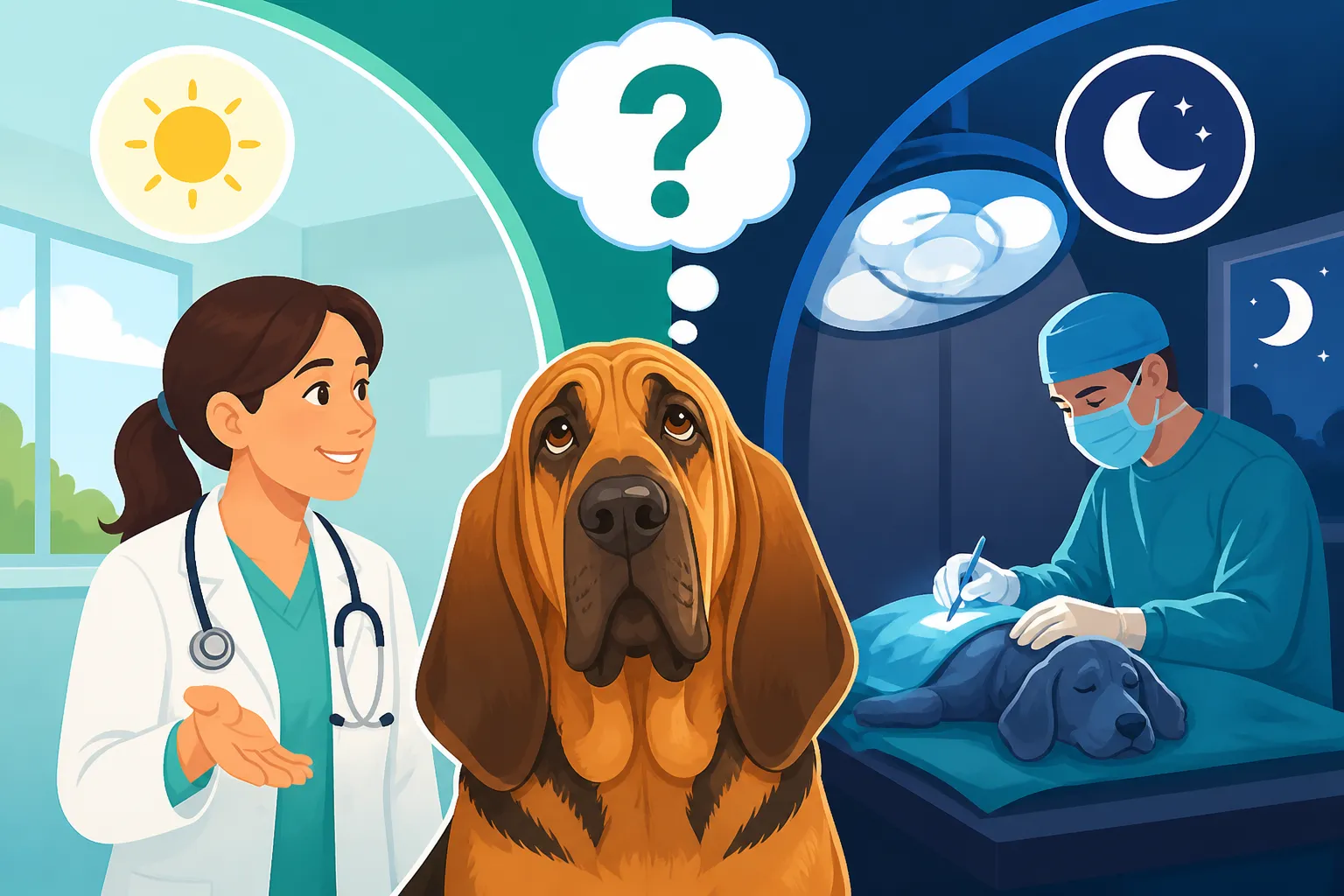
Most general practice veterinary clinics operate during standard business hours. They are fantastic for routine check-ups, vaccinations, minor illnesses, and planned surgeries. However, once the lights go out and the staff go home, they simply aren't equipped for emergencies. If your Bloodhound develops a sudden, severe issue after hours, your regular vet will likely have an answering service that directs you to an emergency veterinary hospital.
These dedicated emergency hospitals, often open 24/7, are designed for critical care. They have veterinarians and support staff on duty around the clock, advanced diagnostic equipment, and surgical suites ready for immediate use. They handle everything from car accidents to sudden illnesses, internal bleeding, and, yes, bloat. The trade-off, of course, is that this specialized, always-on care often comes at a higher price point due to the staffing and equipment demands. The peace of mind, however, of knowing there's always someone there can be invaluable.
What "Overnight Surgery" Actually Means for Your Bloodhound
When we talk about a vet offering "overnight surgery," it's not just about the procedure itself. It's about the entire continuum of care before, during, and especially after that critical operation. For a large breed like a Bloodhound, recovering from anesthesia and major surgery is a delicate process that demands constant vigilance.
Continuous Monitoring and Post-Operative Care
Imagine your Bloodhound, still groggy from anesthesia after a complex surgery like a bloat correction. Their vital signs—heart rate, breathing, blood pressure, temperature—need continuous monitoring. They need pain medication administered on a precise schedule, often through intravenous lines. Intravenous fluids are essential to maintain hydration and support organ function. If they were to experience a complication, such as internal bleeding, a sudden drop in blood pressure, or a difficult awakening from anesthesia, trained staff need to be there immediately to recognize and address it.
In a facility with overnight care, your Bloodhound won't be left alone in a kennel after surgery. There will be veterinary technicians and veterinarians actively monitoring them, adjusting medications, and providing comfort. This intensive care significantly impacts recovery. For conditions like bloat, where What Emergency Bloat Surgery Does for a Bloodhound is intense and complex, and where secondary complications can arise, continuous oversight is paramount. Knowing that an experienced team is watching over your gentle giant all night allows for early detection of issues and proactive management, preventing a small problem from becoming a catastrophic one.
Peace of Mind for You, Better Outcomes for Them
As a Bloodhound owner, you carry a special burden of responsibility for these wonderful, often fragile, creatures. The emotional toll of an emergency is immense. You're worried, scared, and exhausted. Having your Bloodhound at a facility where you know they are never alone, where their recovery is actively managed hour by hour, offers an unparalleled level of peace of mind.
This peace isn't just for your benefit. When owners feel confident in the care their dog is receiving, they are better able to make clear-headed decisions, provide consistent follow-up care, and generally cope better with the stressful situation. This positive emotional state can even indirectly aid your dog's recovery, as you're better prepared to support them when they come home. Ultimately, this comprehensive care leads to better outcomes for your Bloodhound, increasing their chances of a full and speedy recovery. How Long a Bloodhound Stays In After Bloat Surgery will depend heavily on the quality of their initial post-operative care.
Weighing the Costs and Logistical Realities
There's no getting around it: 24/7 veterinary care, especially involving emergency surgery, is expensive. It's a stark reality that hits hard when your beloved Bloodhound is in crisis. However, understanding why these costs are what they are, and planning for them, can make a significant difference.
The Price Tag of 24/7 Care
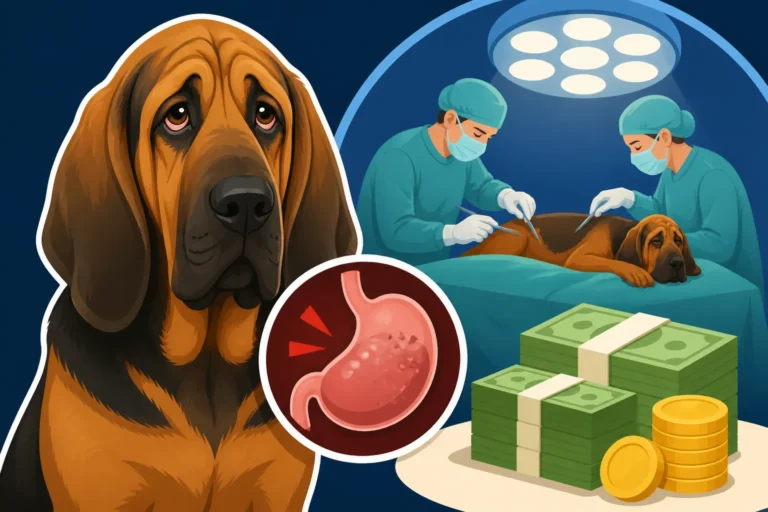
The cost of an emergency visit, diagnostics, and especially surgery and overnight hospitalization, can be substantial. Emergency clinics operate with higher overheads: they pay staff to work nights, weekends, and holidays, maintain specialized equipment, and keep a wide array of medications and supplies on hand at all times. When your Bloodhound needs What a Bloodhound's Bloat Surgery Bill Comes To, you're not just paying for the surgeon's time; you're paying for the team, the facility, the drugs, the anesthesia monitoring, and the continuous post-operative vigilance.
| Service/Item | General Practice (Daytime/Routine) | 24/7 Emergency Hospital (Overnight/Emergency) |
|---|---|---|
| Availability | Limited hours, weekdays | 24/7, 365 days a year |
| Staffing | Vet, techs (daytime only) | Vets, multiple techs (round-the-clock) |
| Equipment | Standard diagnostics, surgical suite | Advanced diagnostics (ultrasound, X-ray), trauma bay, ICU, surgical suite |
| Cost Structure | Lower overheads, appointment-based | Higher overheads, emergency surcharges |
| Overnight Monitoring | Generally not available, transfers for critical cases | Constant, dedicated veterinary staff |
| Complexity Handled | Routine/minor emergencies, stable cases | Major trauma, critical illness, complex surgeries |
This is why many Bloodhound owners wisely invest in pet insurance. Companies like Healthy Paws can be a lifesaver, helping to offset the staggering costs of emergency procedures and intensive care. While you'll still have a deductible and co-pay, having a significant portion of that bill covered can allow you to make decisions based on your Bloodhound's best interest, rather than your wallet. If you're wondering Whether Pet Insurance Is Worth It on a Bloodhound, an emergency like bloat will unequivocally answer that question.
Remember that What a Bloodhound's Night in Intensive Care Costs alone can be thousands, even without surgery, due to the constant attention, medications, and specialized care required. It's a sobering thought, but one that highlights the immense value of having continuous medical supervision.
Accessibility and Alternatives When 24/7 Isn't an Option
We all know that ideal care isn't always feasible. Not every area has a 24/7 emergency veterinary hospital within a reasonable driving distance, and for some, the financial barrier can be insurmountable. If a dedicated overnight facility isn't available, your options might include:
- Stabilization and Transfer: Your local vet might be able to stabilize your Bloodhound enough to allow for transport to a more distant emergency facility. This buys time but doesn't eliminate the risk or the stress of travel.
- Referral to a Specialist: Some general practices have relationships with specialty centers that can offer higher levels of care, though these may still require transfers.
- Home Care with Guidance (Extremely Limited): In very rare, non-critical situations, your vet might guide you through specific monitoring at home, but this is almost never the case for serious emergencies like bloat or major injuries. For the kind of acute, rapidly deteriorating conditions Bloodhounds are prone to, home care is simply not an option.
It's crucial to understand the limitations of each option before an emergency strikes. Having a plan, even if it's not the ideal 24/7 facility, is better than no plan at all.
Making the Informed Choice for Your Bloodhound
Being proactive is the best approach when it comes to your Bloodhound's health. The time to research your veterinary options isn't when your dog is struggling to breathe; it's now, when things are calm.
Questions to Ask Your Vet Before an Emergency Strikes
Before you face a crisis, have a conversation with your regular veterinarian about their emergency protocols. Here are some key questions to ask:
- What are your emergency hours? Do they have extended evening or weekend hours for urgent cases?
- What is your protocol for after-hours emergencies? Will they direct you to a specific 24/7 emergency hospital?
- Which 24/7 emergency hospitals do you recommend? Get names, addresses, and phone numbers.
- Do you have an arrangement with any emergency clinics for transfers or continuity of care? This can streamline the process if your Bloodhound needs to be moved.
- Do you offer any in-house overnight monitoring for post-operative patients or critical cases? Some larger general practices may have limited overnight staffing, though this is rare.
- What is your experience with Bloodhound-specific emergencies, like bloat? While all vets are trained in emergencies, specific breed knowledge can be helpful.
- Do you accept pet insurance directly, or is it a reimbursement model? Knowing this upfront can help manage financial stress.
These questions will help you build a clearer picture of your resources and allow you to make educated decisions should the worst occur. Remember, Whether a Bloodhound Owner Should Call Ahead to the Clinic is always a good idea in an emergency, no matter where you're headed.
Building Your Emergency Plan
Every Bloodhound owner should have a clear, concise emergency plan. This isn't just about knowing where to go; it's about being prepared in every aspect.
- Identify Your Emergency Vets: Know the closest 24/7 emergency animal hospital(s). Have their numbers programmed into your phone and posted visibly at home.
- Emergency Fund/Insurance: Set aside an emergency fund, or ensure your pet insurance (like Healthy Paws) is active and understood. Whether a Bloodhound Owner Should Keep Liquid for emergencies is critical.
- Emergency Kit: Have a grab-and-go kit for your Bloodhound, including their medical records, any current medications, and a comfortable blanket.
- Know the Signs: Be intimately familiar with the signs of common Bloodhound emergencies, especially bloat. Signs a Bloodhound Is Bloating can appear quickly and subtly.
- Food and Water Considerations: Discuss with your vet what food is best for recovery. Sometimes, specific therapeutic diets or easily digestible options are needed. Brands like Ollie, known for fresh, whole-food ingredients, or specialized diets available through retailers like Chewy, might be helpful in post-operative recovery or for managing sensitive stomachs. What a Bloodhound Eats After Bloat Surgery is an important part of the recovery process.
- Transportation: Ensure your vehicle can safely transport your large Bloodhound, especially if they are in distress. Practice loading them if they are reluctant.
Ultimately, choosing a veterinary facility with overnight surgery and comprehensive care capabilities for your Bloodhound isn't just a convenience; it's a vital part of responsible ownership for a breed prone to serious, time-sensitive health issues. While the costs can be daunting, the peace of mind and, more importantly, the increased chances of a positive outcome for your beloved companion are truly priceless.
Disclaimer
This article is for general informational purposes only and does not constitute professional advice. Laws, prices and regulations vary by location and change over time. Consult a qualified professional for guidance on your specific situation.