Whether a Vet Will Refuse a Bloodhound’s Preventive Gastropexy
It's completely normal to feel a wave of anxiety, and maybe even a bit of frustration, when you're thinking about a significant preventive procedure for your beloved Bloodhound, like a gastropexy, and then wonder if your veterinarian might actually say no. This guide is here to shed some light on the various reasons a veterinary professional might hesitate or even outright refuse to perform a preventive gastropexy, and more importantly, how you can navigate these conversations to ensure your deep-chested companion gets the best possible care.
Understanding the "Why" Behind a Preventive Gastropexy for Bloodhounds
Before we dive into the possibilities of a vet declining the procedure, let's make sure we're all on the same page about why a preventive gastropexy is such a hot topic for Bloodhound owners. The truth is, these magnificent hounds, for all their gentle nature and incredible noses, come with some serious health predispositions that we, as responsible owners, have to confront head-on.
The Bloodhound's Unique Anatomy and Bloat Risk
If you've spent any time around Bloodhounds, you know they are built a certain way: deep-chested, long-bodied, and often with a slightly lean appearance despite their size. This specific build, while perfect for housing those incredible lungs that fuel their scent work, unfortunately also puts them at a significantly higher risk for a life-threatening condition known as gastric dilatation-volvulus, or "bloat" for short. It's truly a nightmare scenario for any owner. One minute your dog is fine, and the next, they're showing signs of extreme distress. It's not just a little indigestion; it's a terrifying emergency where the stomach rapidly fills with gas and then, sometimes, twists on itself, cutting off blood supply. This is why discussions around preventing bloat are so critical for our breed. Why a Bloodhound's Chest Shape Causes Bloat goes into more detail about this particular anatomical challenge.
The panic that sets in when you see those early signs – the retching without anything coming up, the distended abdomen, the pacing – is something no one ever wants to experience. Bloat can kill a Bloodhound incredibly fast, often within hours if not minutes. The fear is palpable, and for good reason. It's a race against time, and the odds aren't always in your favor, even with immediate veterinary intervention. Knowing this, it’s only natural that owners seek ways to proactively protect their hounds from such a terrifying and often fatal condition.
The Purpose and Benefits of a Gastropexy
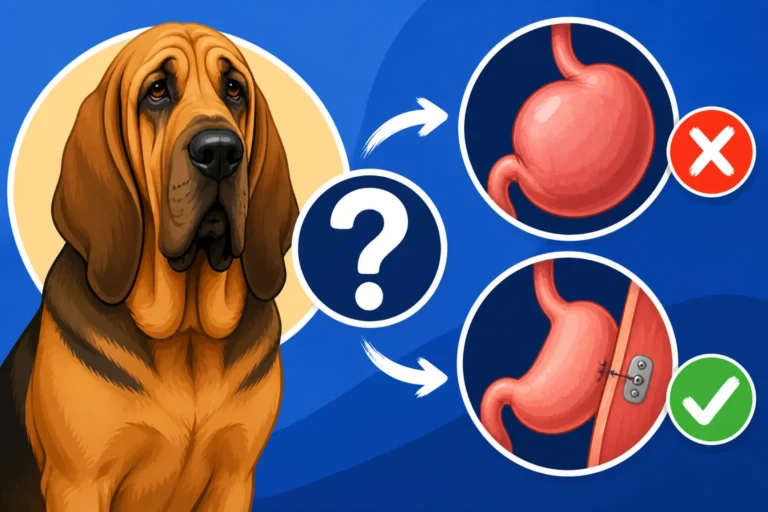
A preventive gastropexy is a surgical procedure designed to permanently attach the stomach wall to the abdominal wall. The intention here is not to prevent the initial "dilatation" or gas accumulation, but to stop the "volvulus"—the twisting of the stomach. If the stomach can't twist, the most lethal aspect of bloat is largely mitigated. It transforms what would be a dire, immediate life-or-death emergency into a severe, but usually manageable, case of bloat without the torsion. What a Preventive Gastropexy Does for a Bloodhound explains this in detail. This procedure offers immense peace of mind to Bloodhound owners, knowing they've taken a significant step to protect their dog from the most devastating outcome of bloat.
For many, this surgery is seen as a lifeline, a way to significantly reduce the risk of losing their beloved companion to a condition that strikes seemingly without warning. It means less worry about meal times, about exercise, and about every little groan or sigh from your hound. While it doesn't eliminate all risk factors for bloat, it tackles the most dangerous component, allowing you to focus more on enjoying life with your Bloodhound and less on the constant shadow of potential emergency. It’s an investment in their future health and your emotional well-being as an owner.
Common Reasons a Veterinarian Might Hesitate or Refuse a Procedure
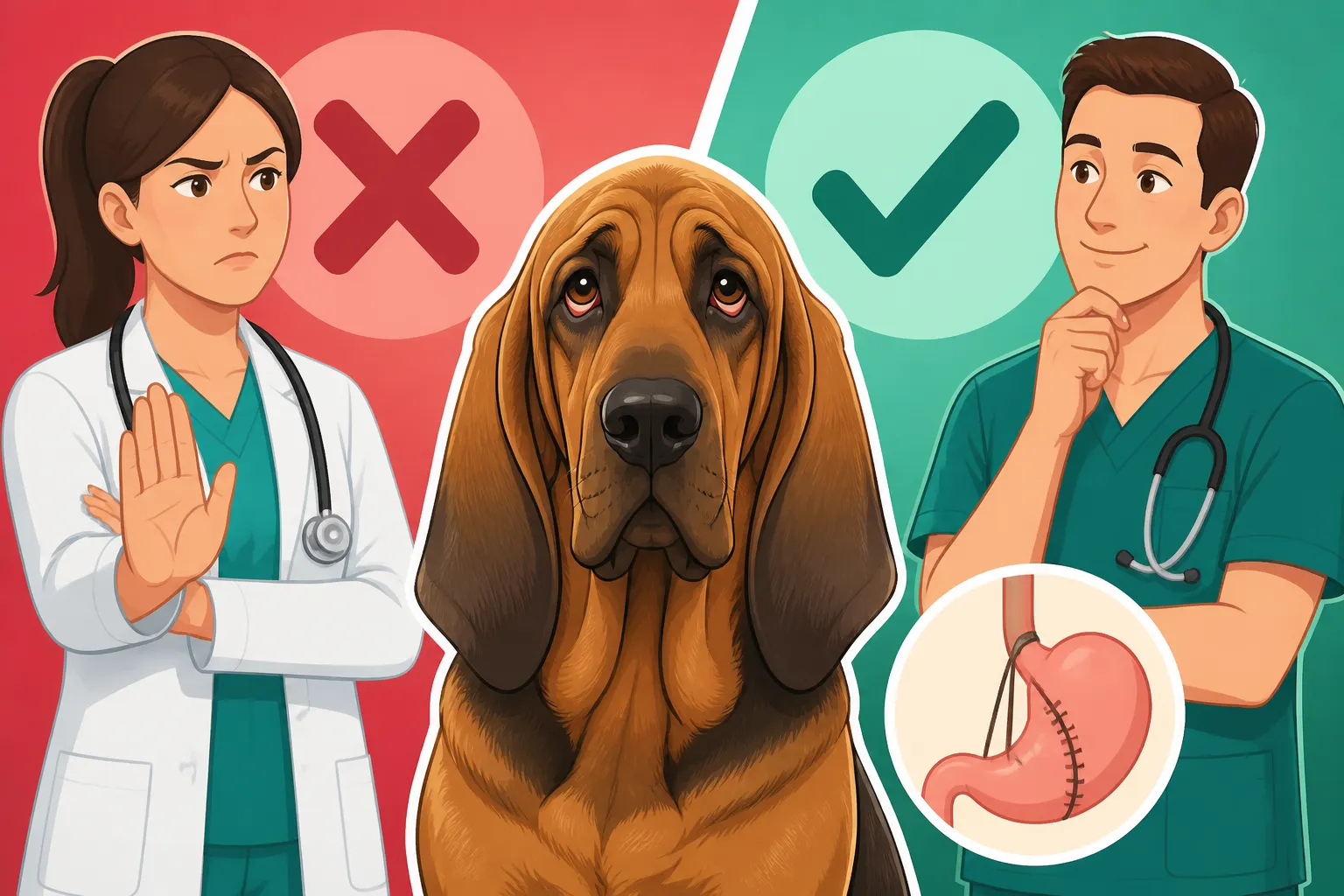
It can be incredibly disheartening to bring up a preventive gastropexy with your vet, only to be met with hesitation or even a direct refusal. However, it's important to understand that a vet's reluctance usually stems from a place of medical responsibility and a commitment to your dog's safety, not an unwillingness to help. They're weighing many factors, some of which might not be immediately obvious to you.
Patient Health and Anesthesia Risk
The primary concern for any veterinarian is the health and safety of the patient. Surgery, even a routine or elective one like a gastropexy, carries inherent risks, most notably associated with anesthesia. Your Bloodhound's overall health status is paramount in determining their suitability for the procedure. For instance, if your dog has any underlying health conditions, such as undiagnosed heart murmurs, kidney issues, or liver problems, these could significantly increase the anesthetic risk. Vets will often perform pre-anesthetic bloodwork to screen for these very issues, and if the results show abnormalities, they might delay or refuse the surgery until those issues are addressed or better understood. What a Bloodhound's Pre Anesthetic Bloodwork Costs outlines some of these initial steps.
Age also plays a role. While a gastropexy is often recommended during spay or neuter, typically when the dog is young, an older Bloodhound might present a different risk profile. The Age a Bloodhound Should Have a Gastropexy is usually when they are young. However, if you have an older Bloodhound, perhaps a rescue, who has never had the procedure, the vet will carefully consider their age, physical condition, and any signs of aging, like arthritis or reduced organ function, before agreeing to anesthesia. They might also suggest additional diagnostics, like an echocardiogram, to ensure your dog's heart is healthy enough for the stress of surgery. It's all about minimizing the chance of complications and ensuring the procedure is truly in your Bloodhound's best interest.
Insufficient Surgical Experience or Equipment
Let's be real, not every veterinary clinic is equipped to handle every single surgical procedure with equal expertise. While a routine spay or neuter is standard practice, a gastropexy, especially a laparoscopic one, requires specific skills and equipment that might not be available at every general practice. If your regular veterinarian doesn't perform gastropexies regularly, or if they don't have the specialized laparoscopic equipment that can make the procedure less invasive and often quicker, they might feel it's in your Bloodhound's best interest to refer you to a specialist. This isn't a refusal; it's a responsible referral. Whether a Laparoscopic Gastropexy Suits a Bloodhound delves into the specifics of this approach.
A board-certified veterinary surgeon has extensive experience with these types of procedures and often works in a facility with advanced monitoring equipment and dedicated surgical staff. They can assess your Bloodhound's individual needs and perform the surgery with the highest level of proficiency. Think of it like this: you wouldn't ask your family doctor to perform open-heart surgery, even if they're a wonderful doctor. The same principle applies here. Your vet might simply be acknowledging their limitations for the sake of your dog's safety and optimal outcome. Whether a Bloodhound Owner Should Drive to a Surgical Referral Center is a valid consideration.
Clinic Policy or Resource Limitations
Sometimes, a clinic's refusal has less to do with your individual dog and more to do with their internal policies, staffing, or resource availability. For example, some smaller clinics might choose not to offer complex elective surgeries because they simply don't have the overnight monitoring capabilities, the dedicated surgical team, or the emergency backup necessary if complications arise. Their focus might be on general wellness and more common procedures. If a clinic is already stretched thin with a heavy caseload or is short-staffed, they might prioritize emergency surgeries or more urgent cases over elective ones, especially if the elective procedure would tie up resources for an extended period.
Furthermore, there can be financial considerations from the clinic's perspective regarding the investment in specialized equipment and ongoing training for complex procedures. If a clinic rarely performs gastropexies, it might not be financially viable for them to maintain the necessary specialized tools or keep their staff extensively trained in a procedure they seldom do. What a Preventive Gastropexy Costs on a Bloodhound can vary, and a clinic has to factor in their own costs and expertise. This kind of "refusal" is really about a clinic knowing its capacity and ensuring it can provide the highest standard of care within those parameters. They might suggest alternative clinics or specialists, which is still a pathway to getting the procedure done.
How to Approach Your Veterinarian and Advocate for Your Bloodhound
Feeling like you're not on the same page as your vet about a crucial procedure can be incredibly frustrating. But remember, they are your partner in your Bloodhound's health. Approaching the conversation effectively can make all the difference, turning potential roadblocks into clear paths forward.
Open Communication and Preparation
The best thing you can do is start the conversation early and come prepared. Don't wait until the day of a scheduled spay or neuter to spring the idea of a gastropexy on your vet. Bring it up during a wellness visit, even when your Bloodhound is a puppy. Explain why you're concerned (the breed's high bloat risk, for example) and that you've done your research. Ask specific questions: Does the clinic perform preventive gastropexies? What is their experience level? Do they offer laparoscopic or traditional open surgery? What are the potential risks and benefits they see for your specific dog?
Being well-informed doesn't mean you're challenging their expertise; it shows you're a proactive, engaged owner. You can mention that you understand the procedure is a significant decision and you're committed to doing what's best for your dog. If you've been considering pet insurance, now is a good time to ensure you have a policy that might cover such procedures, should complications arise or if you need to go to a specialist. Healthy Paws is one provider known for comprehensive coverage, so it's worth checking their specific terms regarding elective or preventive surgeries. This kind of open dialogue helps build trust and ensures you and your vet are working as a team. The Gastropexy Decision Every Bloodhound Owner Faces highlights the importance of this choice.
Exploring Options: General Practice vs. Specialty Clinics
If your primary care veterinarian expresses hesitation or straight-up tells you they can't perform the gastropexy, don't despair. This is often the point where you need to consider exploring your options, which frequently means a referral to a specialty surgical clinic. Ask your current vet for recommendations for board-certified veterinary surgeons in your area. These specialists often have more advanced facilities, equipment, and a higher volume of experience with complex procedures like gastropexies. A good general practitioner will readily provide these referrals if they feel a specialist can offer superior care for a specific situation.
Sometimes, clinics might work with mobile surgical specialists who travel between practices to perform certain procedures. Whether a Mobile Surgeon Does Bloodhound Gastropexies is a real possibility in many regions. This can be a great middle-ground option, allowing your Bloodhound to have the procedure done at your familiar clinic, but by a surgeon with specialized expertise. Don't be afraid to interview a few different specialty clinics, ask about their protocols, recovery care, and, of course, their success rates for the procedure. You're looking for the best fit for your Bloodhound's specific needs and your comfort level as an owner.
Financial Considerations and Insurance
Let's face it, veterinary care, especially surgery, isn't cheap. The cost of a preventive gastropexy can be a significant factor in decision-making, both for you and potentially for the clinic if they perceive it as a barrier for owners. Be upfront with your vet about your financial concerns, and ask for a detailed estimate of all costs involved, including pre-surgical diagnostics, the surgery itself, anesthesia, post-operative medications, and follow-up visits. Whether a Bloodhound Owner Should Ask for an Estimate Range is a smart move.
This is also where pet insurance becomes a really important tool. Many owners wisely invest in pet insurance specifically because of the high costs associated with emergency care or breed-specific predispositions like bloat. Companies like Healthy Paws often have policies that can cover a significant portion of unexpected veterinary bills. It’s crucial to understand your policy’s specifics: what it covers, deductibles, reimbursement percentages, and if there are any waiting periods or exclusions for congenital or breed-specific conditions. Some policies might cover preventive procedures if bundled with other covered services, or they might have specific add-ons for wellness care. Asking your insurer directly about Whether a Bloodhound's Gastropexy Is Covered by Insurance before the procedure is key to avoiding surprises. If you are struggling with immediate costs, many clinics also offer payment plans or can point you towards third-party financing options designed for veterinary expenses.
When a "No" Is Actually a "Yes" (To Your Dog's Best Interest)
It’s tough to hear a veterinarian say no, especially when you feel like you’re doing everything you can to protect your furry family member. However, it's crucial to understand that sometimes, a vet's reluctance or refusal isn't a dismissal of your concerns, but rather a deeply considered professional opinion aimed at protecting your Bloodhound from unnecessary risk.
Understanding a Vet's Ethical Responsibilities
Veterinarians take an oath to prioritize the health and well-being of the animals under their care. This ethical responsibility means they must weigh the potential benefits of any procedure against its inherent risks. If your Bloodhound has a pre-existing condition, if they are deemed too frail, or if there are any other factors that significantly increase the risk of complications during or after surgery, a responsible veterinarian will voice those concerns, and they might ultimately decide that performing the procedure would be unethical. This is not them being difficult; it's them being a conscientious medical professional. For instance, if pre-surgical bloodwork reveals a critical issue with organ function, or if your dog has an undiagnosed heart condition, proceeding with general anesthesia could be life-threatening. Whether a Bloodhound Needs Extra Anesthesia Monitoring speaks to the level of care involved.
In these situations, their "no" is actually a profound "yes" to your dog's safety. They're telling you that, given the current circumstances, the risks outweigh the benefits. While this can be incredibly frustrating to hear, especially when your heart is set on preventing bloat, it's vital to trust their professional judgment. They are looking at the whole picture of your Bloodhound's health, not just the one procedure. This commitment to patient safety is what makes a good vet truly exceptional.
The Importance of a Second Opinion
Even when you trust your primary veterinarian implicitly, it’s always acceptable, and often advisable, to seek a second opinion, especially for significant elective surgeries or if you feel uneasy about a vet's refusal. You have every right to gather as much information as possible to make the most informed decision for your Bloodhound. A second opinion can either confirm your current vet's assessment, which can bring immense peace of mind, or it might offer an alternative perspective or a different approach that hadn't been considered. For example, one vet might not have the equipment for a less invasive laparoscopic gastropexy, while another specialist might.
When seeking a second opinion, be transparent with both your original vet and the new one. Ask your original vet to forward all relevant medical records, including bloodwork results, physical exam findings, and any diagnostic imaging. This ensures the second veterinarian has all the necessary information to provide a comprehensive assessment without redundant testing. Getting a fresh set of eyes on the situation can sometimes reveal new possibilities or confirm that you're already on the safest path for your Bloodhound. Remember, the goal is always the same: ensuring the best possible outcome for your cherished companion.
Factors Influencing a Veterinarian's Decision on Preventive Gastropexy
| Factor | Description | Potential Outcome |
|---|---|---|
| Patient Health | Age, pre-existing conditions (heart, kidney, liver), overall physical condition, and results from pre-anesthetic bloodwork. | Refusal, delay, or additional diagnostics if health risks are too high. |
| Anesthesia Risk | Individual dog's reaction to sedatives, breed-specific sensitivities (though rare for Bloodhounds), and overall anesthetic plan. | Refusal if risks are deemed unacceptable; increased monitoring during surgery. |
| Veterinarian Experience | Surgeon's familiarity and comfort level with gastropexy procedures, especially laparoscopic techniques. | Referral to a specialist or refusal if expertise is lacking. |
| Clinic Equipment | Availability of specialized surgical tools (e.g., laparoscope), advanced anesthesia monitoring, and post-operative care facilities. | Referral if necessary equipment is not on-site; recommendation for open surgery if laparoscopic isn't an option. |
| Clinic Policy | Internal rules regarding elective surgeries, capacity for post-operative care, or specific protocols for certain breeds/procedures. | Refusal based on policy; recommendation to seek care at another facility. |
| Owner Expectations | Understanding of risks, benefits, costs, and recovery. Willingness to comply with pre- and post-operative instructions. | Open discussion to align expectations; clear communication of medical advice. |
Disclaimer
This article is for general informational purposes only and does not constitute professional advice. Laws, prices and regulations vary by location and change over time. Consult a qualified professional for guidance on your specific situation.