Whether a Mobile Surgeon Does Bloodhound Gastropexies
The fear of Gastric Dilatation-Volvulus, or bloat, is a constant worry for many Bloodhound owners. This sudden, life-threatening condition can turn a normal day into a frantic race to the emergency vet, and for that reason, many of us seriously consider a preventive gastropexy. In our increasingly busy lives, the idea of having this important surgery performed by a mobile veterinary surgeon, right in the comfort of our own home or driveway, holds a definite appeal. This guide will explore whether bringing the operating room to your Bloodhound for a gastropexy is a realistic and advisable option, helping you understand the capabilities and limitations of mobile veterinary services for such a significant procedure.
The Critical Need for Gastropexy in Bloodhounds
Let's be honest, living with a Bloodhound means accepting a certain level of drool, an unstoppable nose, and the constant vigilance against bloat. It's a condition that strikes fear into the heart of every owner, and for good reason. Bloat Is What Kills Most Bloodhounds, and it happens with terrifying speed.
Understanding Gastric Dilatation-Volvulus (GDV)
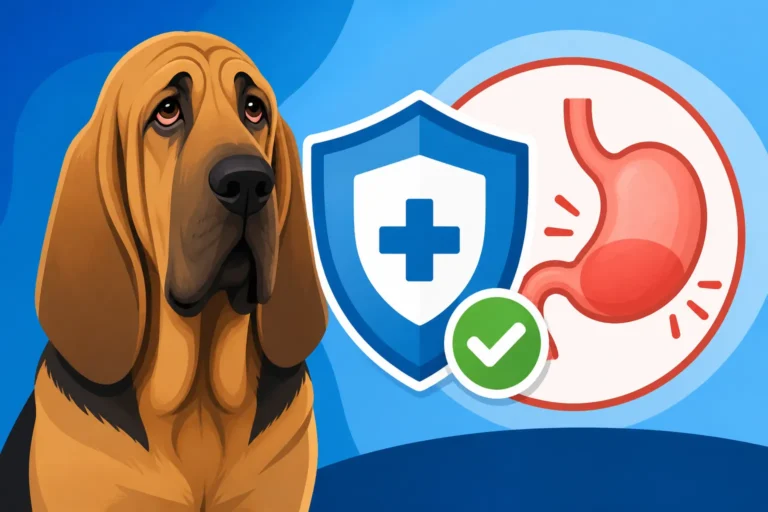
Gastric Dilatation-Volvulus, or bloat, isn't just an upset stomach; it's when a dog's stomach fills with gas, food, or fluid, then twists, cutting off both ends. This twisting action traps everything inside, impairs blood flow, and sends your dog into shock. The pressure builds, affecting breathing and heart function, and without immediate intervention, it is almost always fatal. Our deep-chested, large-boned Bloodhounds are predisposed to this nightmare, making it a topic that weighs heavily on our minds. You can literally watch them go from happy and healthy to struggling for their life in a matter of minutes, sometimes hours.
How a Gastropexy Works to Prevent Bloat
A gastropexy is a surgical procedure designed to prevent the stomach from twisting. During the surgery, the stomach is permanently attached to the abdominal wall. This attachment prevents the stomach from rotating, even if it fills with gas. While it doesn't prevent the initial gas build-up (the "dilatation" part of GDV), it crucially stops the "volvulus" or twisting, which is the truly deadly aspect. So, while a gastropexied dog could still experience bloat (gas build-up), it drastically reduces the risk of the fatal twist, buying you precious time to get to a vet if the signs appear. It's a peace-of-mind procedure that many Bloodhound owners feel is essential. The Gastropexy Decision Every Bloodhound Owner Faces is often one of the most significant health choices we make for our hounds.
Why It's Crucial for Bloodhound Owners to Consider
For a breed like the Bloodhound, with their deep chests and often voracious appetites, the risk of bloat is significantly higher than for many other breeds. The general consensus among veterinarians and breed experts is that a preventive gastropexy is highly recommended. It’s not just about mitigating risk; it’s about extending the potential lifespan of our cherished companions, who, sadly, already face Why a Bloodhound Dies Younger Than Its Size Predicts. The procedure offers a layer of protection that no amount of careful feeding or anxious monitoring can replicate, truly offering a vital safeguard against a terrifying condition.
The Evolving Landscape of Mobile Veterinary Care
Mobile veterinary services have really grown in popularity over the last few years, offering convenience and a less stressful experience for many pets and their owners. But what exactly can these clinics on wheels provide, and where do their capabilities truly lie?
What Mobile Veterinary Services Typically Offer
Think of mobile vets as your neighborhood vet clinic, but without the fixed address. They bring routine care right to your doorstep. This often includes wellness exams, vaccinations, parasite control, microchipping, and even diagnostic services like blood draws, urine analysis, and some basic imaging like X-rays or ultrasounds. For a dog that gets stressed by car rides or clinic waiting rooms, having the vet come to them can be a godsend. It's particularly appealing for multi-pet households, or for older animals with mobility issues. The quiet, familiar environment of home can make a huge difference in an anxious hound's experience.
The Benefits of At-Home Veterinary Visits for Large Breeds
For a large breed like a Bloodhound, a mobile vet can be incredibly beneficial for routine appointments. Trying to hoist a reluctant, 100+ pound hound into a car, drive across town, and then navigate a busy clinic waiting room can be a Herculean task. A mobile vet avoids all that stress. Your Bloodhound can remain calm in its own environment, which often leads to a much more accurate assessment of their health and temperament. Imagine not having to worry about your Bloodhound baying up a storm in a crowded waiting room or stretching out across three chairs! The comfort factor for both you and your giant companion is undeniable.
Limitations of Mobile Clinics for Complex Procedures
While mobile vets are fantastic for many aspects of pet care, there are inherent limitations when it comes to more complex procedures, especially surgery. A mobile clinic simply cannot replicate the full surgical suite of a traditional brick-and-mortar hospital. This includes access to specialized equipment, advanced anesthetic monitoring, a fully sterile operating room with constant airflow filtration, and a dedicated recovery ward with trained staff for continuous post-operative observation. In a clinic, there's always backup staff, immediate access to emergency medications, and the capacity for more intensive care if complications arise. For a procedure like a gastropexy, which involves opening the abdomen and precise suturing, these differences become critical.
Is a Mobile Gastropexy a Realistic Option for Your Bloodhound?
Now, let's get to the heart of the matter: can a mobile surgeon perform a gastropexy on your Bloodhound? The answer isn't a simple yes or no; it's nuanced, depending heavily on the specific mobile service, their equipment, and your personal comfort level with the risks involved.
The Surgical Environment and Equipment Demands
A gastropexy, while often preventive, is still a major abdominal surgery. It requires a truly sterile field to minimize the risk of infection. While mobile units are incredibly clean and well-equipped for many procedures, they might not have the same level of environmental control as a dedicated operating room in a hospital. Think about it: a hospital operating room has specialized air filtration, surgical lights, and a full team ready for any scenario. A mobile unit, by its nature, is more compact.
Furthermore, a gastropexy for a large dog like a Bloodhound demands specific surgical tools, a robust anesthesia machine capable of handling a massive patient, and advanced monitoring equipment to keep a close eye on your hound’s heart rate, blood pressure, and oxygen levels throughout the procedure. Any compromise on these fronts, even a slight one, could increase the risk of complications during or after the surgery. What a Bloodhound's Pre Anesthetic Bloodwork Costs is already a significant consideration; ensuring top-tier monitoring on top of that is paramount.
Anesthesia and Post-Operative Care Considerations
Anesthesia for a large, deep-chested dog like a Bloodhound is always a serious undertaking. Their size and physiology mean they require careful anesthetic protocols and constant vigilance. Whether a Bloodhound Needs Extra Anesthesia Monitoring is not just a 'nice to have' but a crucial element for their safety. In a mobile setting, while excellent anesthesia can be provided, the immediate post-operative recovery environment might not match the intensive care available in a hospital.
After a gastropexy, your Bloodhound will need a quiet, warm, and closely monitored recovery. They might be groggy, in pain, and need assistance moving. A traditional clinic offers dedicated recovery areas, continuous nursing observation, and immediate access to IV fluids, pain medication, and emergency support. While a mobile vet can certainly provide initial recovery care, they often leave after the procedure, placing the immediate post-op monitoring burden on the owner. This transition from a surgical setting to home care immediately after a major operation is a significant factor to weigh, especially given how important the first 24-48 hours are for recovery and pain management. How Long a Bloodhound Takes to Recover From a Gastropexy can vary, and complications, though rare, need swift attention.
Cost, Logistics, and Emergency Preparedness
The cost of a gastropexy can be substantial, regardless of whether it's performed by a mobile or stationary clinic. Sometimes, the convenience of a mobile service can incur higher fees due to travel and specialized equipment brought on-site. When looking at the bill, consider that What a Preventive Gastropexy Costs on a Bloodhound needs to include not just the surgeon's time, but anesthesia, medications, and monitoring. Many owners opt for pet insurance, and providers like Healthy Paws are popular for helping manage unexpected veterinary costs, so it's worth checking if a mobile surgical procedure would be covered under your policy.
Logistically, having surgery at home means ensuring your home environment is suitable for post-operative recovery, which might mean restricting your Bloodhound's access to certain areas, preparing a quiet recovery space, and being available for constant supervision. What happens if there's a complication during the surgery that requires more advanced care than the mobile unit can provide? Does the mobile vet have a clear protocol for transporting your Bloodhound to an emergency veterinary hospital? This emergency preparedness plan is absolutely critical. Without immediate access to an emergency room, even minor complications can quickly escalate. You need to be sure the mobile service has a robust plan in place.
Making an Informed Decision for Your Hound
Choosing the right path for your Bloodhound’s gastropexy is a deeply personal decision, but it should always be an informed one. You’re balancing convenience, cost, and most importantly, the safety and well-being of your beloved companion.
Consulting with Your Primary Veterinarian
The absolute first step should be a thorough discussion with your regular veterinarian. They know your Bloodhound’s health history, temperament, and any unique considerations that might impact a surgical procedure. They can provide invaluable insight into whether a mobile gastropexy is even a feasible consideration for your specific dog. They might also be able to refer you to trusted mobile surgical teams in your area that they've worked with, or conversely, explain why they believe a traditional hospital setting is imperative for your Bloodhound's case. Don't be shy about asking every question that comes to mind; this is your dog's life we're talking about.
Evaluating Mobile Surgery Capabilities and Protocols
If you're still leaning towards a mobile option, you need to do your homework. Contact prospective mobile surgeons and schedule a consultation. During this meeting, ask detailed questions about their equipment, surgical protocols, and emergency plans.
Here are some essential questions to ask:
| Question Category | Specific Questions to Ask Mobile Surgeon |
|---|---|
| Surgical Environment | What specific equipment do you bring for anesthesia and surgical monitoring (e.g., blood pressure, ECG, pulse oximetry, capnography)? How do you maintain a sterile surgical field in a mobile setting? What are your ventilation and lighting like during the procedure? |
| Team & Expertise | How many staff members are present during the surgery? What are their roles (e.g., surgeon, anesthetist, surgical assistant)? What is the surgeon's experience specifically with gastropexy in large breeds like Bloodhounds? Do they have board certification for surgery or anesthesia? |
| Anesthesia & Pain | What anesthetic drugs do you use for large breeds? What are your pain management protocols during and after surgery? Will my Bloodhound receive continuous intravenous fluids during surgery? |
| Emergency Preparedness | What is your protocol if a complication arises during surgery that requires advanced critical care? Which emergency veterinary hospitals do you have an established relationship with for urgent transfer? What is the estimated transport time to such a facility from my home? |
| Post-Operative Care | What are the expectations for immediate post-operative monitoring by the owner? What follow-up care is included? Will there be post-op medications prescribed, and can I order them through a reputable online pharmacy like Chewy for convenience? |
| Cost & Insurance | Provide a detailed estimate of all costs involved. Do you work directly with pet insurance providers like Healthy Paws, or do I submit claims myself? Are there any hidden fees or potential additional charges I should be aware of? |
The Comfort Factor vs. Clinical Safety
One of the biggest draws of a mobile surgery is the comfort it offers to both you and your Bloodhound. Being in a familiar home environment can significantly reduce stress and anxiety for some dogs. For a large, sensitive hound, avoiding the clinic hustle and bustle can be a huge plus. However, this comfort must always be weighed against clinical safety. Is the potential reduction in stress worth any perceived compromise in immediate emergency care access or advanced monitoring?
Some Bloodhounds, despite their size, are quite resilient in a clinic setting, especially if they've been socialized to it since puppyhood. For others, the stress of a clinical environment can exacerbate existing anxieties or even lead to behavioral challenges. It's a delicate balance. Ultimately, The Case for Tacking a Bloodhound's Stomach Down Early is about safeguarding their health, and that decision needs to prioritize their medical safety above all else. After surgery, your Bloodhound will need a gentle and easily digestible diet, and services like Ollie can provide convenient, fresh food options to aid in their recovery.
Deciding on a gastropexy is a significant step, and whether you choose a mobile surgeon or a traditional clinic, ensure you feel completely confident in your veterinary team's ability to provide the best possible care for your unique and wonderful Bloodhound.
Disclaimer
This article is for general informational purposes only and does not constitute professional advice. Laws, prices and regulations vary by location and change over time. Consult a qualified professional for guidance on your specific situation.