Whether a Sitter Will Handle a Bloodhound
Finding a reliable and willing pet sitter for your beloved Bloodhound can feel like a monumental task, and you're not alone in that struggle. Their unique combination of immense size, powerful scent drive, loud vocalizations, and signature drool can make many general pet sitters hesitate, leaving you in a real bind when you need to travel or step away. This guide will walk you through the common concerns sitters face, offer practical solutions to make your Bloodhound a more appealing client, and help you establish a successful relationship with the perfect person to care for your cherished companion.
Addressing the Bloodhound's Unique Needs and Why Sitters Might Hesitate
Let's be honest, Bloodhounds aren't your average dog, and what makes them extraordinary to us owners can sometimes make them a little intimidating to those not intimately familiar with the breed. Understanding these points from a sitter's perspective is the first step in addressing their concerns.
The Scent Drive Challenge
One of the biggest hurdles with a Bloodhound is their incredible nose and the unwavering focus that comes with it. As we all know, a Bloodhound's nose outvotes its handler nearly every single time. For a pet sitter who might be used to a more easily distracted dog, taking a Bloodhound for a walk can feel like wrangling a runaway train. They're built to follow a trail, often with their nose glued to the ground, pulling relentlessly. A sitter's primary concern isn't just managing the pulling, but the very real risk of losing your dog if they catch a particularly interesting scent. The thought of a large, powerful dog bolting after a trail, potentially dragging them through traffic or into an unsafe area, is a significant worry. This is why Why Off Leash Is Not a Goal With a Bloodhound is such a crucial concept for any Bloodhound owner and, by extension, any sitter. They need to understand that even the most well-trained Bloodhound will prioritize a scent over a human command when that irresistible olfactory signal hits.
The sheer strength behind that scent drive also plays a role. Bloodhounds are big, muscular dogs. Even if they're not actively trying to escape, their steady, focused pull can be physically demanding for a sitter, especially if the sitter isn't accustomed to handling a dog of their size and single-mindedness. Imagine a sitter trying to navigate a city sidewalk or a busy park with a Bloodhound intent on deciphering every sniff; it's less of a pleasant stroll and more of an endurance test.
The Bloodhound Bay
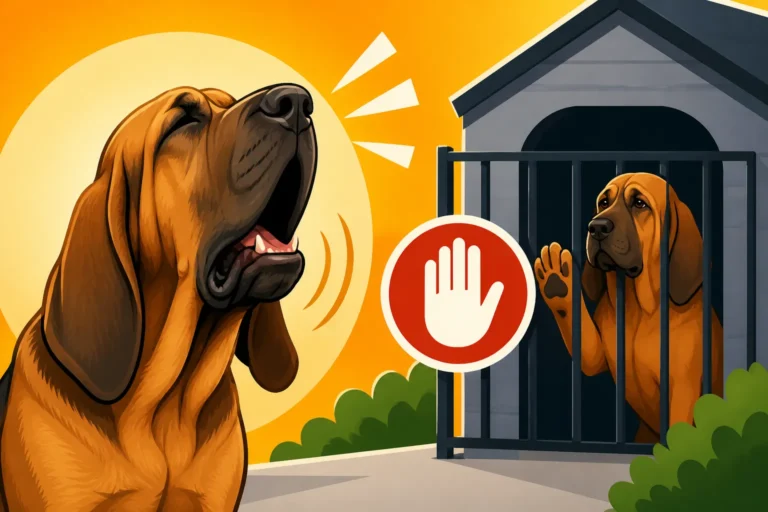
Ah, the Bloodhound bay. It's a sound that's iconic, soulful, and utterly unmistakable – and often, incredibly loud. While we, as owners, might find it charming (or at least have grown accustomed to it), neighbors might not be so understanding. A sitter might worry about how to manage your Bloodhound's vocalizations, especially if they're left alone or get excited by something outside. How Loud a Bloodhound's Bay Is is a significant factor for anyone responsible for your dog, particularly if they're staying in your home or in a quiet neighborhood.
This isn't just about noise complaints, either. Some Bloodhounds will bay out of boredom, loneliness, or anxiety. A sitter needs to be prepared for this and understand that it's not a sign of aggression or distress (unless accompanied by other symptoms), but simply how Bloodhounds express themselves. Explaining the nuances of your dog's bay – when it's just "talking" versus when it might indicate a genuine need – is vital for a sitter to feel comfortable. They need to know they're not signing up for endless, uncontrollable howling that could lead to upset residents or even local animal control getting involved.
Drool and Mess
Let's talk about the drool. It's a hallmark of the breed, an unavoidable consequence of those magnificent, loose jowls. But for someone not used to it, the sheer volume of slobber can be a bit of a shock. From wet beards after drinking to strings of drool flung across walls and furniture when they shake their heads, a Bloodhound's presence comes with a certain level of… moisture. Where a Bloodhound Puts Its Drool is truly everywhere.
A pet sitter might worry about the extra cleanup involved, the potential for odors, and even the appearance of your home if they're not diligently wiping surfaces. They might not be prepared for how quickly a clean floor can become a "slip hazard" or how often they'll need to wipe down walls and cabinets. This isn't just about fastidiousness; it's about managing expectations and ensuring they're equipped with the right tools and understanding of what keeping a Bloodhound entails.
Specific Care Requirements
Beyond the drool and baying, Bloodhounds have some unique physical characteristics that require consistent care. Those long, pendulous ears are prone to infection, meaning they often need regular cleaning and checking. The deep wrinkles and folds around their face and neck can trap moisture and debris, leading to skin irritation or infection if not wiped frequently. Their expressive eyes, often with a visible "haw," can also require more attention than other breeds.
A general pet sitter might not be comfortable with these tasks, viewing them as medical procedures rather than routine grooming. They might worry about hurting your dog or making an existing condition worse. Explaining that Everything on a Bloodhound Hangs Down and Has to Be Cleaned – from ears to folds – and demonstrating the simple, gentle steps involved can go a long way in alleviating these concerns. If your Bloodhound has a history of ear infections, for example, the sitter might be intimidated by the prospect of administering medication or recognizing early signs of trouble. Providing clear instructions and readily available supplies (perhaps purchased conveniently from Chewy, which offers a wide array of specialized pet care items) is crucial.
Making Your Bloodhound Sitter-Friendly: Preparation is Key
The good news is that with a bit of proactive planning and honest communication, you can make your Bloodhound a much more appealing client for a pet sitter. It's all about setting everyone up for success.
Training and Management
While you can't train out a Bloodhound's nose, you can train for better management of it. Strong leash manners are paramount. While a Bloodhound might still pull when on a scent, teaching them to walk politely on a lead for general outings – or at least to respond to a "leave it" cue when something less critical appears – makes a huge difference. Invest in a good, well-fitting harness (not just a collar) that provides control without causing discomfort. Practice walking in various environments with your dog, reinforcing positive behavior with high-value treats.
Crate training is another invaluable tool. A Bloodhound that is comfortable and calm in its crate provides a safe, contained space for the sitter when they can't directly supervise. This can be especially helpful overnight, during meal times, or if the sitter needs to step out briefly. Whether Crate Training Suits a Bloodhound Puppy is definitely a "yes," and continuing it into adulthood can pay dividends for everyone involved, including future sitters. For managing drool and mess, ensure your Bloodhound is trained to eat and drink tidily, perhaps using a snood or specific bowls that help keep their ears (and jowls) out of the mess.
Detailed Instructions and Supplies
Never underestimate the power of clear, comprehensive instructions. Don't just leave a sticky note; create a detailed binder or digital document covering everything from feeding schedules to emergency contacts. This should include:
- Routine: Exact feeding times, amount of food (mention if using a specific brand like Ollie for specialized nutrition), preferred walking routes and duration, potty breaks.
- Medical Information: Vet's name and number, any medications, known allergies, and a brief health history. If you have pet insurance like Healthy Paws, make sure the policy number and claims process are clear.
- Behavioral Quirks: What triggers baying, favorite toys, comfort objects, how they react to strangers, or any particular fears.
- Grooming: Step-by-step instructions for ear cleaning, fold wiping, or eye care. Show them where all the supplies are.
- Emergency Plan: What to do if your dog gets sick, injured, or goes missing (e.g., specific microchip information, local animal control contacts).
Ensure all necessary supplies are readily available and clearly labeled. This includes food, treats, leashes, harnesses, poop bags, cleaning supplies for drool, ear cleaner, fold wipes, and any medications. Buying a spare set of essential supplies through a service like Chewy can be a lifesaver, ensuring the sitter doesn't have to hunt for specific items.
Pre-Sitter Prep
Before your trip, arrange for a meet-and-greet with the potential sitter and your Bloodhound. This isn't just a formality; it's a crucial step for both parties. Observe how your Bloodhound reacts to the sitter and how the sitter interacts with your dog. Does your Bloodhound seem comfortable? Does the sitter seem confident and knowledgeable about large breeds? A trial run, where the sitter comes for a few hours or even an overnight stay while you're still nearby, can be incredibly beneficial. This allows everyone to get a feel for the routine and iron out any kinks.
Walk the sitter through your home, showing them where everything is, how doors lock, and any specific quirks of your house or yard. Demonstrate the ear cleaning and fold wiping routine. Go on a walk together so the sitter can experience your Bloodhound's leash manners (or lack thereof) firsthand while you're still there to offer guidance. Make sure your dog's microchip information is up-to-date and registered to you, and that the sitter knows about it.
Finding the Right Sitter: Where to Look and What to Ask
Finding someone capable and willing to take on the unique needs of a Bloodhound requires a more targeted approach than simply asking a friend.
Types of Sitters
- Professional Pet Sitting Services: These companies often employ trained individuals, are bonded and insured, and have established protocols for emergencies. They might have staff with experience with specific breeds or challenging behaviors. They can be more expensive but offer peace of mind.
- Individual Professional Sitters: These are often self-employed individuals with a passion for animals. They might be more flexible and offer a more personalized experience. Always ask for references, proof of insurance, and relevant experience.
- Friends, Family, or Neighbors: While convenient and often budget-friendly, this option comes with caveats. Unless they have significant large-dog experience, they might be overwhelmed by a Bloodhound. Be prepared for very clear, detailed instructions and offer ample support. Don't assume they understand the commitment involved just because they love dogs.
- Kennels/Boarding Facilities: Some facilities specialize in large breeds or have ample space for active dogs. However, Bloodhounds are often people-oriented and may not thrive in a kennel environment. Check their policies on baying, drool, and exercise.
Key Questions to Ask
When interviewing potential sitters, don't shy away from asking pointed questions specific to your Bloodhound's breed traits:
- Experience with large, scent-driven breeds: Have they handled Bloodhounds, Basset Hounds, or other scent hounds? What challenges did they face, and how did they manage them?
- Comfort with drool and specific grooming: Are they comfortable with wiping drool, cleaning ears, and wiping folds? Would they be willing to learn your specific routine?
- Emergency Protocols: What is their plan if your dog gets sick, injured, or goes missing? Do they have a relationship with a local vet or emergency clinic?
- References: Always ask for and check references from other clients, especially those with larger, more challenging breeds.
- Insurance and Bonding: Are they insured and bonded? This protects both you and your dog in case of an accident or incident.
- Communication: How often will they provide updates (texts, photos, calls)?
- Availability and Backup: What if they get sick or have an emergency themselves? Do they have a reliable backup?
| Feature / Concern | General Pet Sitter Expectation | Bloodhound Reality | Sitter's Potential Concern | Owner's Solution |
|---|---|---|---|---|
| Walking Behavior | Leash manners, responsive to commands | Strong scent drive, pulls relentlessly, focused on nose | Risk of being pulled, losing dog, physical exertion | Training for leash manners, specific harness, long line training, clear instructions |
| Noise Level | Occasional barks, quiet mostly | Frequent, loud, deep baying, especially when alone or stimulated | Neighbor complaints, inability to quiet dog, disturbance | Explanation of baying, management strategies, pre-sitter visits, appropriate housing |
| Mess & Cleanliness | Minimal mess, occasional shedding | Abundant drool, water splashing, shedding, messy eaters | Constant cleanup, potential damage to property, lingering odors | Snoods, deep bowls, designated cleaning supplies, washable covers, clear expectations |
| Specific Grooming | Brushing, occasional bath | Daily ear checks, ear cleaning, fold wiping, eye care | Discomfort with "medical" tasks, fear of harming dog | Detailed, hands-on demonstration, clear written steps, all supplies ready |
| Energy & Exercise | Moderate walks, playtime | Needs consistent, focused activity (trailing), may seem lazy but needs mental work | Not enough exercise, boredom behaviors | Emphasize mental work (nose games), provide long line for safe "trailing" |
| Interaction Style | Affectionate, responsive to handler | Independent, stubborn, focused on scent over handler sometimes, gentle giant | Lack of perceived "obedience," difficulty in redirecting | Explain breed personality, what motivates your dog, positive reinforcement methods |
Interviewing and Vetting
The interview process should feel like a two-way street. You're not just hiring someone; you're entrusting them with a beloved family member. Pay attention to their demeanor, their questions, and their genuine interest in your Bloodhound. A good sitter will ask as many questions as you do, trying to get a complete picture of your dog's personality and needs.
Always check references. Call their past clients and ask specific questions about their experience with the sitter, especially concerning large breeds or any unexpected challenges. Ask about their communication style, their reliability, and how they handled any emergencies. A great sitter will welcome this scrutiny, as it reflects their professionalism and commitment.
Building a Successful Sitter Relationship
Once you find that perfect sitter, nurturing the relationship is just as important as the initial search. This person is now part of your Bloodhound's support system.
Clear Communication and Expectations
Ongoing, clear communication is the bedrock of a successful sitter relationship. Before each booking, reiterate any changes to your Bloodhound's routine, health, or behavior. Even small things matter. Confirm departure and return times, and discuss any specific expectations for the duration of their stay. For instance, if you usually do How Much Exercise a Bloodhound Actually Needs which involves scent work, make sure the sitter knows how to implement that safely with a long line.
Set realistic expectations. Don't expect your Bloodhound to suddenly become a perfectly obedient angel just because a sitter is there. Acknowledge their quirks and emphasize consistency. Providing a laminated "Bloodhound Cheat Sheet" with the most critical information, like the number for your vet and an emergency contact, can be incredibly helpful. You might also want to leave details about your pet insurance, like Healthy Paws, readily available for quick reference if an unexpected vet visit arises.
Fair Compensation and Appreciation
Caring for a Bloodhound is more than just feeding and walking; it's a significant commitment. Be prepared to offer competitive compensation for the level of care and responsibility involved. Acknowledging their unique needs, such as the extra cleanup from drool or the vigilance required on walks, means their services might warrant a higher rate than for a smaller, less demanding breed. If you're using a professional service, inquire about their rates for large or "special needs" dogs.
Show your appreciation! A heartfelt thank you, a small bonus, or even a thoughtful gift upon your return can go a long way in fostering loyalty and ensuring your sitter is eager to work with your Bloodhound again. This isn't just about money; it's about valuing their effort and expertise.
Emergency Preparedness
Even with the best planning, emergencies can happen. Ensure your sitter has immediate access to your veterinarian's contact information, the address of the nearest 24-hour emergency veterinary clinic (and clear directions), and authorization to seek medical treatment for your Bloodhound in your absence. Many vets require written consent from the owner for treatment decisions, so prepare this in advance. Having a good pet insurance policy, like Healthy Paws, active and easily accessible for claims can significantly reduce the sitter's stress (and yours!) if an emergency vet visit is necessary. Knowing that a major bill will be partially covered can make a huge difference in decision-making during a crisis.
Consider making arrangements for an emergency fund that the sitter can access for unexpected vet bills or other immediate needs. This could be a credit card on file with your vet or explicit instructions for them to use their own card and be reimbursed immediately upon your return. Discussing What a Bloodhound Owner Needs an Emergency Fund with your sitter can show them you're serious about your dog's well-being. Knowing you have a plan for Whether a Bloodhound Owner Should Choose a Vet With Overnight Surgery in place provides additional reassurance.
Ultimately, finding a sitter who understands and genuinely enjoys Bloodhounds is possible. It might take a little more effort and preparation on your part, but the peace of mind knowing your beloved hound is in capable, loving hands is absolutely worth it.
Disclaimer
This article is for general informational purposes only and does not constitute professional advice. Laws, prices and regulations vary by location and change over time. Consult a qualified professional for guidance on your specific situation.