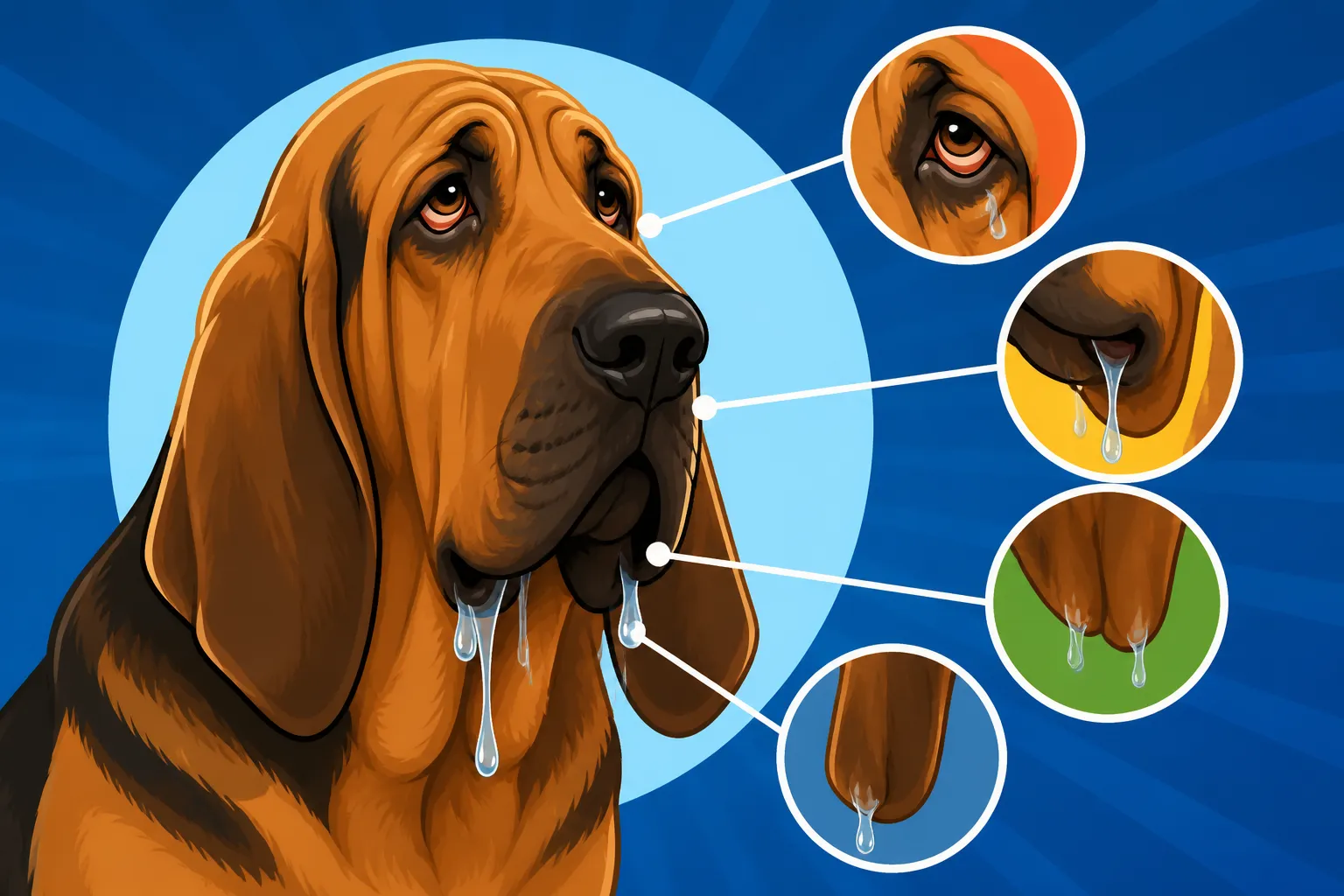
Where a Bloodhound Puts Its Drool
If you're a Bloodhound owner, you know the struggle is real: that glistening, ropey trail that mysteriously appears on your favorite sweater, the unexpected slick spot on the kitchen floor, or the artistic splatter adorning the cabinet doors. It’s an undeniable part of living with these magnificent hounds, but it can certainly be a head-scratcher figuring out exactly where all that glorious slobber ends up. This guide is here to shed some light on the fascinating, sometimes frustrating, journey of Bloodhound drool and offer practical advice on how to manage it, so you can spend less time cleaning and more time enjoying your beloved companion.
The Anatomy of a Bloodhound's Drool Production
Let's face it, Bloodhounds are built for drooling. It's not just a cute quirk; it's a direct result of their unique physical characteristics. Understanding why they drool so much and how it gets around is the first step to managing the mess. It's not a flaw in their design, but rather an integral part of what makes them such exceptional scent hounds – though it does make them exceptional droolers too!
The Jowls and Flews: Nature's Drool Funnels
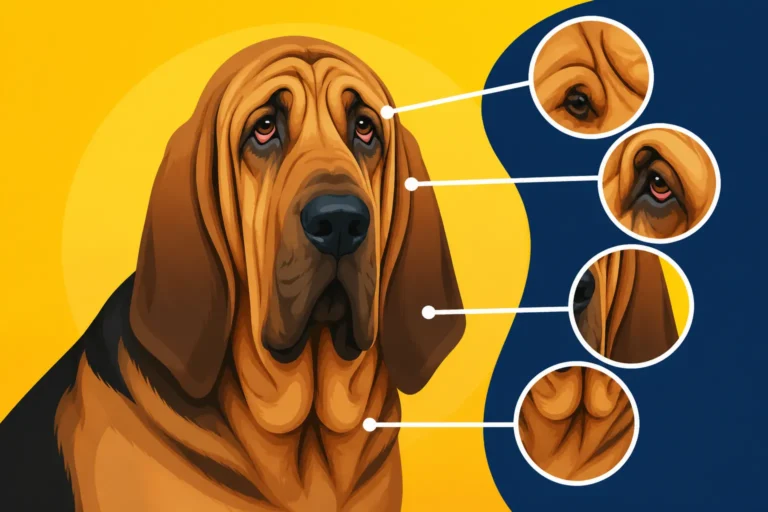
The most obvious contributors to a Bloodhound's drooling prowess are their magnificent jowls and flews. These aren't just for show; they serve a purpose in scent work, helping to trap scent particles near the nose. However, they also create a perfect reservoir for saliva. Instead of being neatly contained within the mouth, excess saliva collects in these loose folds, acting like a natural cup.
Think of it like this: your Bloodhound produces saliva just like any other dog, but where other breeds might swallow or keep it somewhat contained, a Bloodhound's generous jowls simply can't hold it all. As their mouth moves – whether they're panting, eating, or just breathing with their mouth slightly open – that collected saliva has nowhere to go but down, over the edges of those beautiful, droopy lips. It's a constant, slow drip that can build up surprisingly quickly, especially after a drink of water or an exciting moment.
Gravity's Role in Bloodhound Drool Dispersion
Once that saliva escapes the confines of the jowls, gravity takes over. This is where you start seeing those tell-tale trails. A Bloodhound's head is often held relatively low, especially when they're sniffing around or just relaxing. This posture, combined with the loose skin, means drool has a clear, downward path. It will often run down their chin, drip from the lowest point of their jowls, and then either fall to the floor or find another surface to cling to.
You'll notice this most when your Bloodhound is standing still, perhaps watching you cook, or lying down with their head resting on a pillow or your lap. The drool slowly accumulates and then, almost imperceptibly, slips off. It's not always a dramatic cascade, but rather a persistent trickle that can create a surprisingly large puddle over time. This makes understanding Where a Bloodhound's Folds Sit crucial, as these areas are prime spots for moisture collection.
The Enthusiastic Shake: A Drool Catapult
Ah, the infamous head shake! Every Bloodhound owner knows this move well. After drinking, waking up, or just getting a little too excited, a Bloodhound will often give a full-body, ear-flapping, jowl-jiggling shake. While it's adorable to watch, it's also the primary mechanism by which drool becomes a projectile weapon. All that accumulated saliva, plus any residual water from their drink, gets flung outwards with surprising force.
This is how drool ends up on the ceiling, the walls, and places you never thought possible. It's an indiscriminate dispersal method, coating everything within a several-foot radius. It’s not just a casual flick; it’s a full-on kinetic event. Learning How Far a Bloodhound Slings Drool When It Shakes can help you position bowls and avoid being in the splash zone, or at least prepare you for the inevitable cleanup.
Common Drool Destinations in the Home
Living with a Bloodhound means accepting that your home will wear a certain amount of drool as a badge of honor. It’s part of their charm, right? But knowing the common "landing zones" can help you anticipate the mess and strategize your cleaning efforts. It's not a matter of if it will happen, but where and when.
Walls, Furniture, and the Unsuspecting Guest
Your walls become an accidental art gallery, displaying abstract splatters and streaks. This is particularly true in high-traffic areas where your Bloodhound might pause to greet you, or near their favorite lounging spots. The head shake, as we mentioned, is a major culprit here, but even a casual lean against the wall can leave a damp, sticky mark.
Furniture, especially upholstered pieces, is another prime target. Sofas, armchairs, and even the legs of tables can become coated. If your Bloodhound likes to rest their head on your lap while you're on the couch, prepare for a slow, steady stream. And guests? Oh, they'll discover the joys of Bloodhound ownership firsthand when they get that unexpected, damp greeting on their pants or shirt. It's often delivered with the best intentions, but the result is undeniably a slimy souvenir. Having Whether a Bloodhound Owner Should Keep Cloths in Every Room is not just a suggestion, it's a lifestyle!
The Floor: A Slippery Situation
The floor is perhaps the most obvious, and sometimes most hazardous, destination for Bloodhound drool. Puddles can form quickly, especially near water bowls or after an exciting game. These aren't just unsightly; they can be a legitimate slip-and-fall risk for humans and other pets alike. Imagine walking barefoot into a cold, wet, slimy patch in the middle of the night – a truly unique Bloodhound welcome.
Wooden floors, tiles, and laminate show drool prominently, creating shiny spots that dry to a dull, crusty film. Even carpets can suffer, absorbing drool and potentially developing an odor over time if not properly cleaned. This constant battle with floor drool is why many Bloodhound owners develop a sixth sense for spotting and quickly wiping away any new deposits. It's a never-ending quest for a dry, safe walking surface.
Your Own Clothing: The Unofficial Bloodhound Badge
Consider your clothes to be the ultimate drool magnet. It’s almost impossible to interact with a Bloodhound without acquiring some of their unique "fragrance" or a visible drool mark. A gentle head lean, a happy tail wag that brings their jowls into contact with your leg, or even just reaching down to pet them can result in a new, glistening adornment.
For those who regularly take their Bloodhound out for walks or training, this becomes even more pronounced. A happy dog will often lean against you, and that’s a direct transfer of jowl-to-fabric. You might leave the house looking pristine, but within minutes of a Bloodhound greeting, you'll be sporting the unofficial uniform of the Bloodhound owner. It's a badge of love, but one that definitely calls for extra laundry cycles!
Drool Management Strategies for Owners
While you can't stop a Bloodhound from drooling – it's part of their very essence! – you can certainly manage it. Over the years, Bloodhound enthusiasts have developed a plethora of ingenious methods to minimize the mess and keep their homes (and themselves) a little cleaner. It’s all about being proactive and setting up systems that work for you and your drool-machine.
Proactive Wiping and Cleaning Routines
The best defense against overwhelming drool is a good offense: frequent wiping. This means keeping soft, absorbent cloths strategically placed throughout your home. Near their feeding area, by their favorite sleeping spots, and certainly near the front door where excited greetings happen. A quick wipe after a drink, before a potential head shake, or after a moment of intense sniffing can make a huge difference.
Consider using specific cloths for your Bloodhound, perhaps color-coded or kept in a designated basket. Microfiber cloths are excellent for picking up moisture without just pushing it around. Some owners even carry a small towel or drool rag with them when out and about, especially if their Bloodhound is prone to drooling during walks or car rides. Regular cleaning of hard surfaces with a pet-safe cleaner also helps prevent buildup and odors.
Choosing the Right Feeding and Water Bowls
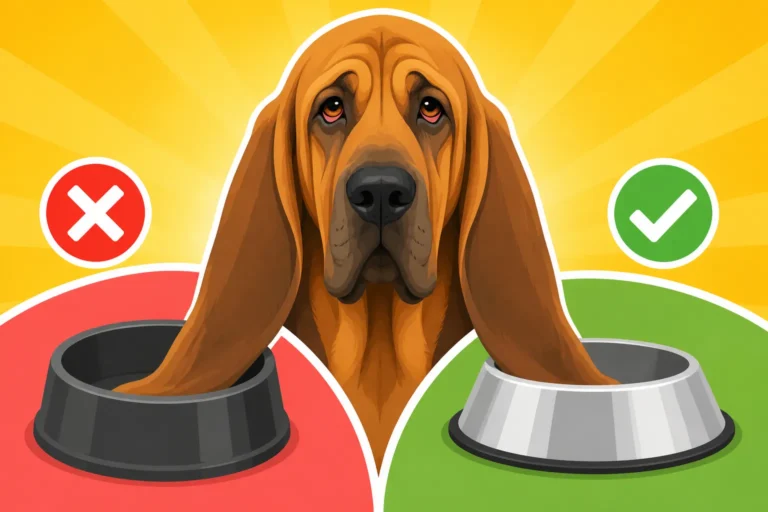
The design of your Bloodhound’s bowls can significantly impact how much drool and water ends up on your floor. Standard wide-rimmed bowls often allow their long ears and jowls to dip into the water, creating a sloppy mess when they pull their head out. This isn't just about water; food bowls can also get coated in drool as they eat, leading to more flung saliva.
Many Bloodhound owners swear by narrow, deep bowls, often called "spaniel bowls" or "bloodhound bowls," which help keep their ears and jowls out of the liquid. These bowls reduce the surface area for sloshing and help funnel their muzzle, minimizing the amount of water carried out of the bowl. Elevated bowls are another option, though the research on their impact on bloat risk is mixed, so always consult your vet. For food, slow-feeder bowls can help them eat more calmly, which may also reduce enthusiastic drooling during meals. You can find a great selection of these on sites like Chewy or Amazon. Whether a Bloodhound's Snood and Bowl Setup Costs might seem like an extra expense, but it's an investment in cleanliness.
The Marvel of the Snood: A Drool Barrier
If you've never encountered a snood before, prepare to have your Bloodhound drool world changed. A snood is essentially a fabric tube, often made of stretchy material like fleece or cotton, that slips over your dog's head and neck, holding their long ears and jowls neatly out of the way. While often used to keep ears clean during meals, it's also a fantastic drool management tool.
By keeping the jowls contained, a snood can reduce the amount of saliva that drips or gets flung around, particularly during feeding and drinking. It won't eliminate drooling entirely, but it significantly lessens the mess. Plus, it protects their beautiful ears from getting caked with food or soaked in water, preventing ear infections. What a Snood Does for a Bloodhound is truly remarkable! Introducing your Bloodhound to a snood from a young age can help them acclimate to wearing it comfortably.
Keeping Your Bloodhound Clean (and Less Drooly)
Beyond simply wiping up the aftermath, there are proactive steps you can take to keep your Bloodhound cleaner, which in turn means less general drool and a fresher scent around the house. Their unique physical structure, while ideal for scenting, does require a bit more hands-on care when it comes to hygiene.
Routine Grooming and Hygiene for Jowls and Neck Folds
Those deep wrinkles and folds around a Bloodhound's face and neck are prime spots for moisture, food particles, and yes, drool to collect. If left unattended, these areas can become irritated, develop a sour smell, or even harbor bacterial or yeast infections. Regular cleaning is absolutely essential.
Aim for a daily routine of wiping these folds with a damp cloth, followed by a dry one. Pet-specific cleansing wipes can be helpful for a quick refresh, but ensure they are gentle and non-irritating. For deeper cleaning, especially if you notice any redness or odor, a mild, vet-approved antiseptic wipe or solution might be needed. Pay close attention to the lip folds and the deep creases under their chin and neck. This meticulous care is vital for preventing skin issues and keeping that "Bloodhound smell" at bay. Learning What a Bloodhound Carries an Odor From Its Folds really underscores the importance of this.
Managing Drool During Meals and Hydration
Mealtime is often peak drool time, especially for an enthusiastic eater. Beyond using a snood and specialized bowls, how you feed and water your Bloodhound makes a difference. Ensure their eating area is easy to clean – tile or linoleum floors are preferable to carpet. Place a large, washable mat under their bowls to catch drips and spills.
After they finish eating or drinking, gently wipe their mouth and jowls. This simple step can prevent a lot of post-meal drool dispersion. Encourage them to drink in a designated area where messes are easily contained. Some owners even train their Bloodhounds to wait a few moments after drinking before walking away, giving any residual water a chance to drip into the bowl or onto the mat. This small pause can significantly reduce the amount of water and drool carried through the house.
Addressing Odor Caused by Accumulated Drool
Persistent drool can lead to a distinct "houndy" odor that permeates your home. This isn't just from wet fur; it's often from bacteria and yeast thriving in damp, warm folds and on surfaces where drool has dried. Regular cleaning of your dog and your environment is key to keeping this odor under control.
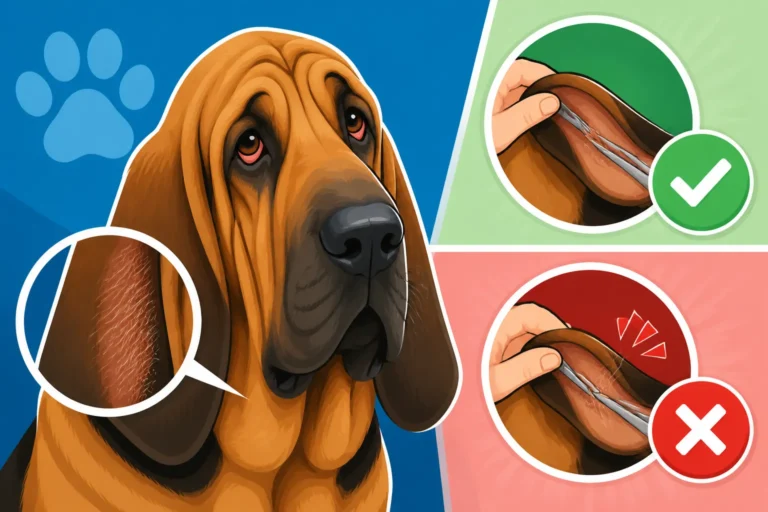
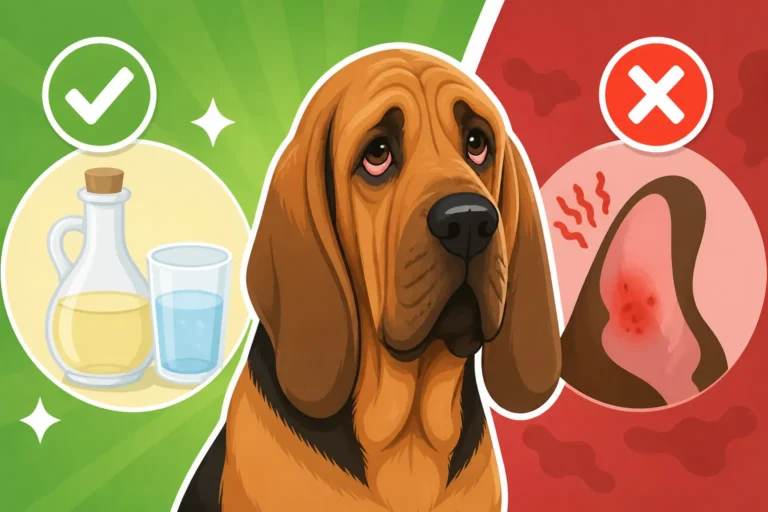
For your Bloodhound, ensuring their jowls, neck folds, and ears are clean and dry is paramount. Cleaning a Bloodhound's Ears Every Week for Life is non-negotiable for their health and also helps with overall freshness. For your home, frequent wiping of surfaces, washing dog beds and blankets, and cleaning floors are crucial. Odor-neutralizing sprays designed for pet homes can help, but they are most effective when combined with consistent physical cleaning. Don't forget to clean their collars and harnesses regularly, as these can also absorb drool and contribute to odors.
The Science Behind the Slime: Why So Much Drool?
It's easy to just accept Bloodhound drool as a fact of life, but have you ever wondered about the biological reasons behind it? It's not just a random occurrence; there's a specific interplay of breed characteristics and environmental factors that contribute to their legendary slobber.
Breed-Specific Salivary Glands and Production
While all dogs have salivary glands, a Bloodhound's unique anatomy, particularly those prominent jowls and flews, plays a significant role in how visible and abundant their drool appears. It's less about them producing more saliva than other large breeds, and more about their facial structure making it nearly impossible to contain it. Their loose, pendulous lips simply aren't designed for a tight seal.
When a Bloodhound produces saliva – whether in anticipation of food, during digestion, or as a cooling mechanism (panting) – it doesn't stay neatly within their mouth cavity. The sheer volume of loose skin around their mouth means that gravity quickly pulls any excess saliva out and down. It's a constant overflow situation, rather than a problem with excessive internal production. This is simply how their mouths are designed to work, facilitating their incredible scenting abilities by increasing the moist surface area around their nose, but also leading to a mess.
Environmental Factors That Exacerbate Drooling
Several external factors can cause a Bloodhound to drool even more than usual. Heat and humidity are big ones. Dogs pant to cool themselves, and increased panting means increased saliva production. In hot, muggy weather, your Bloodhound will naturally drool more as their body tries to regulate its temperature. Providing plenty of fresh water and a cool, shaded place to rest is vital.
Excitement and anticipation are also huge drool triggers. Think about your Bloodhound when you're getting their leash out for a walk, preparing their meal, or even just talking to them in an excited tone. The anticipation of a favorite activity or food can trigger a flood of saliva. Stress or anxiety can also lead to increased drooling, much like it does in humans. Being aware of these triggers can help you anticipate and manage the resulting drool, perhaps with a quick wipe or by delaying the head shake until you're outside. Whether a Bloodhound Drools When Excited is a resounding yes!
When Drooling Might Signal a Health Concern
While a certain amount of drooling is perfectly normal for a Bloodhound, a sudden or significant increase in drooling (ptyalism), or drooling accompanied by other symptoms, could be a sign of a health issue. It's important to differentiate between typical Bloodhound slobber and something more concerning.
Excessive drooling might indicate dental problems, such as a fractured tooth, gum disease, or an abscess. It could also signal nausea, an upset stomach, or even the ingestion of something toxic. Foreign objects lodged in the mouth or throat, masses, or even certain neurological conditions can also cause increased drooling. If you notice a change in the quantity or consistency of your Bloodhound’s drool, or if it's accompanied by lethargy, loss of appetite, vomiting, or pawing at the mouth, it’s always best to consult your veterinarian. Early intervention can make a big difference, and it's always better to be safe than sorry when it comes to your dog's health.
Living with a Drooly Bloodhound: Acceptance and Practicality
Ultimately, owning a Bloodhound means embracing the drool. It’s an unavoidable, albeit sometimes challenging, aspect of sharing your life with these wonderful dogs. Rather than fighting it, learning to accept it and implementing practical strategies will make your life much easier and allow you to fully enjoy your companion.
Essential Supplies for Every Bloodhound Home
To truly thrive with a drooly Bloodhound, you need to equip your home with the right tools. Think of it as preparing for a friendly, wet invasion. Here’s a quick list of essentials that many Bloodhound owners wouldn't live without:
- Plenty of absorbent cloths: Keep them everywhere – kitchen, living room, by the dog bed, even in your car. Microfiber towels are excellent.
- Designated drool rags: Some owners use old towels or specific bandanas that are just for wiping their dog's jowls.
- Specialized bowls: Narrow, deep food and water bowls, or even slow-feeder bowls, can significantly reduce mess. You can find many options on sites like Chewy or Amazon.
- Snoods: Especially useful during meal times or when you want to keep drool contained.
- Washable mats: Place under food and water bowls, and in areas where your Bloodhound frequently naps or stands.
- Pet-safe cleaning sprays: For quick clean-ups on floors and surfaces.
- Durable, washable furniture covers: If you have upholstered furniture and value its longevity, covers are a must.
- Easy-to-clean flooring: Consider rugs or runners in carpeted areas, or embrace hard floors.
Having these items readily available makes daily management a breeze and reduces stress.
Training for Less Mess: Managing Excitement and Eating Habits
While you can't train away drool itself, you can influence behaviors that contribute to the mess. Training your Bloodhound for calmer greetings can reduce the "excited drool" that often accompanies visitors. Teach them to sit patiently rather than jumping or wildly shaking their head when someone new arrives.
Similarly, training around mealtime can help. A "wait" command before eating can encourage a more composed approach to their food, potentially reducing how much they fling around. Teaching them to pause after drinking water can also prevent them from instantly shaking their head and spreading water (and drool) everywhere. These are small behavioral adjustments that, over time, can lead to a noticeably cleaner environment. Consistency is key, and positive reinforcement will yield the best results.
Maintaining a Clean Living Space (Relatively Speaking)
Let's be realistic: a truly pristine, drool-free home is probably an unattainable fantasy for a Bloodhound owner. However, you can certainly maintain a relatively clean and fresh living space. This involves a combination of consistent cleaning habits and a certain degree of acceptance.
Regularly washing dog beds, blankets, and any removable covers on furniture is crucial for controlling odors. Weekly floor cleaning, especially in high-traffic and eating areas, will prevent sticky build-up. Consider dark-colored furniture or fabrics that camouflage drool better. Ultimately, it’s about adjusting your expectations and finding a balance that works for you. Your Bloodhound's love, loyalty, and unparalleled sense of smell far outweigh the minor inconvenience of a little extra cleaning. Embrace the drool, and enjoy the company of your magnificent hound.
| Drool Location | Common Cause | Management Tip | Essential Supplies |
|---|---|---|---|
| Walls & Furniture | Head shakes, leaning, excited greetings | Wiping after drinks, training calm greetings, furniture covers | Absorbent cloths, pet-safe cleaner, furniture covers |
| Floors | Dripping, post-drink mess, sloppy eating | Narrow/deep bowls, feeding mats, quick wipe-ups | Specialized bowls, washable mats, mop/cleaner |
| Your Clothing | Lean-ins, enthusiastic greetings, petting | Keep rags handy, wear washable fabrics, change clothes if necessary | Designated drool rags, snoods (for specific times) |
| Dog's Jowls/Folds | Natural saliva collection, eating/drinking | Daily wiping, regular fold cleaning | Gentle pet wipes, soft cloths |
| Dog's Ears | Dipping into food/water, lack of airflow | Snoods during meals, narrow bowls, regular ear cleaning | Snood, narrow bowls, ear cleaner |
Disclaimer
This article is for general informational purposes only and does not constitute professional advice. Laws, prices and regulations vary by location and change over time. Consult a qualified professional for guidance on your specific situation.