What a Bloodhound’s Snood and Bowl Setup Costs
The moment you welcome a Bloodhound into your life, you quickly discover that their magnificent, trailing ears and wonderfully wrinkly faces, while adorable, present a unique set of challenges at mealtime. Keeping those long ears out of the food bowl and away from dripping water becomes a daily dance, and ignoring it can lead to messy floors, soggy ears, and even uncomfortable skin or ear infections. This guide is all about navigating those challenges, breaking down the costs and considerations involved in setting up a feeding and watering station that truly works for your unique Bloodhound.
The Essential Snood: Protecting Those Gorgeous Ears
Those long, velvety ears are a Bloodhound's signature, an integral part of their incredible scenting ability, sweeping odors towards their powerful nose as they work a trail. But at home, those same ears can become a major liability when it's time to eat or drink. They dip into food, soak up water, and then flop around, spreading whatever they've collected across your floor, furniture, and even on themselves. This isn't just a matter of cleanliness; it's a significant health concern that every Bloodhound owner needs to address proactively.
Why a Snood Isn't Just for Looks
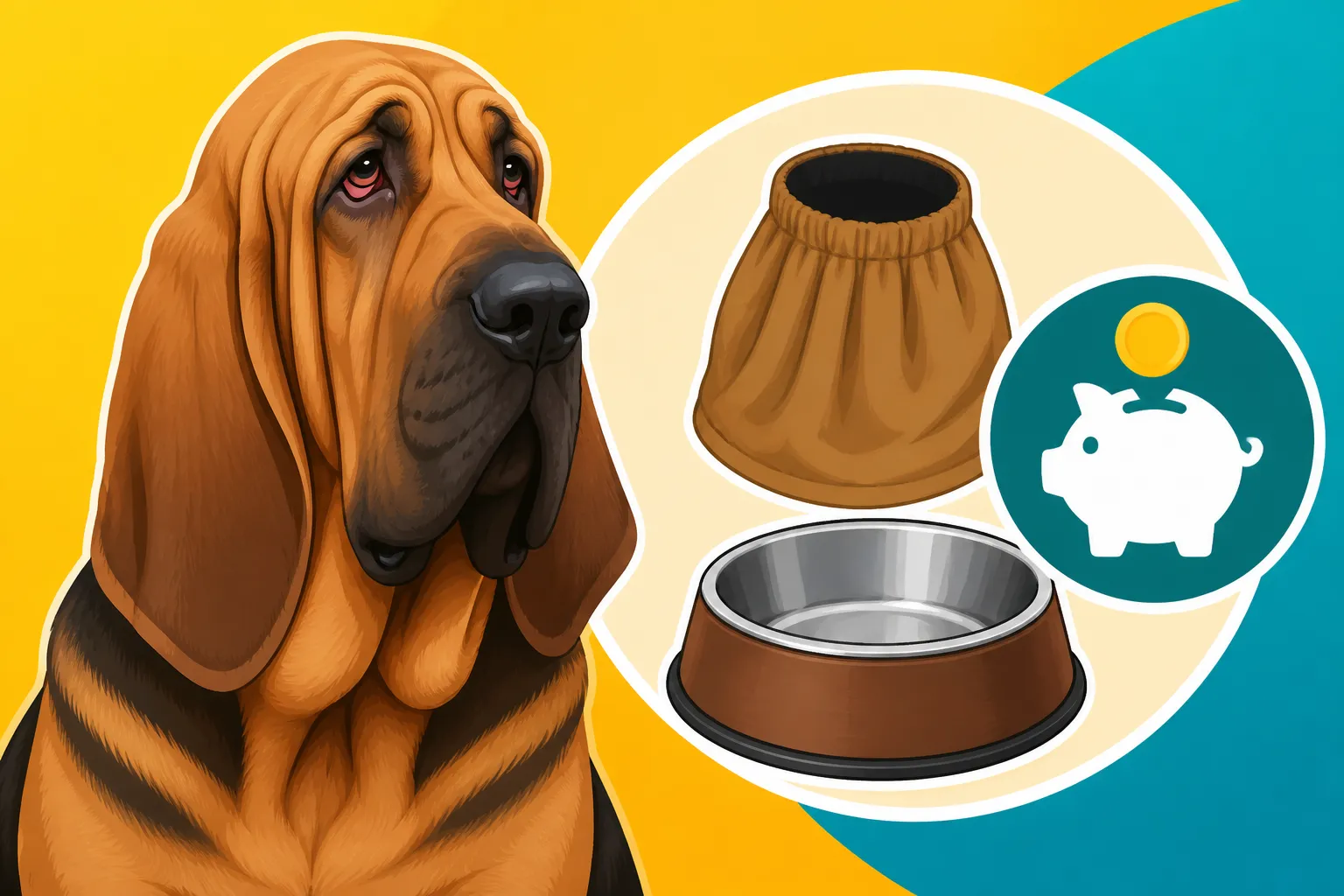
Imagine dipping your hair into your dinner every single day. That's essentially what happens to a Bloodhound's ears. When those long ears drag through their kibble or slurp up water, they pick up food particles, moisture, and bacteria. This damp, warm environment, especially deep within their ear canals, becomes a breeding ground for yeast and bacterial infections. It's a tale as old as time for Bloodhound owners: dirty ears lead to itchy, painful infections. A snood, which is essentially a fabric tube or cowl, holds those precious ears up and out of the way during meals and water breaks. It might seem like a small thing, but it's a game-changer for hygiene and preventative health. Without a snood, you're looking at increased cleaning time, more frequent ear infections, and potentially expensive vet visits to treat persistent issues. Many owners find their Bloodhound’s ears are a standing infection risk, requiring constant vigilance.
The cost for a basic, functional snood typically starts on the lower end, often around the price of a fancy coffee. These are usually simple cotton or fleece tubes, perfectly adequate for keeping ears clean. However, you might want to consider having a few on hand for rotation as they'll get dirty and need regular washing. Some snoods are made from waterproof or water-resistant materials, which are fantastic for messy drinkers or for preventing those long ear leathers from becoming saturated. Think about the convenience of having one snood in the wash, one on your dog, and one spare ready to go. This rotation adds to the initial outlay but saves you stress in the long run.
Choosing the Right Snood for Your Bloodhound
Selecting the right snood involves more than just picking a pretty pattern. The size and fit are paramount. A snood that's too tight will be uncomfortable and could rub, while one that's too loose will slip down, defeating its purpose entirely. You'll want one that comfortably covers the ears, gathering them gently without constricting the neck. Many snoods come with elastic at both ends, or a drawstring at the top, allowing for a snug but not tight fit. You'll want to measure your Bloodhound's head circumference and the length from the top of their head to the tips of their ears to get the best fit.
The material matters, too. Cotton or fleece are soft and comfortable for indoor use, but a more robust, sometimes waterproof, material might be better if your Bloodhound is an enthusiastic outdoor eater or plays near water frequently. Durability and washability are also key considerations; these items will see heavy use and frequent laundering. You'll find snoods available from a wide variety of sources, from independent artisans on craft sites to larger online retailers like Chewy. Some specialized Bloodhound groups or breeders might even offer custom-made options that fit the unique proportions of a Bloodhound perfectly. These custom options, while often a bit more expensive, can be a fantastic investment for a perfect fit and increased comfort for your dog. A high-quality custom snood might cost more, but it can last longer and be more effective.
Getting Your Bloodhound to Wear a Snood
Introducing a snood, especially to an adult Bloodhound, requires patience and positive reinforcement. Starting in puppyhood is ideal, making it a normal part of mealtime. Associate the snood with good things – treats, praise, and, of course, their delicious food. Don't just yank it on and expect cooperation. Slip it on gently, offer a high-value treat, and then immediately offer their meal. Keep the initial sessions short. If they try to paw it off, redirect them with a "leave it" command or a gentle "no," followed by a reward when they tolerate it for even a few seconds. Over time, they'll learn that the snood means food is coming, and most Bloodhounds adapt quite readily.
You'll likely use the snood for every meal and water break. Some owners even use them outdoors to protect ears from burrs, mud, or thorny undergrowth when their Bloodhound is actively tracking. The good news is that Bloodhounds, being generally adaptable and food-motivated, tend to tolerate wearing a snood quite well once they understand the routine. The upfront cost for two or three well-fitting snoods might be about what you'd spend on a couple of bags of treats, but the benefits in terms of ear health and cleanliness are priceless.
Specialized Bowls for Mess-Free Mealtimes
Beyond the snood, the type of bowl your Bloodhound eats and drinks from plays an enormous role in managing mess and promoting their health. Generic bowls, while fine for many breeds, simply don't cut it for a Bloodhound with their deep chest, long neck, and those magnificent, floppy ears. Choosing the right bowls can significantly reduce spillage, keep ears dry, and even impact digestive health.
The Benefits of a Narrow, Deep Bowl
The primary goal with a Bloodhound's food and water bowls is to create a barrier that keeps their long ears out of the contents. This is where a narrow, deep bowl shines. Imagine a tall, somewhat cylindrical bowl rather than a wide, shallow dish. The smaller opening at the top encourages your Bloodhound to insert their muzzle, leaving their ears safely draped outside the bowl. This simple design prevents their ear leathers from dragging through their food or soaking up water, directly reducing the risk of ear infections and general mess.
When it comes to materials, stainless steel is often the gold standard. It's durable, easy to clean, doesn't harbor bacteria, and is generally chew-proof. Ceramic bowls can be heavy and attractive, but they're prone to chipping or breaking, which can create sharp edges. Plastic bowls are usually the cheapest option, but they can scratch easily, creating crevices for bacteria to hide, and some dogs can develop chin acne from plastic. Regardless of material, ensure the bowl is sturdy and heavy enough not to be easily tipped over by an enthusiastic eater. A Bloodhound can exert surprising force when digging into a meal! You can expect to pay anywhere from a modest amount for a basic stainless steel narrow bowl to a bit more for specially designed ceramic versions. Investing in quality here pays off in durability and hygiene.
Elevated vs. Floor Bowls and Bloat Risk
For years, many large and giant breed owners, including those with Bloodhounds, were advised to use elevated food bowls to improve digestion and prevent bloat. However, research, most notably the Purdue Bloat Study, has challenged this notion. That landmark study actually found that feeding from a raised bowl increased the risk of bloat (gastric dilatation-volvulus or GDV) in certain deep-chested breeds, including Bloodhounds. Bloat is a life-threatening condition where the stomach fills with gas and can twist, and it's something every Bloodhound owner fears. What the Purdue Bloat Study Found About Bloodhounds
Given this information, most veterinarians now recommend feeding Bloodhounds from bowls placed directly on the floor. While there are some specific medical conditions that might warrant elevated feeding (and you should always follow your vet's direct advice), for the average healthy Bloodhound, floor-level feeding is generally considered safer. This means you won't need to factor in the cost of an elevated stand, which can range widely depending on material and features. Simple, sturdy floor bowls are typically less expensive than specialized elevated feeders. If you are feeding a premium food like Ollie, ensuring it's consumed safely and hygienically is paramount, making bowl choice even more important.
Slow Feeder Bowls: Another Layer of Protection
Bloodhounds, like many large breeds, can be enthusiastic eaters, sometimes inhaling their meals in mere minutes. Eating too quickly can lead to indigestion, gas, and is also considered a potential risk factor for bloat. This is where a slow feeder bowl can be incredibly beneficial. These bowls feature various ridges, mazes, or pillars inside that force your dog to eat around obstacles, slowing down their pace significantly.
There's a wide range of slow feeders available, from hard plastic maze bowls to silicone inserts that can be placed in existing bowls. Many are designed to still accommodate those long Bloodhound muzzles while keeping the ears clear. Combining a slow feeder with a snood provides a double layer of protection: preventing bloat-related issues from fast eating while keeping those ears clean and dry. The cost of a slow feeder can vary, from a few dollars for a basic insert to more for a dedicated, heavy-duty slow feeder bowl. They are a worthwhile investment in your Bloodhound's digestive health and comfort.
Beyond Snoods and Bowls: Managing the Mess
Even with the best snood and specialized bowls, owning a Bloodhound means accepting a certain level of drool and mess. Their jowly faces, loose skin, and penchant for getting into everything mean that keeping things spotless is a continuous, if sometimes losing, battle. Preparing for this reality with the right accessories and routines can save you a lot of frustration and keep your home cleaner.
The Cost of Clean-Up Accessories
Bloodhounds are droolers, plain and simple. It's part of their charm, but it also means you'll be doing a lot of wiping and cleaning. Investing in dedicated floor mats for their feeding station is a must. These mats, often made of silicone or rubber, have raised edges to contain spills from water bowls or flung kibble. They protect your floors from moisture damage, stains, and general gunk. Basic mats are readily available and affordable, but you can also find larger, more decorative options that blend with your home décor for a higher price.
Beyond mats, your ongoing costs will include plenty of towels and cleaning supplies. You'll need soft cloths specifically for wiping your Bloodhound's face after eating and drinking, and robust paper towels or rags for floor spills. Enzyme cleaners are invaluable for neutralizing dog odors and tackling stubborn drool stains on various surfaces. Consider buying a large supply of inexpensive, washable towels. Many Bloodhound owners eventually buy washable everything for their homes! These recurring costs are generally manageable but add up over time. If your home has hardwood or carpet, a good mat is non-negotiable to protect against the inevitable wetness around their water bowl.
Addressing Drool and Hygiene Head-On
The drool is real, folks. Bloodhounds have loose flews (lips) that are perfectly designed to gather scent but also to collect and sling moisture. They'll drool when they're excited, when they smell something amazing, and often just because. This means regular wiping is not just about cleanliness; it's about preventing skin irritation and odors. Their jowls and the folds around their mouth can trap moisture and food particles, leading to "fold dermatitis" – a common skin issue for the breed. Wiping a Bloodhound's Folds Before They Sour
You'll want a stash of soft cloths or dedicated pet wipes to gently clean their muzzle, jowls, and any visible skin folds multiple times a day, especially after meals and drinks. Some owners use diluted witch hazel or a vet-approved chlorhexidine wipe for more thorough cleaning in problem areas. These specific cleaning supplies will be an ongoing expense. While a simple cloth and water works for daily drool, specialized wipes can help manage bacteria in those damp folds. Expect to keep cloths in every room where your Bloodhound spends time, ready for action! The cost for specialty wipes or solutions can range from modest to significant depending on the brand and frequency of use.
Investing in Preventative Health Through Proper Setup
While the costs of snoods, specialized bowls, and cleaning supplies might seem like a lot upfront, think of it as an investment in your Bloodhound's long-term health and your own peace of mind. A proper feeding setup dramatically reduces the chances of ear infections, which can be chronic and expensive to treat. It also minimizes the risk of skin fold dermatitis, another common ailment that requires veterinary attention and medication. By slowing down eating, you're potentially mitigating bloat risk, a condition that necessitates immediate, expensive emergency surgery if it occurs. A Bloodhound's Money Is Spent in the Operating Room
Preventative care is always cheaper and less stressful than reactive care. A few dollars spent on a snood and appropriate bowls now could save you hundreds, if not thousands, in vet bills down the line. It's also worth considering pet insurance, like Healthy Paws, which can help cover unexpected health issues. While pet insurance won't pay for your snoods or bowls, it can certainly soften the financial blow of a sudden ear infection or, heaven forbid, a bloat emergency that requires hospitalization and surgery. Ensuring your Bloodhound eats a high-quality diet, perhaps from a brand like Ollie, along with a proper feeding setup, contributes significantly to their overall well-being and can help prevent some of the issues that stem from poor hygiene or fast eating.
Here’s a quick overview of potential costs and considerations:
| Item | Purpose | Typical Cost Range (Each) | Pros | Cons |
|---|---|---|---|---|
| Snood | Keeps ears out of food/water | $10 – $35 | Prevents ear infections, keeps ears clean, reduces mess | May take time for dog to adjust, needs regular washing, can wear out |
| Narrow, Deep Bowl | Keeps ears out of bowl contents | $15 – $40 | Excellent for ear hygiene, sturdy, comes in various materials | Might be too deep for puppies without a stand, some materials can be heavy |
| Slow Feeder Bowl | Prevents fast eating, reduces bloat risk | $15 – $50 | Promotes better digestion, extends mealtime, mentally stimulating | Can be harder to clean, some designs might be frustrating for the dog |
| Floor Mat | Protects floors from spills and drool | $10 – $30 | Easy to clean, prevents floor damage, helps contain mess | Can be chewed if not durable, might slide on some floors, not always aesthetically pleasing |
| Cleaning Cloths | Daily face/jowl wiping, general clean-up | $5 – $20 (multi-pack) | Essential for hygiene, prevents skin irritation and odors, reusable | Needs frequent washing, can stain over time |
| Pet Wipes | Convenient cleaning for folds and drool | $8 – $15 (per pack) | Quick and easy, often formulated for pet skin, good for on-the-go | Ongoing recurring cost, not always as thorough as a wash |
Remember, these are estimates. Prices will fluctuate based on brand, material, and where you purchase them. The important takeaway is that these items are not luxuries; they are fundamental tools for responsible Bloodhound ownership, helping to manage their unique physical traits and prevent common health problems.
Disclaimer
This article is for general informational purposes only and does not constitute professional advice. Laws, prices and regulations vary by location and change over time. Consult a qualified professional for guidance on your specific situation.