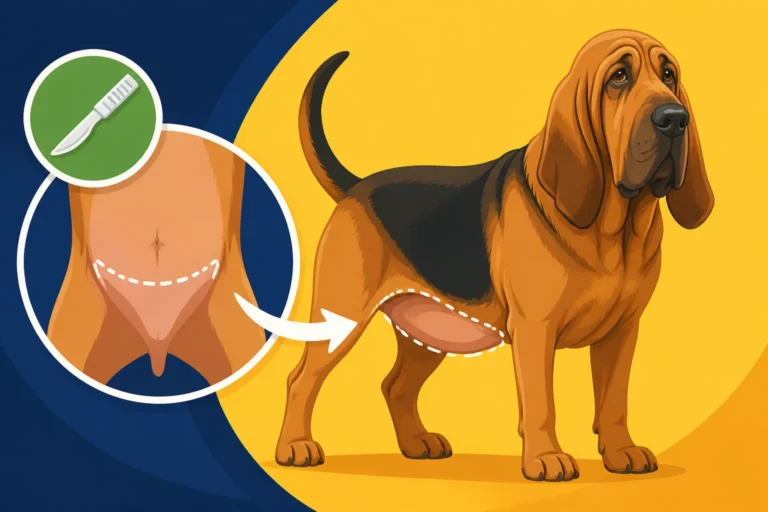
How Large a Bloodhound Litter Is
Thinking about bringing a Bloodhound puppy into your life is exciting, but for those contemplating breeding, the journey starts long before the puppies arrive. One of the most common questions, and a significant planning point, is simply: "How many puppies can I expect?" Knowing how large a Bloodhound litter typically is helps you prepare for the immense commitment of time, resources, and emotional energy required to ensure both the dam and her future puppies thrive. This guide will walk you through the realistic expectations for Bloodhound litter size, the factors that influence it, and what that means for both breeders and prospective owners.
Understanding the Average Bloodhound Litter Size
The sheer size of a Bloodhound often makes people assume their litters are enormous, and while they do tend to be larger than many toy or small breeds, there's a typical range to consider. It’s not just a guessing game; there are patterns and averages that dedicated breeders come to expect.
The Typical Range and What Influences It
When we talk about an "average" Bloodhound litter, we're usually looking at anywhere from 8 to 10 puppies. However, it's not uncommon to see litters as small as 6 or as large as 12, or even a few more! This wide range means that while you might hope for a specific number, you need to be prepared for the unexpected.
Several key factors play into this variability. A maiden dam, meaning a female breeding for the very first time, might have a slightly smaller litter than one who has had a litter or two before. Her body is still adjusting to the demands of pregnancy and whelping. Age is another huge component; dams in their prime breeding years, typically between two and five years old, often produce the largest and healthiest litters. As they get older, litter sizes might naturally decrease. Beyond age, the dam's overall health and nutrition before and during pregnancy are paramount. A well-nourished, healthy dam has a better chance of carrying more healthy fetuses to term. Even the stud dog's fertility can play a role, as can the timing of the breeding itself. Pinpointing the optimal window for conception through progesterone testing can certainly influence the number of puppies conceived.
How Bloodhound Litters Compare to Other Breeds
When you compare Bloodhounds to other dogs, their litter sizes definitely lean towards the larger end of the spectrum. Think about a tiny Chihuahua, which might only have 2-4 puppies, or even a medium-sized Labrador Retriever, which averages 6-8. Bloodhounds, being a giant breed, often have the physical capacity to carry more puppies, similar to other large or giant breeds like Great Danes, Mastiffs, or German Shepherds, which can also easily have litters of 8 or more.
This capacity for large litters is both a blessing and a challenge. More puppies can mean more potential healthy companions for families, but it also places significant demands on the dam. Her body has to grow and nourish many lives, and post-whelping, she has to produce enough milk for a small army of hungry Bloodhound pups. This is why a breeder's preparation and ongoing support for the dam are absolutely critical. It's not just about counting heads; it's about ensuring each one gets the best start possible.
Factors That Can Affect Bloodhound Litter Size
It's easy to think of litter size as a simple roll of the dice, but in reality, there are many intricate biological and environmental factors that can sway the number of puppies a Bloodhound dam carries. Understanding these can help both breeders and prospective owners appreciate the complexities involved in ethical breeding.
The Role of Dam's Health and Genetics
A dam's health is, without a doubt, the bedrock of a successful pregnancy and a robust litter. A Bloodhound female needs to be in excellent physical condition, maintaining an ideal weight – not too thin, not overweight – and free from any underlying health issues that could compromise her ability to conceive or carry puppies. Proper veterinary care, including regular check-ups and vaccinations, ensures she's at her peak.
Genetics also plays a fascinating role. Just like humans, some dog lines are simply predisposed to having larger or smaller litters. A breeder might notice a pattern in a particular dam's lineage, where her mother or grandmother consistently produced a certain number of puppies. This genetic predisposition can be influenced by many genes, making it a complex trait. This is precisely why ethical breeders invest so much in understanding pedigrees and carrying out extensive health screenings on both the dam and the sire. For instance, reputable breeders will screen for conditions like hip and elbow dysplasia, as well as heart and thyroid issues, to ensure the health of their breeding stock. You can learn more about this by reading Whether a Bloodhound Should Be Screened Before Breeding and The Age a Bloodhound's Hips Are X-Rayed. These screenings aren't just about the parents' health, but also about the potential health and viability of their offspring, which can indirectly impact litter size and puppy survival.
The Impact of Breeding Management
Beyond the dam's inherent health, how the breeding itself is managed can significantly influence litter size. Timing is everything in the canine world. A female Bloodhound is only fertile for a short window, and hitting that sweet spot requires precision. Many experienced breeders utilize progesterone testing with their veterinarian, which involves blood tests to accurately pinpoint when the dam is ovulating. Breeding too early or too late can result in a smaller litter, or even no pregnancy at all.
The number of times the dogs breed, often called "ties," can also matter. Sometimes, breeders opt for multiple breedings over a few days to maximize the chances of conception. Furthermore, the dam's nutrition during pregnancy is absolutely critical. Her caloric and nutrient needs soar as the puppies develop. Feeding a high-quality, veterinarian-recommended diet formulated for pregnant and lactating dogs is non-negotiable. Reputable brands found on platforms like Chewy offer specialized formulas designed to support this intense period. Ensuring the dam has constant access to fresh water is also vital. Lastly, a calm, low-stress environment is crucial for a pregnant Bloodhound. Stress can negatively impact her hormones and overall well-being, potentially affecting the developing puppies. A quiet, secure space for her to relax and prepare for whelping is invaluable.
Practical Realities of Whelping and Raising a Bloodhound Litter
Once the breeding is successful and pregnancy is confirmed, the real work begins. The practicalities of whelping (birthing) and then raising a Bloodhound litter are a massive undertaking, requiring meticulous planning, significant resources, and endless dedication.
Preparing for a Large Bloodhound Litter
Imagine preparing for a dozen babies arriving all at once – that's somewhat akin to preparing for a large Bloodhound litter. One of the first and most important items is a robust whelping box. This isn't just any old dog bed; it needs to be large enough for the dam to stretch out comfortably with all her puppies, with "pig rails" or a similar design to prevent her from accidentally crushing a puppy when she lies down. It needs to be easy to clean and placed in a quiet, warm, draft-free area of your home.
Beyond the box itself, a whole arsenal of supplies is necessary. You'll need plenty of clean towels for drying newborn puppies, a heating lamp or pad to maintain their body temperature, and a reliable scale to weigh each puppy daily to ensure they are gaining weight appropriately. Puppy milk replacer is a must-have, even if the dam is a fantastic mother, as you might need to supplement smaller or weaker pups. Having a vet on speed dial is non-negotiable, especially for a large breed like a Bloodhound where complications during whelping, such as inertia or puppies getting stuck, can occur. C-sections are not uncommon in large-headed breeds, and being prepared for this possibility, both logistically and financially, is paramount. The costs associated with bringing a litter into the world can be staggering, and What Raising a Bloodhound Litter Costs truly puts it into perspective.
Early Puppy Care and Breeder Responsibilities
The first few weeks of a Bloodhound litter's life are a flurry of activity and constant vigilance. A responsible breeder is essentially on call 24/7. Monitoring each puppy's weight gain is a daily ritual; a consistent gain is a sign of health and good feeding. Temperature regulation is also critical, as newborns cannot regulate their own body heat.
For larger litters, supplemental feeding can become a necessary reality. Even the most dedicated dam might struggle to produce enough milk for 10-12 rapidly growing puppies. This means rotating puppies on and off the dam, and hand-feeding milk replacer to ensure every pup gets enough nourishment. Brands like Ollie, known for their fresh dog food, also emphasize high-quality ingredients, which can be an important consideration for the dam's nutrition and later for weaning puppies onto solid food. Beyond physical care, early socialization is crucial. Gentle handling from birth helps puppies develop into well-adjusted adults. As they grow, they'll need their first vet checks, vaccinations, and deworming. This is where the long-term investment really starts to add up, underscoring why What a Health Tested Bloodhound Puppy Costs reflects the immense effort and expense involved in ethical breeding.
Long-Term Implications for Breeders and Owners
Breeding Bloodhounds is far more than just producing puppies; it's a commitment to the future of the breed and to the well-being of each individual dog. The decisions made regarding litter size, health, and placement have profound long-term implications.
Financial Commitments and Ethical Breeding
Let's be blunt: ethical Bloodhound breeding is rarely a path to riches. The financial commitments are substantial, stretching far beyond the initial stud fee. Think about the extensive health screenings for both parents, which can include hip, elbow, eye, cardiac, and thyroid clearances. These are not cheap, but they are essential for minimizing the risk of passing on genetic conditions. You might find it illuminating to read Whether a Bloodhound Breeder Should Do Cardiac and Thyroid Too. Then there are the costs of progesterone testing, potential artificial insemination, veterinary care during pregnancy, whelping supplies, emergency C-sections, puppy vaccinations, deworming, microchipping, high-quality food for the dam and eventually the puppies, and all the "just in case" expenses. It’s why Whether Bloodhound Breeding Pays After the Testing often concludes that it's more a labor of love than a lucrative endeavor.
Ethical breeders prioritize the health and temperament of their dogs above all else. They understand that every puppy they produce is a lifelong responsibility. They strive to improve the breed, not just to generate puppies. This means being honest about potential challenges, thoroughly vetting prospective owners, and standing by their puppies for their entire lives.
Responsible Placement and Support for New Owners
A large Bloodhound litter means a significant number of puppies needing loving, suitable homes. Responsible breeders invest considerable time and effort in thoroughly screening potential buyers. This often involves detailed applications, phone interviews, and sometimes even home visits to ensure that each puppy is placed with a family that understands the unique needs and quirks of a Bloodhound. They are looking for owners who are prepared for the commitment of training, socialization, and the ongoing care these magnificent hounds require.
Part of this responsible placement includes providing new owners with comprehensive health records, pedigree information, and detailed instructions on initial care, feeding, and socialization. Many breeders also include a robust contract that outlines the responsibilities of both the breeder and the new owner, often including clauses about spaying/neutering, health guarantees, and what to do if the owner can no longer keep the dog. This kind of detail is covered in What a Bloodhound Breeder's Contract Covers. Furthermore, ethical breeders often offer ongoing support, serving as a resource for new owners throughout the dog's life. They understand that owning a Bloodhound is a journey, and they want to ensure their puppies are supported every step of the way. For new owners, considering pet insurance from providers like Healthy Paws from the start can be a wise financial decision, especially with a breed prone to specific health issues.
It's clear that while the average Bloodhound litter size gives you a starting point, the true measure of bringing puppies into the world lies in the dedication, care, and responsible choices made by breeders to nurture each individual life.
| Factor | Impact on Litter Size | Breeder's Role |
|---|---|---|
| Dam's Age | Prime years (2-5) often larger litters; first-time or older dams may have smaller. | Careful timing of breeding; appropriate rest periods. |
| Dam's Health & Nutrition | Healthy, well-nourished dams generally have larger, healthier litters. | High-quality diet; regular vet check-ups. |
| Genetics of Sire & Dam | Some lines are predisposed to smaller/larger litters. | Research pedigrees; health screening. |
| Breeding Timing | Optimal timing around peak ovulation increases conception rates and litter size. | Progesterone testing by vet. |
| Stress Levels | High stress can negatively impact conception and litter size. | Provide a calm, secure environment. |
Disclaimer
This article is for general informational purposes only and does not constitute professional advice. Laws, prices and regulations vary by location and change over time. Consult a qualified professional for guidance on your specific situation.