What Ectropion Surgery Costs on a Bloodhound
That distinctive, soulful gaze of a Bloodhound, with its famously droopy eyelids, is part of what makes them so endearing. However, what looks charming can sometimes become a significant health concern when those lower lids turn too far outward, a condition known as ectropion. This can expose their sensitive eyes to constant irritation, leading to chronic infections and even vision problems. This guide will walk you through the various costs associated with diagnosing, surgically correcting, and managing ectropion in your beloved Bloodhound, ensuring you're prepared for the financial realities of keeping those beautiful eyes healthy.
Understanding Ectropion in Bloodhounds
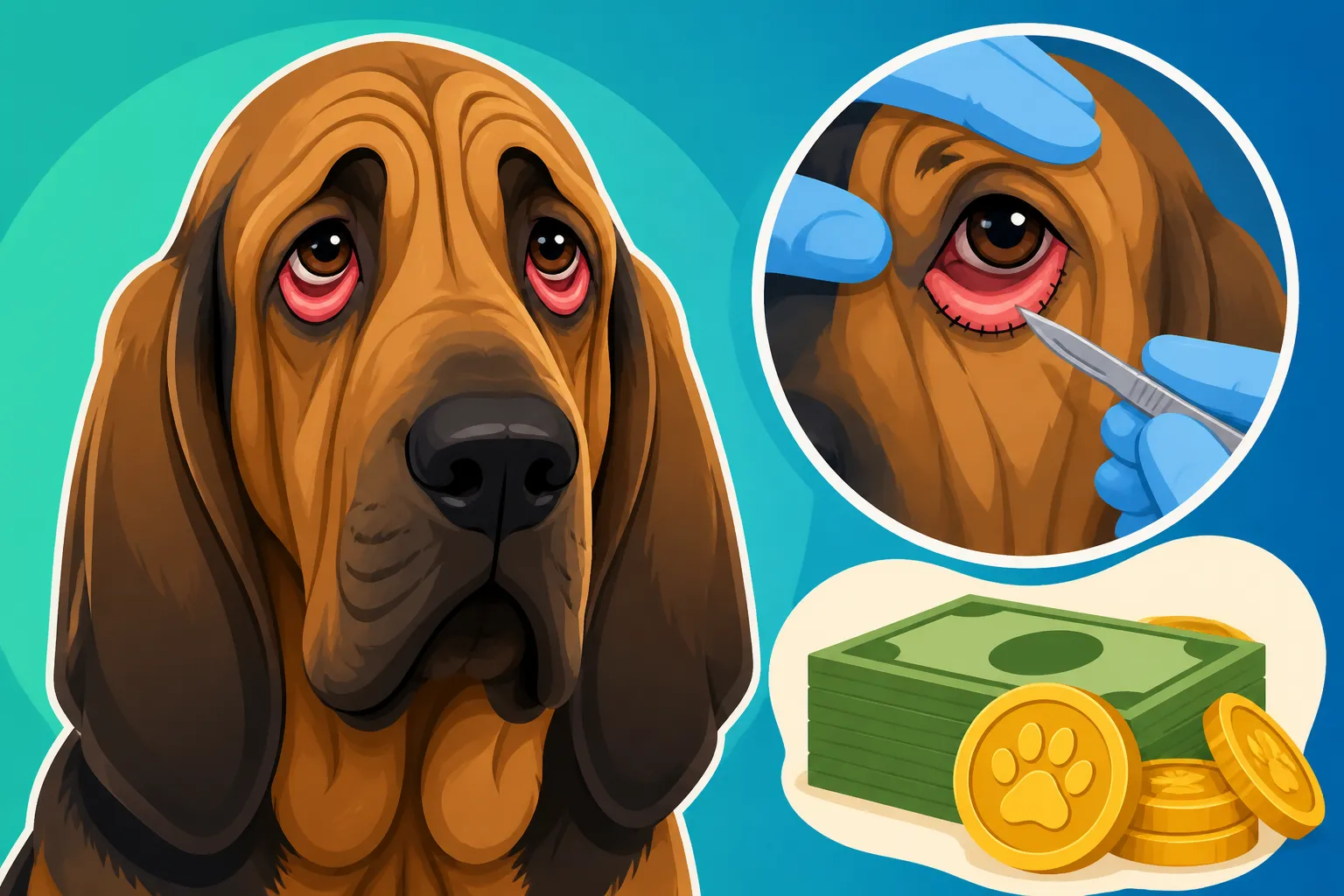
Ectropion is a condition where the lower eyelid (and sometimes the upper lid) rolls outwards, exposing the delicate conjunctiva and the underlying structures of the eye. While a certain degree of "sag" is characteristic of the Bloodhound breed, severe ectropion can lead to a host of uncomfortable and potentially damaging issues. It's not just a cosmetic quirk; it's a structural problem that compromises the eye's natural protective mechanisms.
Why a Bloodhound's Eyelids Droop
The Bloodhound's signature loose skin, which aids in trapping scent particles, extends to their facial features, resulting in the prominent wrinkles and drooping jowls we all recognize and adore. This loose skin often leads to their eyelids hanging away from the eyeball. It’s part of their genetic makeup, a breed characteristic. This is also why many owners worry about Why a Bloodhound's Haw Shows, as the third eyelid often becomes more visible with loose skin. When the eyelid margin itself, particularly the lower one, turns out, it can no longer perform its job of protecting the eye. Instead of sweeping tears across the surface to keep it clean and moist, the outward roll causes tears to spill over, leading to tear staining and insufficient lubrication.
When Ectropion Becomes a Problem
While mild ectropion might only require diligent cleaning, severe cases can profoundly impact your Bloodhound's comfort and long-term eye health. The exposed conjunctiva becomes dry, inflamed, and highly susceptible to environmental irritants like dust, pollen, and bacteria. This constant exposure can lead to chronic conjunctivitis, bacterial infections, and, most critically, damage to the cornea – the clear outer layer of the eye. Think of it like a perpetually dry, irritated eye that's constantly being buffeted by the elements. Over time, untreated severe ectropion can lead to corneal ulcers, scarring, and even vision impairment. It's vital to recognize What Ectropion Looks Like on a Bloodhound and understand that if your Bloodhound is constantly rubbing their eyes, has persistent discharge, or shows signs of pain, it's time to intervene.
The Initial Veterinary Consultation and Diagnostics
When you first notice your Bloodhound’s eyes seem excessively watery, red, or irritated, your first stop is usually your regular veterinarian. They’ll conduct an initial examination to assess the severity of the ectropion and rule out other potential eye issues. This initial visit is crucial for getting a baseline understanding of your dog's condition and determining the next steps.
The General Vet Visit
During this initial appointment, your general practice veterinarian will perform a thorough eye exam. They’ll look for signs of inflammation, discharge, and corneal damage. They might conduct a Schirmer tear test to check for dry eye, a fluorescein stain test to detect corneal ulcers, and measure intraocular pressure to rule out glaucoma. These initial diagnostic tests are typically fairly routine and involve standard veterinary fees. They help paint a clearer picture of your Bloodhound's specific issues. If they find that your dog is suffering from ongoing irritation, they might prescribe some initial eye drops or ointments, often available through online pharmacies like Chewy or directly from your vet, to manage the symptoms temporarily. This primary care visit aims to determine if the ectropion is purely structural and manageable with drops, or if it has progressed to a point requiring surgical intervention.
Referral to an Ophthalmic Specialist
For many Bloodhounds with moderate to severe ectropion, your general veterinarian will recommend a referral to a board-certified veterinary ophthalmologist. This specialist has advanced training and equipment specifically for eye conditions. This referral is often necessary because eyelid surgery requires precision and a deep understanding of ocular anatomy to achieve the best functional and cosmetic outcome. You might wonder, Whether a Bloodhound's Eyelid Surgery Needs a Specialist, and often, the answer is yes, especially for optimal results. The ophthalmologist will conduct an even more detailed examination, often using specialized tools like a slit lamp biomicroscope, to evaluate the degree of ectropion, the health of the cornea, and plan the most appropriate surgical approach. This specialist consultation will come with its own fee, which is usually higher than a general vet visit due to the specialized expertise and equipment involved. Understanding What a Bloodhound's Ophthalmology Referral Costs can help you budget for this important step.
Surgical Options and Their Cost Implications
When it comes to correcting ectropion, surgery is often the most effective and sometimes the only long-term solution. There isn't a one-size-fits-all approach, and the choice of technique will depend on the severity of your Bloodhound's condition, the specific anatomy of their eyelids, and the ophthalmologist's recommendation. Each option carries its own cost implications, reflecting the complexity of the procedure and the expertise required.
Traditional Surgical Correction
Traditional ectropion surgery, often referred to as a "Hotz-Celsus" procedure or a variation thereof, involves carefully removing a wedge of tissue from the affected eyelid to shorten and tighten it, allowing the lid margin to sit closer to the eyeball. In some cases, lateral canthoplasty (reshaping the outer corner of the eye) may also be performed. This type of surgery aims to restore the natural position of the eyelid, improving tear distribution and protecting the eye from exposure. The procedure requires general anesthesia, sterile surgical conditions, and meticulous suturing.
The cost for traditional ectropion surgery can vary significantly based on several factors:
- Geographic location: Veterinary costs tend to be higher in urban areas compared to rural ones.
- Severity of ectropion: More severe cases may require more complex surgical techniques or involve both eyelids, increasing procedure time and material costs.
- Surgeon's experience: A highly experienced board-certified veterinary ophthalmologist may charge more for their specialized skills.
- Pre-surgical workup: This includes blood tests to ensure your Bloodhound is a good candidate for anesthesia, which adds to the overall bill.
- Post-operative care: Medications, Elizabethan collars (e-collars), and follow-up visits are all part of the package.
The cost generally covers the surgical fees, anesthesia, monitoring during surgery, and a short recovery stay. Since this can be a significant and unexpected expense for many owners, it’s why we often hear that Eyelid Surgery Is the Bill Bloodhound Owners Do Not Expect. It’s important to get a detailed estimate from your veterinary ophthalmologist that itemizes all these components.
Minimally Invasive Techniques
While traditional surgery is common, some advancements are being made in less invasive approaches, although these may not be suitable for all cases of ectropion, especially severe ones. For instance, techniques like cryosurgery (freezing tissue) or laser surgery might be used for specific types of eyelid anomalies, but they are less frequently applied for full ectropion correction in Bloodhounds. These methods, when appropriate, might offer slightly different recovery times and potentially different cost structures, though often the specialized equipment involved can still make them comparable in price to traditional surgery.
The core principle remains the same: reshape the eyelid to function correctly. Regardless of the exact technique, the goal is to prevent the chronic irritation that can lead to problems like corneal ulcers and to improve the overall quality of life for your Bloodhound. Discussing all available options with your ophthalmologist is key to understanding the best path forward for your specific dog.
Anesthesia and Monitoring
Any surgical procedure, no matter how minor, requires general anesthesia, and this is a significant component of the overall cost. For large breeds like Bloodhounds, anesthesia can be more complex and require more precise dosing and monitoring. Before anesthesia, your Bloodhound will undergo pre-anesthetic bloodwork to ensure their organs are functioning properly and that they can safely metabolize the anesthetic agents. During the procedure, a dedicated veterinary technician will continuously monitor your dog's heart rate, respiratory rate, blood pressure, oxygen saturation, and temperature. This vigilant monitoring minimizes risks and ensures a safe experience.
The cost of anesthesia reflects not only the drugs used but also the time and expertise of the veterinary staff involved in monitoring your Bloodhound. It's a critical safety measure, and while it adds to the bill, it’s a non-negotiable part of any responsible surgical protocol. Some clinics might also recommend additional monitoring equipment, especially for large breeds or those with underlying health concerns, which can further adjust the final cost.
Post-Operative Care and Follow-Up Expenses
The journey doesn't end when your Bloodhound wakes up from surgery. The post-operative period is just as crucial as the surgery itself for a successful outcome. Proper care during this time will minimize complications, promote healing, and ensure that the investment in surgery truly pays off for your dog's comfort and health. These costs are often overlooked when owners initially budget for surgery.
Medications and E-Collars
Following ectropion surgery, your Bloodhound will likely come home with a regimen of medications. These typically include:
- Pain medication: To keep your dog comfortable during recovery.
- Antibiotics: To prevent infection at the surgical site. These may be oral or topical eye drops, or both.
- Anti-inflammatory eye drops or ointments: To reduce swelling and promote healing of the eye.
These medications are essential and should be administered exactly as prescribed. You might pick these up directly from your vet, or they might send prescriptions to an online pharmacy like Chewy, which can sometimes offer competitive pricing.
In addition to medications, an Elizabethan collar (e-collar), often called a "cone of shame," is absolutely mandatory. This prevents your Bloodhound from rubbing, scratching, or licking their surgical site, which could tear sutures, introduce infection, or undo the delicate work of the surgeon. While some vets provide a basic plastic cone, many owners opt for softer, more comfortable alternatives that can be purchased from pet supply stores or online. Expect your Bloodhound to wear this collar for several weeks. All these items, from medication to a comfortable e-collar, contribute to the overall post-operative cost.
Follow-Up Appointments and Potential Revisions
After surgery, your Bloodhound will need several follow-up appointments with the veterinary ophthalmologist. These visits are critical for monitoring the healing process, removing sutures (if non-dissolvable), and ensuring that the eyelids are sitting correctly. The specialist will check for any signs of infection, swelling, or complications. Each of these appointments will incur a consultation fee.
In some cases, especially with breeds known for excessive loose skin, a single surgery might not achieve the desired permanent result, or scar tissue might cause the eyelid to roll out again slightly. It's not common, but sometimes a second, minor revision surgery might be necessary down the line. This is a point of concern for owners, and discussing Whether a Bloodhound Needs Eyelid Surgery Twice with your vet early on can help manage expectations. While frustrating, a revision aims to fine-tune the initial correction and ensures the long-term health and comfort of your Bloodhound's eyes. These follow-up and potential revision costs are important to factor into your long-term budget.
Managing Ectropion Long-Term and Prevention
Even after successful surgery, or if your Bloodhound's ectropion is mild enough not to warrant immediate surgical intervention, long-term management is key. This often involves daily routines to keep their eyes clean and healthy, vigilance for any returning symptoms, and considering how financial planning tools like pet insurance can help mitigate future costs.
Daily Maintenance Routines
For Bloodhounds with ectropion, whether mild or post-surgical, daily eye care is a non-negotiable part of their routine. Their exposed eyes are more prone to collecting debris, dust, and developing tear staining. You'll need to gently clean around their eyes regularly, often several times a day, to remove any discharge and keep the area dry. Using a soft, damp cloth or veterinary-approved eye wipes is ideal. This attention helps prevent skin irritation and secondary infections in the folds around the eyes. Some owners find that a saline solution or specific gentle eye cleansers recommended by their vet work best. It's a commitment that takes time and consistency, but it's vital for your Bloodhound’s comfort. Learning Daily Eye Care for a Bloodhound is essential for all owners, especially those with ectropion-prone pups. These ongoing supplies, while individually inexpensive, add up over a lifetime. You can often find great deals on wipes and saline solutions through retailers like Chewy.
The Role of Pet Insurance
Given the significant costs associated with diagnosing and surgically correcting ectropion, pet insurance can be a real lifeline for Bloodhound owners. Most comprehensive pet insurance plans, like those offered by Healthy Paws, will cover a portion of the costs for unforeseen illnesses and accidents, which can include conditions like ectropion that require medical or surgical treatment. However, it's crucial to understand the nuances of coverage. Many policies have waiting periods, and pre-existing conditions are almost universally excluded. This means if your Bloodhound is diagnosed with ectropion before you enroll them in a policy or before the waiting period ends, that specific condition may not be covered. This leads to the important question of Whether a Bloodhound's Ectropion Counts as Pre Existing. If you're considering a Bloodhound puppy, enrolling in pet insurance early is a smart financial move to ensure congenital conditions like ectropion have the best chance of being covered if they develop later. Always read the policy details carefully and discuss potential coverage with the insurance provider before committing. While insurance won't cover everything, it can significantly reduce the out-of-pocket burden of major veterinary bills.
Preventing Worsening Symptoms
Beyond surgery and daily cleaning, there are proactive steps you can take to help prevent ectropion from worsening or causing more severe complications.
- Environmental management: Minimize exposure to dust, strong winds, and irritants. If your Bloodhound loves sticking their head out the car window, consider doggy goggles to protect their eyes from wind and debris, which can exacerbate dryness and irritation.
- Regular vet check-ups: Even after surgery, routine veterinary visits are important to monitor eye health and catch any issues early. Your vet might suggest specialized drops if your Bloodhound still experiences dryness, and understanding What a Bloodhound's Eye Drops Cost Each Year will be part of your ongoing budget.
- Nutrition: A balanced, high-quality diet contributes to overall health, including eye health. While not a direct cure for ectropion, good nutrition from brands like Ollie can support a healthy immune system and tissue repair, aiding in post-surgical recovery and general well-being.
- Weight management: Keeping your Bloodhound at a healthy weight prevents excessive skin laxity, which theoretically could reduce stress on the eyelids.
By adopting these practices, you're not just reacting to problems; you're actively creating an environment that supports your Bloodhound's eye health and minimizes the likelihood of costly complications down the road.
Cost Components for Bloodhound Ectropion Management
To give you a clearer picture, here's a breakdown of the typical cost components you might encounter when dealing with ectropion in your Bloodhound. Remember, these are general categories, and actual figures will vary widely.
| Cost Component | Description | Typical Timing | Factors Influencing Cost |
|---|---|---|---|
| Initial Vet Consultation | First visit to your general veterinarian for assessment. | When symptoms first appear | Clinic fees, basic diagnostic tests (Schirmer, fluorescein). |
| Ophthalmologist Referral/Consult | Visit to a specialist for in-depth diagnosis and surgical planning. | After general vet recommendation | Specialist fees, advanced diagnostic equipment. |
| Pre-Surgical Diagnostics | Bloodwork, ECG (if needed), imaging to ensure anesthesia safety. | Week(s) before surgery | Range of tests, clinic's pricing, Bloodhound's age/health. |
| Ectropion Surgery (per eye) | Surgical procedure, anesthesia, intra-operative monitoring, post-op stay. | Scheduled after diagnosis | Severity, technique, surgeon's expertise, geographic location. |
| Post-Operative Medications | Pain relievers, antibiotics, anti-inflammatory eye drops/ointments. | Immediately after surgery | Type and duration of medication, brand, pharmacy (e.g., Chewy). |
| Elizabethan Collar (E-collar) | Cone or soft collar to prevent self-trauma. | Immediately after surgery | Type of collar (standard vs. soft/inflatable). |
| Follow-Up Appointments | Post-surgical rechecks with ophthalmologist to monitor healing and remove sutures. | Weeks following surgery | Number of visits, specialist fees. |
| Long-Term Eye Care Supplies | Eye wipes, saline solution, specialized drops for dryness. | Ongoing for life | Brand of products, frequency of use, purchase location. |
| Potential Revision Surgery | Additional surgery if initial correction is insufficient or complications arise. | Months to years after primary surgery | Same factors as primary surgery. |
This table illustrates that the cost of ectropion extends far beyond the surgical fee itself. It encompasses a whole range of services and supplies that are crucial for your Bloodhound's well-being. Thinking about the overall financial picture, including the possibility of future health issues, highlights What Insurance Will and Will Not Cover on a Bloodhound, and the importance of having a robust plan.
Disclaimer
This article is for general informational purposes only and does not constitute professional advice. Laws, prices and regulations vary by location and change over time. Consult a qualified professional for guidance on your specific situation.