Why a Bloodhound’s Haw Shows
It’s a sight that’s both endearing and sometimes a little worrying for Bloodhound owners: those famously droopy eyes, often revealing a pinkish sliver that peeks out from the inner corner. This isn't just a quirky feature; it's a part of their unique anatomy that brings both charm and a distinct set of care considerations. This guide will walk you through why your Bloodhound's "haw" shows, what it means for their health, and how to keep those soulful eyes comfortable and free from irritation.
Understanding the Bloodhound's Unique Eye Structure
The Bloodhound's distinctive appearance, particularly their deeply wrinkled face and pendulous ears, is integral to their incredible scenting ability. However, this same unique conformation also extends to their eyes, often giving them that perpetually sad or worried expression. It's a look that pulls at the heartstrings, but it also means their eyes require specific attention.
What Exactly is the "Haw" and Why Does it Show?
That pinkish membrane you often see in the corner of your Bloodhound's eye, sometimes more prominently than others, is actually their nictitating membrane, commonly known as the "third eyelid" or "haw." All dogs have a third eyelid, and it serves a really important purpose: it acts like a natural windshield wiper, sweeping across the eye to remove debris and distribute tears, offering an extra layer of protection and lubrication.
In many breeds, this third eyelid is rarely visible, tucked away in the inner corner of the eye. But in Bloodhounds, due to their exceptionally loose facial skin and the structure of their orbital area, it's often more exposed. Imagine trying to keep a perfectly taut surface with so much extra skin around it – it's just not possible. This laxity means the lower eyelid often sags slightly, allowing the haw to be seen more readily. It’s part of the breed standard, the very thing that gives them their iconic look. So, seeing your Bloodhound's haw isn't necessarily a sign of trouble; it's often just a characteristic trait. However, understanding Why a Bloodhound's Lower Lid Hangs Away From the Eye is key to differentiating normal from problematic.
The Anatomy of a Droopy Eye: Ectropion's Role
When we talk about those droopy lower eyelids, we're often looking at a condition called ectropion. This isn't a disease in itself, but rather a conformational trait where the lower eyelid rolls outward, exposing the delicate conjunctival tissue (the pink lining of the eyelid) and, of course, the haw. While severe ectropion can certainly be a problem, a mild degree is considered characteristic for the Bloodhound and is even described in the breed standard.
This outward rolling of the lid means that the natural protective barrier of the eyelid isn't as snug against the eyeball as it is in other breeds. The loose skin, especially around their deep-set eyes, contributes significantly to this phenomenon. It's almost like their skin has a mind of its own, giving way and allowing that lower lid to just hang. For many Bloodhounds, this is simply how they are made, a direct result of the breeding that created their famously expressive, wrinkled faces. It’s important to recognize that while it contributes to their charm, it also creates a vulnerability that requires diligent care. This distinct look is a hallmark of the breed, but it's a double-edged sword when it comes to eye health. Knowing What Ectropion Looks Like on a Bloodhound can help you monitor your dog's eye health effectively.
Common Issues Arising from Exposed Haws and Eyelids
While the Bloodhound's droopy eyes are part of their charm, that exposure isn't without its challenges. The very features that make them so distinctive can also make them prone to certain eye conditions. It’s a constant balancing act for Bloodhound owners: admiring their unique look while diligently protecting their precious sight.
Increased Risk of Irritation and Foreign Bodies
Because the lower eyelid sags away from the eyeball, creating a sort of "pocket" and exposing the haw, your Bloodhound's eyes are much more vulnerable to the environment. Think about it: a less protected eye is an open invitation for all sorts of irritants. Dust, dirt, grass seeds, pollen, and even stray hairs can easily settle in that exposed conjunctival sac. When you're out on a trail, or even just in your backyard, anything airborne becomes a potential hazard.
I’ve heard countless stories from owners whose Bloodhounds have picked up tiny bits of debris, leading to discomfort, redness, and excessive tearing. It's a frustrating cycle because the very act of rubbing their eyes to relieve the irritation can introduce more contaminants. This constant exposure means that what might be a minor irritant for a dog with tightly fitting eyelids can quickly escalate into a full-blown problem for a Bloodhound. Regularly checking their eyes for foreign bodies and gently cleaning them becomes a critical part of their routine care. Just like their ears, their eyes need constant vigilance. You might find yourself wondering Whether Dust Reaches a Bloodhound's Exposed Eye after a windy walk.
The Threat of Dry Eye and Conjunctivitis
The laxity of the eyelids and the increased exposure of the eye surface can also contribute to more serious conditions like dry eye (keratoconjunctivitis sicca or KCS) and recurrent conjunctivitis. With ectropion, the eyelids don't always fully close or blink as effectively, which means tears aren't spread evenly across the cornea. Tears are vital for keeping the eye moist, flushing out debris, and providing essential nutrients. When tears aren't properly distributed, the eye can become chronically dry, leading to inflammation, discomfort, and a dull, unhealthy appearance.
This dryness makes the eye more susceptible to bacterial and fungal infections, often manifesting as conjunctivitis – that tell-tale redness, swelling, and discharge. It's a frustrating merry-go-round for many owners: you treat one bout of conjunctivitis, only for another to pop up weeks later. Chronic dry eye requires lifelong management with specific eye drops, which can become a significant part of your daily routine and budget. Considering pet insurance from a provider like Healthy Paws can be a real lifeline when dealing with these ongoing medical expenses. Addressing Dry Eye in a Bloodhound promptly is essential for their comfort and long-term vision.
Addressing the 'Sad Eye' Look – Is It Always Benign?
That famously mournful expression from your Bloodhound's droopy eyes is often just a charming characteristic. However, it’s crucial to understand when the "sad eye" look is merely aesthetic and when it's indicating a problem that needs attention. A healthy Bloodhound with typical ectropion might have slightly red conjunctiva visible and perhaps some mild tear staining, but their eyes should generally be clear, bright, and free of excessive discharge.
When the droop becomes severe, or if you notice changes in the eye itself, that's when you need to be concerned. Signs that the "sad eye" look is moving beyond benign include:
- Excessive redness or swelling that doesn't resolve quickly.
- Thick, colored discharge (yellow, green) rather than just clear tearing.
- Squinting or holding the eye shut, indicating pain or irritation.
- Cloudiness or visible scratches on the surface of the eye (cornea).
- Increased rubbing or pawing at the face.
These symptoms suggest that the exposed structures are leading to genuine discomfort or infection. It’s not just about the look anymore; it’s about their vision and quality of life. An untreated eye infection can lead to corneal ulcers or even permanent damage, which is something every Bloodhound owner wants to avoid. Don't dismiss these signs, even if your Bloodhound has always had droopy eyes. Knowing Whether a Bloodhound's Ectropion Gets Worse With Age can help you anticipate changes.
Practical Daily Care for Your Bloodhound's Eyes
Living with a Bloodhound means accepting a certain level of commitment to their unique physical needs, and their eyes are certainly at the top of that list. While they’re generally sturdy dogs, neglecting their eye care can lead to unnecessary discomfort and costly veterinary visits.
Routine Cleaning and Maintenance
Establishing a daily eye care routine is perhaps the single most important thing you can do for your Bloodhound's eye health. Because their eyes are so exposed, they're constantly battling environmental factors. Think of it like brushing your teeth – it’s a non-negotiable part of daily hygiene.
Here's how to approach it:
- Gentle Wiping: Use a soft, clean, damp cloth or a veterinarian-approved eye wipe to gently clean around the eyes. Focus on wiping away any dust, debris, or dried tear stains. Always wipe away from the eye, rather than toward it, to prevent pushing debris under the lid.
- Saline Rinse: Many owners find a sterile saline solution (the kind used for contact lenses, not contact lens cleaner) invaluable. A few drops can help flush out irritants from the exposed conjunctiva. Just squirt a small amount into the eye while gently holding the head still, allowing it to run out, carrying debris with it.
- Check for Foreign Bodies: After outdoor adventures, especially if you’ve been in grassy or dusty areas, take an extra moment to gently pull down the lower lid and peek at the exposed haw and conjunctiva. Look for any tiny specks that might have lodged there.
- Tear Stain Management: Bloodhounds, particularly those with more pronounced ectropion, can develop tear staining. While largely cosmetic, keeping the area clean helps prevent skin irritation from chronic dampness. Some products specifically target tear stains, but often consistent cleaning is enough.
Remember, the goal is prevention and early detection. If you can catch an irritant before it causes a problem, you’re saving your Bloodhound discomfort and potentially a trip to the vet. For a step-by-step guide, check out How to Clean a Bloodhound's Eyes. It's also worth considering Whether a Bloodhound's Haw Should Be Rinsed regularly.
Recognizing When to Seek Veterinary Help
Despite your best efforts with daily care, there will inevitably be times when your Bloodhound’s eyes need professional attention. It’s critical to know when to stop your home care and pick up the phone to call your vet. Delaying veterinary care can lead to a minor issue becoming a major one, especially with something as delicate as the eyes.
You should seek veterinary help immediately if you observe any of the following:
- Persistent Redness or Swelling: If the eye remains red or swollen for more than 24 hours, or if it suddenly worsens.
- Excessive or Abnormal Discharge: Any thick, pus-like, yellowish, or greenish discharge is a red flag for infection. Even excessive clear tearing that lasts for more than a day or two should be evaluated.
- Squinting, Pawing, or Rubbing: These are clear signs of pain or severe irritation. If your Bloodhound is noticeably uncomfortable, don’t wait.
- Cloudiness or Changes in the Cornea: A cloudy film, a white spot, or any visible scratch on the clear surface of the eye (cornea) could indicate a serious corneal ulcer, which is a veterinary emergency.
- Sensitivity to Light: If your Bloodhound seems to be bothered by bright lights, it can be a sign of deeper eye pain.
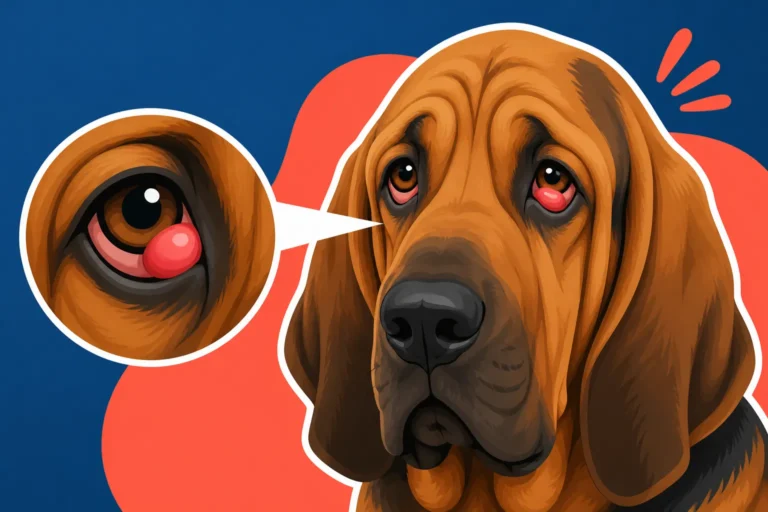
- Changes in Haw Appearance: While some haw visibility is normal, if it suddenly becomes very red, swollen, or protrudes significantly more than usual, it could indicate an issue like a "cherry eye" (prolapsed gland of the third eyelid), which needs immediate veterinary attention.
Your veterinarian will be able to properly diagnose the issue, whether it's a simple infection, a foreign body requiring removal, or a more complex condition like glaucoma or an ulcer. Early diagnosis and treatment are paramount to preserving your Bloodhound's vision and comfort. This is where having comprehensive pet insurance, perhaps from a reliable provider like Healthy Paws, can really make a difference, allowing you to get the best care without financial hesitation. Don't forget, Daily Eye Care for a Bloodhound is your first line of defense.
When Surgery Becomes a Consideration
For some Bloodhounds, despite diligent daily care, the degree of ectropion or other conformational issues can lead to chronic discomfort, infections, or even threaten their vision. In these cases, veterinary ophthalmologists may recommend surgical intervention to correct the problem. It's a big decision, but often a necessary one for the dog's long-term health.
Eyelid Tacking and Other Surgical Options
When a Bloodhound's eyelids are so loose that they cause persistent problems like chronic irritation, recurrent infections, or corneal damage, surgery becomes a viable solution. The goal of these procedures is not to change the Bloodhound's characteristic look entirely, but to modify the eyelid structure enough to improve function and health.
One common procedure is eyelid tacking or wedge resection. This involves carefully removing a small, V-shaped section of the eyelid tissue and then stitching the remaining edges together. This effectively shortens and tightens the eyelid, allowing it to sit more snugly against the eyeball. For younger puppies with severe ectropion, temporary tacking sutures might be placed to support the eyelid as they grow, and sometimes these can be removed later without needing permanent surgery.
Other surgical options can include:
- Canthoplasty: Reshaping the outer or inner corners of the eye to improve eyelid position.
- Correction for Entropion: While ectropion is more common, some Bloodhounds can also suffer from entropion (where the eyelid rolls inward, causing lashes to rub the cornea), often in combination with ectropion. Surgical correction aims to roll the lid back out.
- Third Eyelid Gland Repositioning: If the haw itself prolapses, appearing as a bright red "cherry" in the corner of the eye, a procedure is done to reposition the tear gland back into its normal pocket.
These surgeries are typically performed by a general veterinarian with experience in ocular procedures or, for more complex cases, by a board-certified veterinary ophthalmologist. The specific technique chosen will depend on the individual dog's anatomy and the severity of the problem. Considering When a Bloodhound's Eyelids Need Surgery is a conversation you'll have with your vet. Also, be aware that Eyelid Surgery Is the Bill Bloodhound Owners Do Not Expect, highlighting the financial aspect.
Managing Expectations Post-Surgery
Undergoing eye surgery is a significant event for both the Bloodhound and their owner, and it's important to have realistic expectations about the recovery process and long-term outcomes.
Recovery:
- Immediate Post-Op Care: Your Bloodhound will likely go home with an Elizabethan collar (e-collar) to prevent them from rubbing or scratching the surgical site. This is crucial to prevent infection and allow the stitches to heal properly.
- Medication: You'll be given prescription eye drops or ointments to administer, often several times a day, to prevent infection and reduce inflammation.
- Activity Restriction: Strenuous activity, rough play, and anything that could cause trauma to the face will be restricted for several weeks.
- Follow-Up Visits: Expect several follow-up appointments with your vet to monitor healing, remove sutures, and ensure there are no complications.
Long-Term Outcomes:
- Improved Comfort: The primary goal of surgery is to relieve discomfort and prevent recurrent infections. Most Bloodhounds experience a significant improvement in their quality of life.
- Reduced Risk of Complications: By correcting the eyelid position, the risk of foreign bodies, dry eye, and corneal ulcers is greatly reduced.
- Appearance: While the "droopy" look may be somewhat lessened, the aim is not to completely eliminate the characteristic Bloodhound appearance, but to create a healthier functional eyelid.
- Potential for Recurrence: In some cases, especially if the underlying laxity of the skin is very severe, further minor corrections might be needed down the line. It's not uncommon for Bloodhounds to need Whether a Bloodhound Needs Eyelid Surgery Twice.
- Ongoing Care: Even after successful surgery, daily eye checks and cleaning remain important. Some Bloodhounds may still require occasional eye drops, especially if they are prone to allergies or if a degree of dry eye persists.
Understanding these aspects beforehand can help you prepare for the commitment involved. As always, open communication with your veterinary team is key to navigating the surgical journey. The cost of such care can be substantial, and this is where a good pet insurance policy, like those offered by Healthy Paws, can be invaluable in helping to manage the financial burden of unexpected surgical procedures and long-term medication. Remember, What a Bloodhound's Eye Drops Cost Each Year can add up!
Comparative Table: Normal Haw vs. Signs of Concern
To help you distinguish between your Bloodhound's characteristic haw and potential eye problems, here's a quick comparison:
| Feature | Normal Haw (Typical Bloodhound Trait) | Signs of Concern (Veterinary Attention Recommended) |
|---|---|---|
| Visibility | Pinkish membrane (haw) visible, especially the inner corner. | Haw is swollen, very red, or significantly protrudes (cherry eye). |
| Color | Conjunctiva (pink lining) is light pink, healthy-looking. | Conjunctiva is bright red, inflamed, or extremely swollen. |
| Discharge | Minimal clear tearing or occasional clear eye boogers. | Thick, yellow, green, or persistent excessive clear discharge. |
| Eye Surface | Cornea (clear part) is bright, shiny, and transparent. | Cornea appears cloudy, dull, has visible scratches, or white spots. |
| Comfort | No signs of pain, squinting, or pawing at the face. | Persistent squinting, holding eye shut, rubbing/pawing at the face. |
| Eyelid Position | Lower lid droops slightly, revealing haw. | Eyelid margin rolls severely outward (exaggerated ectropion) or inward (entropion). |
| Behavior | Normal activity, no light sensitivity. | Lethargy, reluctance to open eye in bright light. |
This table is designed as a quick reference, but always err on the side of caution. If you're unsure, a quick call or visit to your vet is always the best course of action.
Disclaimer
The information provided in this article is for general informational purposes only and is not a substitute for professional veterinary advice. Always consult with a qualified veterinarian for any health concerns or before making any decisions related to your pet's health and treatment.