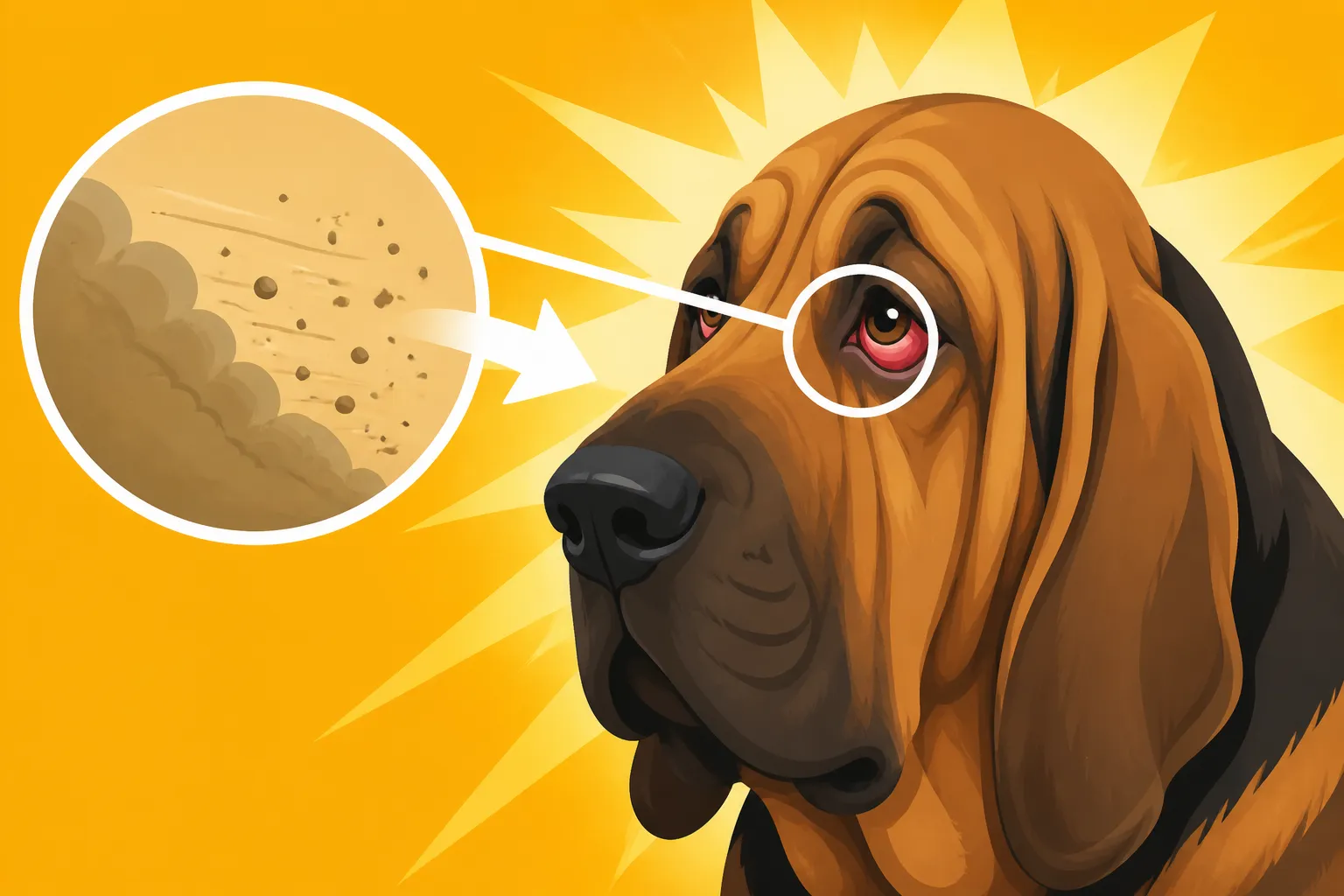
Whether Dust Reaches a Bloodhound’s Exposed Eye
It’s a common sight for Bloodhound owners: that soulful, droopy gaze, complete with eyelids that seem to hang a little looser than most other breeds. While undeniably part of their charm, these distinctive eyes often raise a very real concern—can dust and grit truly get into those exposed lower eyelids? The answer, unequivocally, is yes, it absolutely can. This guide will walk you through why your Bloodhound's eyes are so susceptible to environmental irritants, what to watch out for, and how best to protect their precious peepers.
The Unique Anatomy of a Bloodhound's Exposed Eyes
When you look at a Bloodhound, those beautiful, deep-set, and often seemingly sorrowful eyes are one of the first things that capture your attention. They are a defining characteristic of the breed, a feature integral to their image. However, this very trait, dictated by the breed standard, also presents a unique set of challenges when it comes to eye health, particularly concerning exposure to everyday environmental elements like dust.
What Ectropion Truly Means for Your Bloodhound
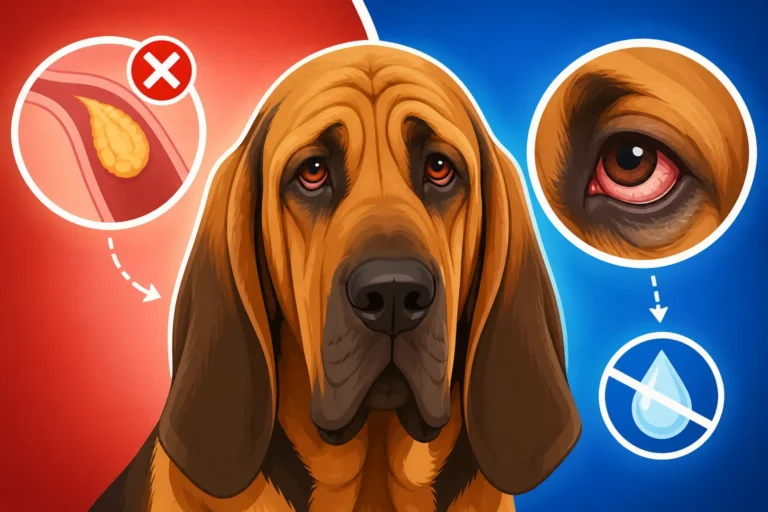
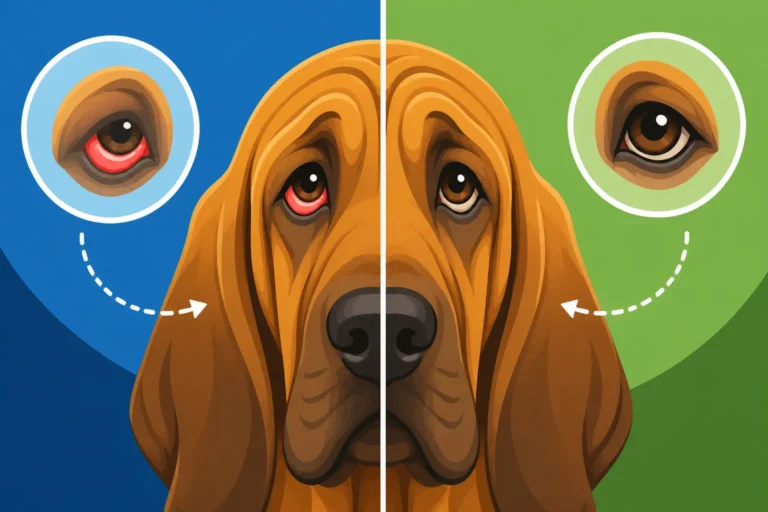
Ectropion is a condition where the lower eyelid rolls outward, turning away from the eyeball. It’s not just a cute quirk; it exposes the delicate conjunctiva (the pink membrane lining the inner eyelid) and the cornea (the clear front surface of the eye) to the elements. For Bloodhounds, this isn't always a "defect" in the pathological sense, but rather a common, often breed-specific trait. Their incredibly loose facial skin, designed to help trap scent particles near their powerful nose, extends to their eyelids. This laxity means that instead of fitting snugly against the eye, the lower lid can droop, creating a pocket or an open space that acts like a welcome mat for dust, dirt, pollen, and even stray bits of grass or fur. Unlike a normal, tight-fitting eyelid that acts as a natural barrier and windshield wiper, an ectropic lid leaves the eye vulnerable. You can really see What Ectropion Looks Like on a Bloodhound if you take a close look at your dog. This constant exposure is a big deal because the conjunctiva and cornea are meant to be kept moist and protected, not constantly assaulted by airborne particles.
The "Haw" and Its Role in Eye Exposure
That prominent, often red or pink, fleshy part you see along the lower edge of your Bloodhound’s eye? That’s the "haw," which is essentially the exposed nictitating membrane or third eyelid, alongside the exposed conjunctiva of the lower lid itself. For many other breeds, this part is rarely visible, tucked away safely. For Bloodhounds, however, it’s often very evident, a direct result of that characteristic loose skin. This isn't just about aesthetics; it's a functional issue. The exposed haw and conjunctiva lack the natural lubrication and blinking protection that the inner surface of a normally positioned eyelid would provide. This means tears evaporate faster, and any dust that lands on this moist, sticky surface tends to adhere, rather than being easily blinked away. The deeper the droop, or the more pronounced the haw, the greater the surface area available for dust and other irritants to cling to. It becomes a magnet for debris, transforming what should be a self-cleaning mechanism into a collection point. It’s important to understand that Why a Bloodhound's Lower Lid Hangs Away From the Eye is intrinsically linked to their breed characteristics.
The Inevitable Invasion: Dust and Environmental Irritants
Given the Bloodhound’s unique eye structure, it’s not a question of if dust will reach their exposed eyes, but when and how often. Our homes and outdoor environments are teeming with microscopic particles that can become major irritants for these noble hounds.
How Dust Finds Its Way In
Think about your Bloodhound's daily life. They are renowned scent hounds, often found with their noses to the ground, sniffing out fascinating trails in parks, fields, or even just around the block. This very activity, while stimulating and essential for their well-being, puts their already vulnerable eyes in direct contact with dust, dirt, and debris from the ground. A windy day can turn a simple walk into a miniature sandstorm for their eyes, sweeping up fine soil particles, pollen, and even small seeds right into those open lower lids. Indoors, it's no different. Dust bunnies under the couch, shed pet dander, lint from carpets, and even cleaning product residues can easily become airborne and settle into their eyes. If your Bloodhound loves to roll in the grass or dig in the yard, they are essentially inviting a host of foreign bodies directly into their unprotected conjunctival sacs. Every outdoor adventure, every casual stroll, and even just a vigorous shake of their head after a nap can send a cloud of irritants straight to their eyes.
The Cascade of Consequences: From Irritation to Infection
When dust, pollen, or other foreign bodies settle into a Bloodhound’s exposed eye, it kickstarts a chain reaction of potential problems. Initially, it's just plain irritation. The eye might become red, watery, and your Bloodhound might start blinking excessively or pawing at their face. This discomfort is akin to having an eyelash stuck in your own eye, but for a Bloodhound, it can be a constant struggle.
If these irritants aren’t removed, they can lead to more serious issues. Persistent rubbing can cause abrasions on the delicate corneal surface. Imagine a tiny scratch on your eyeball – painful and potentially vision-impairing. These micro-abrasions then become prime entry points for bacteria, leading to secondary infections. You might notice thick, colored discharge, increased redness, and even swelling around the eye. Furthermore, constant irritation can lead to chronic inflammation, which can affect tear production and contribute to conditions like Dry Eye in a Bloodhound. When the eye isn't properly lubricated, its natural defenses are compromised, making it even more susceptible to dust and infection. Managing these chronic issues can become quite costly, and it’s situations like these where having a good pet insurance policy, perhaps from a provider like Healthy Paws, can really make a difference, covering those unexpected and recurring veterinary expenses. It gives you peace of mind knowing you can afford the best care for your beloved hound.
Sometimes, the effects can be very subtle at first. You might just notice your Bloodhound squinting a little more, or their eyes seem slightly duller than usual. But over time, if left unaddressed, persistent irritation and subsequent infections can lead to corneal ulcers, which are extremely painful and can even threaten vision if not treated promptly. It’s a slippery slope from a bit of dust to a serious eye problem, which is why understanding the risks and being proactive is so crucial for Bloodhound owners.
Recognizing the Signs and Providing First Aid
It’s an unfortunate reality that because Bloodhounds often have perpetually "saggy" eyes, owners can sometimes overlook early signs of irritation or infection, mistaking them for the breed’s normal appearance. However, learning to differentiate between their characteristic look and a genuine problem is paramount for their comfort and long-term eye health.
Spotting Trouble: What to Look For
The key is to know your Bloodhound’s baseline. Observe their eyes daily when they are healthy and comfortable. Once you know what's normal, you’ll be much better equipped to spot when something is amiss.
Here are some common signs that dust or other irritants have caused a problem:
- Excessive Tearing (Epiphora): While some watery discharge can be normal due to their loose lids, a sudden increase or persistent stream of tears suggests irritation. The body is trying to flush something out.
- Redness: The whites of the eyes (sclera) and the exposed conjunctiva might appear noticeably redder than usual, indicating inflammation.
- Discharge: This is a big one. Normal tear discharge is clear and thin. If you see thick, yellow, green, or even cloudy discharge, it’s a strong indicator of a bacterial infection. Crusting around the eyes overnight is also a red flag.
- Squinting or Holding One Eye Shut: This is a clear sign of pain or intense discomfort. Your Bloodhound is trying to protect the affected eye from light and further irritation.
- Pawing at the Face/Rubbing Eyes: If your dog is constantly trying to rub their face on the carpet, furniture, or with their paws, they’re clearly bothered. Be careful, as rubbing can worsen the irritation or cause further damage.
- Swelling: Any puffiness around the eyelids or within the exposed conjunctiva warrants immediate attention.
- Cloudiness or Change in Corneal Appearance: This is a more serious sign. If the clear surface of the eye looks hazy, blue, or if you can see any visible scratches or white spots, it could indicate a corneal ulcer or severe inflammation.
Here's a quick reference table to help distinguish normal Bloodhound eye traits from concerning symptoms:
| Feature | Normal Bloodhound Eye | Concerning Symptom |
|---|---|---|
| Eyelid Position | Lower lid droops, exposing some haw/conjunctiva | Sudden increase in droop, lid rolled inward (entropion), or significant swelling |
| Tearing | Occasional clear watery discharge, especially when excited or after sleep | Excessive, constant tearing, thick or colored discharge, crusting |
| Conjunctiva | Healthy pink | Bright red, inflamed, swollen |
| Behavior | Relaxed, normal blinking | Squinting, pawing at face, rubbing, rapid blinking |
| Cornea | Clear, shiny | Cloudy, blue, hazy, visible scratches or white spots |
Immediate Steps for Eye Irritation
If you notice any of the concerning symptoms, don't panic, but do act quickly. Your first instinct might be to reach for anything you have on hand, but it’s crucial to use only safe and appropriate methods.
- Gentle Flushing: For initial irritation from dust, a simple saline eye wash can be very effective. Use a sterile ophthalmic saline solution (the kind for human contact lenses, without any added medications or preservatives, is usually safe, but always check with your vet first). Gently flush the eye from the inner corner towards the outer corner. The goal is to wash out any loose debris. Do not use tap water, as it's not sterile and can contain microorganisms that might worsen the situation. This is why Whether a Bloodhound's Eye Should Be Rinsed Daily often depends on individual exposure and vet advice.
- Avoid Rubbing: Prevent your Bloodhound from rubbing or scratching their eye. An E-collar (cone of shame) might be necessary if they are persistent, even if it’s inconvenient for a few days.
- Call Your Veterinarian: This is the most important step. Even if you manage to flush out some dust and the immediate symptoms subside, it's wise to consult your vet. They can properly assess the eye, check for corneal abrasions using a special fluorescein stain, and rule out any underlying infections or more serious issues like What Entropion Does to a Bloodhound's Eye, which is another common Bloodhound eye problem where the lid rolls inward. They can prescribe appropriate medications, such as lubricating drops to soothe the eye, or antibiotics if an infection has started. Early intervention can prevent minor irritation from escalating into a serious condition. Don't wait until the symptoms are severe; a quick vet check can save your Bloodhound a lot of pain and potentially prevent vision problems.
Proactive Care and Long-Term Management
Living with a Bloodhound means accepting their unique anatomical features, including those famously droopy eyes. While we can’t change their breed standard, we can certainly implement proactive care strategies to minimize the impact of dust and other environmental irritants, ensuring their eyes remain as healthy and comfortable as possible.
Daily Routine for Healthy Bloodhound Eyes
Consistency is truly key when it comes to Bloodhound eye care. Just like their glorious ears require regular attention, their eyes demand a dedicated routine to prevent problems from festering.
- Gentle Wiping: Make it a habit to gently wipe around your Bloodhound’s eyes at least once a day, and ideally after every outdoor excursion, especially if it’s dusty or windy. Use a soft, damp cloth or a specially designed pet eye wipe. Wiping from the inner corner outwards helps to remove any accumulating debris, tear stains, and moisture that can become a breeding ground for bacteria. Remember, you’re aiming to clean the surrounding skin and folds, not rub directly on the eyeball. For a deep dive into comprehensive care, check out Daily Eye Care for a Bloodhound.
- Regular Visual Inspection: Take a moment each day to simply look at your Bloodhound’s eyes. Check for excessive redness, unusual discharge, or any foreign bodies like a piece of grass stuck in the lower lid. Catching these issues early can make a world of difference.
- Consider Ophthalmic Saline Washes: If your Bloodhound spends a lot of time outdoors, particularly trailing or in dusty environments, your vet might recommend a daily or every-other-day flush with sterile ophthalmic saline. This helps to rinse out irritants before they have a chance to cause significant damage. Just be sure it’s plain saline without any additives.
- Keep Surrounding Hair Trimmed: While Bloodhounds don't have long hair around their eyes, sometimes stray hairs can grow and irritate the eye. Gently trimming these hairs, if present and causing issues, can be beneficial. Always use blunt-nosed scissors and be extremely careful, or have a professional groomer or vet do it.
- Environmental Management: Try to minimize dust in your home. Regular vacuuming (with a HEPA filter, if possible) and dusting can reduce airborne particles. During particularly windy days, consider shorter outdoor excursions or sticking to less dusty paths.
When Professional Intervention is Needed
Despite the best home care, there will be times when dust-related irritation or its consequences demand professional veterinary attention. Knowing when to escalate from home care to a vet visit is crucial.
- Persistent Symptoms: If redness, discharge, squinting, or pawing persists for more than 24 hours, or worsens despite your initial flushing, it’s time to call the vet.
- Sudden Onset of Severe Symptoms: Any sudden and severe pain, dramatic swelling, or visible changes to the cornea (cloudiness, blue haze, ulcers) constitutes an emergency. This could indicate a significant foreign body, a deep abrasion, or a rapidly progressing infection.
- Recurrent Issues: If your Bloodhound seems to constantly battle eye irritation or infections, it’s a sign that the underlying issue isn't being fully addressed. This is where your vet can investigate deeper causes, such as chronic ectropion, inadequate tear production (Dry Eye), or even allergies.
- Diagnostic Tools: During a vet visit, they can perform tests like a fluorescein stain to detect corneal ulcers or abrasions, a Schirmer tear test to check for dry eye, and even cytology of eye discharge to identify the type of infection (bacterial, fungal, etc.). These diagnostics are vital for prescribing the correct treatment.
- Treatment Options: Depending on the diagnosis, your vet might prescribe antibiotic eye drops or ointments for bacterial infections, anti-inflammatory drops to reduce swelling and pain, or lubricating drops to aid tear film quality. In cases of chronic, severe ectropion that leads to persistent problems, When a Bloodhound's Eyelids Need Surgery might be recommended. This isn't just cosmetic; it's about improving their quality of life and preventing ongoing pain and vision issues. Such surgeries can be expensive, and understanding what to expect can be helpful, especially if you're looking into Eyelid Surgery Is the Bill Bloodhound Owners Do Not Expect. This is another area where having a robust pet insurance plan, like those offered by Healthy Paws, can really alleviate the financial burden, ensuring you can say "yes" to necessary treatments without hesitation.
The Role of Surgery in Severe Ectropion
For some Bloodhounds, the degree of ectropion is so pronounced that conservative management (wiping, flushing, drops) simply isn't enough to prevent chronic irritation, recurrent infections, or corneal damage. In these cases, surgical correction becomes the most humane and effective long-term solution.
The primary goal of ectropion surgery is to reduce the excessive droop of the lower eyelid, allowing it to sit closer to the eyeball. This provides better protection for the conjunctiva and cornea, reducing their exposure to dust and other irritants. There are several surgical techniques, but they generally involve removing a small wedge of tissue from the lower eyelid to tighten it. The procedure is typically performed by a general veterinarian or, in more complex cases, by a veterinary ophthalmologist who specializes in eye surgeries.
While the idea of surgery can be daunting, it's often a relatively straightforward procedure with a good prognosis for improving the dog's comfort and eye health. Recovery usually involves a period of wearing an Elizabethan collar to prevent rubbing, along with post-operative eye drops or ointments. The cost of such a procedure can vary widely depending on your location, the vet's experience, and the complexity of the case. It's worth looking into What Ectropion Surgery Costs on a Bloodhound to be prepared. Many owners find that the long-term benefits of surgery, in terms of their Bloodhound’s comfort and reduced frequency of infections, far outweigh the initial investment. Plus, if you have pet insurance, a portion of these costs might be covered, making the decision easier for many families.
Ultimately, protecting your Bloodhound's exposed eyes from dust and irritants is an ongoing commitment. With a good understanding of their unique anatomy, a vigilant eye for symptoms, and a consistent care routine, you can help your beloved hound live a more comfortable and healthy life, free from the constant annoyance of irritated eyes.
Disclaimer
This article is intended for informational purposes only and does not constitute veterinary advice. Always consult with a qualified veterinarian for any health concerns or before making any decisions about your Bloodhound's care.