Whether a Bloodhound’s Eye Should Be Rinsed Daily
Living with a Bloodhound means getting intimately familiar with every crease, fold, and soulful glance they offer, but it also brings unique challenges, especially when it comes to their distinctive eyes. Many Bloodhound owners often wonder if their beloved companion's eyes need daily rinsing to stay healthy and comfortable. This comprehensive guide will delve into the nuances of Bloodhound eye care, helping you understand the "why," "when," and "how" of keeping those expressive peepers in top condition.
Understanding the Unique Challenges of a Bloodhound's Eyes
Those beautiful, droopy eyes that give Bloodhounds their signature melancholy look are also a source of specific health challenges. It's not just about aesthetics; these anatomical features directly impact their eye health and require dedicated attention.
Why Bloodhound Eyes Are Prone to Issues
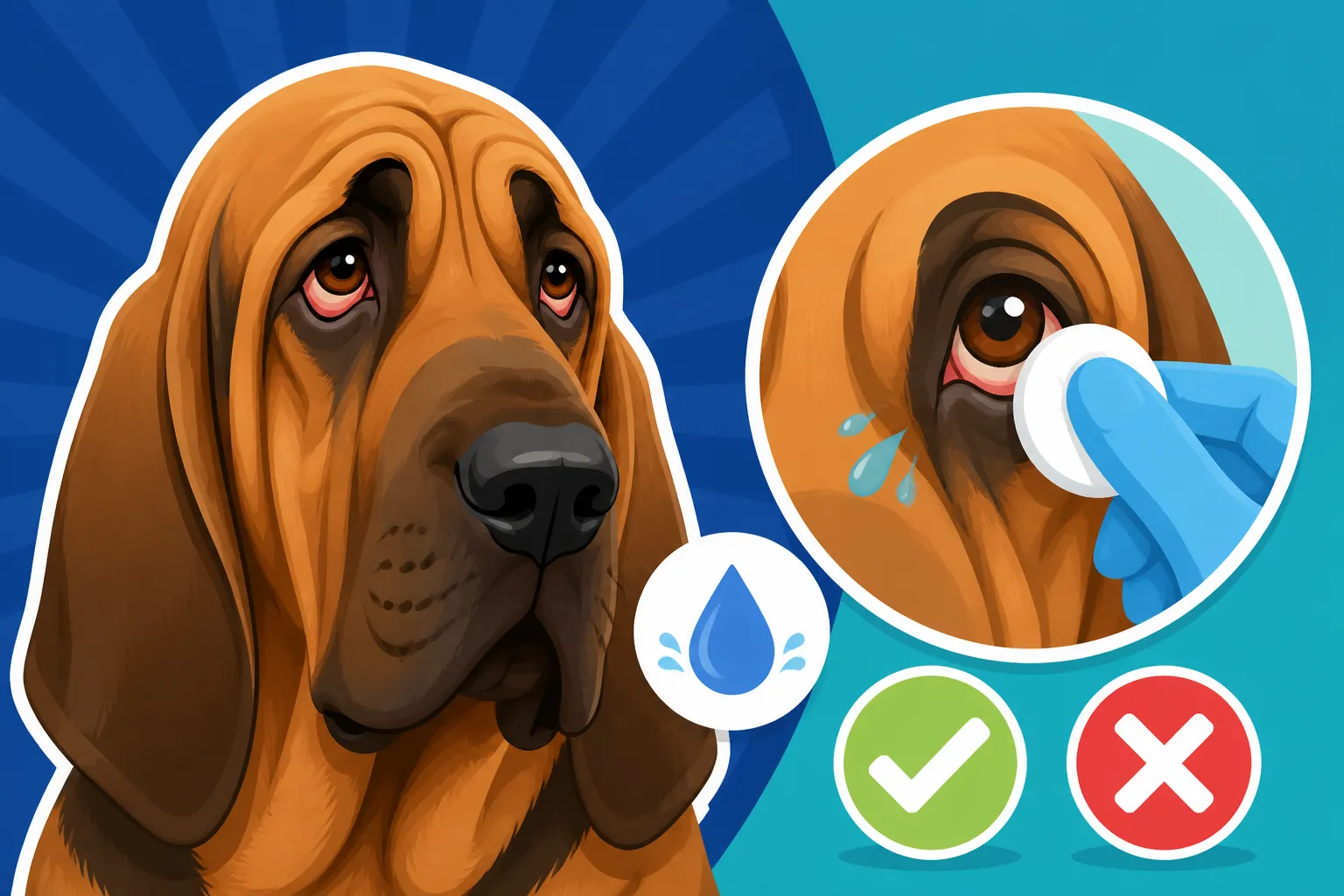
The Bloodhound's characteristic loose skin and pronounced facial folds, while integral to their scent-tracking prowess, create a perfect storm for potential eye problems. Their lower eyelids often hang away from the eyeball, a condition known as ectropion. This exposes the delicate conjunctiva (the pink lining of the eyelid) to the elements and makes it a magnet for dust, dirt, and debris. Unlike breeds with tight eyelids that offer a natural barrier, the Bloodhound's open eye structure struggles to protect itself.
This constant exposure means that irritants can easily settle in the exposed lower lid, leading to chronic irritation, redness, and discharge. Furthermore, the laxity of the eyelids can sometimes interfere with the natural flow of tears, leading to tear staining or even allowing tears to pool and become a breeding ground for bacteria. While a certain degree of drooping is considered standard for the breed and contributes to their gentle expression, it's crucial for owners to understand that it also presents an ongoing maintenance task. You can read more about Why a Bloodhound's Lower Lid Hangs Away From the Eye and Whether a Bloodhound's Drooping Lid Is a Defect or the Standard to understand these features better.
Beyond ectropion, some Bloodhounds can experience entropion, where the eyelid rolls inward, causing eyelashes to rub against the cornea. Both conditions can lead to discomfort, pain, and even more serious complications if left unaddressed. It's a constant balancing act between appreciating their unique appearance and proactively managing the health implications that come with it.
Common Eye Irritants and Their Impact
Bloodhounds are natural-born detectives, with their noses glued to the ground, constantly exploring the world through scent. This investigative nature, combined with their eye structure, means they are perpetually exposed to a multitude of environmental irritants. Picture your Bloodhound enthusiastically sniffing through tall grass, rolling in the park, or simply taking a leisurely stroll on a windy day – each scenario presents an opportunity for foreign matter to find its way into their exposed eyes.
Dust, pollen, tiny bits of grass, sand, and even microscopic chemical fumes from household cleaners or outdoor pollutants can easily accumulate in the exposed conjunctival sac of their lower eyelids. These irritants act like tiny sandpaper particles, causing immediate discomfort, redness, and excessive tearing. Over time, persistent irritation can lead to chronic inflammation, which predisposes the eye to secondary bacterial infections. You might notice your Bloodhound squinting, pawing at their face, or developing a noticeable discharge that wasn't there before.
What starts as a minor irritation can quickly escalate into something more serious, like conjunctivitis (inflammation of the conjunctiva) or even a corneal abrasion if a sharp piece of debris scratches the surface of the eye. Understanding these common irritants helps us appreciate why proactive eye care is so vital for these magnificent hounds.
Is Daily Eye Rinsing a Universal Requirement for Bloodhounds?
The question of daily eye rinsing isn't a simple "yes" or "no" for every Bloodhound. It largely depends on your individual dog's anatomy, lifestyle, and the environment they live in. Think of it as tailoring their care to their specific needs.
When Daily Rinsing Is Highly Recommended
For many Bloodhounds, especially those with pronounced ectropion or a penchant for outdoor adventures, daily eye rinsing isn't just a suggestion—it's a critical part of their routine care. If your Bloodhound is an active trailing dog, spending hours with their nose to the ground in various terrains, their eyes are constantly bombarded with dust, dirt, pollen, and other debris. In such cases, a thorough daily rinse helps flush out these irritants before they can cause significant problems.
Consider a Bloodhound that has just spent an afternoon working a trail through a dry, dusty field. Without a rinse, those accumulated particles will sit in their exposed lower lids, causing irritation that can lead to redness and discomfort overnight. Similarly, dogs prone to chronic, non-infectious eye discharge or tear staining often benefit immensely from daily rinsing, as it helps keep the area clean and reduces the build-up that can lead to further irritation or skin issues around the eyes. Living in a particularly windy or dusty region, or even having a very furry companion who sheds a lot, can also necessitate a daily regimen. Regular rinsing, performed gently, can significantly reduce the risk of minor irritations escalating into full-blown infections, saving you and your hound a lot of discomfort and potential vet visits.
When Less Frequent Rinsing Might Suffice
Not every Bloodhound needs an eye rinse every single day. If your Bloodhound primarily lives indoors, has less exaggerated facial folds, or doesn't partake in heavy-duty outdoor activities that expose them to a lot of debris, less frequent rinsing might be perfectly adequate. The key here is diligent observation. Are their eyes bright, clear, and free of excessive discharge? Are there any signs of redness, squinting, or pawing? If the answers are consistently no, then you might opt for rinsing every few days, or specifically after a particularly dusty walk or a romp in the park.
"Less frequent" doesn't mean "never," though. Even the most fastidious indoor Bloodhound can get a stray piece of dust or hair in their eye, so regular visual checks are non-negotiable. A good routine might involve checking their eyes daily and only rinsing when you see a need, such as minor discharge, a visible irritant, or after a long period outside. It's about being responsive to their immediate condition rather than sticking rigidly to a schedule if it's not truly necessary. The goal is always to maintain optimal eye health without over-medicating or over-cleaning.
The Right Way to Rinse and Care for Your Bloodhound's Eyes
Knowing when to rinse your Bloodhound's eyes is only half the battle; knowing how to do it safely and effectively is just as crucial. Using the wrong products or techniques can do more harm than good, so it's important to be prepared.
Choosing the Right Products and Techniques
When it comes to rinsing your Bloodhound's eyes, sterility and gentleness are paramount. You should never use tap water directly in their eyes, as it's not sterile and can contain chlorine or other impurities that may cause further irritation or even infection. The best choice is a sterile saline solution, similar to what people use for contact lenses, but ensure it's plain saline without any added medications or preservatives. Alternatively, your veterinarian can recommend or prescribe a specific ophthalmic eyewash designed for dogs.
Here's a step-by-step guide for effective eye rinsing:
- Gather your supplies: You'll need your chosen sterile saline or eyewash, and several clean, soft cotton pads or gauze squares. Avoid cotton balls, as fibers can shed and cause more irritation.
- Gentle restraint: Have your Bloodhound lie down or sit comfortably. A calm, reassuring tone and treats can help. You might need a second person to help hold them still initially, especially if they're not used to it.
- Lift the lower lid: Gently use your thumb and forefinger to pull the lower eyelid down and away from the eyeball, creating a small "pocket."
- Apply the solution: Hold the bottle of saline or eyewash about an inch above the eye, being careful not to touch the tip to the eye itself. Squeeze a generous amount of solution into the eye, allowing it to flush out any debris. You'll want to aim for a steady stream rather than a few drops.
- Allow blinking: Let your Bloodhound blink naturally. This helps distribute the solution and wash out irritants.
- Wipe excess: Using a fresh, clean cotton pad or gauze for each eye, gently wipe away any excess solution, discharge, or loosened debris from the corners of the eyes and the surrounding folds.
- Positive reinforcement: Always end the session with praise and a high-value treat to create a positive association with eye care.
Remember, consistency and gentleness are key. If your Bloodhound resists, take a break and try again later. For more comprehensive insights into their routine eye health, you might find guidance in Daily Eye Care for a Bloodhound.
Here's a quick reference table for safe versus unsafe eye cleaning solutions:
| Safe for Bloodhound Eyes | Unsafe / Avoid |
|---|---|
| Sterile Saline Solution (no additives) | Tap Water |
| Veterinarian-prescribed Ophthalmic Eyewash | Hydrogen Peroxide |
| Distilled Water (for emergency rinse only) | Rubbing Alcohol |
| Human Eye Drops (unless vet-approved) | |
| Peroxide-based Contact Lens Solutions |
Recognizing Signs Your Bloodhound Needs More Than a Rinse
While regular rinsing is a fantastic preventive measure, it's vital to know when a simple flush isn't enough and professional veterinary attention is warranted. Your Bloodhound's eyes are delicate, and certain symptoms indicate a more serious underlying issue that could require medication, specialized diagnostics, or even surgery. Ignoring these signs can lead to chronic pain, permanent damage, or even vision loss.
Be on the lookout for any of the following:
- Persistent or thick discharge: While clear, watery discharge can be normal, thick, yellow, green, or bloody discharge often signals an infection.
- Excessive redness or swelling: If the white part of the eye (sclera) or the eyelids are very red and swollen, it points to significant inflammation or infection.
- Squinting, blinking excessively, or holding an eye closed: These are clear indicators of pain or extreme discomfort.
- Pawwing at the face or rubbing eyes: Your Bloodhound is trying to relieve irritation, but this can worsen the problem.
- Cloudiness or visible changes to the cornea: Any haziness, white spots, or visible foreign objects on the surface of the eye are serious and require immediate veterinary evaluation.
- Sensitivity to light: Photophobia often accompanies painful eye conditions.
- Asymmetry: If one eye looks significantly different from the other (e.g., one pupil dilated more, one eye more watery), it's a red flag.
If you observe any of these symptoms, even after rinsing, it's time to call your veterinarian. These could be signs of conjunctivitis, a corneal ulcer, dry eye, or even deeper structural problems. Conditions like The Four Eye Problems a Bloodhound Is Born Toward can be inherited and often require more than just cleaning. Prompt diagnosis and treatment are crucial. Unexpected vet visits can be costly, but having pet insurance like Healthy Paws can provide immense relief, helping cover the expenses for diagnosis and treatment of such eye conditions, including potential medications or specialist referrals. Learning Signs a Bloodhound Has a Corneal Ulcer can help you react quickly if you suspect such a painful issue.
Proactive Measures Beyond Daily Rinsing
While eye rinsing is a great immediate solution for managing irritants, a holistic approach to your Bloodhound's eye health involves proactive environmental management and consistent veterinary oversight. It’s about creating an environment that supports their unique needs.
Environmental Management and Grooming Routines
Prevention truly is the best medicine, and for a Bloodhound's eyes, this means minimizing their exposure to common irritants whenever possible. Start by being mindful of their immediate surroundings. If your yard has areas with tall grass or irritating weeds, keep them trimmed down, especially where your Bloodhound likes to sniff and explore. Avoid walking your dog in very dusty construction areas or places where allergens are particularly high. During car rides, resist the urge to let them hang their head out the window, as wind can dry out their eyes and whip in debris at high speeds.
Beyond environmental control, regular grooming plays a significant role. Just as Wiping a Bloodhound's Folds Before They Sour is essential, keeping the facial folds around their eyes clean and dry is critical. These deep wrinkles can trap moisture, tears, and debris, creating a breeding ground for yeast and bacteria that can irritate the surrounding eye tissue. Gently wipe these folds daily with a soft, damp cloth and ensure they are thoroughly dried afterward. While Bloodhounds don't typically have long hair around their eyes, if any stray hairs are rubbing against their eyes, a professional groomer or vet can safely trim them. Remember, Everything on a Bloodhound Hangs Down and Has to Be Cleaned, and this certainly applies to the areas surrounding those beautiful, but delicate, eyes.
The Importance of Regular Veterinary Check-ups and Early Intervention
Even with the most diligent home care, regular veterinary check-ups are absolutely non-negotiable for Bloodhounds. Their unique anatomy predisposes them to certain ocular conditions, and a veterinarian is trained to spot subtle signs of trouble before they become glaring problems. During your annual visits, your vet will thoroughly examine your Bloodhound's eyes, checking for signs of ectropion, entropion, or other breed-specific issues that might require intervention.
Early detection of conditions like developing entropion or ectropion can prevent years of discomfort and potentially save your Bloodhound's vision. Sometimes, these conditions progress to a point where simple rinsing and drops are no longer sufficient, and surgical correction becomes necessary. Eyelid Surgery Is the Bill Bloodhound Owners Do Not Expect, but it can significantly improve your dog's quality of life, preventing chronic pain and recurring infections. For more serious cases, you might be referred to a veterinary ophthalmologist, a specialist who can provide advanced diagnostics and surgical solutions. Discussing options like When a Bloodhound's Eyelids Need Surgery with your vet early on can help you prepare. Understanding What Ectropion Looks Like on a Bloodhound and What Entropion Does to a Bloodhound's Eye empowers you to have informed conversations with your veterinarian.
Having pet insurance, such as Healthy Paws, can be an invaluable asset in these situations. It can help manage the financial burden of specialized consultations, diagnostic tests, and necessary surgical procedures, allowing you to prioritize your Bloodhound's health without added financial stress. Investing in consistent veterinary care, coupled with proactive home routines, ensures your Bloodhound's eyes remain as healthy and expressive as possible throughout their life.
Disclaimer
The information provided in this article is for educational purposes only and is not intended to be a substitute for professional veterinary advice, diagnosis, or treatment. Always seek the advice of your veterinarian or other qualified animal health provider with any questions you may have regarding a medical condition.