Why a Deep Narrow Chest Puts a Bloodhound at Risk
One of the most terrifying realities of owning a magnificent Bloodhound is the ever-present threat of bloat, medically known as Gastric Dilatation-Volvulus (GDV). It's a sudden, life-threatening condition that can turn your day upside down in a matter of hours, and sadly, their unique deep and narrow chest conformation puts them at an inherently higher risk. This guide will walk you through exactly why this anatomical feature is such a concern and what you, as a Bloodhound owner, need to know to protect your beloved companion.
The Unique Risk of a Bloodhound's Deep Chest
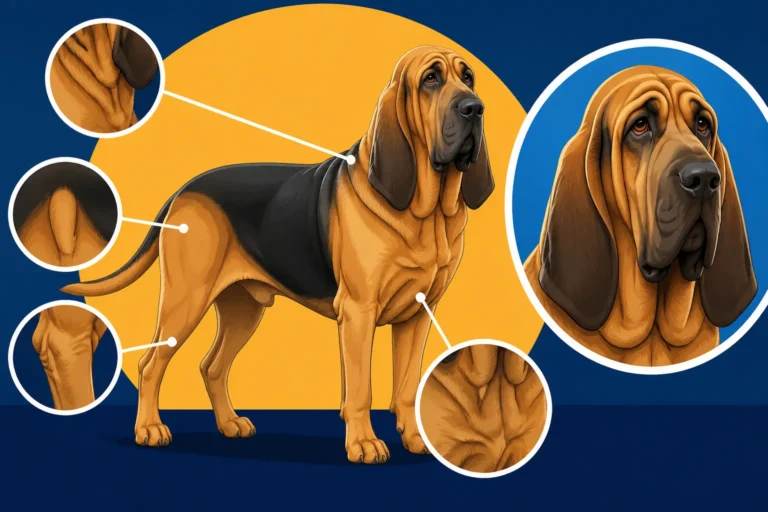
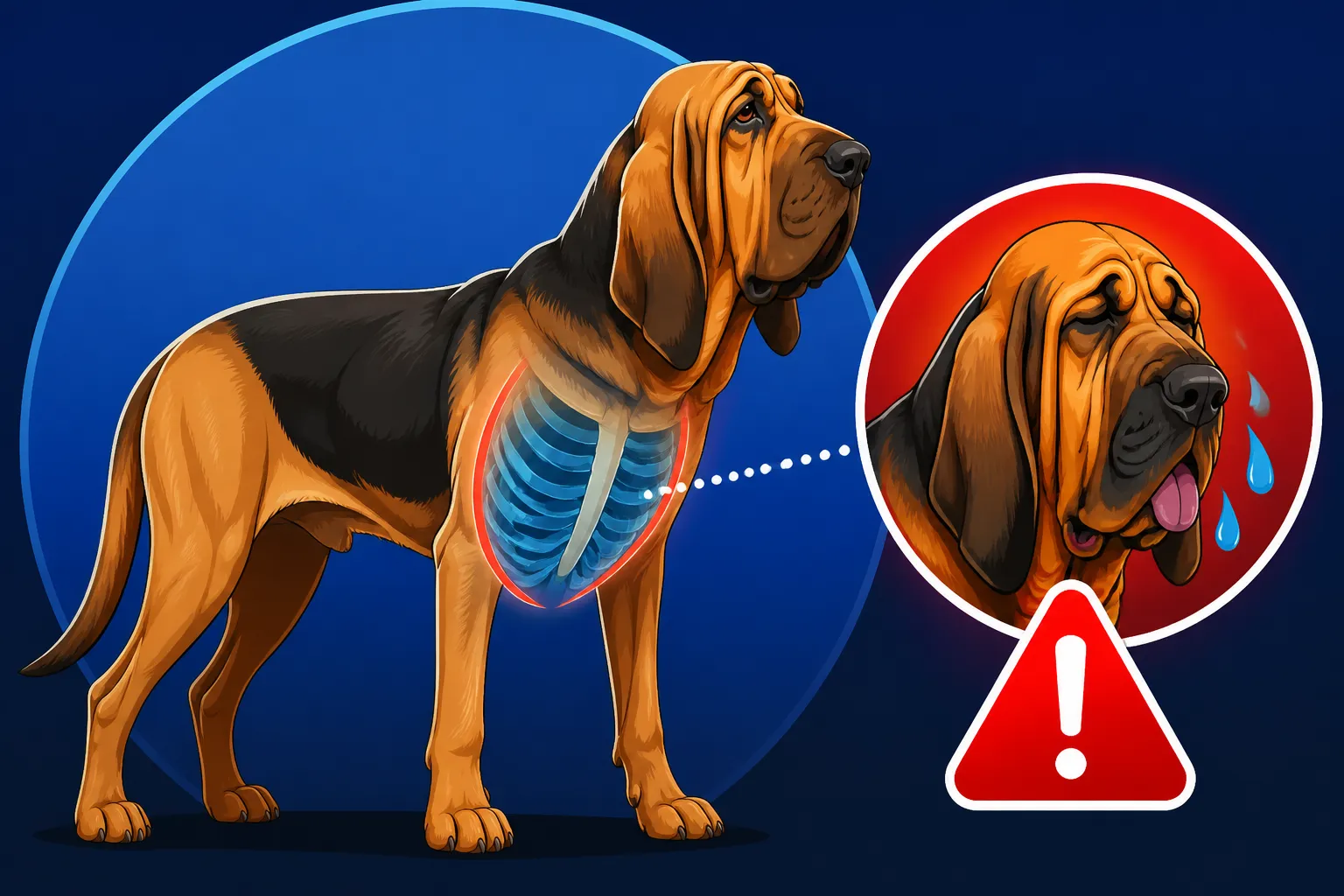
Let's be honest, those stately, deep chests are part of what gives a Bloodhound its iconic, dignified silhouette. You see it in show rings, in art, and in the images of them tirelessly working on a trail. But what looks majestic from the outside unfortunately creates a perilous internal environment. A Bloodhound’s chest is specifically designed to accommodate large lungs for endurance and powerful musculature for sustained scent work, leading to a much deeper and narrower rib cage compared to many other breeds.
Understanding the Mechanics of Bloat in Deep-Chested Dogs
When we talk about "bloat," we're not just talking about a dog with a full tummy after a big meal. We're talking about Gastric Dilatation-Volvulus (GDV), a condition where the stomach first fills with gas (dilatation) and then twists upon itself (volvulus). Imagine a balloon tied at both ends; once it twists, nothing can get in or out. This twisting cuts off blood supply to the stomach and often the spleen, leading to rapid tissue death. It also presses on major blood vessels, impairing circulation back to the heart, causing shock and organ failure.
In breeds like Bloodhounds, this deep, narrow chest creates a larger internal cavity. Think of it like a spacious ballroom where the stomach has ample room to swing and rotate. In a shallower, wider-chested dog, the stomach is more constrained, limiting its ability to twist. This anatomical predisposition means the stomach, once distended, has the physical space to flip, trapping gas, food, and fluids. The speed at which this can happen is terrifying, often progressing from mild discomfort to a critical emergency in less than an hour. Many owners wake up to find their dog in distress, or come home to a dog that's gone from fine to fading fast. This is why it’s so vital to understand How Fast Bloat Kills a Bloodhound.
Why This Conformation Became Standard
It's a bit of a cruel irony that a trait so admired in the breed standard also carries such a significant health risk. The deep chest contributes to the Bloodhound's incredible endurance and lung capacity, which are paramount for their demanding work as scent hounds. Their ability to follow an ancient trail for miles and hours on end is directly supported by the very physique that also makes them prone to GDV. Breeders have historically selected for these characteristics because they define the Bloodhound's working ability. It’s not a flaw in the sense of a genetic defect, but rather an unfortunate byproduct of traits optimized for their specific purpose. This makes the risk inherent and something every Bloodhound owner must acknowledge and prepare for.
The Interplay of Anatomy and Lifestyle Factors
While the deep, narrow chest is a primary predisposing factor, it rarely acts alone. Other elements of a Bloodhound's daily life can significantly increase the chances of bloat developing. Understanding these connections empowers you to make informed choices that might just save your dog's life.
Eating Habits and Exercise Routines
How and when your Bloodhound eats and exercises plays a huge role. For many years, we’ve heard about not exercising dogs right after they eat, and this advice is particularly critical for Bloodhounds. A full stomach, especially in a dog with a lax gastro-ligament attachment and that deep chest, is essentially a pendulum. If a dog runs, jumps, or rolls after eating, that stomach can swing violently, increasing the likelihood of it twisting.
Consider a scenario: you come home from a long day, your Bloodhound is ecstatic, you feed them, and then perhaps you let them out into the yard for a vigorous play session or a run. This routine, while common, is a high-risk gamble for a Bloodhound. Equally, a dog that gulps its food down quickly ingests a lot of air along with the meal, leading to greater stomach distension. This is why strategies like using slow feeder bowls or feeding multiple, smaller meals throughout the day are often recommended to reduce the intake of air and the sheer volume of food in the stomach at any one time.
It’s not just immediate post-meal activity that can be an issue. High-stress situations or abrupt changes in routine can also play a part. Some studies suggest that anxious dogs or those undergoing stressful events might be more prone to bloat. While the exact mechanism isn't fully understood, stress can alter gut motility and gas production, adding another layer of risk to an already predisposed anatomy.
| Factor | Impact on Bloat Risk | Bloodhound Relevance | Mitigation Strategies |
|---|---|---|---|
| Deep/Narrow Chest | Provides physical space for stomach to twist (volvulus). | Primary anatomical predisposition in Bloodhounds. | Can't change anatomy, but preventative gastropexy can secure stomach. |
| Rapid Eating | Increases air ingestion, leading to stomach distension (dilatation). | Common for enthusiastic eaters, especially large breeds. | Slow feeder bowls, puzzle feeders, split meals. |
| Post-Meal Exercise | Vigorous activity can cause a full, distended stomach to physically twist. | Very high risk for active dogs, especially those that greet owners enthusiastically. | Restrict activity for at least 1-2 hours after eating. |
| Large Meal Volume | Greater stomach distension, increasing the chances of twisting. | Bloodhounds are large dogs with hearty appetites. | Feed 2-3 smaller meals instead of one large one. |
| Stress/Anxiety | Can impact gut motility and gas production. | Some Bloodhounds can be sensitive or anxious, especially if left alone for long periods. | Maintain routine, provide enrichment, consider calming aids if anxiety is severe. |
| Age | Risk generally increases with age. | Older Bloodhounds, like all large breeds, face higher risk. | Be extra vigilant as your Bloodhound ages. |
| Genetics/Family History | Dogs with a first-degree relative (parent, sibling) who bloated are at higher risk. | Important consideration when selecting a Bloodhound puppy. Ask breeders about family history. See Whether a Bloodhound Owner Should Screen for Bloat Genetics. | Research reputable breeders who screen and track health. |
The Debate Around Elevated Food Bowls
For years, it was common advice to feed large, deep-chested dogs from elevated food bowls, with the idea that it would reduce air ingestion and therefore bloat risk. However, more recent research, most notably the large-scale Purdue Bloat Study, has actually suggested the opposite. This study found that elevated feeding might actually increase the risk of GDV in large and giant breed dogs.
The exact reasons are still being investigated, but one theory is that elevated bowls might allow dogs to eat even faster, or that the angle of eating might somehow facilitate the stomach twisting. While the findings were not definitive for all breeds or individual dogs, it has shifted veterinary recommendations away from routinely suggesting elevated bowls for bloat prevention. For a Bloodhound, it’s often safer to stick to ground-level feeding, combined with other strategies like slow feeders and multiple meals, to minimize risk. This is a perfect example of how our understanding of canine health evolves, and why it's crucial to stay informed.
Recognizing the Crisis: Signs a Bloodhound is Bloating
Given the rapid progression of GDV, recognizing the signs early is absolutely critical. This isn't a situation where you can "wait and see." If you suspect bloat, it's a genuine emergency that requires immediate veterinary attention. Trust your gut feeling, because your Bloodhound's life might depend on it.
The Tell-Tale Symptoms
The most classic signs of bloat in a Bloodhound are often:
- Non-productive retching: Your dog will try to vomit but nothing or very little (perhaps some foamy saliva) comes up. This is a crucial red flag. They are actively trying to relieve pressure but cannot because the exit is twisted shut.
- Distended abdomen: The stomach will often visibly swell, especially on the left side, just behind the rib cage. It may feel tight or drum-like when gently tapped. However, this isn't always obvious in the early stages, especially in larger, hairier dogs, or if the dog has a lot of loose skin. Do not wait for visible distension if other signs are present.
- Restlessness and discomfort: Your Bloodhound might pace, whine, try to get comfortable but can't, or look back at their abdomen repeatedly. They may be drooling excessively, panting, or have a worried expression.
- Pain: As the condition worsens, they will show signs of pain, becoming reluctant to move, groaning, or collapsing.
- Weakness and collapse: In later stages, due to impaired blood circulation and shock, the dog will become weak, have pale gums, rapid heart rate, and may collapse.
It's absolutely vital to remember that these signs can escalate quickly. What starts as restlessness can turn into collapse within a couple of hours. This is why we often stress that Signs a Bloodhound Is Bloating are non-negotiable alerts.
The Urgency of Veterinary Care
If you notice any combination of these symptoms, call your veterinarian or nearest emergency veterinary clinic immediately. Don't waste time searching for home remedies or waiting for the morning. Inform them that you suspect GDV in your Bloodhound and that you are on your way. This allows them to prepare for your arrival, gather their team, and get surgical equipment ready.
The faster a dog with GDV receives treatment, the higher their chances of survival. Emergency surgery is typically required to untwist the stomach (derotation), assess for tissue damage, and perform a gastropexy (tacking the stomach to the abdominal wall to prevent future twists). Every minute counts in these situations. Pet insurance plans, such as those offered by Healthy Paws, can be an absolute lifesaver in these moments, helping to cover the substantial costs of emergency surgery and post-operative care, allowing you to focus on your dog's recovery rather than worrying about the bill.
Proactive Measures to Protect Your Bloodhound
Knowing your Bloodhound is inherently at risk can feel overwhelming, but there are concrete steps you can take to significantly reduce the likelihood of this terrifying event. Prevention truly is the best medicine here.
Dietary Adjustments and Feeding Practices
One of the most impactful ways to lower bloat risk is by carefully managing your Bloodhound's diet and feeding routine.
- Multiple Small Meals: Instead of one or two large meals a day, consider feeding your Bloodhound two or three smaller meals. This reduces the sheer volume of food in the stomach at any given time, making it less likely to distend excessively.
- Slow Feeder Bowls: These bowls have obstructions that force your dog to eat around them, slowing down their mealtime significantly. This minimizes the amount of air they swallow, which contributes to gas build-up.
- Avoid Vigorous Exercise Before and After Meals: As mentioned earlier, a full stomach and activity are a dangerous combination. Ensure your Bloodhound rests for at least an hour before and two hours after eating. This means no vigorous play, running, or car rides immediately following a meal.
- Consistent Diet: While not as directly linked to bloat, sudden changes in diet can cause digestive upset and gas, which might contribute to risk. Stick to a consistent, high-quality large-breed dog food.
- Water Access: Always ensure fresh water is available, but try to avoid your Bloodhound gulping large amounts of water immediately after a meal or heavy exercise.
- Consider Additives (with vet advice): Some owners wonder about probiotics or digestive enzymes. While these can support overall gut health, their direct impact on bloat prevention is not definitively proven. Always consult your vet before adding supplements.
The Role of Preventive Gastropexy
For many Bloodhound owners, the most powerful preventative measure against GDV is a procedure called gastropexy. This surgical procedure involves permanently attaching the stomach to the abdominal wall, preventing it from twisting. While it doesn't prevent the stomach from dilating (filling with gas), it eliminates the life-threatening volvulus component.
Gastropexy can be performed as an elective procedure, often at the same time as spaying or neutering when the dog is already under anesthesia. This can be more cost-effective and reduces the need for an additional anesthetic event later. The recovery time for a preventive gastropexy is typically much faster and less complicated than for emergency bloat surgery. Discussing The Gastropexy Decision Every Bloodhound Owner Faces with your veterinarian is highly recommended, especially when your Bloodhound is young. It's a choice many owners make to give themselves peace of mind, knowing they've significantly reduced the most lethal aspect of bloat. This is also where an insurance plan like Healthy Paws can be beneficial, as some plans may cover a portion of elective procedures or certainly the emergency if one didn't have the gastropexy performed.
Regular Veterinary Check-ups
Routine veterinary visits are crucial for overall health monitoring. Your vet can assess your Bloodhound's weight, discuss any changes in appetite or behavior, and keep you informed about the latest recommendations for bloat prevention. They can also help you measure your Bloodhound's chest depth if you're curious about Whether a Bloodhound's Chest Depth Can Be Measured and offer personalized advice based on your dog's specific health profile. Staying proactive and having an open dialogue with your vet is the cornerstone of responsible Bloodhound ownership.
Disclaimer
The information provided in this article is for general informational purposes only and is not a substitute for professional veterinary advice, diagnosis, or treatment. Always seek the advice of your veterinarian or other qualified health provider with any questions you may have regarding a medical condition. Never disregard professional veterinary advice or delay in seeking it because of something you have read in this article.