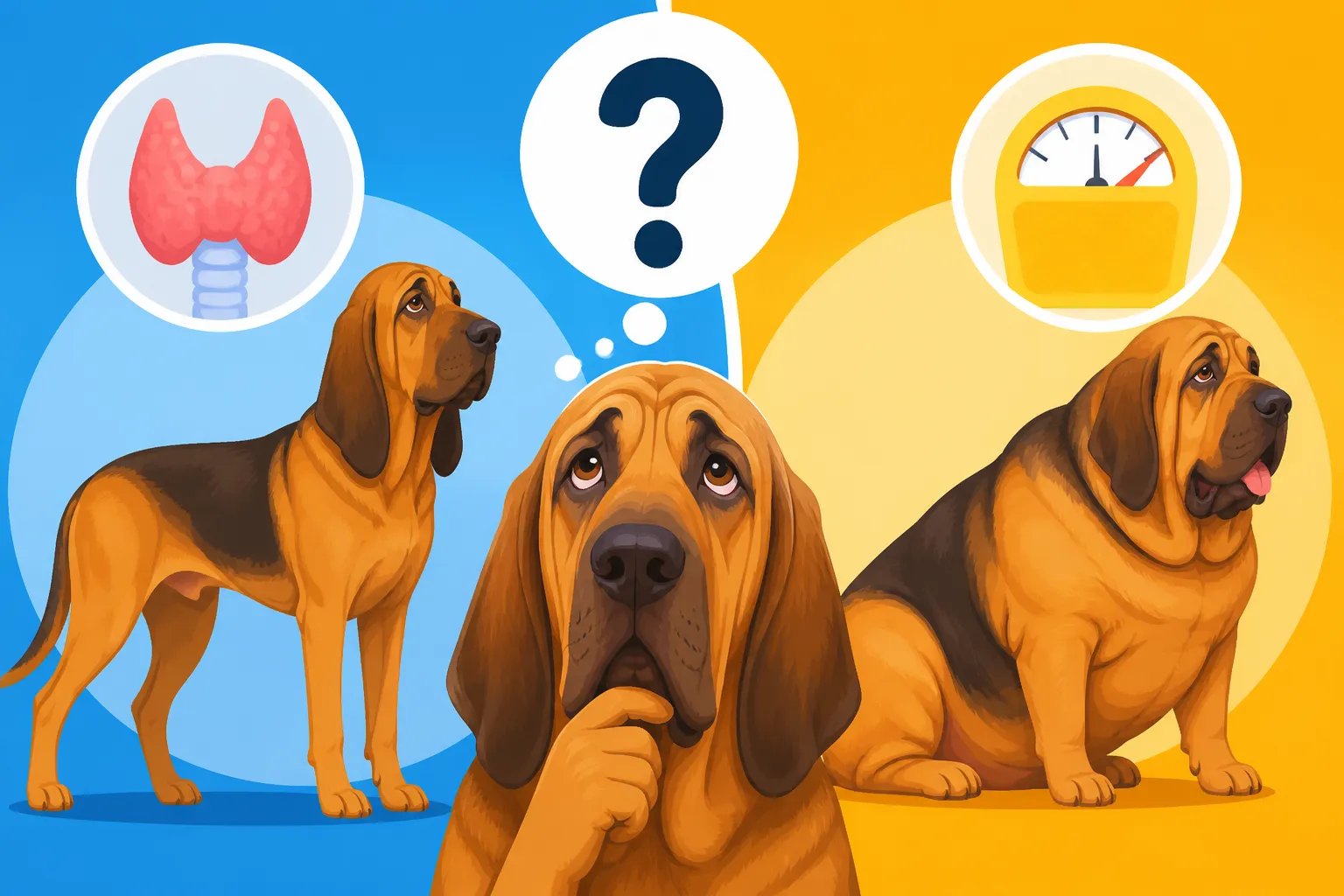
Whether a Hypothyroid Bloodhound Gains Weight
It's incredibly frustrating when you're doing everything right for your Bloodhound – feeding them carefully, getting them out for walks – and yet the numbers on the scale just keep creeping up. Many Bloodhound owners grapple with unexplained weight gain in their beloved scent hounds, often attributing it to age or simply being a "couch potato." However, sometimes, there's a more serious, underlying health issue at play, and one of the most common culprits, especially in larger breeds like ours, is hypothyroidism. This guide will help you understand the connection between low thyroid function and weight in Bloodhounds, and what steps you can take.
Understanding Hypothyroidism in Bloodhounds
Hypothyroidism is one of those silent conditions that can really throw a wrench into your Bloodhound's health without an obvious initial cause. Simply put, it means your dog's thyroid gland isn't producing enough thyroid hormone. These hormones are absolutely critical because they act like the body's internal thermostat and regulate metabolism. When they're in short supply, everything slows down.
For us Bloodhound parents, it’s particularly important to be aware of this, as our breed is genetically predisposed to developing hypothyroidism. While it can affect any dog, purebreds, and especially larger breeds like Bloodhounds, Golden Retrievers, and Doberman Pinschers, tend to be overrepresented in diagnoses. It typically manifests in middle-aged dogs, usually between two and nine years old, though we've certainly seen cases earlier or later. It's often an autoimmune disease, where the dog's own immune system mistakenly attacks and destroys the thyroid gland over time. This slow progression can make it incredibly difficult to spot in its early stages, as the symptoms can be subtle and easily dismissed as normal aging or just a Bloodhound's natural laid-back demeanor. Understanding Hypothyroidism in a Bloodhound is the first step to staying vigilant.
What the Thyroid Gland Actually Does
Imagine your Bloodhound's body as a finely tuned engine. The thyroid hormones, primarily thyroxine (T4) and triiodothyronine (T3), are the fuel regulators. They control how quickly energy is used by almost every cell in the body. This impacts everything from heart rate and body temperature to how fast food is processed and converted into energy, or stored as fat.
When the thyroid gland, located in the neck, isn't producing enough of these vital hormones, it’s like trying to run that engine on a severely restricted fuel supply. The metabolic rate drops, meaning the body burns fewer calories and energy, even when at rest. This widespread impact on cellular function explains why the symptoms of hypothyroidism are so varied and affect multiple body systems. It’s not just about weight; it’s about overall vitality and well-being.
The Insidious Link Between Thyroid Function and Weight Gain
The most common and often frustrating symptom that leads owners to suspect something is amiss with their Bloodhound's health is unexplained weight gain. This isn't just a little extra padding; it can be significant, seemingly defying any logical explanation based on diet and exercise. You might be meticulously measuring out food, providing regular walks, and yet your Bloodhound is still packing on the pounds. This is precisely where low thyroid hormones come into play.
When your Bloodhound's metabolism slows down due to insufficient thyroid hormones, their body simply doesn't burn calories as efficiently as it should. Even if they're eating the same amount of food they always have, and their activity level hasn't drastically changed, their system is essentially in "conservation mode." Those calories that would normally be used for energy are instead stored as fat. It's a cruel trick of biology, making you feel like you're failing your dog, when in reality, their body is working against them.
Why Calorie Counting Isn't Enough
Many dedicated Bloodhound owners are very careful about their dog's diet, especially given our breed's propensity for joint issues like Hip and Elbow Dysplasia in the Bloodhound where excess weight is a major aggravator. You might be feeding a high-quality food, carefully measuring portions, and avoiding table scraps. You might even be trying to feed your Bloodhound to prevent bloat, making sure they get How Many Meals a Day a Bloodhound Should Eat and carefully monitoring their post-meal activity. Yet, the weight persists.
This is where the metabolic slowdown from hypothyroidism becomes so evident. Your dog's basal metabolic rate (the energy burned at rest) has decreased. It’s not about consuming too many calories; it’s about not expending enough of the ones they do consume. This can be incredibly disheartening for owners who are already committed to Keeping a Bloodhound Lean on Purpose for their long-term health. Without addressing the underlying thyroid deficiency, no amount of diet restriction or extra walking will truly resolve the weight issue. It’s a bit like trying to fill a bucket with a hole in it – you can keep pouring in effort, but the core problem remains.
Beyond the Scales: Other Telltale Signs of Low Thyroid
While weight gain is a significant indicator, it's rarely the only one. Hypothyroidism often presents with a constellation of symptoms that, when pieced together, paint a clearer picture. These other signs are crucial to recognize because they can prompt you to seek veterinary attention even if the weight gain isn't yet alarming. Looking for Signs a Bloodhound's Thyroid Is Low can help you advocate for your pet.
Changes in Coat and Skin
One of the most noticeable, though often overlooked, symptoms affects your Bloodhound's coat and skin. Thyroid hormones are essential for healthy hair growth and skin cell turnover. With insufficient hormones, you might start to see:
- Dull, Dry Coat: The coat loses its luster, becoming coarse and brittle. It might feel different to the touch, almost straw-like.
- Excessive Shedding: While Bloodhounds do shed, an increase in shedding, or patches of thinning hair, particularly on the body and tail, can be a red flag. The hair might not regrow properly after clipping.
- "Rat Tail": A classic sign is hair loss on the tail, giving it a thin, rat-like appearance.
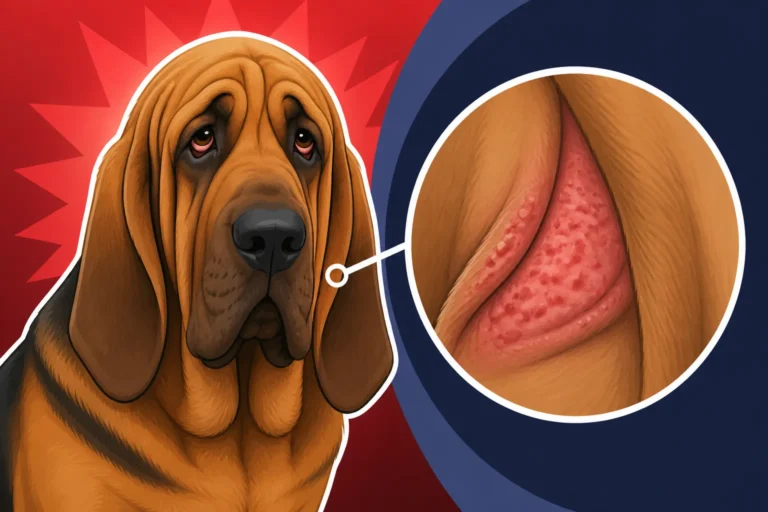
- Hyperpigmentation: The skin in areas of hair loss, or even in normally haired areas, might darken, becoming almost black.
- Thickened, Oily Skin: The skin itself can become thicker, scaly, and sometimes oily to the touch, often accompanied by recurring skin infections because the skin's natural barrier is compromised.
- Puffy Face: Some Bloodhounds develop a puffy or "tragic" facial expression due to fluid retention in the skin (myxedema).
These skin and coat changes often lead owners to treat for allergies or other dermatological issues without realizing the root cause is metabolic. This is why a comprehensive diagnostic approach is always best.
Behavioral and Energy Shifts
Beyond the physical changes, your Bloodhound might start acting differently, a shift that can be subtle at first but becomes more pronounced.
- Lethargy and Exercise Intolerance: Your once energetic Bloodhound might become noticeably less enthusiastic about walks or play. They tire easily, seem less interested in their surroundings, and spend more time sleeping. This isn't just them being a "lazy hound"; it's a genuine lack of energy at a cellular level.
- Mental Dullness: Some owners report that their Bloodhound seems a bit "off" mentally. They might be less responsive to commands, seem more sluggish in their reactions, or generally just not as sharp as they once were. This isn't a sign of intelligence decline, but rather the general slowing of bodily functions affecting cognitive processes.
- Cold Intolerance: Because thyroid hormones help regulate body temperature, hypothyroid dogs often feel the cold more intensely. They might seek out warm spots, shiver more readily, or be generally reluctant to go outside in cooler weather.
It's easy to dismiss these symptoms as just your Bloodhound getting older, especially since Aging in a Bloodhound Starts at Six. However, a noticeable decline in energy and changes in demeanor warrant a vet visit, particularly when coupled with weight gain and coat issues.
Here's a quick reference table for common signs:
| Symptom Category | Specific Signs |
|---|---|
| Weight | Unexplained weight gain, difficulty losing weight |
| Coat & Skin | Dull, dry, brittle coat, excessive shedding, "rat tail" |
| Hyperpigmentation (dark skin), thickened/oily skin | |
| Recurring skin infections, puffy facial appearance | |
| Energy & Behavior | Lethargy, reduced stamina, exercise intolerance |
| Increased sleeping, mental dullness, disinterest | |
| Cold intolerance (seeking warmth, shivering) | |
| Other (Less Common) | Slow heart rate, reproductive issues (females) |
| Anemia, cholesterol elevation |
Navigating Diagnosis and Treatment for a Hypothyroid Bloodhound
If you're noticing several of these symptoms in your Bloodhound, especially the persistent weight gain, it's time to have a serious conversation with your veterinarian. Don't just mention the weight; be sure to detail all the other subtle changes you've observed. The good news is that hypothyroidism is generally straightforward to diagnose and, more importantly, highly manageable with medication.
The Diagnostic Process
Diagnosis typically starts with a thorough physical examination and then moves to blood tests. Your vet will usually perform a basic thyroid panel, which often includes measuring total T4 (thyroxine) and TSH (thyroid-stimulating hormone) levels.
- Total T4 (TT4): This is often the first screening test. Low T4 levels can indicate hypothyroidism. However, T4 can be influenced by other illnesses (euthyroid sick syndrome) or certain medications (like steroids), so it's not always definitive on its own.
- Canine TSH (cTSH): This hormone, produced by the pituitary gland, tells the thyroid to make more T4. In cases of primary hypothyroidism (the most common type), the thyroid isn't responding, so the pituitary works overtime, leading to high TSH levels.
- Free T4 (fT4): This measures the unbound, biologically active thyroid hormone. It's less affected by other illnesses or medications and is often considered a more accurate indicator.
Your vet might also recommend a full blood chemistry panel and complete blood count to rule out other conditions and check for secondary issues like elevated cholesterol, which is common in hypothyroid dogs. It's a good idea to consider whether a Bloodhound's Thyroid Should Be Tested Yearly, especially as they age or if they show any subtle changes. Many owners find that investing in pet insurance, like a comprehensive plan from Healthy Paws, can make these diagnostic processes and ongoing treatments more financially accessible, ensuring you don't hesitate to get the tests your dog needs.
Lifelong Management and Reversing Weight Gain
Once diagnosed, hypothyroidism is managed with daily oral synthetic thyroid hormone replacement, typically levothyroxine. This medication is usually given twice a day, and it’s generally very effective. Most Bloodhounds respond incredibly well to treatment, with noticeable improvements often seen within weeks.
Here’s what you can expect with proper treatment:
- Weight Stabilization and Loss: As the thyroid hormone levels normalize, your Bloodhound's metabolism will kick back into gear. You should start to see the unexplained weight gain cease, and with continued appropriate diet and exercise, they should begin to lose the excess weight they've packed on. This is incredibly rewarding after the frustration of seeing them get heavier.
- Improved Energy Levels: Your Bloodhound will likely regain their vitality, becoming more active and engaged. They'll have the energy to enjoy their walks and playtime again.
- Healthier Coat and Skin: The changes in their coat and skin will gradually reverse. Their coat will become softer, shinier, and less prone to shedding, and any skin issues or infections will clear up.
- Better Overall Well-being: In general, you'll see your Bloodhound return to their happy, healthy self.
The treatment is lifelong, meaning your Bloodhound will need to take medication every day for the rest of their life. Regular follow-up blood tests are essential, typically 4-6 weeks after starting medication and then every 6-12 months, to ensure the dosage is correct and the thyroid levels are stable. These follow-up tests are important, and knowing that a provider like Healthy Paws often covers chronic conditions can be a huge relief for budgeting.
Remember, while the weight gain is a major concern, treating hypothyroidism isn't just about managing a number on the scale; it's about restoring your Bloodhound's overall health and quality of life. Consistent medication and veterinary oversight, sometimes supplemented by a strong pet insurance plan, are key to their continued well-being.
Disclaimer
The information provided in this article is for educational purposes only and is not intended to be a substitute for professional veterinary advice, diagnosis, or treatment. Always seek the advice of your veterinarian or other qualified animal health provider with any questions you may have regarding a medical condition.