Whether a Bloodhound Under a Thousand Dollars Is a Warning
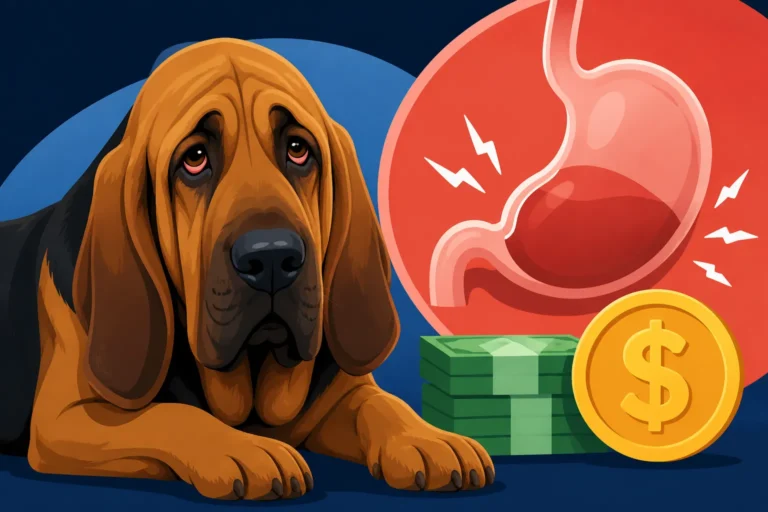
Bringing a new Bloodhound into your home is an exciting prospect, but the price tag can sometimes be a bit of a shock, leading many prospective owners to wonder if a Bloodhound offered for significantly less than typical market rates is a genuine bargain or a serious warning sign. It's a valid concern, and this guide aims to unravel the complexities behind Bloodhound pricing, helping you understand why a price under a thousand dollars might, indeed, indicate potential trouble down the road.
The True Cost of Breeding a Healthy Bloodhound
Let's be real: breeding Bloodhounds responsibly is not a cheap endeavor. Anyone who tells you otherwise probably isn't doing it right. Good breeders aren't in it to get rich; they're passionate about preserving the breed's health, temperament, and working ability. This passion comes with significant financial investment, and that investment is reflected in the price of a well-bred puppy. When you see a Bloodhound puppy advertised for less than a thousand dollars, it immediately raises a red flag about where those corners might have been cut.
Think about it from the breeder's perspective. They aren't just pairing two dogs and hoping for the best. They're meticulously selecting breeding stock, ensuring the parents are healthy, have good temperaments, and conform to the breed standard. This involves a whole host of screenings and care that accumulate costs long before puppies are even conceived.
Essential Health Screenings for Breeding Bloodhounds
Before a Bloodhound is deemed suitable for breeding, a responsible breeder will perform a battery of health tests to mitigate the risk of passing on hereditary conditions. These aren't just suggestions; they are crucial steps to ensure the well-being of future generations and are often recommended by organizations like the American Bloodhound Club.
- Hip and Elbow Dysplasia: This is a big one for large breeds like Bloodhounds. Hip and elbow dysplasia can cause debilitating arthritis and pain, leading to expensive veterinary care down the line. To screen for this, breeders typically submit X-rays of their dogs' hips and elbows to organizations like the Orthopedic Foundation for Animals (OFA) or use the PennHIP method. Each of these evaluations costs a significant amount, and they need to be done on both parents. A "good" or "excellent" OFA rating or a low PennHIP distraction index isn't just a badge of honor; it's an investment in your puppy's future mobility. You can learn more about What an OFA Hip Score Means for a Bloodhound.
- Eye Problems: Bloodhounds, with their characteristic loose skin and droopy eyelids, are prone to certain eye conditions like ectropion and entropion. These conditions can range from mildly irritating to severely painful, requiring surgical correction. Responsible breeders will have their dogs' eyes examined by a board-certified veterinary ophthalmologist. These specialized exams are not cheap, and they ensure that parents are not carrying genetic predispositions to these issues. The Four Eye Problems a Bloodhound Is Born Toward is a great resource to understand these issues.
- Cardiac Health: Heart disease can also affect Bloodhounds. Breeders often have cardiac exams performed by veterinary cardiologists, sometimes including echocardiograms, to rule out congenital heart defects. This is another specialist visit that adds to the breeder's expenses but safeguards against serious health problems. You might be surprised to learn Whether a Bloodhound Breeder Should Do Cardiac and Thyroid Too given the focus on structural issues.
- Thyroid Function: Hypothyroidism is another condition that can affect Bloodhounds, leading to issues like weight gain, skin problems, and lethargy. Thyroid panels are typically part of a comprehensive breeding health check.
Each of these tests, when done correctly by qualified professionals, represents a substantial cost. A breeder who skips these steps saves money, but at what potential cost to the puppy buyer? A low price on a puppy usually means these critical preventative measures were ignored.
The Investment in Breeding Stock and Care
Beyond health clearances, the true cost of breeding also includes the initial acquisition of quality breeding stock. A responsible breeder doesn't just buy the cheapest Bloodhound they can find; they invest in dogs from proven lines, often with a history of health and successful working or show careers. These dogs themselves command a higher price.
Then there's the cost of daily care for adult breeding dogs: high-quality food (brands like Ollie or Chewy often offer large breed formulas that are pricier), regular veterinary check-ups, vaccinations, parasite prevention, and enrichment. When a litter arrives, the expenses multiply. This includes:
- Pre-natal and Post-natal Vet Care: Ultrasounds to confirm pregnancy, potential C-sections (not uncommon in large breeds), and post-whelping check-ups for the dam and puppies.
- Puppy Care: High-quality puppy food, initial vaccinations, deworming multiple times, microchipping, and vet checks for each individual puppy.
- Time and Effort: This is priceless. Raising a litter of Bloodhound puppies is a 24/7 commitment. Socialization, early training, cleaning, and constant supervision all take immense dedication.
All of these factors contribute to why a well-bred Bloodhound puppy typically falls into a higher price bracket. If a breeder is selling puppies for under a thousand dollars, they simply aren't recouping these significant investments, which suggests they likely haven't made them in the first place.
Red Flags Associated with Low-Priced Bloodhounds
When you encounter a Bloodhound puppy for what seems like an unbelievably low price, it’s natural to feel excited. Who doesn’t love a deal? However, in the world of purebred dogs, especially a breed as complex as the Bloodhound, a low price is almost always a warning sign. It often points to practices that compromise the health, welfare, and future well-being of the puppy.
Lack of Health Screening and Guarantees
As we discussed, health screening of parent dogs is paramount. If a breeder is selling puppies cheaply, they almost certainly haven't invested in comprehensive health clearances for the parents. This means you're taking a gamble on your puppy's genetic health. What might seem like a bargain upfront can quickly turn into thousands of dollars in veterinary bills down the line for treatable, but expensive, conditions like hip dysplasia or eye surgeries.
- No OFA or PennHIP Certificates: These are not optional for responsible Bloodhound breeders. If a breeder can't readily provide copies of these certifications for both parents, walk away.
- Vague Health Guarantees: A good breeder offers a written health guarantee, typically for the first year or two of life, covering genetic diseases. A breeder selling cheap puppies might offer a very short, vague, or non-existent guarantee, knowing full well the potential for problems. They might even try to sell you a puppy with a known issue, hoping you won't notice until it's too late.
- Unscreened Parents: Some breeders might claim their dogs are "vet checked" or "healthy," but this is not the same as certified health screenings performed by specialists and submitted to registries like OFA. A standard vet check won't detect the subtle signs of developing hip dysplasia or genetic eye conditions. You definitely want to ensure that Whether a Bloodhound Should Be Screened Before Breeding.
Questionable Breeding Practices
Low prices are often characteristic of breeders who prioritize quantity over quality, running what are essentially puppy mills or backyard breeding operations. These individuals are typically focused on profit margins rather than the welfare of the dogs.
- Puppy Mill Indicators: These breeders often have multiple breeds, don't allow you to see where the puppies are raised or meet the parents, and pressure you for a quick sale. The environment is usually unsanitary, and the puppies may appear sickly or poorly socialized.
- Backyard Breeders: While not always as egregious as puppy mills, backyard breeders often lack the knowledge, resources, or dedication to health test their dogs, understand genetics, or properly socialize puppies. They might breed their "family pet" simply because they think it would be "fun" or to make a quick buck, without understanding the immense responsibility involved.
- Lack of Puppy Socialization: Puppies raised in high-volume, low-care environments often miss critical early socialization. This can lead to behavioral problems down the road, such as fearfulness, aggression, or difficulty house-training. A poorly socialized Bloodhound, despite its gentle nature, can be a handful.
The True Cost of a "Bargain"
It's a common trap: you save a few hundred dollars on the purchase price, only to face thousands in vet bills and potentially heartbreaking behavioral challenges later. Imagine adopting a puppy for $800, only to discover at 10 months old that it has severe hip dysplasia requiring surgery costing upward of $5,000 to $10,000 per hip. Or that it suffers from recurring ear infections, a common Bloodhound issue, because the parents were never screened for genetic predispositions. This is where pet insurance from providers like Healthy Paws can become a lifesaver, but it's much better to start with a healthy puppy from the outset.
Consider the potential costs:
| Area of Concern | Typical Cost (Unscreened Puppy) | Typical Cost (Well-Bred Puppy) |
|---|---|---|
| Purchase Price | Low (e.g., under $1,000) | Higher (e.g., $1,500 – $3,000+) |
| Hip Dysplasia | High surgical costs, long-term medication/therapy | Minimal, due to genetic screening |
| Eye Conditions | Surgery (ectropion/entropion), lifelong drops for dry eye | Minimal, due to genetic screening |
| Ear Infections | Frequent vet visits, prescription medications | Managed with routine care; less genetic predisposition |
| Behavioral Issues | Training, behaviorist consultations | Less likely, due to early socialization |
| Total Lifetime | Potentially significantly higher | Predictably higher initial cost, but lower overall risk |
The initial savings are rarely worth the long-term emotional and financial drain. This table starkly illustrates that A Bloodhound's Money Is Spent in the Operating Room if you're not careful.
What to Expect from a Reputable Bloodhound Breeder
A reputable Bloodhound breeder is transparent, ethical, and deeply committed to the well-being of their dogs and the breed as a whole. They understand that their responsibility extends long after the puppies leave their home. If you're looking for a Bloodhound, these are the people you want to connect with, even if their prices are higher.
Open Communication and Transparency
Good breeders welcome questions, and they'll have plenty for you too! They want to ensure their puppies go to suitable, loving homes. They'll be happy to talk about their breeding philosophy, the health history of their dogs, and how their puppies are raised.
- Interview Process: Expect to be interviewed extensively. They'll ask about your living situation, your experience with dogs, your lifestyle, and your understanding of the Bloodhound breed's unique needs. This isn't an interrogation; it's a responsible breeder doing their due diligence.
- Meet the Parents: A reputable breeder will always allow you to meet the puppy's mother, and often the father if he lives on-site. Seeing the parents gives you insight into the temperament and health you can expect in your puppy. It also shows that the dogs are part of a family, not just breeding machines.
- Tour the Facilities: They'll invite you to their home or kennel to see where the puppies are raised. The area should be clean, safe, and stimulating for the puppies.
- Health Records: They will provide you with clear documentation of all health clearances for both parents, including OFA or PennHIP certificates, eye exams from a veterinary ophthalmologist, and any other relevant screenings like thyroid or cardiac evaluations. They'll also provide a detailed health record for your puppy, including vaccination dates, deworming schedule, and microchip information.
Support and Lifetime Commitment
A responsible breeder doesn't just sell you a puppy and disappear. They view themselves as a lifelong resource and support system for their puppy buyers.
- Ongoing Support: Expect them to be available to answer questions and offer advice throughout your Bloodhound's life. This could be about training tips, dietary advice (perhaps suggesting quality brands like Chewy for supplies or Ollie for food), or behavioral quirks.
- Take-Back Clause: Many reputable breeders include a clause in their contract stating that if, for any reason, you cannot keep your Bloodhound at any point in its life, they will take the dog back. This ensures their dogs never end up in shelters or rescues. This is a huge indicator of a breeder's commitment and responsibility. It helps prevent situations where Why Bloodhounds Reach Rescue at Eighteen Months.
- Breed Club Affiliation: Most good breeders are members of national and local breed clubs, such as the American Bloodhound Club. This demonstrates their commitment to the breed standard, ethical breeding practices, and ongoing education. They adhere to a code of ethics that prioritizes the health and welfare of their dogs.
Fair Pricing and Value
While a well-bred Bloodhound puppy will have a higher price tag than one from an irresponsible source, this price reflects the immense value and investment. It's not just about the puppy itself; it's about the peace of mind that comes with knowing your dog has the best possible start in life, both genetically and environmentally.
When you invest in a Bloodhound from a reputable breeder, you're not just buying a dog; you're buying:
- Health Assurance: Reduced risk of debilitating genetic conditions, meaning fewer unexpected vet bills and a healthier, happier dog.
- Temperament Predictability: Puppies raised in a nurturing environment with well-socialized parents are more likely to have stable, good-natured temperaments.
- Expert Support: A lifelong mentor who genuinely cares about your dog's welfare.
- Ethical Practices: Supporting breeders who prioritize animal welfare over profit, contributing to the overall health of the Bloodhound breed.
Ultimately, choosing a Bloodhound is a significant commitment. While a lower price might be tempting, the long-term consequences of choosing a cheaply bred puppy can be devastating, both financially and emotionally. Prioritize health, temperament, and ethical breeding practices, and you'll find that the true value of a well-bred Bloodhound far outweighs its initial cost.
Alternatives to Buying a Puppy from a Breeder
If the price of a responsibly bred Bloodhound puppy is genuinely out of reach, or if you prefer to give a second chance to a dog in need, there are wonderful alternatives to supporting unethical breeders.
Bloodhound Rescues and Shelters
Bloodhounds, for all their charm, are a handful, and sometimes owners find themselves unable to keep them. This leads to many incredible Bloodhounds ending up in breed-specific rescues or general shelters. Adopting a rescue Bloodhound can be an incredibly rewarding experience, and the adoption fees are typically much lower than buying from a breeder.
- Lower Upfront Costs: Adoption fees usually cover initial vetting, spaying/neutering, vaccinations, and microchipping, which saves you those costs right away. While these fees are usually well under a thousand dollars, they are not a "bargain" in the way a cheap puppy from a questionable breeder might be. They represent a fair contribution to the rescue's operating costs.
- Adult Dogs: Many rescue Bloodhounds are adults, meaning they're often past the destructive puppy stage, may already be house-trained, and their adult temperament is already established. This can be a huge benefit for families or first-time Bloodhound owners.
- Known Histories: Rescues often have a good understanding of a dog's personality, quirks, and sometimes even their health history. This allows them to match you with a Bloodhound that truly fits your lifestyle.
- Making a Difference: You're giving a deserving dog a second chance and opening up space for another dog in need.
Of course, rescue Bloodhounds can come with their own challenges, such as past trauma or unknown health histories, but reputable rescues are upfront about these issues and provide support. It's also important to remember that Why Bloodhounds Reach Rescue at Eighteen Months often relates to their strong scent drive and baying, not inherent "badness."
Considering an Older Bloodhound from a Reputable Breeder
Sometimes, reputable breeders might have older puppies or retired adult Bloodhounds available for placement. These dogs have been raised with care, often have excellent health records, and are already spayed or neutered. Their price point might be lower than a young puppy, making them a more accessible option without compromising on quality or health. These situations are less common but worth inquiring about if you are speaking with a reputable breeder.
Ultimately, the decision of where to get your Bloodhound is deeply personal, but it's one that carries significant ethical and financial implications. A price under a thousand dollars for a Bloodhound puppy from an unknown source should always be a cause for concern, not celebration. Invest wisely in your future companion, whether through a reputable breeder or a dedicated rescue, and you'll set yourself up for a fulfilling partnership with this magnificent hound.
Disclaimer
This article is for general informational purposes only and does not constitute professional advice. Laws, prices and regulations vary by location and change over time. Consult a qualified professional for guidance on your specific situation.