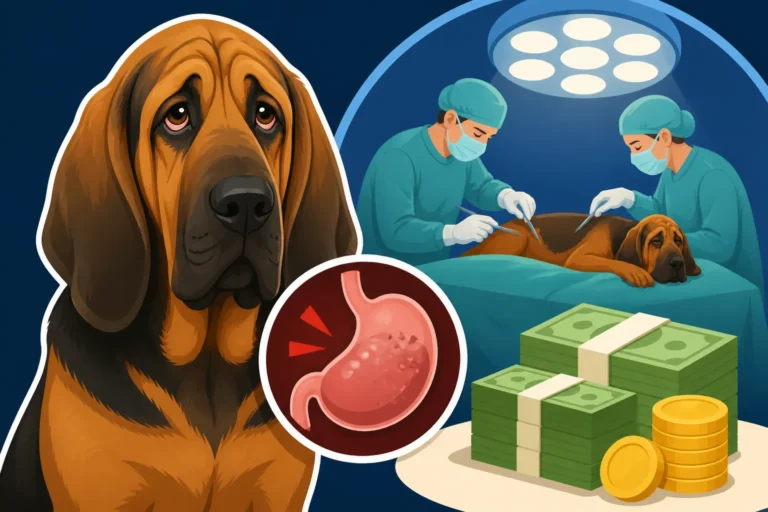
What a Bloodhound’s First Two Years Cost
Bringing a Bloodhound puppy into your home is an incredibly exciting time, filled with dreams of long walks, happy bays, and that unmistakable deep-set gaze. But let's be realistic: that excitement can quickly turn into anxiety when the bills start rolling in. Many new owners, even those experienced with other breeds, are often completely unprepared for the sheer financial commitment of the first two years with a Bloodhound. This guide is here to give you a realistic, comprehensive breakdown of what you can expect your expenses to look like during this critical period, helping you budget wisely and ensure your big-eared companion gets everything they need without breaking your bank account.
The Initial Investment: Bringing Your Bloodhound Puppy Home
The moment you decide to welcome a Bloodhound puppy, the financial journey begins. This isn't just about the purchase price; it's about setting up their entire world, ensuring they have a safe, healthy, and happy start. It's truly a whirlwind of initial outlays that can catch many by surprise.
Puppy Purchase Price and Breeder Considerations
First up, the puppy itself. The cost of a Bloodhound puppy can vary quite a bit, depending on the breeder's reputation, the puppy's lineage, and whether the parents have undergone extensive health testing. A responsible breeder will have invested significantly in their breeding stock, performing all the recommended health screenings for the breed, such as hip and elbow evaluations, eye certifications, and cardiac clearances. This investment is then reflected in the puppy's price. You might find puppies for less, but often, those come from breeders who skip these vital health checks, potentially passing on costly genetic predispositions. Always do your homework here; a cheap puppy upfront can mean a lifetime of expensive vet bills down the line. What a Health Tested Bloodhound Puppy Costs is a great resource to understand this further.
When you're looking at breeders, remember that the price isn't just for a cute face. It's for the care the mother received, the early socialization the puppies got, and the peace of mind that comes from knowing health risks have been minimized. Some breeders may even have a waitlist, indicating high demand and thorough screening processes for potential owners. Don't be afraid to ask detailed questions about their testing protocols and what kind of health guarantee they offer. This initial investment is the foundation of your Bloodhound's health and future well-being, so it's not an area to cut corners.
Essential Startup Supplies and Gear
Once you've secured your puppy, your shopping list truly begins. You'll need a suitable crate – and for a Bloodhound, that means a really big one, one that can comfortably accommodate their adult size, not just their tiny puppy self. Expect to buy a heavy-duty model, as Bloodhounds can be quite strong and determined. Beyond the crate, you'll need food and water bowls, and for a Bloodhound, considering options like a slow-feeder bowl can be crucial to prevent rapid eating, which can be a risk factor for bloat. Many owners find elevated bowls help their Bloodhounds eat more comfortably, though research on their impact on bloat risk is mixed.
Then there's the bedding, which will likely need to be tough and washable. Add in collars, leashes, and a sturdy harness, especially as you'll be doing a lot of leash training with a breed whose nose often overrules their ears. Don't forget grooming supplies like a soft brush, nail clippers or a grinder, and ear cleaning solution – their long, pendulous ears demand regular attention from day one. Chew toys, plenty of them, are an absolute must to redirect that puppy chewing away from your furniture. Initial purchases from places like Chewy can quickly add up, easily reaching several hundred dollars for all the essentials before your puppy even steps paw in your home.
Veterinary Care: A Young Bloodhound's Health Needs
The first two years of a Bloodhound's life are packed with veterinary visits. From a tiny puppy to a rapidly growing adolescent, their bodies undergo significant changes, and proactive medical care is paramount to their long-term health.
Vaccinations, Spay/Neuter, and Parasite Prevention
Your Bloodhound puppy will need a series of vaccinations during their first few months, protecting them from common and serious canine diseases. This typically involves multiple visits to the vet for their core shots, followed by boosters and rabies vaccinations. Beyond that, regular deworming and year-round parasite prevention for fleas, ticks, and heartworm are non-negotiable. These medications can be a significant monthly or quarterly cost, especially for a large breed like a Bloodhound, where doses are based on weight. You'll also need to consider spaying or neutering, usually done around six months to a year of age. The cost of this surgery can vary widely, and some owners might opt for additional procedures at the same time, such as a preventive gastropexy, which we'll discuss next. The Age a Bloodhound Should Have a Gastropexy is a useful article to read before making this decision.
It's easy to think of these as one-off costs, but remember that many parasite preventatives are ongoing prescriptions. Furthermore, each vet visit for vaccinations or check-ups will include examination fees on top of the cost of the actual treatments. Getting into a routine with your vet from day one is essential, not just for their health, but for understanding the financial rhythm of their care.
Early Screening and Potential Genetic Concerns
Bloodhounds, like many purebred dogs, are prone to certain genetic health issues. While a good breeder will have screened the parents, it's still wise to be aware of potential issues in your own dog. Hip and elbow dysplasia are concerns, and while often screened in parents, symptoms can develop in puppies. Hip and Elbow Dysplasia in the Bloodhound explains this in detail. Regular vet check-ups will monitor your puppy's gait and development, and sometimes X-rays are recommended if there are any signs of lameness.
Another significant concern for Bloodhounds is bloat, or Gastric Dilatation-Volvulus (GDV). This is a life-threatening condition where the stomach fills with gas and can twist, cutting off blood supply. Bloodhounds are particularly susceptible due to their deep, narrow chests. Many owners choose to have a preventive gastropexy, a surgery that tacks the stomach to the abdominal wall, performed while their dog is already under anesthesia for spaying or neutering. This procedure can dramatically reduce the risk of the stomach twisting, though it doesn't prevent bloat itself. The cost of this additional surgery is a serious consideration, but many view it as a worthwhile investment in preventing a potentially fatal and extremely expensive emergency. The Gastropexy Decision Every Bloodhound Owner Faces provides more context.
Emergency Fund and Insurance Considerations
Given the breed's predispositions, having a financial safety net for emergencies is not just a good idea—it's practically a necessity for Bloodhound owners. Setting aside an emergency fund specifically for your dog is crucial. Bloat surgery, for example, can be incredibly expensive, easily running into thousands of dollars, especially if it occurs in the middle of the night at an emergency clinic. What Emergency Bloat Surgery Costs on a Bloodhound vividly illustrates the financial impact.
Many owners opt for pet insurance to help mitigate these potentially astronomical costs. Providers like Healthy Paws offer various plans that can cover accidents, illnesses, and even some emergency surgeries, providing immense peace of mind. It's important to research different policies, understand what they cover (and what they don't, especially concerning breed-specific conditions or hereditary issues), and factor the monthly premiums into your budget. Waiting until an issue arises can be too late, as most policies consider pre-existing conditions. Insuring your Bloodhound puppy early is often the most cost-effective approach.
Ongoing Expenses: Feeding, Training, and Daily Life
Once the initial flurry of puppy purchases and first vet visits settles, a new rhythm of ongoing expenses takes over. These are the regular, predictable costs that make up the bulk of your Bloodhound's first two years and beyond.
Nutrition for a Growing Giant
Bloodhounds are large dogs, and large dogs eat a lot. A high-quality large-breed puppy food is essential to support their rapid growth without promoting too-fast development, which can contribute to joint problems. You'll go through bags of kibble faster than you might expect, and the cost quickly adds up. As they transition to adult food, usually around 12-18 months, the quantity might stabilize, but the quality—and associated price—should remain high. Many owners find that splitting meals into two or three servings per day can help reduce the risk of bloat, adding a bit more routine to your day but not necessarily extra cost to the food itself.
Consider subscribing to a service like Ollie for fresh food options, or buying in bulk from Chewy to save money over time. But always calculate your monthly food budget carefully; it's a significant and non-negotiable expense. Don't forget treats for training and enrichment activities – they add to the food bill too! What Feeding a Bloodhound Costs Each Month can help you get a clearer picture of these ongoing expenses.
Training and Enrichment Activities
Training is absolutely critical for a Bloodhound. Their incredible nose and independent nature mean that standard obedience might not come as easily as with other breeds. Investing in puppy classes and then more advanced training, especially focused on scent work, is highly recommended. Mantrailing Is the Answer to a Bloodhound, Not Obedience highlights this perfectly. These classes, whether in-person or online, have associated fees. Even if you self-train, you'll be spending money on high-value treats, puzzle toys, and durable chew items to keep their active minds engaged.
Beyond formal training, Bloodhounds need consistent, appropriate exercise and mental stimulation. This often means long lines for scent walks, durable toys, and potentially joining clubs or groups that offer mantrailing or nose work activities. These activities aren't just for fun; they're vital for a Bloodhound's well-being, helping to prevent boredom-driven destructive behaviors. The costs for such activities can range from minimal if you're doing them casually, to significant if you get involved in competitive scent work or certification.
Grooming and Maintenance Essentials
While Bloodhounds have a relatively low-maintenance coat, their defining features – those long ears, droopy eyes, and wrinkled skin – require daily attention. You'll need an endless supply of ear cleaning solution, cotton balls or gauze, and gentle wipes for their facial folds. Neglecting these areas can quickly lead to infections, which then incur vet bills. Cleaning a Bloodhound's Ears Every Week for Life is a testament to this routine. You'll also need dog shampoo for their baths, which might not be weekly, but certainly regular enough to warrant a good product.
Nail trims are another essential. Their thick, fast-growing nails need frequent attention to prevent discomfort and potential lameness. You might do this yourself with a grinder or clippers, or pay a groomer or vet tech to do it regularly. All these small, consistent purchases for grooming supplies might seem minor individually, but they certainly add up over two years. Think about what a snood does for a Bloodhound; it keeps those long ears out of food and water, reducing the likelihood of infection and making cleaning easier. It's a small investment that saves money and headaches in the long run.
Unexpected Costs: When Things Go Sideways
Even with the best planning and preventive care, life with a Bloodhound can throw curveballs. These unexpected costs are the ones that truly test a budget and highlight the importance of that emergency fund or robust pet insurance.
Accidents and Illnesses Beyond Routine Care
Puppies, regardless of breed, are prone to accidents. They explore with their mouths, chew things they shouldn't, and can be clumsy. A swallowed foreign object requiring emergency surgery, a sprained leg from an enthusiastic romp, or a sudden bout of gastrointestinal upset can all lead to unexpected vet visits and significant bills. These aren't unique to Bloodhounds, but their size often means higher medication dosages, longer anesthesia times, and simply more "stuff" needed for treatment, which can escalate costs.
Beyond puppy shenanigans, any illness that crops up – a persistent cough, a skin infection, or an allergic reaction – will require veterinary attention. The diagnostic tests alone (blood work, X-rays, urinalysis) can quickly run into hundreds of dollars before any treatment even begins. This is where a reliable pet insurance plan from a company like Healthy Paws can be an absolute lifesaver, allowing you to focus on your dog's recovery rather than the looming bill.
The Cost of Bloodhound-Specific Issues
We've already touched on bloat and the preventive gastropexy, but it bears repeating that if a bloat emergency does occur without a gastropexy, the cost can be staggering. This condition often strikes in the middle of the night, leading to emergency clinic fees, extensive surgery, and post-operative intensive care. The recovery can also involve follow-up appointments and special dietary needs. How Fast Bloat Kills a Bloodhound underscores the urgency and severity of this condition, and by extension, the financial pressure it brings.
Another common Bloodhound issue involves their eyes and ears. Due to their characteristic droopy eyelids (ectropion) and long, heavy ears, they are susceptible to various problems. Eye infections, corneal ulcers from dust or debris getting into their exposed eyes, or chronic ear infections are unfortunately common. A Bloodhound's Ears Are a Standing Infection Risk and The Four Eye Problems a Bloodhound Is Born Toward explain these vulnerabilities. Treating these can involve expensive prescription ear drops, eye ointments, or even surgical correction if the issues become severe or recurrent. While a simple ear infection might be relatively inexpensive to treat once, recurring infections, which are common in Bloodhounds, can add up to a significant sum over the first two years. These breed-specific health challenges often become the largest unforeseen financial drains for Bloodhound owners.
| Expense Category | Puppy (0-12 months) Estimate (Shape of Cost) | Adolescent (12-24 months) Estimate (Shape of Cost) | Notes |
|---|---|---|---|
| Initial Purchase | Significant upfront investment | N/A | Varies widely by breeder, lineage, and health testing. Responsible breeders invest more. |
| Startup Supplies | Moderate to High upfront | Minimal (replacements) | Large crate, bowls, bedding, collars, leashes, harnesses, initial toys, grooming tools. Many items for a Bloodhound need to be heavy-duty and large. |
| Vet Visits & Vaccinations | High (multiple visits) | Moderate (annual boosters, check-ups) | Multiple puppy shots, deworming, initial health checks. Spay/Neuter typically falls in this period. |
| Parasite Prevention | Moderate (ongoing) | Moderate (ongoing) | Monthly or quarterly for fleas, ticks, heartworm. Doses are weight-dependent. |
| Preventive Gastropexy | Significant (one-time if elected) | N/A (usually done with spay/neuter) | Highly recommended procedure for Bloodhounds to prevent stomach torsion. An added cost to spay/neuter. |
| Food & Treats | Moderate to High (growing puppy needs lots) | High (adult large breed portions) | High-quality large breed puppy food, then adult formula. Bloodhounds eat a substantial amount. |
| Training | Moderate to High (puppy classes, basics) | Moderate (advanced, scent work) | Puppy socialization, basic obedience, potentially advanced obedience or mantrailing classes. Ongoing mental stimulation via puzzle toys. |
| Grooming Supplies | Moderate (initial setup) | Low (replenish as needed) | Ear cleaner, wipes for folds, shampoo, brushes, nail care. |
| Pet Insurance | Low to Moderate (monthly premium) | Low to Moderate (monthly premium) | Variable by plan, deductible, and coverage. Crucial for mitigating unexpected emergencies like bloat. Healthy Paws is one option to consider for comprehensive coverage. |
| Emergency Fund | Highly Recommended | Highly Recommended | A liquid fund set aside specifically for unexpected vet emergencies or large, unforeseen expenses. |
| Miscellaneous/Replacements | Moderate (chewed items, destroyed beds) | Moderate (normal wear and tear) | Replacing damaged toys, bedding, or even household items. |
The first two years with a Bloodhound are an incredible journey, but they are also a significant financial undertaking. Being prepared for these costs, both expected and unexpected, is the best way to ensure you can provide the best possible life for your beloved hound.
Disclaimer
This article is for general informational purposes only and does not constitute professional advice. Laws, prices and regulations vary by location and change over time. Consult a qualified professional for guidance on your specific situation.