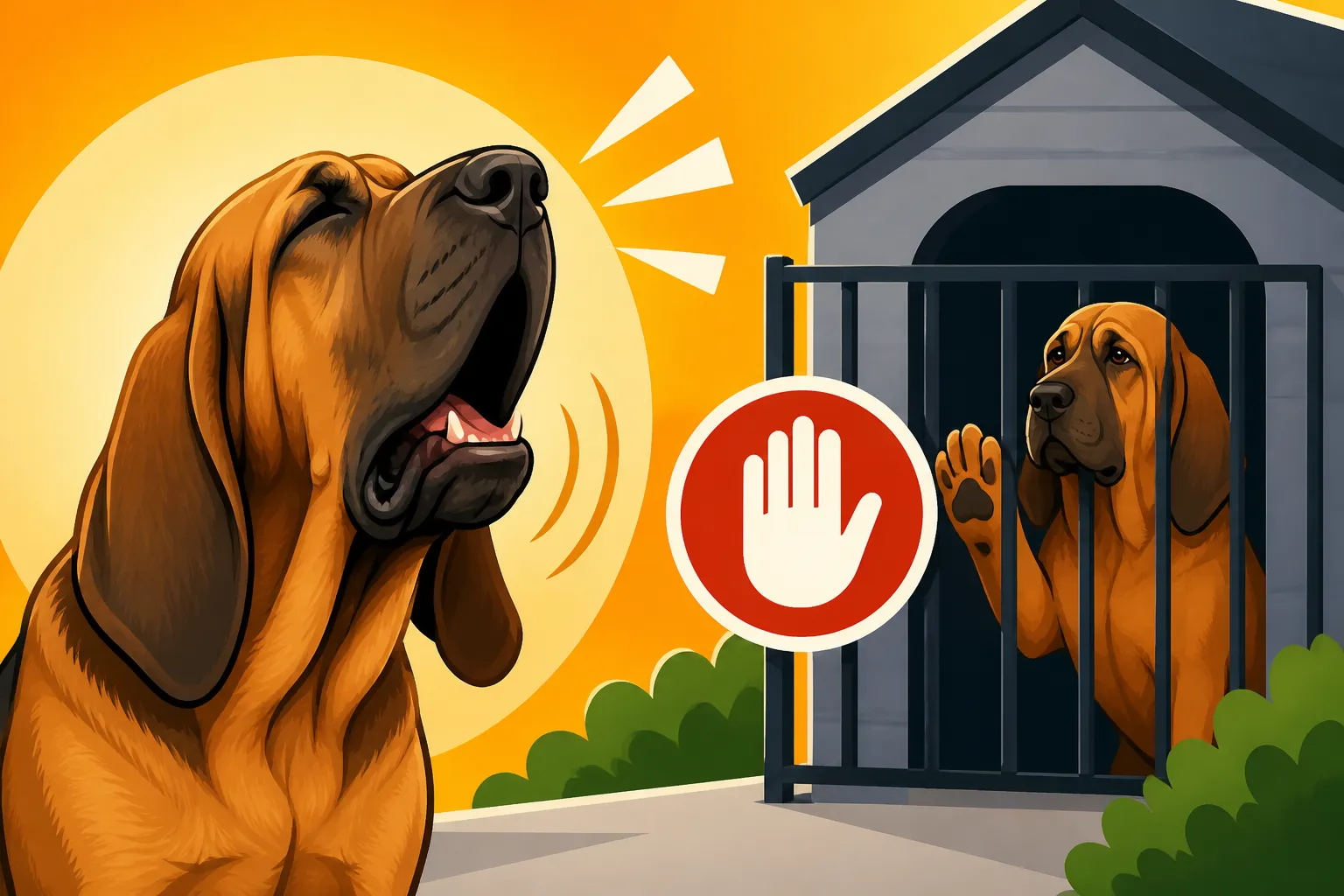
Whether Kennels Turn Bloodhounds Away for Baying
One of the biggest worries many Bloodhound owners face when planning a trip is finding a safe, comfortable place for their beloved hound to stay. It's a common, heartbreaking scenario: you call a local kennel, describe your big, lovable lug, and then drop the word "Bloodhound." Suddenly, the tone shifts, and you hear the hesitant question, "Do they… bay much?" The fear is real – many kennels, unfortunately, do turn Bloodhounds away, or at least express significant reservations, specifically because of their famously loud and persistent vocalizations. This guide is here to shed light on why this happens, what you can do to prepare, and what alternatives exist for your vocal companion.
The Reality of a Bloodhound's Baying and Kennel Concerns
Owning a Bloodhound means accepting a certain level of noise. It's part of their charm, their history, and their undeniable identity. But what's endearing to us at home can be a major challenge in a commercial boarding environment.
Understanding the Bloodhound's Unique Voice
Let's be honest, a Bloodhound doesn't just bark like other dogs. A bark is often sharp, sudden, and can be addressed with specific training. A Bloodhound bays. It's a deep, resonant, mournful sound that carries far and can be sustained for what feels like an eternity. This isn't a sign of aggression or naughtiness; it's instinctual. It's how they communicate when they're on a trail, when they're excited, or, often, when they're feeling a little lonely or anxious. Their voice is literally built for carrying over long distances, designed to alert a handler to a find. Why a Bloodhound Bays It's an ingrained characteristic that makes them incredible working dogs, but also sometimes challenging housemates and certainly challenging kennel guests.
Imagine a kennel with thirty dogs, and one Bloodhound starts to bay. That deep, booming sound doesn't just stay in their run; it vibrates through walls, echoes down corridors, and can easily trigger a symphony of barking from every other dog present. This isn't just an annoyance; it's a profound disruption. Other dogs might become stressed, leading to loss of appetite, heightened anxiety, or even behavioral issues. It's a cascade effect that a kennel manager is trying to avoid at all costs. What might seem like a manageable level of noise for an individual dog can quickly escalate into chaos for an entire facility. And while you might teach them a "quiet" cue at home, in an unfamiliar, high-stimulus environment like a kennel, that training can quickly go out the window as instinct takes over. Whether a Bloodhound Can Be Taught a Quiet Cue
Kennel Policies and Noise Thresholds
Every kennel operates under certain constraints. They have neighbors who don't appreciate a constant chorus of baying and barking, especially at night. They have other clients who expect a relatively calm environment for their pets. And they have staff who need to be able to hear and manage the dogs without constant, overwhelming noise. Because of this, most kennels have policies about "excessive barking" or "nuisance barking." While these policies are typically designed for all breeds, a Bloodhound's baying can quickly fall into that "excessive" category due to its volume and persistence. How Loud a Bloodhound's Bay Is
Smaller, family-run kennels, especially those located in residential areas, might have a much lower tolerance for noise due to proximity to homes. They might explicitly state that they cannot accommodate "barkers" or "howlers." Larger, more commercial facilities, particularly those in more industrial zones, might have slightly more leeway, but even then, a single, consistently vocal Bloodhound can push them to their limits. It's not uncommon for a kennel to give a warning call to an owner, or even ask for the dog to be picked up early if their vocalizations are causing significant issues. This is a business decision, driven by the need to maintain peace for their staff, other animal guests, and their community relations. They're trying to prevent a situation where a dog's natural behavior genuinely impacts their ability to provide care for others.
Strategies to Prevent Boarding Refusal
The good news is that being a proactive and transparent Bloodhound owner can significantly increase your chances of finding suitable boarding. It might take a bit more effort, but it's worth it for your peace of mind and your hound's comfort.
Proactive Communication and Transparency
The absolute best thing you can do is to be completely honest and upfront about your Bloodhound's vocal tendencies from your very first inquiry. Don't wait until drop-off. When you call or visit kennels, explain that you have a Bloodhound and that they are known for their deep baying, especially when left alone or in a new environment. Ask directly about their policies regarding noise and what their typical experience has been with vocal hounds.
It's helpful to visit kennels in person if possible. This allows you to observe their environment and for them to meet your dog (if allowed). A good kennel will appreciate your honesty. You might say something like, "My Bloodhound, Bartholomew, is a sweetheart, but he has a very characteristic bay. He's not aggressive, but when he gets lonely or hears something exciting, he can let out a really big sound. What are your policies on vocal dogs?" This open approach allows the kennel to assess if they can realistically accommodate your dog without issue. Some might have a specific area for more vocal dogs, or staff who are experienced with the breed. If they haven't seen a Bloodhound before, you can explain that it's less of a sharp bark and more of a sustained, deep sound. You can also offer to do a trial day of boarding to see how your Bloodhound adjusts and how their vocalizations impact the environment.
Preparing Your Bloodhound for a Kennel Stay
Preparation is key to reducing kennel stress, which in turn can reduce unwanted vocalizations. A stressed or anxious Bloodhound is far more likely to bay continuously.
- Desensitization: If possible, introduce your Bloodhound to the kennel gradually. Start with short visits, then try a half-day of daycare, building up to a full day. This helps them get used to the sounds, smells, and routine of the facility, making an overnight stay less daunting.
- Comfort Items: Pack familiar items from home. A blanket that smells like you, a favorite chew toy from Chewy, or even an old t-shirt can provide immense comfort and a sense of security in an unfamiliar place. These familiar scents can act as a calming anchor for your hound. Just be sure to ask the kennel if they allow personal items, as some may have restrictions for safety or cleaning reasons.
- Exercise, Exercise, Exercise: A tired Bloodhound is a quiet Bloodhound. Before dropping your dog off, give them a really good, long walk or a vigorous play session. Let them burn off as much energy as possible. A mentally and physically tired dog is more likely to settle down and rest, rather than baying out of boredom or pent-up energy. Remember, Bloodhounds need a good amount of exercise, but it also needs to be appropriate for their age and joint health. The Exercise Limit on a Growing Bloodhound
- Consistent Routine: If your Bloodhound has a specific feeding schedule or a particular brand of food (like Ollie, if you use a fresh food service), provide instructions and enough food for their stay. Keeping their routine as consistent as possible can help reduce anxiety.
- Crate Training: If your Bloodhound is crate trained and enjoys their crate as a safe den, inquire if the kennel can accommodate crating them in their room. A familiar crate can be a huge comfort. Whether Crate Training Suits a Bloodhound Puppy
Exploring Kennel Alternatives
Sometimes, even with the best preparation, a traditional kennel just isn't the right fit for a Bloodhound. Don't despair! There are excellent alternatives that can provide a more personalized, quieter environment.
- In-Home Pet Sitters: This is often the gold standard for vocal or anxious dogs. An experienced pet sitter comes to your home, allowing your Bloodhound to stay in their familiar environment. This minimizes stress, maintains their routine, and prevents them from potentially disturbing other animals. You can find professional pet sitters through local recommendations, online services, or even your vet. Whether a Sitter Will Handle a Bloodhound The cost might be higher than a kennel, but the peace of mind can be priceless.
- Private Boarding Homes: These are usually run by individuals who take a small number of dogs into their own homes. This can offer a more relaxed, home-like atmosphere than a large commercial kennel. These individuals are often dog lovers who understand different breeds and might be more tolerant of a Bloodhound's baying, especially if they only have a few dogs at a time. Be sure to visit their home, check references, and ensure they have adequate, secure fencing. How High a Fence a Bloodhound Needs
- House Sitters: Similar to an in-home pet sitter, but a house sitter often stays at your home for the entire duration of your trip, looking after your house as well as your pets. This provides the ultimate continuity for your Bloodhound, ensuring they are never truly alone and their routine is undisturbed.
When considering alternatives, always ask for references, ensure the sitter is insured and bonded, and have a clear contract outlining services and expectations.
What to Do if a Kennel Refuses Your Bloodhound
It's a frustrating, deflating experience to be turned away, but it's important to remember that it's usually not a judgment on your dog's character.
Don't Take it Personally: Understanding Their Perspective
If a kennel says no, try not to take it to heart. As we discussed, their decision is likely based on practical operational limits, neighbor relations, and their responsibility to other boarded animals. They might simply not have the facilities or the staffing to manage a particularly vocal dog without compromising their service to others. It's often better that they are honest upfront than to take your Bloodhound and then call you mid-vacation asking you to come pick them up. Their honesty, while disappointing, saves you potential headaches and ensures your dog isn't in an environment where they are causing undue stress.
Seeking Specialized Care or Referrals
Even if a kennel can't take your Bloodhound, they might be able to help you find someone who can. Ask if they have a list of recommended in-home pet sitters, private boarders, or even other facilities known for handling more vocal or challenging breeds. Sometimes, word of mouth within the local pet care community is the best resource.
- Veterinary Referrals: Your veterinarian or their technicians often have a network of trusted pet sitters or boarding facilities they recommend. They know your dog's personality and any specific needs, making them a great resource.
- Breed-Specific Groups: Local Bloodhound clubs or rescue organizations are invaluable resources. They are intimately familiar with the breed's quirks, including their baying, and often have a list of "Bloodhound-friendly" boarders or experienced members who offer pet sitting services. Reach out to the American Bloodhound Club or local chapters; they can provide excellent guidance. Whether a Bloodhound Rescue Screens Adopters Hard
- Networking with Other Bloodhound Owners: Connect with other Bloodhound owners in your area. They've likely faced the same challenges and can share their personal experiences and recommendations for sitters or kennels that truly understand the breed.
Remember, finding the right care for your Bloodhound might take a little extra digging, but the peace of mind knowing your vocal companion is in good hands is absolutely worth the effort.
Here's a quick comparison of boarding options for your vocal Bloodhound:
| Feature | Traditional Kennel | In-Home Pet Sitter | Private Boarding Home |
|---|---|---|---|
| Environment | Commercial facility, many dogs, unfamiliar sights/sounds | Your familiar home, minimal stress | Another private home, fewer dogs, more personal |
| Noise Tolerance | Often low, risk of refusal due to baying | High (no other dogs to disturb), only affects your household | Moderate to high (fewer dogs, understanding owner) |
| Routine Consistency | Less likely to match home routine | High, maintains all home routines (feeding, walks) | Moderate to high, can often match routines |
| Supervision | Staff on-site during hours, often less overnight | Constant (if live-in), or regular visits | Often constant, owner present |
| Cost | Generally moderate | Higher, especially for overnight stays | Moderate to high, depending on exclusivity |
| Suitability for Bloodhounds | Variable, often challenging due to vocal nature | Excellent, ideal for reducing stress and baying | Good, if owner understands and accepts baying |
| Brand Relevance (example) | (Limited direct brand relevance for baying) | Chewy (familiar toys), Ollie (consistent food), Healthy Paws (emergency care) | Chewy (familiar toys), Ollie (consistent food) |
Ultimately, finding the perfect boarding solution for a Bloodhound who loves to use their voice comes down to careful planning, open communication, and being willing to explore options beyond the conventional kennel. With a bit of perseverance, you can ensure your beloved hound is happy, safe, and well-cared for while you're away, without causing any neighborhood ruckus.
Disclaimer
This article is for general informational purposes only and does not constitute professional advice. Laws, prices and regulations vary by location and change over time. Consult a qualified professional for guidance on your specific situation.