Whether Insuring a Bloodhound Puppy Early Is Cheaper
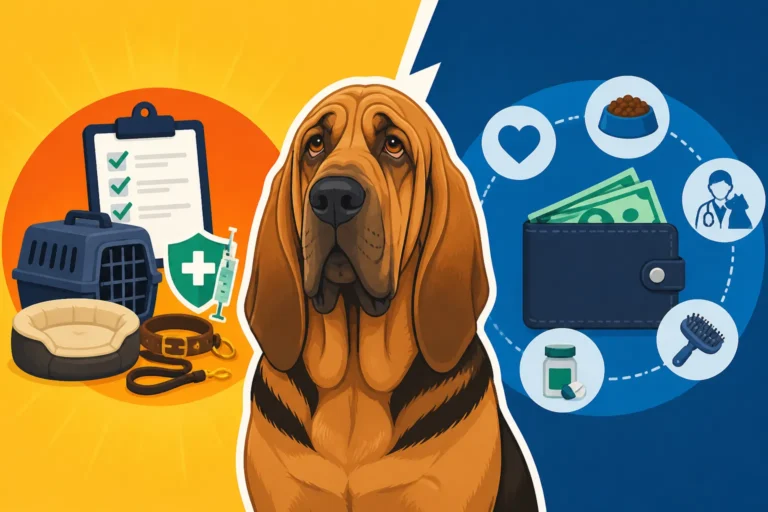
Bringing a Bloodhound puppy home is a whirlwind of joy, sloppy kisses, and realizing just how much care and planning goes into these magnificent, wrinkly hounds. One of the biggest financial questions new owners grapple with is pet insurance, and specifically, whether signing up your wiggly little fur-ball while they're still tiny saves you money in the long run. It's a valid concern, because Bloodhound ownership, as we all know, can come with some rather hefty veterinary bills down the road. This guide will explore the nuances of insuring your Bloodhound puppy and help you understand if getting coverage early truly is the more economical choice.
The Foundations of Pet Insurance for Your Bloodhound Puppy
When you first bring home that adorable, floppy-eared Bloodhound puppy, the last thing you want to think about is an emergency. But unfortunately, life happens, and with a breed prone to certain health issues, being prepared financially is just as important as having a good leash and plenty of drool rags. Pet insurance isn't just a "nice to have" for Bloodhound owners; it's practically a necessity for many, offering a financial safety net against unexpected accidents, illnesses, and even some breed-specific conditions.
Understanding What Puppy Insurance Typically Covers
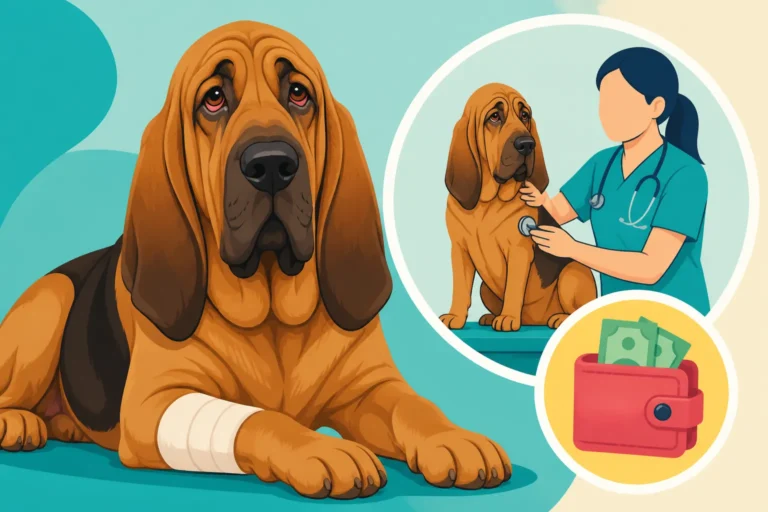
Most pet insurance plans for puppies will offer a comprehensive approach, covering a wide range of medical needs. This usually includes accidents like broken bones or ingesting something they shouldn't have – trust me, a Bloodhound's nose often leads them to trouble! It also covers unexpected illnesses, from common puppy ailments like kennel cough or parasites, to more serious conditions that can crop up later in life. Think about those urgent vet visits, diagnostic tests like X-rays or blood work, prescribed medications, and even necessary surgeries. Some policies might also include wellness add-ons for routine care, like vaccinations or annual check-ups, though these are often separate riders. It's worth remembering that policies vary wildly, so diving into the specifics of what's covered versus what's excluded is crucial.
Why Breed-Specific Risks Matter for Bloodhounds
Bloodhounds, for all their charm and incredible scenting abilities, come with their own unique set of health predispositions that can make pet insurance even more critical. Their deep chests put them at a higher risk for gastric dilatation-volvulus (GDV), commonly known as bloat, which is a life-threatening emergency. Bloat Is What Kills Most Bloodhounds is a stark reminder of this reality. Their long, heavy ears are prone to infections, their loose skin can lead to skin fold dermatitis, and their distinctive eyes are susceptible to conditions like entropion and ectropion. These aren't just minor inconveniences; they often require specialized veterinary care, potentially involving surgery and long-term medication. When considering insurance, these breed-specific risks are precisely why you want coverage in place before any symptoms arise, as they will almost certainly be excluded if considered "pre-existing" when you enroll.
Why Early Enrollment Seems Like a Smart Move (and Often Is)
It might feel like an extra expense when you're already shelling out for puppy food, toys, and vet visits, but enrolling your Bloodhound puppy in pet insurance as soon as possible often proves to be a wise financial decision for many owners. The biggest reason boils down to how insurance companies handle pre-existing conditions.
Avoiding Pre-Existing Condition Exclusions
This is the absolute cornerstone of "insuring early." Pet insurance companies, much like human health insurance, generally won't cover conditions that your dog had before the policy started or during a waiting period. For a breed like a Bloodhound, this is paramount. If your puppy shows signs of hip dysplasia – a common concern in large breeds, as discussed in Hip and Elbow Dysplasia in the Bloodhound – before you enroll, or even during the initial waiting period of your policy, any future treatment for those hips will likely be excluded. The same goes for ear infections, eye issues, or even a nascent skin fold infection. By getting coverage while your Bloodhound is young and, ideally, free of any diagnosed conditions, you give yourself the best chance of having those future issues covered should they arise. You're essentially locking in coverage before any problems can be flagged as "pre-existing," saving you potentially thousands of dollars in emergency treatments down the line. Imagine the relief of knowing you won't be paying the full cost of What Emergency Bloat Surgery Costs on a Bloodhound out of pocket because you enrolled early.
Potentially Lower Premiums Over Time
While it's not a universal guarantee, getting insurance for a young, healthy puppy can sometimes lead to lower premiums throughout their life compared to insuring an older dog. Younger animals are statistically less likely to have significant health issues, so they represent less risk to the insurer. As your Bloodhound ages, the likelihood of developing conditions like arthritis, heart disease, or cancer increases, and these factors can drive up premium costs if you wait to enroll. While premiums will naturally increase with age even if you start early, the baseline might be more favorable. It’s also worth noting that some plans might offer multi-pet discounts if you have other furry family members, or discounts for paying annually, which can further optimize costs. Many insurance providers, like Healthy Paws, make it easy to get a quote online to compare these potential savings.
Peace of Mind During the Wild Puppy Years
Let's be real, Bloodhound puppies are curious, clumsy, and often find themselves in situations that could lead to an injury. They're exploring the world with their powerful noses and not-so-graceful bodies, often leading to unexpected mishaps. That chewed sock leading to an emergency foreign body removal, or a tumble causing a sprain – these aren't rare occurrences. Having insurance in place from day one means you can seek immediate veterinary care without the added stress of a looming bill. This peace of mind allows you to focus on getting your puppy back to health, rather than agonizing over treatment costs. Early enrollment protects you from those unpredictable "puppy moments" and sets a solid foundation for managing their health care throughout their lives.
Factors That Influence Your Bloodhound's Insurance Premium (and Age is a Big One!)
Understanding what goes into calculating your pet insurance premium is key to making an informed decision. It’s not just about getting a policy; it’s about getting the right policy that offers value and robust coverage for your unique Bloodhound.
The Impact of Age, Breed, and Location
- Age: As mentioned, age is a massive factor. Puppies generally start with lower premiums than adult dogs, primarily because they have fewer pre-existing conditions. However, premiums will gradually increase as your Bloodhound ages. The good news is, if you enroll early, those initial premiums are set when they are healthiest. For specific breed health issues, like the ones covered in The Four Eye Problems a Bloodhound Is Born Toward, early enrollment can be critical.
- Breed: This is a huge one for Bloodhounds. Large, purebred dogs with known predispositions to certain health issues often have higher premiums than smaller, mixed-breed dogs. Bloodhounds are predisposed to conditions like bloat, hip and elbow dysplasia, and various eye and ear problems, which insurance companies factor into their risk assessment. They know these conditions can lead to costly treatments, like What Emergency Bloat Surgery Costs on a Bloodhound, so the premiums reflect that increased risk.
- Location: Veterinary costs vary significantly by region. A vet bill in a major metropolitan area will likely be higher than in a rural town. Insurance providers adjust their premiums based on the average cost of veterinary care in your specific geographical area.
Deductibles, Reimbursement Rates, and Annual Limits
These three components directly influence your out-of-pocket costs and, consequently, your monthly premium:
- Deductible: This is the amount you pay first before your insurance kicks in. Common deductible options might range from a couple of hundred dollars to over a thousand. A lower deductible usually means a higher monthly premium, and vice-versa. For a breed like a Bloodhound where you might anticipate needing coverage, choosing a manageable deductible is important.
- Reimbursement Rate: This is the percentage of the vet bill that the insurance company pays after your deductible is met. Typical rates are 70%, 80%, or 90%. A higher reimbursement rate means you pay less out of pocket per incident, but your monthly premium will be higher.
- Annual Limit: This is the maximum amount the insurance company will pay out in a policy year. Some plans offer unlimited annual payouts, while others have limits ranging from several thousand dollars up to tens of thousands. Given the potential for high-cost emergencies like bloat, an unlimited or very high annual limit can be incredibly reassuring for a Bloodhound owner.
| Feature | Lower Monthly Premium (Typically) | Higher Monthly Premium (Typically) |
|---|---|---|
| Deductible | Higher | Lower |
| Reimbursement Rate | Lower (e.g., 70%) | Higher (e.g., 90%) |
| Annual Limit | Lower/Limited | Higher/Unlimited |
| Pet's Age | Young Puppy | Older Dog |
| Coverage Type | Accident-only | Comprehensive with wellness |
Comparing Providers and Policy Details
It's tempting to just pick the first provider you see, but a little research goes a long way. Companies like Healthy Paws, for instance, are known for their comprehensive accident and illness plans, often with unlimited annual payouts, which can be a huge benefit for a Bloodhound. Always compare quotes from several providers and read the sample policies carefully. Look beyond just the monthly cost. What are the waiting periods for accidents and illnesses? Are there any breed-specific exclusions? What is their policy on bilateral conditions (e.g., if one hip is dysplastic, will they cover the other if it develops later)? Understanding the fine print now can prevent heartbreak and financial strain later. You might also want to check if they offer direct payment to vets, or if you always pay upfront and get reimbursed, which can impact your immediate cash flow during an emergency.
Navigating Common Concerns and Making the Best Decision
Even with all the information, making the final decision about pet insurance for your Bloodhound puppy can feel overwhelming. There are valid concerns about cost versus benefit, and whether it's truly the best financial strategy.
Is It Always Cheaper to Start Early?
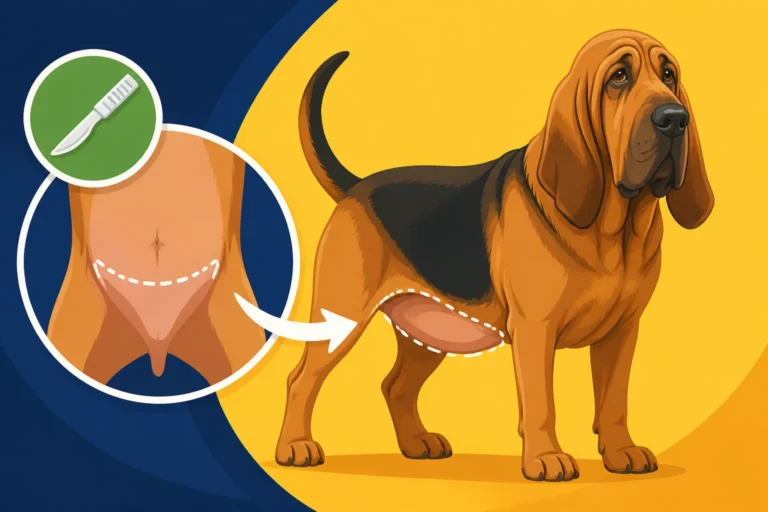
While the general consensus points to early enrollment being more beneficial and potentially leading to lower overall lifetime costs, there are nuances. No one can predict the future, and some Bloodhounds live long, healthy lives with minimal vet intervention. However, for a breed with such well-documented health vulnerabilities, the risk of needing expensive care is significantly higher than for many other breeds. The "cheaper" aspect isn't just about the monthly premium; it's about avoiding the catastrophic bills of uncovered pre-existing conditions. For example, if your Bloodhound develops bloat at age two, and you waited until then to insure them, that life-saving surgery (which can easily run into thousands) would almost certainly not be covered. You'd be on the hook for the entire bill. In that scenario, the cumulative premiums paid since puppyhood would likely pale in comparison to the single bloat surgery cost. This is why The Case for Tacking a Bloodhound's Stomach Down Early is such an important consideration for many owners, and how insurance can factor into that decision.
What if My Puppy Already Has a Condition?
This is where the "pre-existing condition" clause hits hard. If your Bloodhound puppy already has a diagnosed condition when you enroll, or shows symptoms during the waiting period, that specific condition (and related conditions) will likely be excluded from coverage. This doesn't mean insurance is useless; it can still cover future unrelated accidents or illnesses. For instance, if your puppy has a mild case of ectropion (droopy eyelids) already, as detailed in What Ectropion Looks Like on a Bloodhound, that might not be covered, but a broken leg would be. Some conditions, if deemed "curable" and symptom-free for a certain period (e.g., 6-12 months, depending on the insurer), might eventually become eligible for coverage, but this is rare for chronic or genetic issues. It truly underscores the importance of getting coverage while your Bloodhound is in peak puppy health.
The Role of an Emergency Fund vs. Insurance
Many financially savvy individuals advocate for an emergency fund instead of, or in addition to, insurance. For Bloodhounds, having both is often the most robust approach. As discussed in Whether a Bloodhound Owner Needs an Emergency Fund, unexpected costs can crop up. An emergency fund can cover your deductible, the percentage of the bill not reimbursed by insurance, or minor issues that don't meet your deductible. Insurance, on the other hand, protects you from those truly catastrophic, multi-thousand-dollar events that could quickly deplete an emergency fund. For example, What a Bloodhound's Bloat Surgery Bill Comes To is often an amount that would wipe out a modest savings account. Think of your emergency fund as your first line of defense and pet insurance as your heavy artillery against major medical crises.
When you're stocking up on all your Bloodhound puppy essentials, from durable chew toys found on Chewy to high-quality food options like Ollie, remember to include pet insurance in your budget. It's an investment in your Bloodhound's future health and your peace of mind. By enrolling your Bloodhound puppy early, you're not just buying a policy; you're securing a financial shield against the unexpected challenges that can arise with this wonderful, but sometimes medically complex, breed.
Disclaimer
This article is for general informational purposes only and does not constitute professional advice. Laws, prices and regulations vary by location and change over time. Consult a qualified professional for guidance on your specific situation.