Whether Crate Training Suits a Bloodhound Puppy
The arrival of a Bloodhound puppy in your home is a whirlwind of floppy ears, boundless curiosity, and a nose that wants to investigate everything. It's a truly joyous, if slightly chaotic, experience. One of the most common questions new Bloodhound parents grapple with is whether crate training, a practice often misunderstood, is truly suitable for these magnificent hounds. Many worry it's restrictive or unkind, but in reality, a properly introduced crate can become an invaluable tool, a safe haven, and a cornerstone of successful house training and behavior management for your Bloodhound puppy. This guide will walk you through why crate training isn't just suitable, but often essential, for a Bloodhound, and how to implement it positively.
Understanding the Bloodhound Puppy Temperament
Before we dive into the "how-to" of crate training, it’s crucial to understand the unique characteristics of a Bloodhound puppy. These aren't your average "eager to please" golden retrievers. Bloodhounds are a breed with a specific purpose, and their temperament is hard-wired for that work. Knowing what makes them tick will help you approach crate training with the right mindset.
The Bloodhound's Innate Drive and Independence
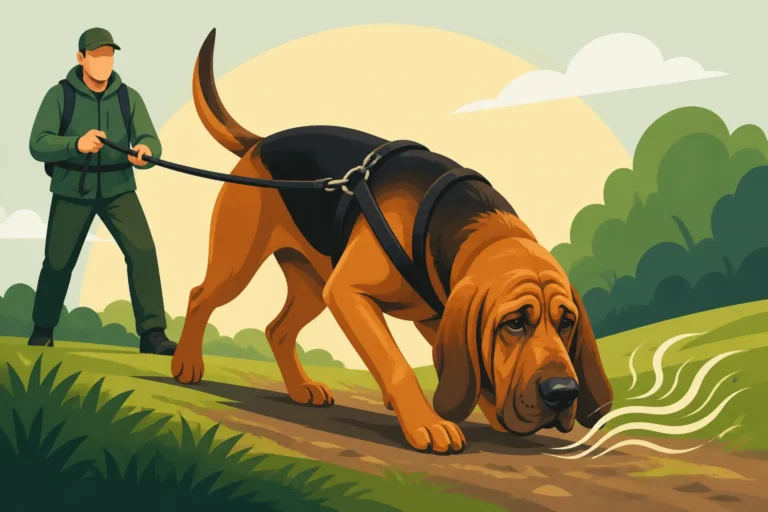
Bloodhounds are scent hounds, first and foremost. Their world is dictated by their nose, and it's a powerful, all-consuming drive. From the moment they're born, their instincts tell them to follow a trail, unraveling the story of every scent they encounter. This deep-seated drive often translates into an independent nature. When a Bloodhound puppy locks onto a scent, whether it's the forgotten crumbs under the couch or the faint trail of a squirrel in the yard, the rest of the world fades away. Your calls, your cues, even a clap of the hands might register as mere background noise. This isn't stubbornness; it's intense focus. This independence means that leaving a young Bloodhound puppy unsupervised, even for a few minutes, can lead to all sorts of mischief, from disappearing socks to unexpected puddles. Their single-mindedness, which is so valuable on a trail, makes them quite the handful in an unstructured home environment.
House Training Challenges and the "Nose First" Mentality
House training a Bloodhound puppy can sometimes feel like an uphill battle, especially if you're comparing them to breeds known for their quick grasp of bathroom etiquette. Their impressive noses are often the culprit. Where another puppy might quickly learn that the living room rug isn't the toilet, a Bloodhound puppy might be so engrossed in sniffing out a fascinating dust bunny or an old dropped crumb that they simply forget what they're doing until it's too late. They aren't trying to be defiant; they're just easily distracted by the rich tapestry of scents that make up your home. This "nose first" mentality means that relying solely on supervision might not be enough. They need clear boundaries and consistent routines to help them understand where and when to relieve themselves. This is where the structured environment of a crate truly shines, providing a defined space where they're less likely to have accidents. You can read more about this in How Long House Training a Bloodhound Puppy Takes.
Chewing and Destruction: The Curious Mouth
Bloodhound puppies are generally not known for being exceptionally destructive compared to some other breeds, but don't let their gentle demeanor fool you. They are large, powerful dogs, and a bored or unsupervised Bloodhound puppy can absolutely wreak havoc. Like all puppies, they explore the world with their mouths, and their strong jaws are more than capable of tearing apart furniture, chewing electrical cords, or ingesting household items that could be dangerous. Their heavy jowls and powerful bite mean that what might be a minor chew mark from a smaller dog could be significant damage from a Bloodhound. This chewing phase, combined with their curious nature and ability to reach counters, means that having a secure place where they can safely be confined when you can't actively supervise them is not just convenient, but a matter of safety for both your belongings and your puppy. You'll quickly learn that a Bloodhound's reach is impressive, and anything left on a coffee table is fair game.
The Benefits of Crate Training for a Bloodhound
Given their unique temperament, it becomes clear that crate training isn't just suitable for a Bloodhound; it's incredibly beneficial. It provides structure, safety, and a sense of security that these independent, scent-driven dogs truly thrive on when introduced correctly.
A Safe Haven and Den Instinct
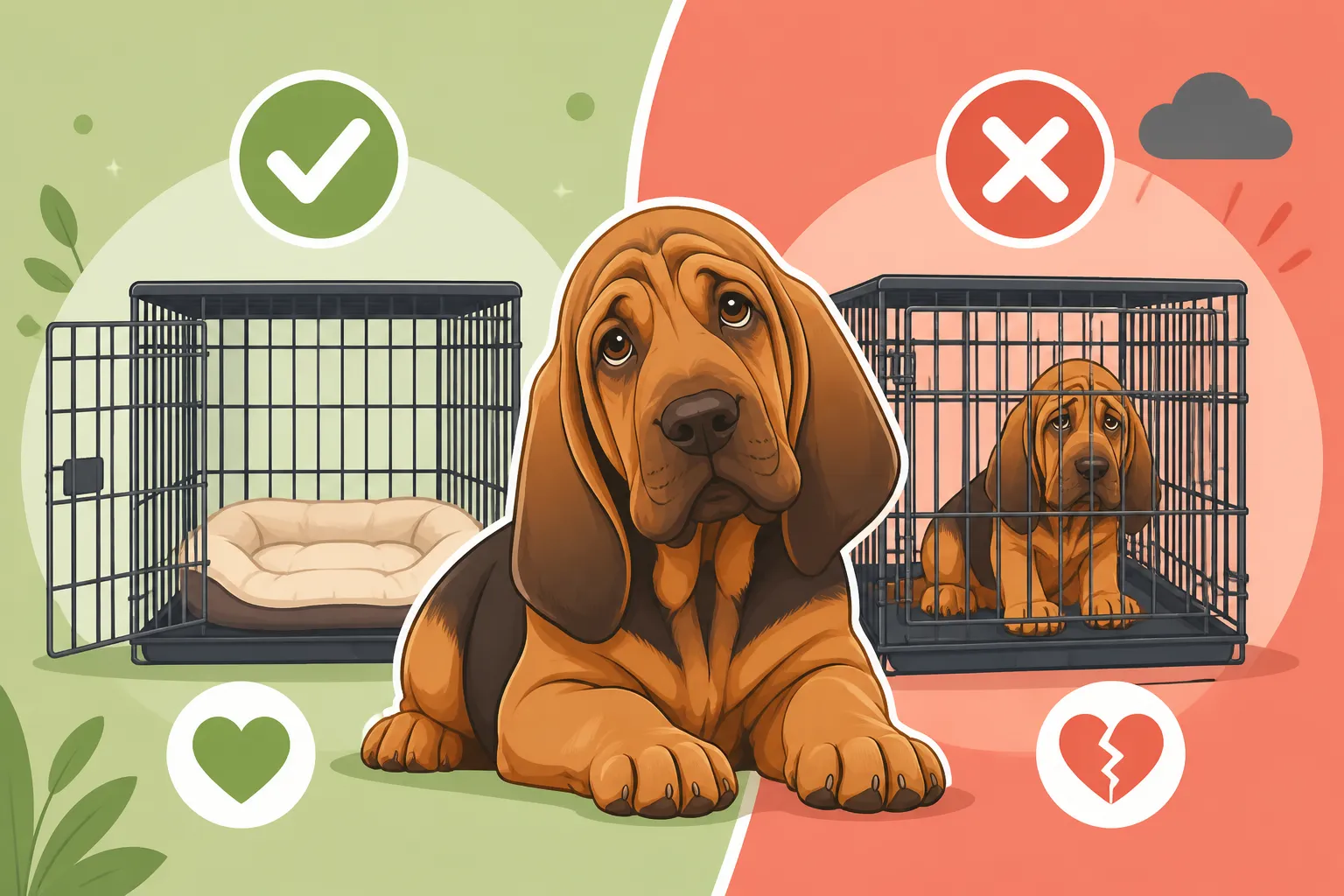
Dogs are den animals by nature. In the wild, they seek out small, enclosed spaces that offer protection and a sense of security. A crate, when introduced positively, taps into this innate den instinct. It shouldn't be a place of punishment, but rather a cozy, personal sanctuary where your Bloodhound puppy feels safe and can relax. For a breed that can sometimes feel overwhelmed by too much open space or constant stimulation, a crate offers a calm retreat. Imagine a busy household with kids and other pets – your Bloodhound puppy can retreat to their crate for quiet time, knowing they won't be disturbed. This den provides comfort, especially during times of stress, like thunderstorms or fireworks, or simply when they need a good nap away from the hustle and bustle. It becomes their own room, a private escape, rather than a jail.
Indispensable for House Training
This is perhaps the biggest and most immediate benefit for a Bloodhound puppy. Dogs naturally prefer not to soil their sleeping areas. By leveraging this instinct, a crate becomes the single most effective tool for house training. When your Bloodhound puppy is in their crate, they're less likely to have an accident. This allows you to manage their bathroom schedule effectively.
Here’s how it works:
- Scheduled Potty Breaks: When your puppy wakes up, immediately take them outside to their designated potty spot. Reward heavily when they go.
- Supervised Freedom: After they've done their business, they get supervised time out of the crate. This means you are actively watching them, ready to interrupt any squatting behavior and rush them outside.
- Crate Time: If you can't supervise them 100% (and let's be honest, who can?), or if you need to leave the house, they go into their crate. This prevents accidents in the house.
This cycle teaches your Bloodhound puppy bladder and bowel control and reinforces that outside is the proper place to eliminate. It prevents the constant clean-up routine that can lead to frustration and makes house training a much smoother process.
Managing Destructive Chewing and Counter Surfing
Bloodhounds, with their size and curious nature, can quickly become experts at counter surfing and destructive chewing if left to their own devices. A crate acts as a physical barrier, preventing them from accessing forbidden items or areas when you're not there to supervise. Think about it: during puppyhood, their world is a giant chew toy. Leaving them in a secure crate with appropriate chew toys (like a durable Kong filled with peanut butter or a sturdy Nylabone) protects your furniture, shoes, and even your walls. More importantly, it protects your puppy from ingesting something harmful like cleaning supplies, small objects that could cause an obstruction, or electrical cords. This isn't about punishment; it's about setting them up for success and keeping them safe. This management is especially critical during those adolescent months when they're testing boundaries and growing into their considerable size. What a Bloodhound does with an empty afternoon can often be quite creative, and not in a good way for your home.
Travel and Vet Visits
Imagine trying to travel with an untrained, un-crated adult Bloodhound who weighs over 100 pounds. It could be incredibly stressful for both of you. A Bloodhound that is accustomed to its crate will view it as a normal, comforting part of its routine, even when the environment changes. This makes car trips, stays at pet-friendly hotels, or even just waiting patiently at the vet's office significantly less stressful. When the crate is a positive place, it offers a sense of familiarity and security in new or potentially frightening situations. For instances like What a Bloodhound's Night in Intensive Care Costs, where your dog might need to stay overnight at a veterinary clinic, a dog that is comfortable and calm in a crate will recover much better than one stressed by confinement. It's a skill that pays dividends throughout their entire life.
Practical Steps for Crate Training Your Bloodhound Puppy
Crate training isn't a "shove them in and close the door" situation, especially with an intelligent and sometimes independent breed like a Bloodhound. It requires patience, consistency, and a positive approach.
Choosing the Right Crate Size and Type
The first step is selecting the appropriate crate. For a Bloodhound puppy, you'll need a large crate, built to accommodate their adult size, which can be considerable. What an Adult Male Bloodhound Weighs can give you an idea of the scale you're aiming for. However, for a puppy, the crate shouldn't be so large that they can use one end as a sleeping area and the other as a bathroom. This defeats the purpose of house training.
- Size: Look for a crate that allows your Bloodhound puppy to stand up, turn around, and lie down comfortably. As they grow, you'll need to adjust the space. Many large crates come with a divider panel that you can move as your puppy grows, gradually increasing the usable space.
- Type:
- Wire crates are popular, offering good ventilation and visibility. They're easy to clean and often foldable for transport. You can purchase these easily on platforms like Amazon.
- Plastic crates (often called "airline approved") offer more of a den-like feel, as they're darker and more enclosed. They're also sturdy but heavier and take up more space.
- Heavy-duty crates made of steel are an option for especially strong or escape-artist Bloodhounds, but typically aren't needed for initial training.
Whatever type you choose, ensure it's robust enough to withstand a determined Bloodhound puppy's efforts.
Making the Crate a Positive Place
The key to successful crate training is building positive associations. The crate should always be linked with good things.
- Introduce Gradually: Place the crate in a common area where your family spends time, so your puppy doesn't feel isolated. Leave the door open.
- Make it Inviting: Put a soft blanket or bed inside, along with irresistible treats and favorite toys.
- Positive Reinforcement: Toss treats into the crate and let your puppy go in to get them. Praise them calmly. Don't force them in.
- Mealtime Magic: Start feeding your Bloodhound puppy their meals inside the crate. Begin with the bowl just inside the door, gradually moving it further back. Eventually, close the door for short periods while they eat, opening it immediately after they finish.
- Chew Time: Offer high-value, long-lasting chews or a stuffed Kong only when they are in the crate. This makes the crate the source of their favorite goodies.
- Cover Up: Many dogs appreciate a crate cover, which creates a more den-like, secure, and darker environment, helping them relax and feel safe.
Gradual Introduction and Short Stays
Never use the crate as punishment. This will create negative associations and make training much harder. The process should be slow and gentle.
- Seconds, then Minutes: Once your puppy is comfortable entering the crate, start closing the door for a few seconds while you are still in the room. Open it before they show any signs of distress. Gradually increase this time, staying close by.
- Short Departures: When they're comfortable with the door closed for a few minutes, start leaving the room for very short periods (e.g., step out of sight for 30 seconds). Return, praise, and let them out.
- Build Duration: Slowly extend the time you leave them in the crate and the time you are out of sight. Always ensure they've had a potty break and some exercise before crating them.
- Nighttime Routine: For bedtime, take your Bloodhound puppy out for one last potty break, then put them in their crate (which can be in your bedroom initially for comfort). Don't give in to whining for attention. Only take them out if you suspect they need to potty.
Remember, consistency is vital. The BAXTER & Bella online puppy school offers fantastic resources and step-by-step guidance on crate training that can be incredibly helpful for new owners.
Addressing Whining and Barking
It's almost guaranteed your Bloodhound puppy will whine or bay in their crate at some point. It’s crucial to distinguish between a legitimate need (potty, hunger, fear) and attention-seeking behavior.
- Potty or Real Distress: If your puppy has been in the crate for a while, especially overnight or after a nap, and whines, it's highly likely they need to go out. Take them immediately to their potty spot, calmly, with minimal fuss. If they go, praise them quietly, and then return them to the crate.
- Attention-Seeking: If you've just put them in, they've been out recently, and you know they're fed and comfortable, then whining or baying is often an attempt to get your attention. This is the hardest part: you must ignore it. Even a glance or a "No!" can be seen as a reward. Wait for a lull in the noise, even for a second, before opening the crate door. This teaches them that quiet gets them what they want, not noise. Whether a Bloodhound Can Be Taught a Quiet Cue talks about managing vocalizations, and this principle applies here too. This takes nerves of steel, but it's essential for success.
Common Bloodhound-Specific Crate Training Hurdles
Even with the best intentions and techniques, Bloodhounds can present their own unique challenges during crate training. Their independent spirit and powerful presence can make for some interesting situations.
The Independent Bloodhound Who Resists
As mentioned, Bloodhounds are not always the most biddable of breeds. While many dogs quickly accept and even love their crates, a Bloodhound puppy might initially view it as an infringement on their freedom to explore. They might resist going in, pull away, or protest vocally. This isn't necessarily a sign that crate training isn't for them, but rather a reflection of their strong will and self-reliant nature. It's vital to remember that consistency and positive reinforcement are your greatest allies. Never give up on the crate because of initial resistance. Double down on making the crate extra appealing with high-value treats (think boiled chicken or cheese, not just kibble), special toys only for crate time, and very short, positive sessions. Celebrate every small victory, even if it's just a sniff inside the door. Avoid scolding or forcing them, which will only create negative associations. Patience is the Bloodhound owner's most valuable virtue.
Managing Baying and Noise
Bloodhounds are known for their distinctive, melodious bay. It’s part of their charm, but it can also be a challenge, especially when they’re confined. A bored, anxious, or frustrated Bloodhound puppy in a crate might express their feelings through a loud, sustained bay. This can be disruptive, especially if you live in an apartment or have close neighbors. The Baying a Bloodhound Cannot Be Trained Out Of explains that baying is an inherent trait. While you can't train out the bay, you can manage when and why they do it.
To tackle crate baying:
- Ensure Needs Are Met: Before crating, make sure your Bloodhound has had ample exercise, a potty break, food, and water. A tired, satisfied puppy is a quiet puppy.
- Environmental Management: Cover the crate with a blanket to create a darker, more secure "den." Play white noise, soft music, or a podcast to mask outside sounds and provide a soothing background.
- Puzzle Toys: Provide a stimulating puzzle toy or a frozen Kong to keep them occupied and mentally engaged. This redirects their energy away from vocalization.
- Ignore Attention-Seeking: As discussed, for attention-seeking baying, tough as it is, you must ignore it until there's a moment of quiet. Rewarding the noise only teaches them to be louder.
Size and Strength Challenges
Even as puppies, Bloodhounds are substantial. By adolescence, they are large, strong dogs. This means your crate needs to be robust, and your commitment to training needs to be equally strong. A flimsy crate won't hold a determined Bloodhound who decides they'd rather be out sniffing. Ensure latches are secure and the crate material can withstand their power. Furthermore, their size means that once they reach adulthood, if they are not reliably house trained or prone to destructive behaviors, the consequences are far greater than with a smaller breed. An adult Bloodhound can cause significant damage or serious injury if left unsupervised without boundaries. Crate training, therefore, isn't just for puppyhood; it provides a crucial management tool that can be used throughout their lives if needed, ensuring their safety and your peace of mind.
The Long-Term Crate Use Question
Many owners wonder how long they'll need to use the crate. The goal of crate training isn't to confine your Bloodhound for life, but to instill good habits and provide a safe space during crucial developmental stages. As your Bloodhound puppy matures and consistently demonstrates good behavior, house training reliability, and non-destructive tendencies outside the crate, you can gradually increase their unsupervised time in the house. This transition should be slow and observed carefully. Start with short periods, perhaps just stepping out of the room for a few minutes, and gradually extend it. Some Bloodhounds will continue to seek out their crate for naps or quiet time even after they've earned full house privileges, demonstrating just how much they appreciate their personal den. Every dog is an individual, so trust your observation of your own Bloodhound to guide this transition. For a detailed look at how much time a Bloodhound can reasonably be left alone, you might want to read How Long a Bloodhound Copes Alone.
| Aspect of Training | Benefit for Bloodhound Puppy | Key Consideration for Bloodhounds |
|---|---|---|
| House Training | Utilizes natural den instinct to prevent accidents and build bladder control. | Bloodhound's "nose-first" distraction means constant vigilance is needed when out of crate. |
| Chewing Management | Prevents destruction of property and ingestion of harmful items. | Their size and strength demand a sturdy, secure crate. |
| Safe Haven | Provides a secure, private space for relaxation and retreat. | Can be especially important for independent Bloodhounds seeking quiet. |
| Travel & Vet Visits | Reduces stress by providing a familiar, secure environment in new situations. | Early, positive association prevents fear of confinement in critical moments. |
| Independence | Teaches self-soothing and reduces separation anxiety when owner is away. | May initially resist due to strong will, requiring extra patience and positive reinforcement. |
| Vocalization (Baying) | Helps manage noise by providing a structured environment and redirecting energy with toys. | Their natural baying instinct means some protest is likely; ignore attention-seeking noise. |
In conclusion, while the thought of confining your sweet, floppy-eared Bloodhound puppy might tug at your heartstrings, successful and humane crate training offers profound benefits. It’s not a cage; it’s a tool for safety, training, and building a well-adjusted companion who feels secure in their world. With patience, positivity, and consistency, your Bloodhound puppy will not only accept their crate but come to view it as their very own comfortable sanctuary.
Disclaimer
This article is for general informational purposes only and does not constitute professional advice. Laws, prices and regulations vary by location and change over time. Consult a qualified professional for guidance on your specific situation.