What an Adult Male Bloodhound Weighs
It's incredibly common for Bloodhound owners, especially those new to the breed, to feel a bit lost when it comes to their dog's ideal weight. These are big dogs, and their sheer size can make it hard to gauge if they're healthy or heading towards an issue. This comprehensive guide is here to shed light on what a healthy adult male Bloodhound should weigh, explore the many factors that play into that number, and give you practical advice on how to keep your loyal companion in prime condition.
Understanding the Ideal Weight Range for an Adult Male Bloodhound
When you're looking at an adult male Bloodhound, you're looking at a substantial dog, built for stamina and power, not necessarily lean speed. Their appearance is distinct, with that loose skin, deep chest, and heavy bone structure, all of which contribute to their overall mass. Because of these unique breed characteristics, what might look "heavy" on another dog could be perfectly normal for a Bloodhound.
The Typical Weight Range
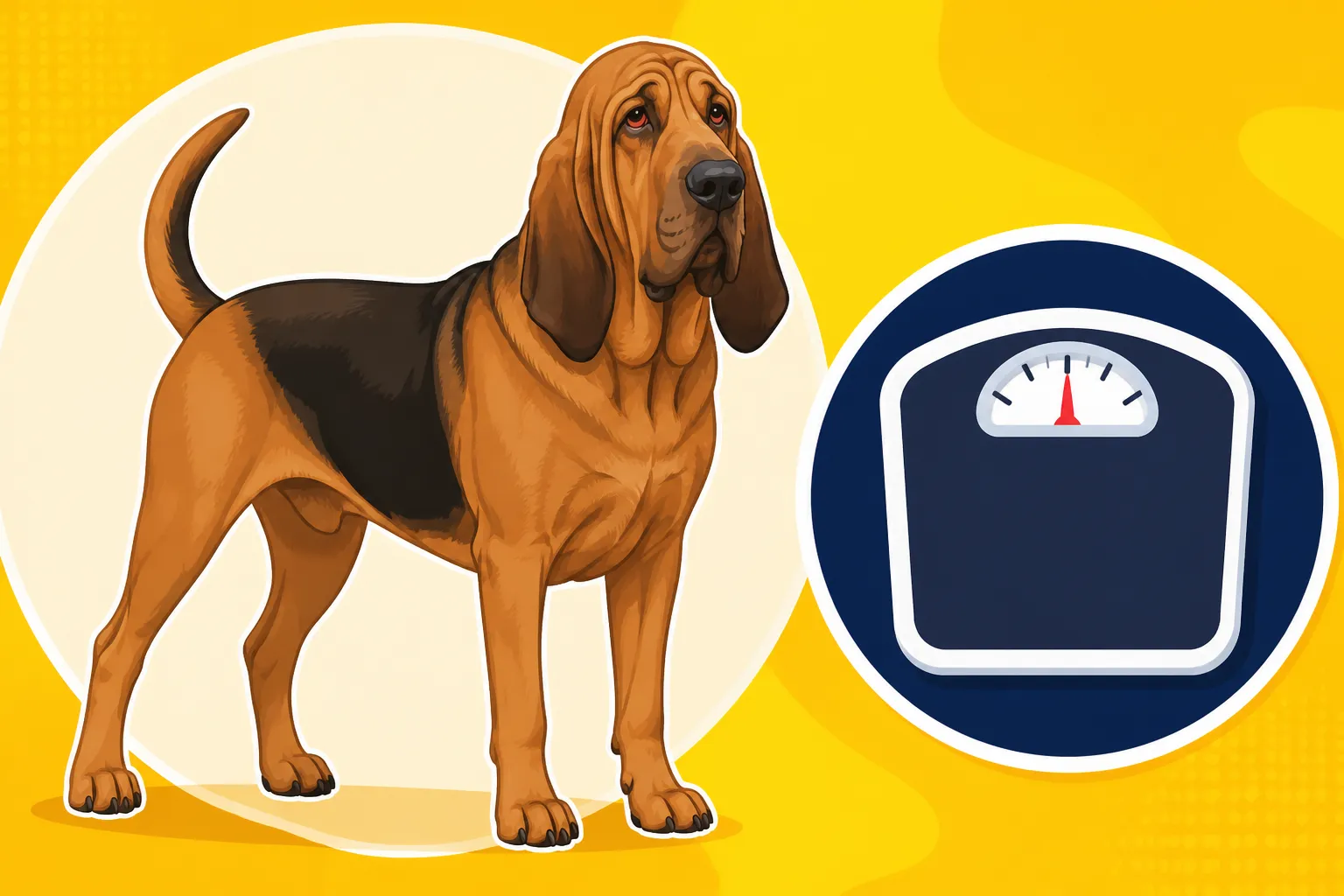
Generally speaking, an adult male Bloodhound will typically weigh between 90 and 110 pounds (approximately 41 to 50 kilograms). However, it’s really important to understand that this is a guideline, not a strict rule set in stone. Just like people, individual Bloodhounds can vary quite a bit. You'll find some boys on the lower end, perhaps a bit lankier or from lines bred for more agility in field work, and others on the higher end, especially if they come from more heavily boned show lines. The key isn't just the number on the scale, but how that number relates to their overall body condition.
Think about it this way: a Bloodhound with a slightly heavier build, but still clearly muscled and without excessive fat, is very different from a Bloodhound at the same weight who is carrying too much padding. The breed standard calls for a powerful, heavily built dog, but never an obese one. A big dog does not mean a fat dog.
What the Breed Standard Says
The breed standard for Bloodhounds, typically set by kennel clubs like the American Kennel Club (AKC), provides a description of the ideal specimen, including weight ranges. These standards emphasize balance and function. For males, the standard usually states a weight between 90 to 110 pounds, with some allowances for individual variation. The height is also specified, generally around 25 to 27 inches at the shoulder. Together, these measurements give you a picture of a large, well-proportioned hound.
It’s about conformation – how their parts fit together. A healthy Bloodhound should look robust and powerful. You should be able to feel their ribs with light pressure, but they shouldn't be visibly prominent. Their waist should be discernible when viewed from above, and there should be a slight tuck-up in their abdomen when viewed from the side. This is often described as a "lean body condition on purpose" for a Bloodhound.
Factors That Influence a Bloodhound's Adult Weight
The final weight of your adult male Bloodhound isn't just a genetic lottery. While genetics certainly lay the groundwork, a multitude of environmental and lifestyle factors contribute to whether he lands squarely within the ideal range or veers off course. It’s a delicate balance that often frustrates new owners who just want a straightforward answer.
Genetics and Lineage
Just like in humans, genetics play a huge role in determining a Bloodhound's potential size and build. If your Bloodhound's parents and grandparents were robust, well-boned dogs within the higher end of the standard weight range, it's very likely your boy will be too. Conversely, if his lineage leans towards slightly smaller, lankier working hounds, he might settle at the lower end. This isn't just about the parents; look at the entire pedigree if you can. A reputable breeder will be able to tell you about the typical adult weights of their dogs and the lines they come from. They often have a good sense of How Fast a Bloodhound Puppy Should Grow and can give you an idea of what to expect as your pup matures.
It's also worth noting that some lines might be predisposed to certain body types – some are bred for the show ring, emphasizing a heavier, more substantial appearance, while others are bred more for field work, prioritizing agility and endurance, which can result in a slightly leaner physique. Neither is inherently "wrong," as long as the dog is healthy and well-conditioned for his purpose.
Diet and Nutrition
What and how much your Bloodhound eats is arguably the most controllable factor influencing his weight. A diet that is too high in calories for his activity level, or one that's lacking in proper nutrients, can lead to weight gain or poor muscle development. Large breed dogs, especially Bloodhounds, have specific nutritional needs, particularly during their growth phase. High-quality dog food designed for large breeds is crucial. You might consult your vet, and then look for high-quality large breed formulas available on platforms like Chewy or Amazon. Some owners opt for fresh food delivery services like Ollie to ensure precise portion control and nutrient balance, especially for growing puppies or dogs with specific dietary needs.
Overfeeding a puppy, especially with too many calories or an incorrect calcium-to-phosphorus ratio, can lead to rapid growth that puts undue stress on developing joints. This is why discussions around Whether a Bloodhound Puppy Needs Restricted Calcium and Whether Overfeeding a Bloodhound Puppy Harms Its Joints are so important. As adults, How Much an Adult Bloodhound Eats will vary based on their activity, but consistency and quality are key. Splitting meals, as recommended in Feeding a Bloodhound So It Does Not Bloat, can also impact digestion and nutrient absorption, contributing to overall health and weight management.
Exercise and Activity Level
A Bloodhound's activity level directly impacts how many calories he burns and how much muscle mass he develops. While they are known for their incredible endurance on a scent trail, Bloodhounds are not typically "high-energy" in the way some other working breeds are. They thrive on consistent, moderate exercise. Regular walks, scent work, and opportunities to explore safely on a long line are far more beneficial than sporadic bursts of intense activity.
A Bloodhound that doesn't get enough physical activity will likely carry more fat and have less muscle tone, even if his diet is theoretically appropriate. This can push him into an unhealthy weight range. Conversely, a Bloodhound regularly engaged in scent work or long, purposeful walks will naturally maintain a leaner, more athletic build. It’s a common misconception that their calm demeanor indoors means they don't need much exercise – they absolutely do, just often in a different, more scent-focused way. Consider whether your dog is more of a "working" type or a couch potato; this will factor into Whether a Working Bloodhound Is Leaner Than a Show One.
Age and Neutering Status
A Bloodhound's weight will change throughout his life. Puppies grow rapidly, reaching most of their height by 12-18 months, but often continuing to fill out and gain muscle until they are 2-3 years old. An older Bloodhound, typically considered senior around six or seven, may naturally become less active and therefore require fewer calories to maintain his weight.
Neutering can also have an impact. Many owners observe that Whether a Neutered Bloodhound Gains Weight is a genuine concern, as the procedure can alter metabolism and reduce overall energy levels. It’s crucial to adjust their diet and maintain their exercise routine to prevent unnecessary weight gain after neutering. It's not inevitable, but it does require conscious management to keep them in their ideal weight range.
The Importance of Maintaining a Healthy Weight for Your Bloodhound
It's tempting to think that a little extra padding on a big dog like a Bloodhound won't hurt, but nothing could be further from the truth. Maintaining a healthy weight isn't just about aesthetics; it's absolutely critical for their long-term health, comfort, and quality of life. Bloodhounds are prone to certain health issues, and being overweight can exacerbate nearly all of them, making their already shorter lifespan even more challenging.
Impact on Joint Health
Bloodhounds are a giant breed, and as such, they are predisposed to orthopedic issues like hip and elbow dysplasia. These conditions are hereditary, but excess weight puts enormous strain on already vulnerable joints. Imagine carrying an extra 10, 15, or even 20 pounds around every single day – that's what being overweight feels like for your Bloodhound, and it accelerates the wear and tear on their cartilage and bones. This leads to earlier onset and increased severity of arthritis, causing chronic pain and significantly limiting their mobility. A Bloodhound struggling with painful joints won't want to walk or trail, which then further contributes to weight gain, creating a vicious cycle. Preventing this is a primary reason for Keeping a Bloodhound Lean on Purpose throughout their lives.
Increased Risk of Bloat
Bloat (Gastric Dilatation and Volvulus or GDV) is a life-threatening emergency that Bloodhounds are particularly susceptible to due to their deep, narrow chests. While the exact causes are complex, studies suggest that being overweight or obese can increase a dog's risk. Fatty deposits around the organs may affect the stomach's stability and increase the likelihood of it twisting. This is why Feeding a Bloodhound So It Does Not Bloat is a common topic among owners, emphasizing factors like meal frequency, eating speed, and post-meal rest, but keeping them at a healthy weight is another critical piece of that puzzle. Anything we can do to reduce their bloat risk is paramount.
Strain on Organ Systems
An overweight Bloodhound is carrying excess fat that infiltrates not just under the skin, but around vital organs like the heart, liver, and kidneys. This additional burden forces these organs to work harder, increasing the risk of conditions like heart disease, diabetes, and certain types of cancer. The body's inflammatory response is also heightened in overweight dogs, which can contribute to a host of chronic health problems. Keeping your Bloodhound at a healthy weight directly translates to healthier organ function and a better chance at avoiding these debilitating diseases. It's truly an investment in their overall health and longevity.
Recognizing Weight Issues in Your Male Bloodhound
It can be tricky to tell if your Bloodhound is at a healthy weight, particularly with all that loose skin and heavy boning. The number on the scale is just one piece of the puzzle. What really matters is their body condition. Knowing what to look for can help you identify if your boy is Signs a Bloodhound Is Overweight or, less commonly, underweight.
The Body Condition Score (BCS)
Veterinarians use a system called the Body Condition Score (BCS), usually on a 1-5 or 1-9 scale, to assess a dog's weight. Instead of a number, it's about physical appearance and palpation (feeling with your hands). This is far more accurate than just looking at the pounds, especially for a breed with such unique conformation.
Here's a simplified version of what you're looking for:
- Ribs: You should be able to easily feel your Bloodhound's ribs when you run your hands along his sides with light pressure, almost like feeling the knuckles of your hand. You shouldn't see them prominently, but you shouldn't have to press hard to feel them either.
- Waist: From above, your Bloodhound should have a discernible waist or hourglass shape behind his ribs. It won't be as dramatic as in some leaner breeds, but it should be present.
- Abdominal Tuck: From the side, his abdomen should tuck up slightly from his rib cage to his hind legs. Again, it won't be an extreme tuck like a Greyhound, but it shouldn't hang straight down or bulge.
- Spine: You should be able to feel his spine with light pressure along his back.
- Muscle Mass: He should have well-defined muscle mass, especially in his hindquarters.
If you can't feel his ribs without pressing hard, if there's no visible waist, or if his belly sags, he's likely overweight. If his ribs, spine, and hip bones are easily visible without touching, he might be underweight.
Here’s a table outlining the general BCS:
| Body Condition Score | Description | Visual/Palpable Cues |
|---|---|---|
| Too Thin (1-2) | Severely underweight, little to no body fat. | Ribs, spine, hip bones easily visible. No palpable fat. Severe abdominal tuck. |
| Underweight (3) | Lean, but healthy. | Ribs easily felt and sometimes visible. Spine and hip bones prominent. Marked abdominal tuck. |
| Ideal (4-5) | Well-proportioned, healthy weight. | Ribs easily felt without heavy pressure. Visible waist from above. Slight abdominal tuck. Muscle mass is good. |
| Overweight (6-7) | Moderate excess fat, beginning to lose definition. | Ribs felt with difficulty, requires firmer pressure. Waist diminished or absent. Slight to no abdominal tuck. |
| Obese (8-9) | Grossly overweight, excessive fat deposits. | Ribs not palpable under thick fat. No waist or abdominal tuck. Heavy fat deposits over back, tail base. |
Consulting Your Veterinarian
If you're ever unsure about your Bloodhound's weight or body condition, the absolute best thing you can do is consult your veterinarian. They can give you an objective assessment, rule out any underlying health issues that might be contributing to weight changes, and help you create a tailored plan for Getting Weight Off a Bloodhound if needed. They can also discuss whether his current diet is appropriate and if any changes are necessary, perhaps recommending specific large breed formulas or even a prescription diet. Your vet can also advise on appropriate exercise levels given his age and overall health.
Remember, every Bloodhound is an individual, and a truly healthy weight is one that allows them to live their best, most active life without unnecessary strain on their body. Keeping an eye on their condition, not just the number on the scale, is a loving commitment to their well-being.
Disclaimer
This article is for general informational purposes only and does not constitute professional advice. Laws, prices and regulations vary by location and change over time. Consult a qualified professional for guidance on your specific situation.