Getting Weight Off a Bloodhound
It's incredibly common for us Bloodhound parents to suddenly look at our beloved, wrinkly companions and realize they've packed on a few too many pounds. Their perpetually hungry eyes and those adorable, pleading jowls make it so hard to say no to an extra treat or a slightly larger portion. But the truth is, an overweight Bloodhound faces a whole host of health issues, and getting that extra weight off is one of the most loving things you can do for them. This guide will walk you through practical, empathetic steps to help your Bloodhound shed those pounds safely and effectively.
Understanding Why Your Bloodhound Might Be Overweight
Before we jump into solutions, it's really helpful to understand why Bloodhounds, in particular, can be prone to weight gain. It’s not just about them being greedy (though, let's be honest, many are food motivated!). Their unique physiology and lifestyle often contribute.
The Bloodhound's Natural Predisposition to Weight Gain
Bloodhounds are large, heavy-boned dogs, but they aren't built for sustained, high-intensity exercise in the same way a Border Collie might be. Their original purpose was trailing, which involves bursts of activity followed by thoughtful, slow-paced work. In a typical home environment, unless you're actively engaging them in Mantrailing Is the Answer to a Bloodhound, Not Obedience, they might not be burning as many calories as other breeds their size. This lower baseline activity level, combined with a generally slower metabolism than some more athletic breeds, means those extra calories add up quickly.
Plus, their soulful eyes and often "sad" expression are expert manipulators. It's incredibly easy to see them gazing at you while you eat, or offering a gentle nudge with their big heads, and mistakenly interpret it as hunger. Often, it's just their innate charm and hope for a morsel! We also need to remember that Bloodhounds mature slower than some breeds, and The Age a Bloodhound Reaches Full Weight can be later than you expect, meaning their caloric needs might fluctuate over time, making it tricky to pinpoint the right amount of food.
The Health Risks of Carrying Extra Pounds
While a little extra fluff might seem cute, for a Bloodhound, excess weight puts significant strain on their bodies. Their heavy frames and often already predisposition to certain orthopedic issues mean that even a few extra pounds can be detrimental.
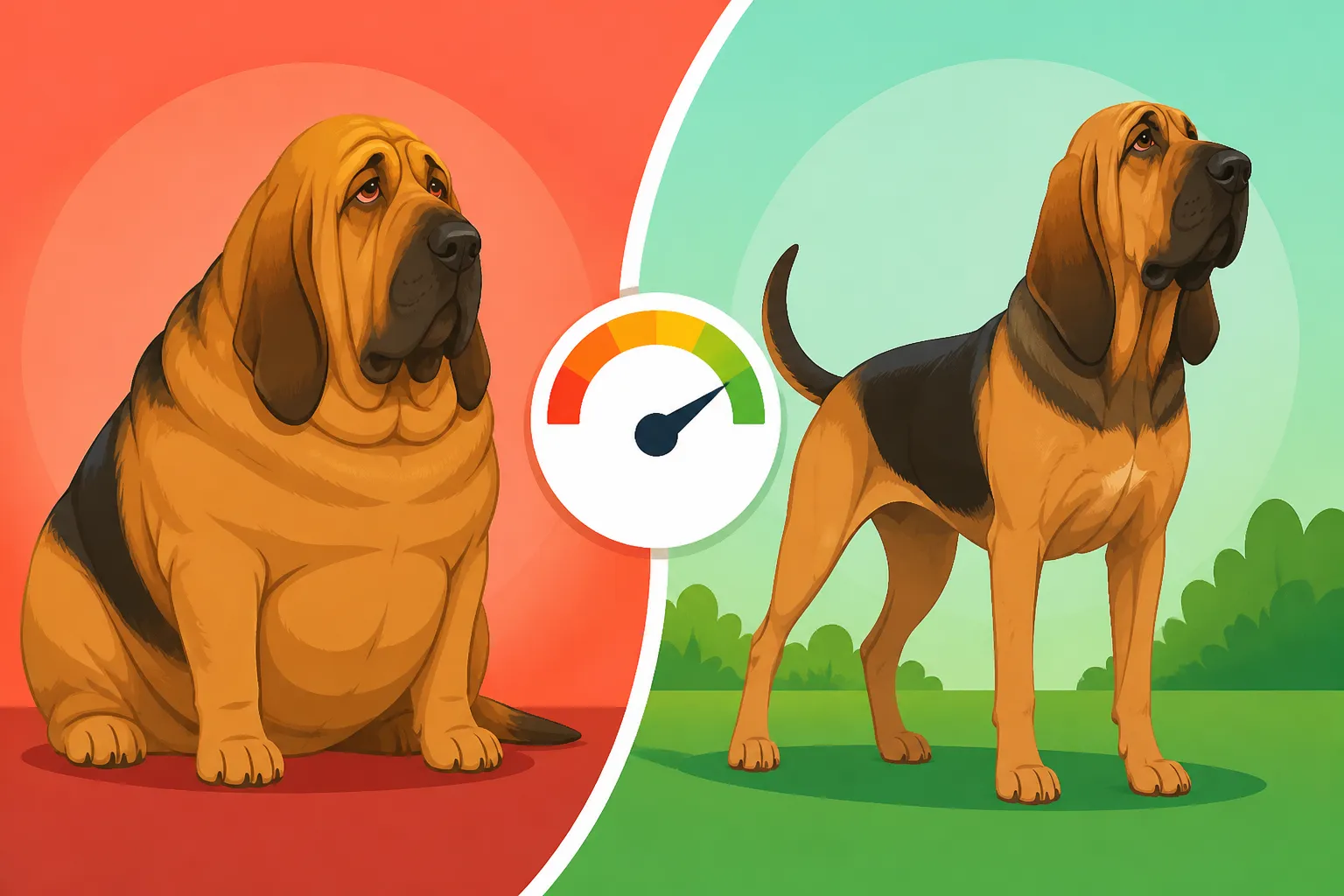
One of the most immediate concerns is the stress on their joints. Bloodhounds are already prone to issues like Hip and Elbow Dysplasia in the Bloodhound, and being overweight exacerbates these conditions, leading to earlier onset of arthritis, increased pain, and reduced mobility. Imagine carrying a backpack filled with bricks all day – that's what extra weight feels like to their joints. It also puts undue pressure on their cardiovascular system, making their heart work harder and potentially leading to Heart Disease in the Bloodhound. Overweight dogs also tend to have respiratory issues, struggling more in hot weather, and can be at higher risk for conditions like diabetes. Understanding these risks, and recognizing the Signs a Bloodhound Is Overweight, is the first step toward motivating yourself to help them.
Crafting a Smart Diet Plan for Your Bloodhound
Okay, so we know why it's a problem. Now, let's talk solutions. Diet is often the biggest piece of the puzzle when it comes to weight loss, and it doesn't have to mean drastic changes or unhappy hounds. It's all about smart choices and consistency.
Evaluating Your Bloodhound's Current Food Intake
The very first step is to get a truly honest picture of what your Bloodhound is actually eating. We often underestimate this! Grab a pen and paper or open a note on your phone and track everything for a few days.
Think about:
- Meals: How much are you feeding at each meal? Are you using an actual measuring cup, or just scooping? Scooping can lead to wildly inconsistent portions. Are you feeding How Many Meals a Day a Bloodhound Should Eat – typically two or three smaller meals are better for digestion and satiety.
- Treats: Every single treat counts. Are you giving crunchy biscuits, soft chews, dental sticks, or even just tiny pieces of cheese? These calories add up rapidly.
- Table Scraps: This is a big one. A few bites here and there from your plate can significantly increase their daily caloric intake, and often these foods are high in fat and calories.
- "Hidden" Calories: Does your Bloodhound get access to other pets' food? Do they find dropped food on walks? Bloodhounds are champion scavengers, and no crumb is safe.
Once you have a clear picture, you might be surprised. It's easy to accidentally overfeed, especially with kibble, where a small volume change can mean a large calorie difference. For specific product information and nutritional guides, online retailers like Chewy often provide detailed breakdowns of calorie content per cup for various dog foods, which can be immensely helpful in your assessment.
Choosing the Right Food and Portions
This is where strategy comes in. You don't necessarily need to switch to an expensive "diet" food, but sometimes it helps.
Selecting the Best Food Type
When looking at food, consider formulas designed for large breeds or those specifically marketed for weight management. These often have a better balance of protein to fat, and sometimes a higher fiber content to help your Bloodhound feel full. You want to prioritize good quality protein to help maintain muscle mass while they lose fat. While Whether a Bloodhound Needs a Large Breed Formula is a common question, for an overweight Bloodhound, focusing on calorie density and nutrient balance is key.
If you're considering a change, do it gradually over 7-10 days to avoid an upset stomach. Mix the new food with the old, slowly increasing the proportion of the new food. Some owners explore fresh food options, like those from Ollie, which can offer precise portion control and high-quality, lean ingredients, though it's important to understand the nutritional balance with any home-prepared or fresh food diet.
| Feeding Mistake for Weight Loss | Best Practice for Weight Loss |
|---|---|
| Free-feeding (leaving food out all day) | Strict meal times, measured portions |
| Estimating food amounts by scooping | Using a standard measuring cup for every meal |
| Giving high-calorie treats often | Using low-calorie treats, vegetables, or praise |
| Sharing human food/table scraps | Absolutely no human food outside of approved, healthy training treats |
| Ignoring caloric content of dental chews/supplements | Factoring all ingested items into daily caloric budget |
Mastering Portion Control
This is critical. Work with your veterinarian to determine an ideal target weight for your Bloodhound and calculate the appropriate daily caloric intake for that weight, not their current weight. Your vet can give you specific guidelines based on your dog's age, current weight, and activity level.
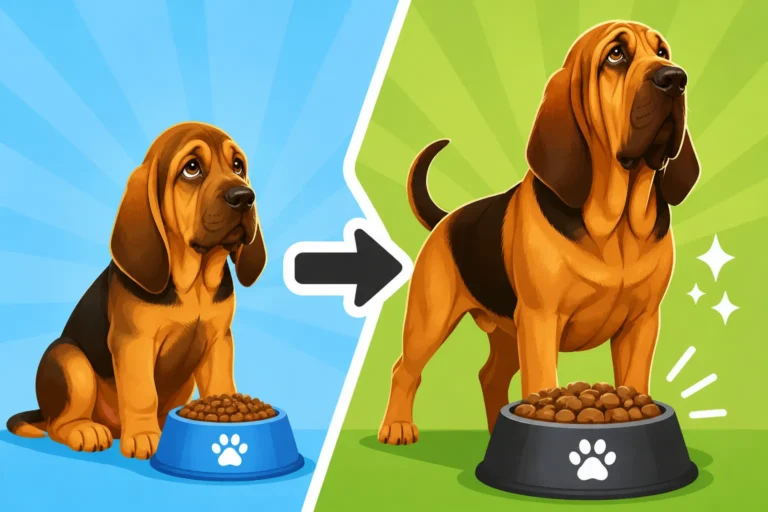
Once you have that number, meticulously measure out their food for each meal. If your Bloodhound tends to "bolt" their food, consider a slow feeder bowl. These bowls have raised obstacles that force them to eat around them, slowing down consumption. Not only does this reduce the risk of bloat (a major concern for Bloodhounds – see Bloat Is What Kills Most Bloodhounds), but it also makes them feel more satisfied as the meal lasts longer. You can find many effective slow feeder bowls on Amazon. Breaking the daily allotment into two or even three smaller meals can also help keep hunger at bay and aid digestion. Remember, How Much an Adult Bloodhound Eats is highly individual and often less than we think, especially for a dog needing to lose weight.
Smarter Snacking: The Role of Treats
Treats aren't entirely off-limits, but they need to be rethought.
Low-Calorie Alternatives
Instead of calorie-dense biscuits, try giving small pieces of plain, steamed green beans, carrot sticks, or apple slices (without seeds). Many Bloodhounds adore these crunchy, healthy options. Just make sure they are dog-safe and given in moderation. Even a small piece of kibble from their daily allowance can be used as a "treat" during training sessions.
Strategic Treat Usage
Use treats strategically for training, not just for affection. Make your Bloodhound "work" for every treat – a sit, a down, a stay. This mentally engages them and makes the treat a reward for behavior, not just a handout. If you have kids or other family members, make sure everyone is on the same page about what treats are allowed and how many. Consistency across the household is key to success.
Safe and Effective Exercise for Your Overweight Bloodhound
Diet is primary, but exercise is incredibly important for muscle maintenance, cardiovascular health, and mental well-being. For a Bloodhound, exercise isn't just about burning calories; it's about engaging their incredible nose and providing mental stimulation.
Starting Slowly and Prioritizing Joint Health
When your Bloodhound is carrying extra weight, their joints are already under strain. Starting an intense exercise regimen too quickly can cause injury or discomfort, making them reluctant to move at all. The key is gradual progression.
Begin with consistent, moderate walks on a leash. Focus on flat, even surfaces like paved paths or groomed trails to minimize impact on their joints. Think short, frequent walks rather than one long, arduous trek. Two or three 15-20 minute walks a day are far better than one exhausting hour-long walk that leaves them sore. Always monitor your Bloodhound for signs of fatigue, lameness, or overheating, especially if it's warm outside. For an aging Bloodhound, Whether Arthritis Slows a Bloodhound at Six is a definite concern, so gentleness and careful observation are paramount.
Incorporating More Engaging Activity
Once your Bloodhound has built a little stamina and their joints are adjusting, you can start to incorporate activities that are more mentally stimulating and play to their natural strengths.
The Power of Scent Work
This is where a Bloodhound truly shines and can burn calories without high impact. Scent work, or "nose work," engages their primary sense, tires them out mentally, and can be done at their own pace. Start by hiding treats (those low-calorie ones!) or their favorite toys in easy-to-find spots around the house or a safe, fenced yard. Encourage them to use their nose to locate them. As they get better, you can increase the difficulty.
For a more structured approach, consider introductory mantrailing. This involves following a human scent trail on a long line, which allows them to work at a natural pace, using their incredible nose. Even a few short trailing sessions a week can be incredibly effective for both physical and mental conditioning. What It Costs to Put a Bloodhound on a Trail might seem like an investment, but the benefits for their overall well-being are immense. A good, comfortable tracking harness and a long line are essential; you can find excellent options on Amazon.
Gentle Play and Water Fun
Interactive play that involves short bursts of movement followed by sniffing can also be beneficial. A soft tug toy or a large, durable ball for gentle rolling can encourage movement without overexertion. If you have access to a safe, clean body of water, swimming can be an excellent, low-impact exercise for Bloodhounds, provided they enjoy it. It supports their body weight, taking pressure off their joints while still providing a good workout. Always supervise water activities closely.
Adapting Exercise for Specific Conditions
Every Bloodhound is an individual, and some might have existing conditions that require further adaptation of their exercise routine.
If your Bloodhound has confirmed Hip Dysplasia in a Bloodhound or Elbow Dysplasia in a Bloodhound, consult with your veterinarian or a veterinary physical therapist. They can recommend specific exercises or hydrotherapy programs that are safe and beneficial. Similarly, if your Bloodhound is a senior (remember, Aging in a Bloodhound Starts at Six), their exercise needs will naturally be different. Shorter, more frequent, and lower-impact sessions are usually best. Always listen to your dog's cues – if they're panting excessively, lagging behind, or showing any signs of pain, it's time to rest. How Much Walking a Bloodhound Needs Daily will change based on these factors, so flexibility is important.
Staying Consistent and Monitoring Progress
Getting weight off your Bloodhound isn't a quick fix; it's a marathon, not a sprint. Consistency is your best friend, and monitoring their progress will keep you motivated.
Regular Weigh-Ins and Body Condition Scoring
You can't manage what you don't measure. Regular weigh-ins are crucial. Your vet can show you how to use a body condition score (BCS) chart, which is often more useful than just the number on the scale. This involves feeling your Bloodhound's ribs (you should be able to feel them easily, but not see them prominently), checking for a waist tuck, and observing their overall silhouette from above.
Aim for a weigh-in every 2-4 weeks. Use the same scale if possible and weigh them at roughly the same time of day. Document their weight and BCS. This data will help you and your vet assess if the current diet and exercise plan is working. Don't get discouraged if the scale doesn't move every week. Weight loss can be slow and sometimes dogs hit plateaus.
Adjusting the Plan as Needed
If your Bloodhound isn't losing weight after a few weeks, or if they're losing it too rapidly (which can also be unhealthy), it's time to re-evaluate.
- Dietary Adjustments: Are you still being strict with measurements and treats? Sometimes, a slight reduction in portion size (e.g., 5-10% less) is all that's needed. If you're feeding a general adult kibble, you might consider switching to a specific weight management formula. Always consult your vet before making significant changes to their diet. They might suggest a different food, or help you calculate a new caloric intake target.
- Exercise Tweaks: Can you add another short walk, or extend an existing one by 5-10 minutes? Can you add more structured scent games? Even small increases in daily activity can make a difference. Remember, Whether a Working Bloodhound Needs More Calories depends on the intensity and duration of their work, so adjust accordingly.
The Importance of Patience and Positive Reinforcement
This journey takes time and patience. There will be days when your Bloodhound gives you those sad eyes, or you feel tempted to sneak them an extra treat. Stay strong! Remind yourself why you're doing this – for their health, longevity, and quality of life.
Celebrate every small victory. When they lose half a pound, or when you notice they move a little more freely, acknowledge it. Praise them, give them extra cuddle time, or play a favorite game as a reward instead of food. Your positive attitude and consistency will be the biggest motivators for your Bloodhound. Remember, helping your Bloodhound get to a healthy weight is a profound act of love, ensuring they can continue to follow their incredible nose and live their best, longest life by your side.
Disclaimer
This article is for general informational purposes only and does not constitute professional advice. Laws, prices and regulations vary by location and change over time. Consult a qualified professional for guidance on your specific situation.