How Often a Bloodhound’s Folds Need Wiping
If you share your home with a majestic Bloodhound, you know that their glorious, loose skin is part of their charm, but it's also a constant source of concern. Those beautiful wrinkles, while iconic, are notorious for trapping moisture, dirt, and all sorts of microscopic nasties, leading to irritation, odor, and even painful infections. This guide dives deep into how often a Bloodhound's folds need wiping, helping you establish a routine that keeps your beloved hound comfortable and healthy.
Understanding the Bloodhound's Unique Anatomy
Let's be real, a Bloodhound's face and neck are like a topographical map of delightful wrinkles and folds. While they're undeniably endearing, they're also high-maintenance zones. Understanding why they have these folds and what makes them problematic is the first step in providing the best care. It's not just about a quick wipe; it's about appreciating the biological masterpiece you're living with and proactively managing its quirks.
The Purpose of All That Loose Skin
It might look like a lot of extra skin, perhaps even a bit cumbersome, but those loose folds on a Bloodhound's face and neck serve a very specific, historical purpose related to their incredible scenting abilities. When a Bloodhound drops its head to the ground to follow a trail, those long, pendulous ears and the ample dewlap (the loose skin around the throat) actually help sweep and funnel scent particles towards their highly sensitive nose. It creates a sort of scent-concentrating "bubble" that enhances their ability to track even the faintest of odors. This unique adaptation is why they are so unparalleled in their trailing work.
However, what's a marvel for scenting is a bit of a challenge for hygiene. This loose skin isn't just for show; it's a working part of their anatomy, constantly moving, gathering, and sometimes, unfortunately, getting in the way of itself. It’s a trade-off: a nose that can solve mysteries versus a face that needs constant tending. You can see why Everything on a Bloodhound Hangs Down and Has to Be Cleaned is such a crucial mantra for us Bloodhound parents.
Where Folds Trap Moisture and Debris
The very characteristics that make a Bloodhound's nose so powerful are also what create perfect little incubators for problems. Think about it: deep folds, often overlapping, create warm, dark, and frequently damp environments. The primary culprits are usually around the muzzle, under the eyes, along the jowls, and especially the deep neck folds. These are the classic spots where moisture from drool, food, or even just humidity in the air gets trapped.
Beyond moisture, these folds are expert collectors of everything your Bloodhound encounters. Bits of kibble, grass seeds, dust, pollen, and even tiny droplets of water from their drinking bowl can find their way into these crevices. Once trapped, these foreign materials can rub against the delicate skin, causing irritation. If not removed, they become breeding grounds for bacteria and yeast. It’s a bit like having tiny, hidden pockets all over their face, each waiting to collect something that will eventually become a problem if left unchecked. Knowing Where a Bloodhound's Folds Sit can help you focus your cleaning efforts precisely where they're needed most.
The Risk of Skin Fold Dermatitis
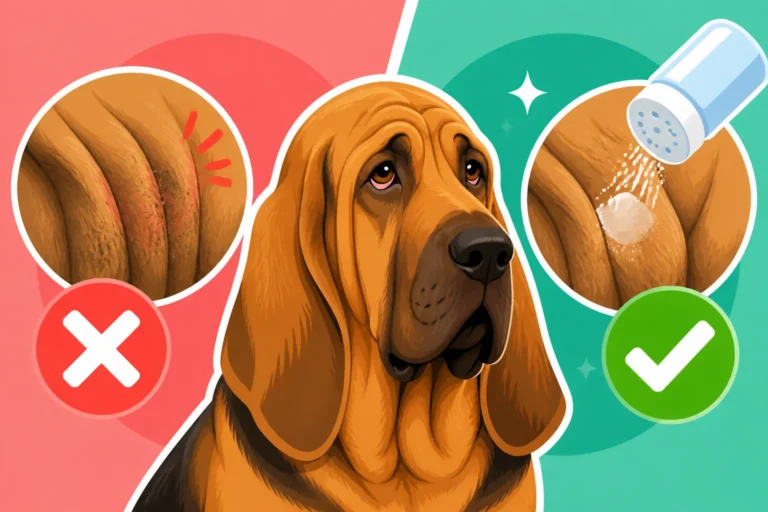
If you're not diligent about cleaning those folds, you're setting the stage for a condition known as skin fold dermatitis, or intertrigo. This isn't just a minor rash; it can be incredibly uncomfortable, painful, and persistent. What happens is that the trapped moisture and debris create an ideal environment for bacteria and yeast to multiply. The skin inside the folds becomes inflamed, red, itchy, and can develop a very unpleasant odor. In severe cases, the skin can even break down, leading to open sores and deeper infections.
Imagine having a constant, itchy, burning rash in a crease of your own skin that you couldn't properly air out or clean. That's what your Bloodhound experiences. It can lead to them rubbing their face on furniture, pawing at their muzzle, or becoming generally irritable. Early signs include redness, a greasy feel to the skin in the folds, and that distinct sour smell. Ignoring these signs means a trip to the vet will be unavoidable, potentially involving antibiotics, antifungals, and medicated washes. Preventing Skin Fold Dermatitis on a Bloodhound is far easier, and kinder, than treating it.
Establishing a Regular Wiping Routine
The question of "how often" isn't a one-size-fits-all answer, but there's definitely a minimum standard that all Bloodhound owners should adhere to. Beyond that, it's about tuning into your individual dog's needs, their lifestyle, and even the weather. Consistency is truly the name of the game here.
The Daily Minimum for Most Bloodhounds
For the vast majority of Bloodhounds, daily wiping is not just recommended, it's pretty much non-negotiable. This isn't an all-day affair, but a quick, thorough check and clean of the most vulnerable areas. Think of it like brushing your own teeth – a little bit every day prevents big problems down the line. You'll want to focus on the folds around their muzzle and under their eyes, where drool, food residue, and tear stains can accumulate fastest.
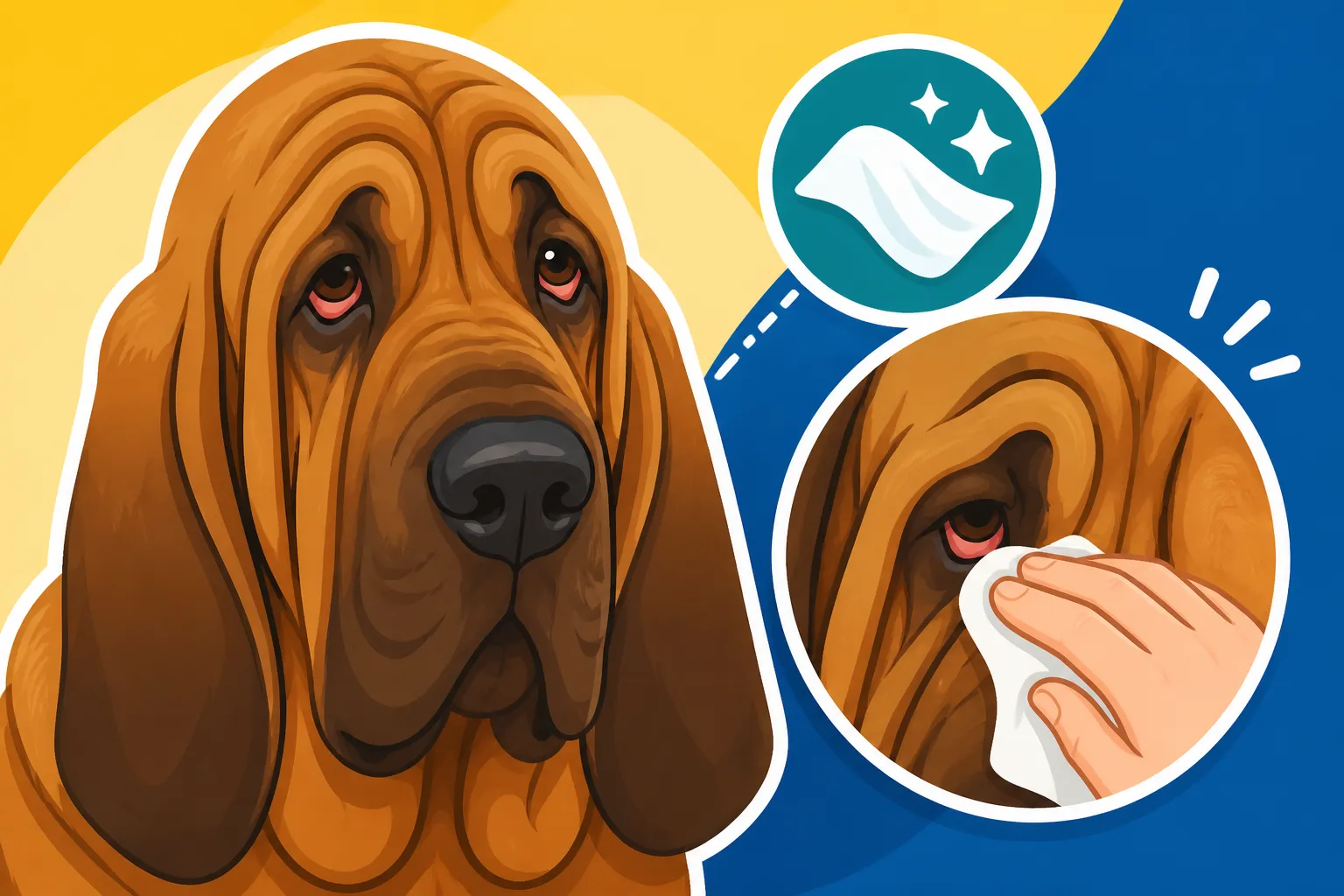
A quick swipe with a soft cloth or a pet-safe wipe can remove surface grime before it has a chance to settle and fester. This daily routine helps remove irritants and prevents the buildup of moisture that leads to bacterial or yeast overgrowth. It also gives you a chance to inspect the skin for any early signs of redness or irritation, allowing you to address issues before they become full-blown infections. It’s a small investment of time each day that pays huge dividends in your Bloodhound's comfort and health. It's about Wiping a Bloodhound's Folds Before They Sour and becoming an expert in their unique landscape.
Factors That Increase Wiping Frequency
While daily wiping is the baseline, several factors can necessitate even more frequent attention. You'll quickly learn to spot the triggers for your individual hound.
- Meal Times: If your Bloodhound is a messy eater (and let's be honest, most of them are!), you might find yourself wiping their muzzle and jowls after every meal. Bits of kibble, wet food, or even water can easily get pushed deep into the folds.
- Drooling Habits: Some Bloodhounds are prodigious droolers, especially when excited, anticipating food, or after drinking. The constant moisture saturates the folds, making them ripe for problems.
- Activity Levels and Environment: If your Bloodhound has been out exploring muddy trails, rooting around in the garden, or even just playing hard in humid weather, those folds are going to collect more than usual. Swimming is another big one; water can get trapped, and if not dried, it spells trouble.
- Weather and Humidity: Humid climates can exacerbate fold issues by preventing the skin from drying naturally. Conversely, in dry, dusty conditions, folds can collect more particulate matter. And Whether a Bloodhound's Folds Get Worse in Summer is a definite yes for many, due to increased heat and humidity.
- Allergies: Dogs with environmental or food allergies often experience skin inflammation and excess moisture, which can make their folds particularly prone to irritation. If you suspect allergies are at play, addressing the underlying cause is crucial. Whether Allergies Make a Bloodhound's Folds Worse is a question many owners face, and the answer is usually yes.
In these situations, it's not uncommon to wipe folds two or even three times a day. It sounds like a lot, but a proactive approach saves a lot of headaches (and vet bills) later.
Observing Your Bloodhound for Cues
Your Bloodhound is actually pretty good at telling you when their folds need extra attention, even if they can't speak human. Learning to read their cues is vital for a responsive care routine.
- Foul Odor: This is perhaps the most obvious sign. A healthy Bloodhound's folds shouldn't have a strong, sour, or yeasty smell. If you catch a whiff of something unpleasant, it's a clear signal that bacteria or yeast are thriving, and it's time for a thorough clean. Sometimes Whether a Bloodhound Carries an Odor From Its Folds is a topic of debate, but a sour odor is definitely not normal.
- Redness or Inflammation: Gently part the folds and inspect the skin within. If it looks red, inflamed, or noticeably darker than the surrounding skin, it's irritated. This is a precursor to dermatitis.
- Moisture or Discharge: Excessive dampness, a sticky residue, or any visible discharge (brown, yellow, or greenish) are all red flags. This indicates a buildup of moisture and likely an active infection.
- Rubbing or Pawing: If your Bloodhound is constantly rubbing their face on the carpet, pawing at their muzzle, or shaking their head excessively, they might be trying to alleviate discomfort in their folds.
- Behavioral Changes: While less specific, increased irritability, lethargy, or reluctance to be touched around the face can sometimes be subtle indicators of pain or discomfort from irritated folds.
Paying close attention to these signs allows you to adjust your wiping frequency and cleaning intensity as needed, intervening before minor irritations escalate into more serious health issues.
Essential Tools and Techniques for Fold Care
Now that you know why and when to clean, let's talk about the how. Having the right tools and employing gentle, effective techniques makes all the difference, transforming what could be a wrestling match into a manageable, even bonding, routine.
Choosing the Right Cleaning Solution
Selecting the appropriate cleaning solution is crucial; you don't want to use anything harsh that could further irritate delicate skin. Here's a breakdown of common and effective options:
- Pet-Safe Wipes: For daily, quick clean-ups, pre-moistened pet wipes are incredibly convenient. Look for wipes that are specifically formulated for dogs, preferably hypoallergenic, alcohol-free, and fragrance-free. Brands like those found on Amazon or Chewy often offer a good selection. Some contain mild antiseptics like chlorhexidine or soothing ingredients like aloe. They're perfect for a quick post-meal swipe or after an outdoor adventure.
- Warm Water and a Soft Cloth: Sometimes, the simplest solution is the best. A soft, clean washcloth dampened with plain warm water is perfectly adequate for removing general grime and moisture, especially if your Bloodhound's folds aren't showing signs of irritation. This is a gentle, chemical-free option.
- Veterinarian-Prescribed Solutions: If your Bloodhound is prone to yeast or bacterial infections, your vet might recommend a medicated wipe or a topical solution. These often contain antifungal or antibacterial ingredients to target specific pathogens. Never use these without veterinary guidance, as incorrect use can cause more harm than good. Whether a Bloodhound Needs a Medicated Wash is a decision best made with your vet.
- Avoid: Harsh soaps, human facial cleansers, baby wipes (unless specifically stated pet-safe and free of irritating chemicals), and alcohol-based products. These can dry out or irritate your Bloodhound's sensitive skin, making problems worse.
No matter what you choose, ensure it's specifically safe for canine use and always follow the product's instructions.
Gentle Wiping Techniques
The technique you use is just as important as the solution. Bloodhounds are big, but their skin is sensitive. Rough handling can lead to discomfort and make future cleaning sessions difficult.
- Gather Your Supplies: Have your wipes, cotton pads, or damp cloth ready. If using a liquid cleaner, have cotton balls or gauze pads available.
- Find a Calm Spot: Choose a quiet area where your Bloodhound feels comfortable and secure. A slightly elevated surface can be helpful for your back.
- Positive Reinforcement: Make this a positive experience! Offer treats (like those from Ollie if your dog loves fresh food), gentle praise, and calm reassurance. Start young if possible, to habituate them.
- Expose the Folds: Gently part the skin folds with one hand, exposing the damp or dirty skin underneath. Be incredibly gentle, as this skin can be quite delicate.
- Wipe Thoroughly: With your other hand, use a fresh wipe or damp cloth to clean the exposed skin. Wipe away any visible dirt, debris, or discharge. Work from the inside of the fold outwards. Be meticulous, making sure to get into all the nooks and crannies. You might need several wipes for particularly dirty areas. For the eyes, wipe away from the eye, always using a fresh corner of the wipe for each eye to prevent cross-contamination.
- Don't Forget the Lips and Chin: The folds around the lips and under the chin are often overlooked but can be major collection points for drool and food.
- Be Observant: As you wipe, pay attention to the skin's condition. Note any redness, sores, or changes in texture. This is your chance for a quick health check.
Remember, it's about being thorough yet gentle. Consistency will build trust, making these essential grooming moments easier for both of you. This process is key to What to Wipe a Bloodhound's Folds With and how to do it effectively.
The Importance of Drying Thoroughly
This step is often overlooked, but it's absolutely critical, especially after a damp cleaning or if your Bloodhound has gotten wet. Leaving moisture in the folds, even from a cleaning solution, can negate all your good work and quickly lead to skin irritation or infection. Remember, warm, dark, damp environments are what yeast and bacteria thrive on.
After you've cleaned the folds, use a separate, dry, soft cloth or cotton pad to gently blot the area until it is completely dry. You can even use a cool setting on a hairdryer for a few seconds if your Bloodhound tolerates it, ensuring the air isn't too hot and holding it a safe distance away. Pay extra attention to the deepest parts of the folds. If you're using a liquid cleanser that needs to be rinsed, ensure all soap residue is gone before drying.
Think of it like this: you wouldn't put a wet dishcloth away in a drawer and expect it not to get mildewy. The same principle applies to your Bloodhound's folds. A dry fold is a healthy fold, significantly reducing the risk of skin fold dermatitis. This step is a cornerstone of daily care and nutrition for your Bloodhound.
Common Challenges and Troubleshooting
Even with the most diligent routine, Bloodhounds can sometimes throw us a curveball. Knowing how to react to common issues like odor, irritation, or even suspected infection can save you worry and potentially a trip to the vet, or at least help you prepare for one.
Dealing with Odor and Infection Signs
The presence of a persistent, unpleasant odor is often the first and most noticeable sign that something is amiss in your Bloodhound's folds. This usually indicates an overgrowth of yeast or bacteria. It's a distinct smell, often described as sour, musty, or even cheesy. Along with the smell, you might notice:
- Redness and Inflammation: The skin within the folds will appear noticeably redder than healthy skin, sometimes even beefy and swollen.
- Greasy or Waxy Residue: The skin might feel oily or have a brownish, waxy buildup.
- Hair Loss: In severe cases, the fur within the fold area might thin or fall out due to chronic inflammation and scratching.
- Pain or Discomfort: Your Bloodhound might flinch, pull away, or even snap if you try to touch the affected area.
If you notice these signs, a simple daily wipe with water might not be enough. You might need to step up your game to a pet-safe antiseptic wipe (containing chlorhexidine, for example) for a few days. However, if the odor persists or worsens, or if the redness is severe, if there's any discharge, or if your dog seems to be in pain, it's time to consult your veterinarian. These are all clear Signs a Bloodhound's Fold Has Become Infected. Over-the-counter solutions are temporary fixes at best when a real infection takes hold.
Managing Irritation and Redness
Sometimes, before a full-blown infection takes hold, you might just notice some mild redness or irritation, perhaps from extra drooling or a bit of dirt that rubbed the wrong way. This is your cue to be extra diligent and gentle.
- Increase Wiping Frequency: If you're usually wiping once a day, try twice. If twice, try three times. The goal is to keep the area as clean and dry as possible.
- Gentle Cleansing: Stick to plain warm water and a soft cloth or a very mild, hypoallergenic pet wipe. Avoid any products with strong scents or harsh chemicals.
- Thorough Drying is Key: After every wipe, ensure the area is completely dry. You can even gently hold the fold open for a minute or two to allow air circulation.
- Soothing Topicals (Vet Approved): For mild irritation, your vet might suggest a very gentle, dog-safe soothing cream or spray. Never apply human creams without consulting your vet first, as many contain ingredients toxic to dogs.
The key here is early intervention. Catching irritation before it turns into an infection can prevent a lot of discomfort for your Bloodhound and save you a vet visit. If the redness doesn't subside within a day or two of increased, gentle care, or if it seems to be getting worse, then it's time for professional advice.
When to Consult Your Veterinarian
Knowing when to call in the professionals is paramount for responsible Bloodhound ownership. While diligent home care can prevent many issues, some problems simply require veterinary intervention. Here's when to pick up the phone:
- Persistent or Worsening Odor: If that sour smell doesn't dissipate after a day or two of stepped-up cleaning, it likely means an infection has taken hold that requires medication.
- Severe Redness, Swelling, or Pain: If the folds are acutely inflamed, swollen, or if your Bloodhound is clearly in pain when the area is touched, don't delay.
- Visible Discharge: Pus, yellowish, or greenish discharge is a definitive sign of bacterial infection requiring antibiotics.
- Open Sores or Bleeding: Any breaks in the skin mean the natural barrier is compromised, making it easy for infections to spread.
- Lack of Improvement: If you've been consistent with your routine and tried gentle troubleshooting for a few days without seeing improvement, a vet visit is warranted.
- Recurrent Issues: If your Bloodhound frequently develops fold infections despite consistent care, there might be an underlying issue (like allergies or anatomical conformation) that needs to be addressed by a professional. Your vet might discuss Whether a Bloodhound Needs a Medicated Wash or other diagnostics.
Your veterinarian can properly diagnose the type of infection (bacterial, yeast, or both) and prescribe the appropriate medications, whether they are oral antibiotics or antifungals, or stronger topical treatments. They can also offer advice on long-term management strategies.
Integrating Fold Care into Overall Bloodhound Health
Looking after your Bloodhound's folds isn't an isolated chore; it's a vital piece of their overall health and well-being puzzle. Everything from their diet to how you manage potential allergies can impact the health of their skin and, consequently, their folds. A holistic approach ensures your Bloodhound is healthy from the inside out.
Diet's Role in Skin Health
You know the old saying, "you are what you eat"? Well, the same goes for your Bloodhound, and their skin health is a direct reflection of their diet. A high-quality, balanced diet provides the essential nutrients needed for healthy skin and a robust immune system.
- High-Quality Protein: Protein is crucial for skin and coat health, providing the building blocks for healthy cells. Look for dog foods where a named meat source (e.g., chicken meal, lamb meal) is among the first ingredients.
- Essential Fatty Acids: Omega-3 and Omega-6 fatty acids are vital for skin barrier function and reducing inflammation. Fish oils (like salmon oil) are excellent sources. Many premium dog foods, including those from brands you might find on Ollie or Chewy, supplement with these.
- Vitamins and Minerals: Zinc, Vitamin A, and Vitamin E are particularly important for skin health.
- Food Sensitivities: Sometimes, chronic skin issues, including fold dermatitis, can be exacerbated by food sensitivities or allergies. If your Bloodhound constantly has red, itchy skin or persistent fold problems, discuss a potential food trial with your vet. Switching to a limited ingredient diet or a novel protein source might make a significant difference.
Feeding your Bloodhound well isn't just about satisfying their appetite; it's about providing the nutritional foundation for healthy skin that is more resilient to irritation and infection.
The Link Between Allergies and Fold Issues
Allergies are an incredibly common underlying cause of chronic skin issues in dogs, and Bloodhounds are certainly not immune. Both environmental and food allergies can manifest as widespread itchiness, redness, and inflammation of the skin. When the skin itself is already compromised by an allergic reaction, the moist, warm environment of the folds becomes even more susceptible to secondary bacterial and yeast infections.
- Environmental Allergies (Atopy): Pollen, dust mites, and mold spores can cause itchy skin, which can lead to your Bloodhound rubbing, scratching, and generally irritating their skin, including the folds. This can make the folds red and inflamed even before an infection sets in.
- Food Allergies: As mentioned, certain proteins in food can trigger an immune response that manifests as skin problems.
- Contact Allergies: Less common, but sometimes a dog can react to something directly touching their skin in the folds, like a specific fabric in their bedding or a cleaning product.
If your Bloodhound experiences chronic fold infections that seem to clear up with antibiotics but then quickly return, or if they have other allergy symptoms like paw licking, ear infections, or generalized itchiness, it’s imperative to investigate allergies with your vet. Managing the underlying allergy can significantly reduce the frequency and severity of fold problems. Whether Allergies Make a Bloodhound's Folds Worse is often an exasperating reality for owners.
Grooming Beyond the Folds
While the folds are a significant area of concern, they are part of a larger grooming picture that contributes to your Bloodhound's overall health and happiness. Neglecting other areas can have a ripple effect, sometimes indirectly impacting the folds.
- Ear Care: Bloodhounds are famous for their long, pendulous ears, which are just as prone to infection as their folds (if not more so!). Regular cleaning of their ears is crucial. If their ears are bothering them, they might shake their head, which can transfer moisture and irritants to the face folds. It’s also important to remember What to Clean a Bloodhound's Ears With.
- Bathing: Regular bathing with a mild, dog-specific shampoo helps remove general dirt, allergens, and excess oils from their coat and skin. However, always ensure thorough rinsing and drying, especially around the folds and ears, after a bath.
- Nail Trims: Overgrown nails can cause discomfort and make it difficult for your Bloodhound to walk properly, potentially contributing to stress or reducing their willingness to let you handle them for other grooming tasks.
- Coat Brushing: While Bloodhounds have short coats, regular brushing helps remove loose hair, distribute natural oils, and allows you to inspect their skin for any lumps, bumps, or irritations elsewhere on their body.
A comprehensive grooming routine, addressing all these aspects, not only keeps your Bloodhound looking and feeling good but also helps you stay attuned to their body and catch any health issues early. It's all part of the joy and responsibility of sharing your life with these incredible, wrinkly companions.
Disclaimer
This article is for general informational purposes only and does not constitute professional advice. Laws, prices and regulations vary by location and change over time. Consult a qualified professional for guidance on your specific situation.