Whether a Bloodhound Should Eat From the Floor
Anyone who shares their life with a Bloodhound knows that mealtime isn't just about nutrition; it's often a wrestling match with gravity, slobber, and those magnificent, floppy ears. The question of whether your Bloodhound should eat directly from the floor, from a raised bowl, or something else entirely, is more complex than it seems, especially when you consider their unique physiology and the ever-present concern of bloat. This guide will dive deep into the pros and cons of different feeding setups for your scent-driven companion, helping you make the best, most practical choices for their health and your sanity.
The Bloodhound's Unique Anatomy and How It Affects Eating
Bloodhounds are truly one-of-a-kind creatures, and their distinctive physical characteristics, while vital for their incredible scenting abilities, present some real challenges when it comes to something as simple as eating a meal. Understanding these anatomical quirks is the first step in creating a feeding environment that is both safe and manageable.
The Long Ears and Droopy Jowls
Their iconic long, pendulous ears are a marvel of evolution, designed to sweep scent towards their incredible nose, enhancing their tracking abilities. But when it comes to eating, these very same ears become a huge, undeniable challenge. Imagine your dog dipping those long, velvety ears into their dinner bowl with every bite. It's not just a little dip; often, the entire ear leather can become submerged in kibble, water, or even wet food. The frustration of constantly having to clean up a soggy mess is very real for Bloodhound owners.
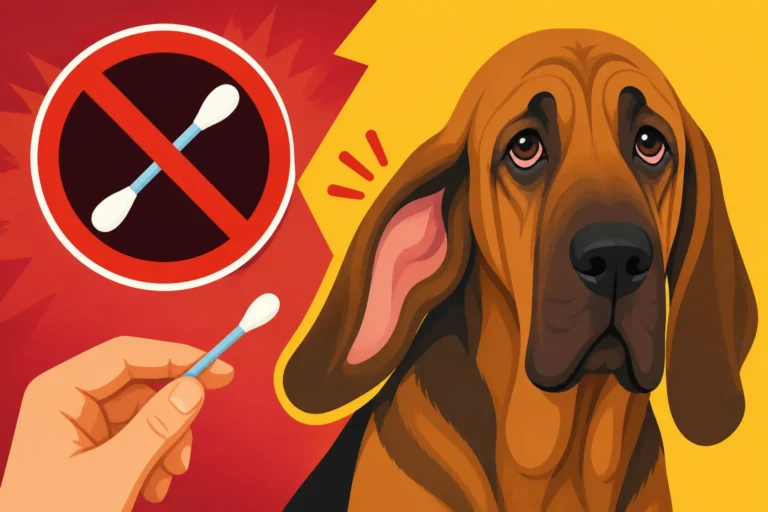
This isn't just a messy inconvenience for you, the owner, though it certainly is that! Picture cleaning up a trail of soggy kibble bits and drool from the kitchen floor, knowing it all came from those precious ears. More importantly, those ears, once saturated with food and moisture, become a breeding ground for bacteria and yeast. This constant dampness and exposure to food particles significantly increases the risk of ear infections, a common and frustrating ailment for Bloodhound owners. A Bloodhound's Ears Are a Standing Infection Risk is a reality many of us battle constantly.
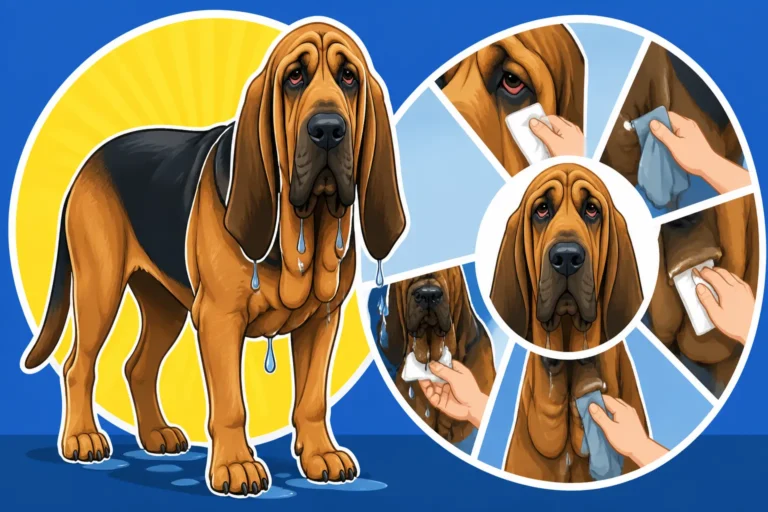
Then there are those glorious, droopy jowls and the loose skin around their face. While fantastic for trapping scent, they also act as little food traps and drool reservoirs. As your Bloodhound eats from a flat bowl on the floor, their jowls hang down, often scooping up food bits that don't make it into their mouth immediately. This food then gets caught in the folds, attracting flies and creating an aroma that is anything but pleasant. It's a constant battle to keep those facial folds clean and dry, and eating from the floor only exacerbates the problem.
Think about it: after every meal, you're not just wiping their face; you're often dealing with food residue deep within the folds of their flews and around their neck. This buildup can quickly lead to irritation or even skin fold dermatitis if not meticulously cleaned. It’s a recurring chore that highlights just how much Everything on a Bloodhound Hangs Down and Has to Be Cleaned, particularly after eating.
The Deep Chest and Bloat Risk
Beyond the visible challenges of ears and jowls, Bloodhounds possess a deeper anatomical trait that weighs heavily on feeding decisions: their famously deep, narrow chest. This body conformation, while giving them that regal, powerful appearance, also places them at a significantly higher risk for Gastric Dilatation-Volvulus (GDV), more commonly known as bloat. Bloat is a sudden, life-threatening condition where the stomach fills with gas and can then twist upon itself, cutting off blood supply. It's truly terrifying, and unfortunately, Bloodhounds are one of the breeds most susceptible.
The shape of their chest is a major contributing factor. Why a Bloodhound's Chest Shape Causes Bloat is a topic of intense concern for any Bloodhound parent. When a dog with a deep chest eats rapidly, gulps air, or exercises too soon after a meal, the stomach can swing more freely within that spacious abdominal cavity, making it more prone to twisting. So, while feeding from the floor might seem harmless, any factor that encourages faster eating or excessive air intake is something we need to consider carefully. Bloat Is What Kills Most Bloodhounds is a stark and sobering truth.
Historically, it was widely believed that elevated food bowls could reduce the risk of bloat by promoting a more natural eating posture and potentially slowing ingestion. Many owners, myself included, adopted this practice for years with the best of intentions. However, more recent research, particularly comprehensive studies like the Purdue Bloat Study, has challenged this long-held assumption. In fact, some findings from the study suggested that elevated bowls might slightly increase the risk of bloat in large and giant breeds. This was a really surprising and, frankly, frustrating finding for many of us who thought we were doing the right thing.
So, while the old advice suggested elevated bowls as a preventative, the current understanding is more nuanced, and some vets even recommend against them for bloat prevention. This doesn't mean eating from the floor is automatically "safer" in terms of bloat, but it does mean we need to approach the idea of bowl elevation with caution and discuss it with our veterinarian. The primary goal is to minimize air gulping and ensure a calm, unhurried meal, regardless of bowl height. This conversation is part of the larger decision-making process for The Gastropexy Decision Every Bloodhound Owner Faces.
Why Eating from the Floor Might Seem Convenient (But Isn't Always Best)
At first glance, feeding a Bloodhound from a bowl on the floor seems like the most natural and straightforward approach. It's how many of us feed our dogs, and for some breeds, it works perfectly fine. However, with a Bloodhound, what seems convenient on the surface can quickly reveal hidden downsides that impact both their health and your daily routine.
The Natural Foraging Instinct
You might think, "Well, dogs eat off the ground in the wild, so why not my Bloodhound?" And it's true, conceptually. Dogs are natural scavengers and foragers. Historically, their ancestors didn't have ergonomically designed bowls; they ate what they found, often directly from the earth. This instinct is still strong in our domesticated companions. Letting a Bloodhound eat from a bowl placed directly on the floor can sometimes tap into this natural inclination, making them feel more comfortable and less "fussed over."
For some dogs, particularly those who might be shy or insecure, a low-to-the-ground bowl can feel less intimidating than a raised structure. It can allow them to maintain a posture that feels more secure, especially if they're eating in a high-traffic area of the house. Also, for puppies or very young Bloodhounds, a floor-level bowl is often the only practical option until they grow taller and can comfortably reach an elevated feeder. It's a simple, straightforward setup that requires no special equipment beyond the bowl itself, making it initially appealing.
However, even with this natural instinct, we must consider the Bloodhound's specific physical traits. While eating from the floor is "natural" for a dog, doing so with 10-inch long, heavy ears and dewlaps that can sweep across the entire bowl is not exactly ideal. This natural foraging position quickly turns into a battle against hygiene and potential health issues unique to the breed, rather than a peaceful meal. The convenience of a floor bowl often comes with an unforeseen cost in cleaning and potential vet bills down the line.
The Mess Factor and Hygiene Concerns
Let's be brutally honest: Bloodhounds are messy eaters. They are renowned for their drool, their jowls, and their generally enthusiastic, sometimes clumsy, approach to food. When you combine this with a bowl on the floor, you're practically inviting a food explosion. Kibble gets pushed out, water splashes, and wet food smears across the floor, often creating a rather large, slobbery circumference around the bowl. Anyone who has cleaned up after a Bloodhound knows this isn't an exaggeration – it's a daily reality you can expect.
This mess isn't just unsightly; it poses genuine hygiene concerns. Food left on the floor can attract pests like ants or flies, especially in warmer weather. If your Bloodhound steps in their spilled food or water and then wanders through the house, they're tracking that mess everywhere. Plus, the constant cleaning of the floor itself adds another chore to your already busy life. It can feel like a losing battle, especially if you have multiple pets or small children who might accidentally interact with the spilled food.
Moreover, the very act of dipping those long ears and jowls into the food and then allowing them to hang and drip means you're not just cleaning the floor, but the dog itself, multiple times a day. This constant dampness on their ears and jowls, combined with food particles, creates a perfect breeding ground for bacteria, leading to the risk of skin infections or chronic ear problems. It forces you into a routine of immediate post-meal wipe-downs and vigilant ear checks, which can be exhausting. If you start to notice Signs a Bloodhound's Fold Is Turning, you know you're fighting an uphill battle against the mess.
Practical Solutions for Bloodhound Mealtime
Given the unique challenges presented by a Bloodhound's anatomy and their often enthusiastic eating style, it's clear that a standard bowl on the floor isn't always the best or most practical solution. Thankfully, there are several effective strategies and tools that Bloodhound owners have embraced to make mealtime cleaner, safer, and healthier for their beloved hounds.
Elevated Bowls and Their Benefits (and a note on bloat)
For years, elevated bowls were championed as a way to improve digestion, reduce neck strain, and, crucially for Bloodhounds, prevent bloat. The idea was that dogs wouldn't gulp as much air if they weren't bending down, and their posture would be more natural. While the bloat prevention claim has been debated by newer studies, as discussed earlier, elevated bowls still offer some distinct benefits for a Bloodhound owner, primarily related to managing their unique physical traits. Whether a Raised Bowl Is Right for a Bloodhound is a question worth exploring with your vet.
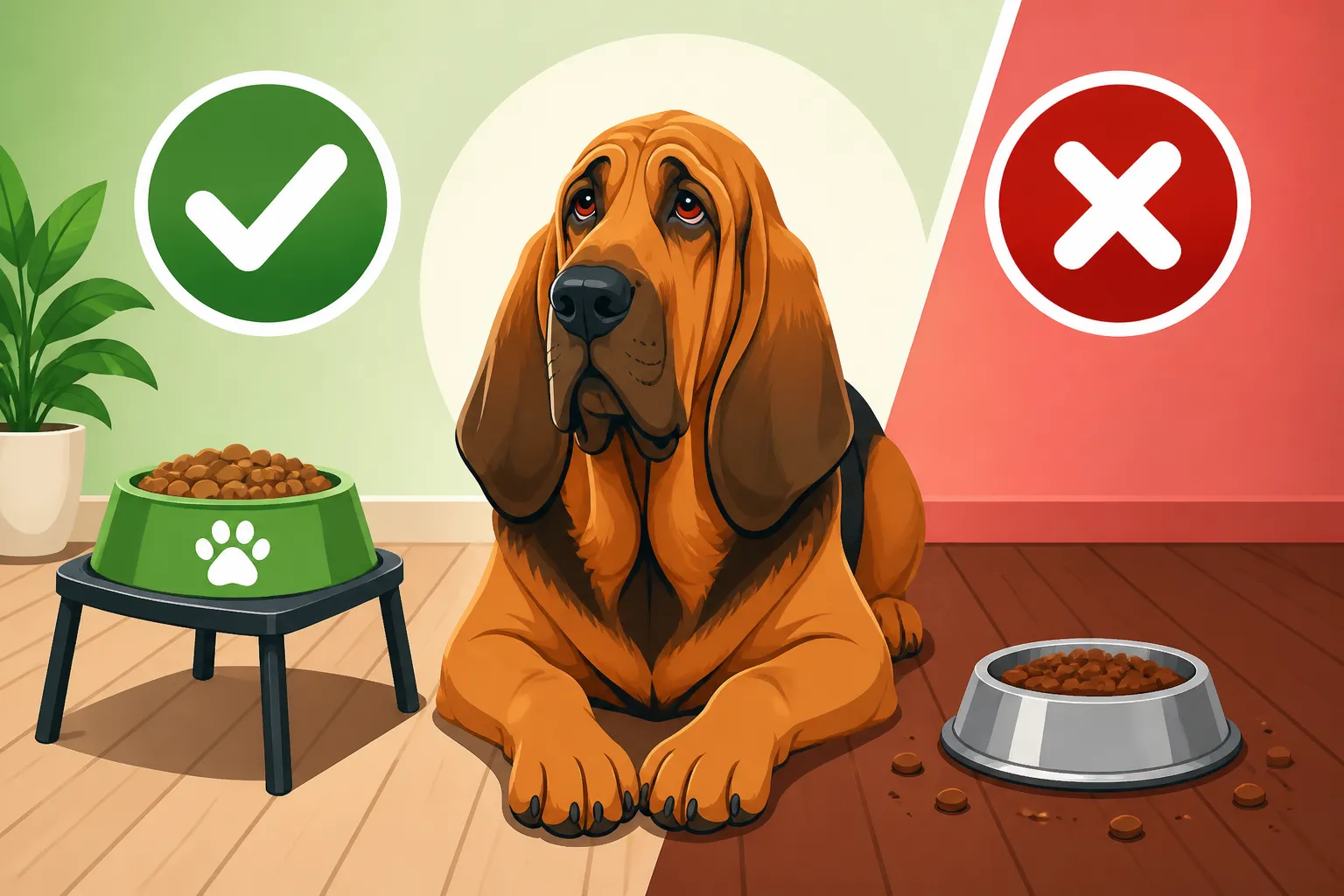
The most immediate benefit is hygiene. An elevated bowl keeps those magnificent long ears out of the food and water. Seriously, it's a game-changer. No more soggy ear tips covered in kibble crumbs or drenched from the water bowl. This alone drastically reduces the risk of moisture-related ear infections and saves you from constant ear cleaning after every meal. It also helps keep their jowls from dragging through the food, minimizing the spread of mess and keeping their facial folds cleaner, preventing issues like Whether a Bloodhound's Fold Smell Means Infection.
However, it's vital to choose the right height. You want the bowl to be at a comfortable level where your Bloodhound can eat without excessive bending or stretching, but not so high that they have to reach uncomfortably. Generally, their chest height or slightly lower is a good starting point. Monitor your dog's posture: they should be able to eat with their neck relatively straight, not craning up or bending way down. Always discuss the optimal height with your vet, especially considering the nuanced information about bloat risk. If you do opt for an elevated feeder, focusing on a calm, slow eating environment is paramount.
Snoods and Specialized Bowls
Beyond just raising the bowl, there are other brilliant inventions specifically designed to tackle the Bloodhound's unique mealtime challenges. One of the most common and effective tools is the snood. If you've never encountered a snood, it's essentially a fabric tube, often made of stretchy material like fleece or jersey knit, that you slip over your Bloodhound's head. It gently gathers and holds their long ears back and up, preventing them from dangling into the food or water. It sounds a bit silly, perhaps, but it's incredibly effective!
Snoods come in various sizes and designs, and you can find them readily on sites like Amazon or Chewy, or from specialty dog supply stores. They are an absolute lifesaver for keeping those ears clean and dry, reducing the frequency of ear infections, and making post-meal cleanup significantly easier. Many Bloodhound owners swear by them, not just for eating but also for preventing burrs and debris from collecting in their ears when they're out on a trail. What a Snood Does for a Bloodhound is something every new owner quickly learns to appreciate.
In addition to snoods, specialized bowl designs can also make a huge difference. Look for bowls that are narrow and deep, rather than wide and shallow. This shape helps contain the food and water more effectively, making it harder for those floppy ears to dip in. Some bowls even have a sloped design or a central mound, which can subtly slow down eating, benefiting digestion and reducing air gulping. Combine a good snood with a well-designed, possibly elevated, bowl, and you'll transform your Bloodhound's mealtime experience from a messy chore into a much cleaner, more relaxed affair.
Managing Mess and Spills
Even with elevated bowls and snoods, let's be realistic: a Bloodhound will find a way to make some mess. It's just part of their charm! But there are plenty of strategies to mitigate the chaos. Investing in a good quality, non-slip mat to place under their feeding station is a must. These mats, often made of silicone or rubber, have raised edges to contain spills and make cleanup a breeze. They can be found easily on Ollie, Amazon, or any pet supply retailer. This simple addition can save your floors from countless food and water trails.
Another crucial tip is to always have a dedicated "Bloodhound towel" or cleaning cloth strategically placed near their eating area. Immediately after they finish eating and drinking, use this cloth to gently wipe their jowls and the outside of their ears. This proactive cleaning removes any lingering food particles or drool before they can dry, attract dirt, or contribute to skin irritation. It might seem like a small step, but consistent daily wiping makes a monumental difference in overall cleanliness and skin health. Wiping a Bloodhound's Folds Before They Sour is a practice that cannot be overstated for preventing skin issues.
Consider the location of your feeding station as well. A tiled kitchen floor is much easier to clean than a carpeted dining room, obviously. Some owners even dedicate a specific, easy-to-clean corner or alcove for mealtime, potentially even with a washable mat or old shower curtain underneath for extra protection. The goal is to create a feeding environment that is as easy to maintain as possible, reducing your daily stress and ensuring your Bloodhound stays healthy and clean.
Beyond the Bowl: Other Considerations for Bloodhound Feeding
While the physical setup of your Bloodhound's meal station is important, it's just one piece of the puzzle. The way you manage their actual feeding routine, including frequency and post-meal activity, plays an equally critical role in their overall health and well-being, particularly in mitigating the risk of bloat.
Meal Frequency and Pace
While the type of bowl and its placement are important, how your Bloodhound eats is arguably even more critical, especially concerning bloat. Bloodhounds, like many large breeds, tend to be enthusiastic eaters who can inhale their food in mere minutes. This rapid consumption often leads to gulping down a lot of air along with their kibble, which is a known risk factor for bloat. To counteract this, breaking up their daily food allowance into multiple smaller meals throughout the day is highly recommended.
Instead of one or two large meals, aim for three smaller meals. This reduces the amount of food in the stomach at any one time, making it less likely to distend with gas. For example, if your Bloodhound eats 4 cups of food a day, split it into two 2-cup meals, or even three meals of roughly 1.3 cups each. This practice helps manage satiety, prevents extreme hunger, and, most importantly, can significantly reduce the risk of bloat. How Many Meals a Day a Bloodhound Should Eat is a question with a clear, health-driven answer: more smaller meals are generally better.
To further slow down their eating pace, consider using slow-feeder bowls or puzzle feeders. These bowls have ridges or obstacles that force your Bloodhound to eat around them, making them work a little harder and take more time to consume their meal. Some owners even scatter their dog's kibble across a clean floor (a clean floor, mind you, and perhaps tiled!) or hide it in a snuffle mat, turning mealtime into a mental enrichment activity. These methods prevent them from "hoovering" their food, reducing air intake and aiding digestion.
Post-Meal Activity and Rest
Equally as vital as how and what your Bloodhound eats is what they do immediately after. Vigorous activity too soon after a meal is another significant risk factor for bloat in deep-chested breeds. Imagine a full, distended stomach jostling around inside that large chest cavity during a run or boisterous play session – it's a recipe for disaster. This is why a strict "rest period" after eating is non-negotiable for Bloodhounds.
Aim for at least one hour, but preferably two hours, of calm, quiet rest after every meal. This means no running, no jumping, no intense playtime, and definitely no car rides where they might be jostled around. A simple potty break on a leash, followed by a nap in their crate or on a comfy dog bed, is ideal. This allows their stomach to settle and begin the digestive process without undue stress or movement. It requires a bit of scheduling and discipline, especially with a playful puppy or an active adult, but it's a critical preventative measure. How Long a Bloodhound Should Rest After Eating is a question of life or death for many of these wonderful hounds.
Educating everyone in the household about this post-meal rest rule is crucial. A well-meaning child or houseguest might unknowingly encourage play, putting your Bloodhound at risk. Make it clear that after eating, your Bloodhound needs quiet time. This combination of thoughtful feeding practices—multiple small meals, slow feeders, and a strict post-meal rest—provides the best defense against the terrifying threat of bloat, allowing your magnificent Bloodhound to live a long, happy, and healthy life. After all, you want to do everything you can to ensure they don't become part of the statistic of What Most Bloodhounds Actually Die Of.
Here's a quick comparison of common Bloodhound feeding methods:
| Feeding Method | Pros | Cons | Best For |
|---|---|---|---|
| Floor Bowl | Simple, taps into natural foraging instinct, easy for puppies | Ears/jowls get messy, higher risk of ear infections, potential bloat risk | Puppies, very short-eared breeds (not Bloodhounds), temporary solutions |
| Elevated Bowl | Keeps ears/jowls clean, reduces neck strain, cleaner floor | Debated bloat risk (check with vet), can be more expensive | Adult Bloodhounds (with vet consultation), older dogs with arthritis |
| Snood + Bowl | Excellent for ear/jowl hygiene, very effective at mess reduction | Requires owner to put on/take off, some dogs resist initially | All Bloodhounds, especially those prone to ear infections and excessive mess |
| Slow Feeder Bowl | Reduces air gulping, slows eating pace, aids digestion | Can still get ears/jowls messy if not elevated or used with a snood | Bloodhounds that eat too fast, bloat-prone breeds |
Disclaimer
This article is for general informational purposes only and does not constitute professional advice. Laws, prices and regulations vary by location and change over time. Consult a qualified professional for guidance on your specific situation.