How Long a Bloodhound Should Rest After Eating
One of the most terrifying things a Bloodhound owner can face is the sudden, life-threatening emergency of bloat, or Gastric Dilatation-Volvulus (GDV). This guide is here to walk you through how much rest your beloved Bloodhound really needs after eating, and why this seemingly simple practice is a cornerstone of preventing this deadly condition.
The Urgent Need for Post-Meal Rest in Bloodhounds
For a Bloodhound, mealtime isn't just about satisfying hunger; it's a critical period that requires careful management to prevent a truly devastating health crisis. The structure of their deep, narrow chests, while magnificent for their scent work, unfortunately predisposes them to a condition known as bloat. Understanding this inherent risk is the first step in becoming a vigilant and responsible Bloodhound parent.
Understanding Bloat and Gastric Dilatation-Volvulus GDV
Bloat is not just an upset stomach; it's a rapidly progressing, life-threatening condition where a dog's stomach fills with gas, food, or fluid, and often twists upon itself, cutting off blood supply. This twisting is the "volvulus" part of GDV, and it's what makes the situation so dire. Imagine your stomach swelling like a balloon and then rotating, pinching off both ends. That's what happens inside your Bloodhound, and it's as agonizing as it sounds. Bloat Is What Kills Most Bloodhounds.
Bloodhounds are unfortunately at high risk due to their conformation. Their deep chests create a cavernous space where the stomach has more room to move and flip. This isn't something you can train out of them or easily prevent through diet alone. The pressure from the distended stomach can compromise breathing, blood flow, and eventually lead to shock and organ failure. It can escalate from a seemingly minor discomfort to a fatal emergency in a matter of hours, sometimes even minutes. We often hear stories of owners who left their dog alone for a short while after a meal, only to return to a dog in severe distress. This isn't just a concern for older dogs; even younger Bloodhounds can be affected.
The Role of Activity in Triggering Bloat
While the exact cause of bloat is complex and often multi-factorial, vigorous activity immediately after eating is widely considered a significant trigger. When a Bloodhound's stomach is full of food, water, and gas, any sudden movements – like running, jumping, rolling, or even intense playing – can cause that heavy, distended stomach to swing and then twist within the abdominal cavity. Think of a laundry basket full of wet clothes being spun around; it's easier for the contents to shift and get tangled.
This is why the post-meal period becomes a high-alert zone for Bloodhound owners. The sheer joy a Bloodhound expresses after finishing a delicious meal, often leading to zoomies or an eager desire to play, can paradoxically be their undoing. It's a cruel twist of fate for such an enthusiastic breed. We've all seen dogs bounce off the walls after their dinner, but for a Bloodhound, this seemingly innocent exuberance carries a very real and severe risk. It's not about being a spoilsport; it's about safeguarding their life. Ignoring this risk is simply not an option for Bloodhound parents.
How Long Is Enough? Setting Realistic Rest Periods
So, you understand the risk. Now, the big question is: how long should your Bloodhound truly rest after eating? There isn't a one-size-fits-all answer, but there are strong guidelines and practical approaches you can adopt to significantly reduce the risk of bloat. This isn't about being overly restrictive, but about being smart and consistent with their post-meal routine.
The "Golden Hour" Rule and Its Variations
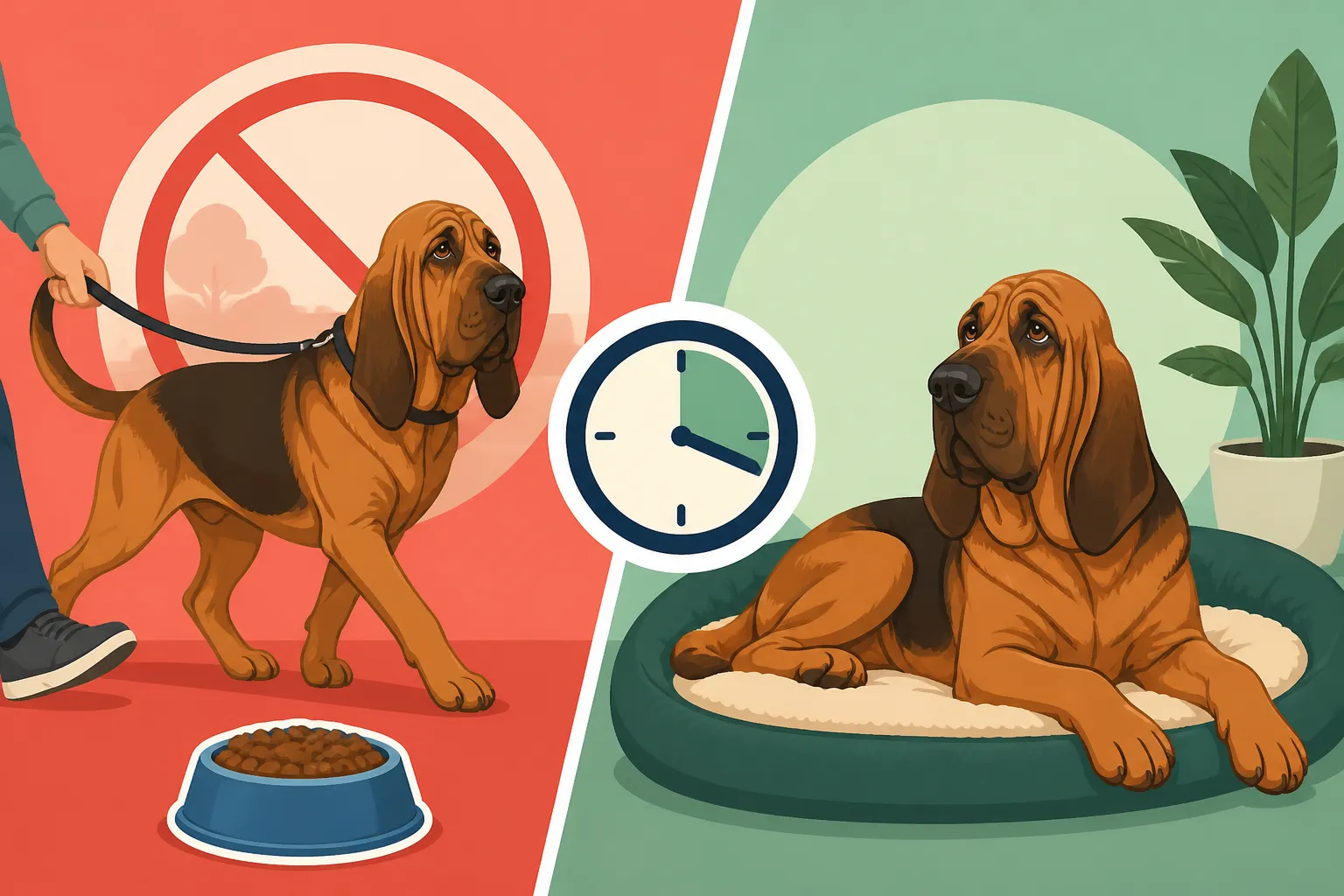
Many veterinarians and experienced Bloodhound breeders recommend a minimum rest period of at least one hour after a meal, with two hours often being cited as ideal. This "golden hour" rule, or slightly longer, gives your Bloodhound's stomach time to begin the digestive process and for the food to settle. During this period, the stomach is less likely to be wildly distended with gas and is less prone to shifting dramatically if your dog moves. The goal is to allow the initial stages of digestion to occur in a calm, settled state, reducing the chances of physical forces causing the stomach to rotate.
Some owners extend this to an hour before and an hour or two after a meal, particularly for high-energy dogs or those with previous bloat scares. This means planning your walks, training sessions, and playtime around their feeding schedule, rather than fitting meals in wherever convenient. It's a small adjustment to your daily routine that can make a monumental difference in your Bloodhound's health and longevity. Remember, consistency is key here. A rushed rest period once in a while might seem harmless, but it only takes one incident for disaster to strike.
Tailoring Rest to Your Bloodhound's Age and Temperament
While the general guidelines are a great starting point, every Bloodhound is an individual. A rambunctious Bloodhound puppy might need a stricter, more managed rest period than a calm, senior dog who's more inclined to nap after eating anyway. Young, energetic Bloodhounds, still learning impulse control, will need more active supervision to ensure they don't self-exercise after a meal. This might mean crating them with a safe chew toy, or having them settle on their bed in the same room as you.
For older Bloodhounds, who might be slowing down due to age or mild arthritis, the urge to zoom around might naturally diminish. However, they can still be at risk. Their digestive system might also be slower, meaning the food stays in their stomach longer. Similarly, a particularly anxious or stressed Bloodhound might digest food differently. Observing your own Bloodhound's habits, their energy levels post-meal, and how quickly they seem to settle will help you fine-tune the ideal rest duration for them. Don't be afraid to experiment slightly within the safe parameters, but always err on the side of caution. If in doubt, a longer, calmer rest is always the better choice.
Creating a Calm Post-Meal Environment
Knowing the "how long" is one thing, but making it happen can be another, especially with an enthusiastic Bloodhound. It requires a deliberate effort to manage their environment and expectations around meal times. A calm post-meal routine isn't just about preventing bloat; it also contributes to a more relaxed and contented dog overall.
Establishing a Routine for Mealtime Serenity
Consistency is truly your best friend when it comes to managing a Bloodhound's eating habits and post-meal period. Establish regular feeding times and stick to them as much as possible. Dogs thrive on routine, and knowing when to expect their meals can reduce anxiety and frantic eating. Choose a quiet, low-traffic area for their feeding station where they won't be disturbed by other pets, children, or household activity. This ensures they can eat without feeling rushed or stressed.
Before offering their meal, ensure there's a period of calm. Avoid exciting play or high-energy training right before dinner. After they finish eating, lead them to a designated resting spot – a comfortable dog bed, a quiet corner of the living room, or their crate if they are crate-trained. Provide a low-stimulation activity, like a puzzle toy they can quietly work on, or simply a safe chew that encourages lying down. Many owners find that Bloodhounds respond well to a consistent cue, like "settle" or "rest," immediately after their meal. This helps them understand what's expected.
Safe Activities During the Rest Period
"Rest" doesn't necessarily mean absolute paralysis, but it certainly means no strenuous activity. A short, leashed potty break immediately after eating is usually acceptable, as long as it's calm and purposeful. Avoid encouraging any running, jumping, or pulling on the leash. Think of it as a necessary biological function, not an exercise opportunity. Once back inside, the goal is quiet relaxation.
Engage them with mental stimulation that doesn't involve physical exertion. A Kong filled with a frozen treat, an interactive puzzle toy, or even some gentle grooming can be wonderful ways to keep them occupied and content during their rest period. Consider browsing sites like Chewy or Amazon for a variety of brain games and quiet chew options that are perfect for this time. Sometimes, simply lying next to you while you read or watch TV is enough. The key is to keep their body still while their mind is gently engaged. If you have other dogs, ensure they are also calm or separated during this critical rest time so they don't inadvertently incite your Bloodhound to play.
Other Feeding Practices to Mitigate Bloat Risk
While post-meal rest is crucial, it's part of a larger picture of feeding practices designed to keep your Bloodhound safe from bloat. Combining several strategies offers the best possible protection, because bloat prevention is truly a multi-pronged approach.
The Importance of Multiple Smaller Meals
One of the most impactful changes you can make to reduce bloat risk is to feed your Bloodhound multiple smaller meals throughout the day, rather than one or two large ones. A single large meal can cause excessive distension of the stomach, making it much more susceptible to twisting. Think about how uncomfortable you feel after a huge meal versus several smaller ones – it's a similar principle. Dividing their daily food allowance into two, three, or even four smaller portions spreads out the stomach's workload and reduces the likelihood of it becoming overly full at any one time.
For example, instead of feeding a large breakfast and dinner, consider a morning meal, a midday meal, and an evening meal. This simple adjustment significantly lowers the volume of food and gas in the stomach at any given point, thereby reducing the physical pressure and mobility that can lead to GDV. How Many Meals a Day a Bloodhound Should Eat delves deeper into this topic. It might mean a bit more planning on your part, but the peace of mind knowing you're actively working to prevent bloat is invaluable.
Food Choices and Eating Habits
The type of food and how your Bloodhound eats it also play a role. Some studies have suggested a link between certain kibble ingredients and bloat, though findings can vary. Large breed formulas are generally recommended due to their appropriate nutrient balance for growth and bone health, but always discuss specific food choices with your veterinarian. What's universally accepted is the danger of rapid eating, or "bolting" food. When dogs eat too quickly, they swallow a lot of air along with their food, which contributes to gas buildup in the stomach.
Slow feeder bowls are a fantastic invention for Bloodhounds. These bowls have various ridges and obstacles that force your dog to eat around them, significantly slowing down their intake. Brands like Outward Hound offer excellent slow feeder options available on Chewy or Amazon. There are also puzzle feeders that dispense food slowly, making mealtime a mental exercise as well. Whether a Slow Feeder Helps a Bloodhound can give you more details. Additionally, manage their water intake around meals. While hydration is vital, allowing them to gulp down a massive amount of water immediately after eating can also contribute to stomach distension. Offer smaller amounts of water more frequently, and definitely restrict large quantities right after a meal or before strenuous activity. Whether a Bloodhound Should Drink a Lot After a Meal.
A note on raised bowls: while once thought to prevent bloat, recent research, including the Purdue Bloat Study, suggests that raised feeding bowls might actually increase the risk of bloat in large, deep-chested breeds like Bloodhounds. It's counter-intuitive, but the current recommendation is often to feed Bloodhounds from bowls on the floor. Always check the latest veterinary advice on this topic. Whether Raised Bowls Raise a Bloodhound's Bloat Risk.
| Bloat Prevention Strategy | Why It Helps | Best Practices |
|---|---|---|
| Post-Meal Rest | Reduces stomach movement and twisting | 1-2 hours of calm, supervised rest after each meal. |
| Multiple Small Meals | Prevents excessive stomach distension | Divide daily food into 2-4 portions; avoid one large meal. |
| Slow Feeder Bowls | Minimizes air swallowing during eating | Use a specially designed slow-feeder bowl or puzzle feeder. |
| Managed Water Intake | Avoids excessive stomach fill with water | Offer water frequently in small amounts, not large gulps after eating. |
| Calm Environment | Reduces stress and frantic behavior | Feed in a quiet spot; avoid excitement before/after meals. |
| Floor-Level Bowls | Current research suggests lower risk than raised bowls | Place food bowls directly on the floor. |
Recognizing Warning Signs and Emergency Preparedness
Even with the best preventative measures, bloat can still happen. Being able to recognize the signs early and knowing exactly what to do can be the difference between life and death for your Bloodhound. This isn't a situation where you can afford to "wait and see."
Symptoms of Bloat to Watch For
The signs of bloat in a Bloodhound can come on quickly and range from subtle to extremely obvious. It's crucial to be aware of these, especially in the hours after a meal. The most common and alarming symptom is non-productive retching or dry heaving – your dog looks like they're trying to vomit but nothing comes up. This is a huge red flag. Other critical signs include:
- Distended Abdomen: Your Bloodhound's belly might look noticeably swollen or feel hard to the touch, especially on the left side.
- Restlessness and Pacing: They might be unable to get comfortable, constantly shifting position, or pacing frantically.
- Pain and Whining: They may cry out if their abdomen is touched, or show general signs of discomfort and pain.
- Drooling and Excessive Salivation: Due to nausea and discomfort.
- Labored Breathing: The swollen stomach can put pressure on the diaphragm, making it hard to breathe.
- Weakness and Collapse: In severe cases, they may become weak, collapse, and their gums might appear pale or bluish.
If you observe any of these symptoms, particularly the non-productive retching, consider it an immediate veterinary emergency. Do not delay. Every minute counts. Signs a Bloodhound Is Bloating offers a more detailed look at these critical indicators.
What to Do in a Bloat Emergency
If you suspect bloat, the first and most critical step is to call your veterinarian or the nearest emergency veterinary clinic immediately. Tell them you suspect GDV in your Bloodhound and that you are on your way. This allows them to prepare for your arrival, saving precious time. Do not try to treat your dog at home or wait to see if the symptoms improve. This is an acute, rapidly progressing condition.
While en route to the clinic, keep your Bloodhound as calm and still as possible. Avoid any rough movements or unnecessary jostling. Once at the clinic, your vet will confirm the diagnosis, often with X-rays. Treatment for bloat is surgical. The stomach will be decompressed, untwisted, and often a gastropexy procedure will be performed. A gastropexy permanently tacks the stomach to the abdominal wall to prevent it from twisting again in the future. What Emergency Bloat Surgery Does for a Bloodhound.
Being prepared financially for this emergency is also vital, as bloat surgery can be very expensive, often requiring intensive post-operative care. Many owners choose pet insurance as a way to manage these unexpected costs, though it's important to understand policy specifics. Some owners also choose to have a preventive gastropexy done, often at the time of spay or neuter, to significantly reduce the risk of future bloat episodes. This prophylactic surgery doesn't prevent the stomach from dilating with gas, but it does prevent the deadly twist. The Gastropexy Decision Every Bloodhound Owner Faces and What a Preventive Gastropexy Does for a Bloodhound are excellent resources to learn more about this option. Even after a successful surgery, recovery can be extensive, and your Bloodhound will likely stay in the hospital for several days. How Long a Bloodhound Stays In After Bloat Surgery.
Disclaimer
This article is for general informational purposes only and does not constitute professional advice. Laws, prices and regulations vary by location and change over time. Consult a qualified professional for guidance on your specific situation.