Whether a Bloodhound Needs Its Anal Glands Expressed
One of the lesser-talked-about, but incredibly important, aspects of owning a large breed like a Bloodhound is dealing with their unique anatomical quirks – and that absolutely includes their anal glands. Many new Bloodhound parents find themselves suddenly dealing with strange smells or scooting behaviors, wondering if their beloved hound needs a trip to the vet for an "expression." This guide is here to shed some light on this often-misunderstood topic, helping you understand what's normal, what's not, and how best to care for your Bloodhound's derrière.
Understanding Your Bloodhound's Anal Glands: The Basics You Need to Know
Let's face it, anal glands aren't exactly dinner-table conversation, but they're a crucial part of your dog's anatomy. Understanding what they are and how they're supposed to work is the first step in knowing when something's gone awry.
What Are Anal Glands, Anyway?
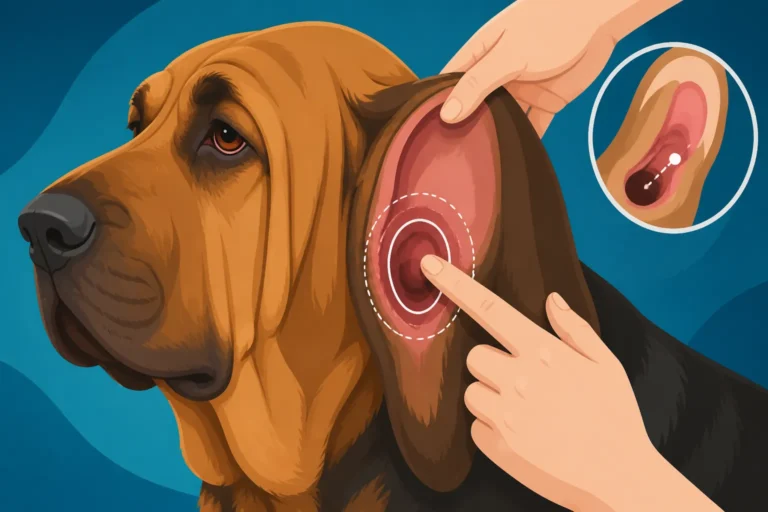
Deep down, inside your Bloodhound's rear end, on either side of the anus, there are two small sacs – these are the anal glands, also sometimes called anal sacs. Each sac is lined with glands that produce a rather foul-smelling, oily liquid. Think of it as your Bloodhound's personal signature scent. When a dog defecates, the pressure of the stool passing through the rectum is supposed to naturally squeeze these sacs, releasing a small amount of this liquid. This is how dogs mark their territory, and it's why they're so interested in sniffing another dog's rear end – they're reading that scent signature like a newspaper.
In a perfect world, these glands empty themselves every time your dog has a bowel movement, and you'd never even know they were there. The fluid helps lubricate the stool and adds that unique scent. It's an entirely natural process, and for many dogs, it happens without any human intervention ever being necessary. However, we don't live in a perfect world, and sometimes, things don't quite go according to plan.
Why Bloodhounds Might Be Different
While anal glands are a common anatomical feature across all dog breeds, certain characteristics of Bloodhounds can sometimes predispose them to issues. First, let's consider their overall build. Bloodhounds are large, often heavy-boned dogs. Their muscular structure and sometimes their gait can influence the pressure exerted on these glands during defecation.
More importantly, diet plays a huge role. Bloodhounds often have sensitive digestive systems, and changes in stool consistency can directly impact anal gland function. If your Bloodhound frequently has soft stools, or experiences diarrhea, there might not be enough firm pressure to naturally express the glands. This can lead to the fluid building up, becoming thicker, and then leading to impaction. We often talk about Feeding a Bloodhound So It Does Not Bloat, but we should also think about feeding them so they have firm, healthy stools.
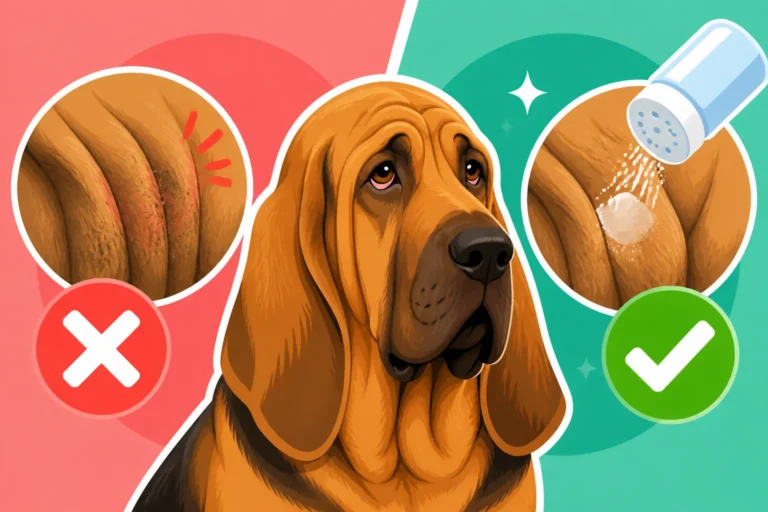
Beyond that, the sheer amount of skin and fur around a Bloodhound's hindquarters can sometimes contribute to issues. While not as directly causative as diet, it can sometimes make it harder to spot swelling or irritation, or create a less-than-ideal environment for proper ventilation. Add to that their penchant for sticking their nose everywhere – literally, everywhere – means they're not always the cleanest dogs, which can potentially exacerbate any mild irritation in the area. Like with Skin Fold Dermatitis on a Bloodhound, moisture and lack of air can cause problems.
Normal vs. Abnormal: What's the Difference?
So, how do you tell if your Bloodhound's anal glands are doing their job or if they're causing trouble?
Normal Function:
- You don't notice anything. Seriously. No scooting, no excessive licking, no foul odors emanating from their rear end, and no visible swelling.
- Your Bloodhound produces firm, well-formed stools consistently. This is the biggest indicator that natural expression is likely occurring.
Abnormal Function (Potential Issues):
- Impaction: The fluid inside the sacs becomes too thick, or the ducts get blocked, preventing natural expression. The glands become full and uncomfortable.
- Infection: Bacteria can get into the impacted glands, leading to pain, swelling, and sometimes pus.
- Abscess: An untreated infection can develop into a painful abscess, which is a pocket of pus that can rupture through the skin. This is a veterinary emergency.
The key takeaway here is that anal glands should function silently and without notice. If you're noticing anything out of the ordinary, it's time to pay closer attention.
Signs Your Bloodhound's Anal Glands Need Attention
Bloodhounds are usually pretty stoic, but when their anal glands are bothering them, they will definitely let you know, often through behaviors that are hard to ignore. Recognizing these signs early can save your dog a lot of discomfort and potentially prevent a more serious issue.
The Classic Scooting and Licking
This is probably the most common and tell-tale sign that something's up with your Bloodhound's rear end. You might see your big hound dragging their backside across your nice carpet, the lawn, or even hard floors. It looks funny, almost comical, but it's a clear indicator of irritation or discomfort. They're trying to relieve pressure or an itch. It's their way of saying, "Hey, something's not right back here!"
Excessive licking or chewing at their hindquarters is another huge red flag. A quick lick now and then is normal grooming, but if your Bloodhound seems fixated on their rear, spending minutes on end gnawing or licking the area, it's a strong signal. This behavior can lead to skin irritation, hot spots, or even further infection if left unaddressed. It's a cycle: discomfort leads to licking, which can lead to more irritation, and so on.
Other Telltale Indicators
Beyond the obvious scooting and licking, there are several other, sometimes more subtle, signs that your Bloodhound's anal glands are giving them grief. Being attuned to these can help you intervene before things escalate.
- Foul Odor: If you suddenly catch a strong, unpleasant, fishy smell emanating from your Bloodhound, especially when they move or get up, it's often a sign of anal gland fluid being expressed involuntarily or leaking due to being overfull. It's a very distinct, hard-to-miss aroma, and trust me, you'll know it when you smell it.
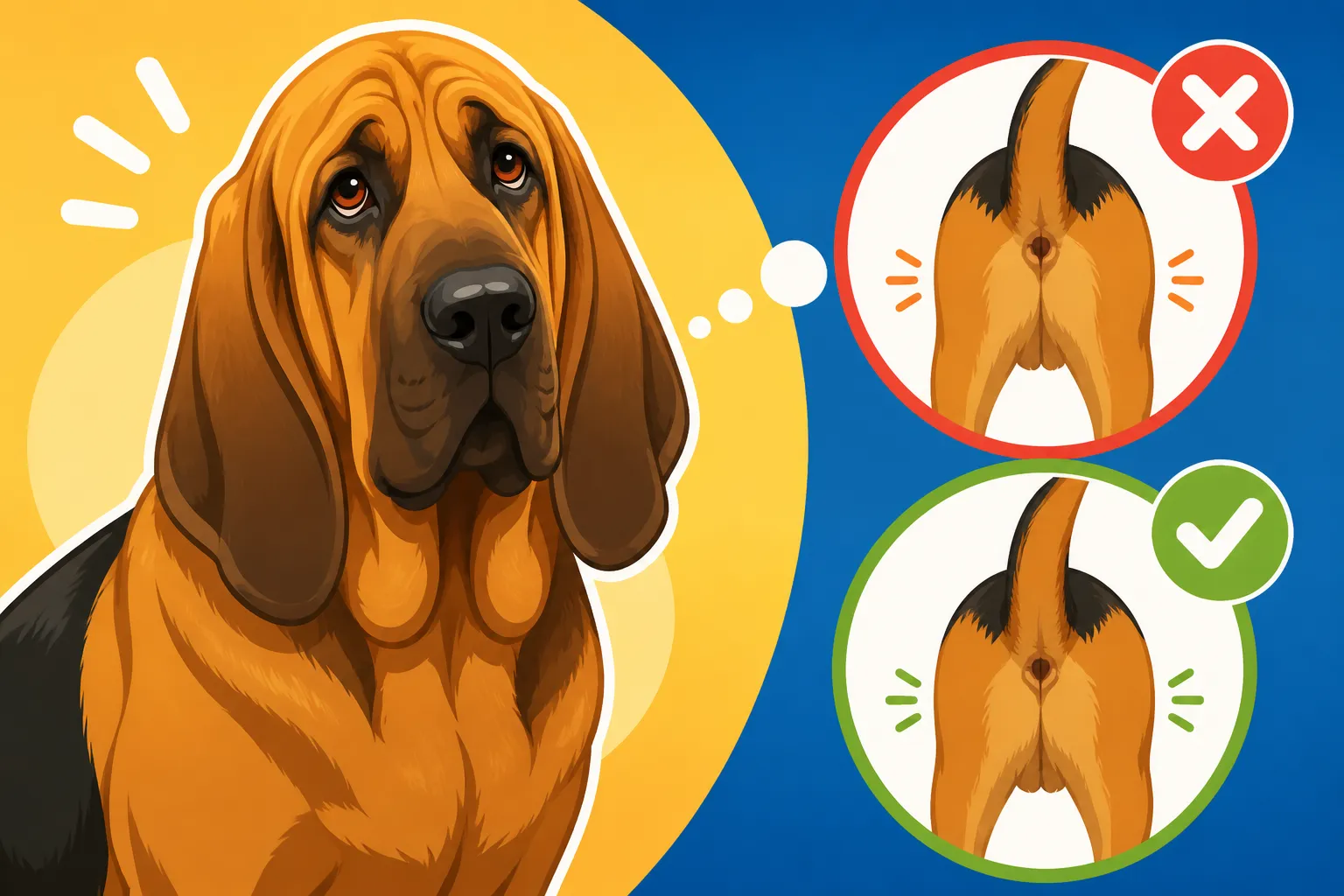
- Swelling or Redness: Take a moment to gently lift your Bloodhound's tail and look at the area around their anus. You might notice redness, swelling, or even a visible bulge on one or both sides. This is a sign of inflammation or an impacted gland. It can be particularly tricky to spot on a furry Bloodhound, but any visible change is worth noting.
- Pain or Discomfort: Your Bloodhound might show signs of pain when you touch their hindquarters or when they try to sit down. They might yelp, shy away, or become unusually sensitive in the area. Difficulty defecating, straining, or seeming hesitant to go to the bathroom can also be related to the pain caused by full or inflamed glands. This discomfort can even impact their general demeanor; a usually happy-go-lucky hound might seem withdrawn or irritable.
- Blood or Pus: This is an immediate red alert. If you see any blood, pus, or discharge coming from the anal area, or notice it on their bedding or where they were sitting, it indicates a ruptured abscess or a severe infection. This requires immediate veterinary attention. Do not delay in seeking help if you see this.
When It's More Than Just a Little Itch
It's easy to dismiss scooting as a funny dog quirk, but it's crucial to understand that unaddressed anal gland issues can quickly escalate. An impacted gland isn't just uncomfortable; it's a prime breeding ground for bacteria. When bacteria proliferate, an infection sets in, causing intense pain and swelling. If this infection goes unchecked, it can lead to an abscess.
An abscess is a painful collection of pus under the skin. It will continue to grow until it either bursts on its own (which is incredibly painful and messy) or is lanced by a veterinarian. A ruptured abscess is an open wound that's prone to further infection and requires diligent cleaning and often antibiotics to heal. The pain from an abscess can be excruciating for your Bloodhound, making even walking or sitting agonizing. So, if you notice any of the aforementioned signs, especially a strong odor or localized swelling, it's really important to act quickly. Ignoring these signs in the hope they'll just go away is a recipe for a much more serious problem down the line.
What to Do When Your Bloodhound Shows Symptoms
When you notice those tell-tale signs of anal gland discomfort in your Bloodhound, your first reaction might be to Google "how to express dog anal glands at home." Please, take a deep breath and put down the rubber gloves!
Consulting Your Veterinarian: The First Step
Seriously, this is not something to DIY. The absolute best first step when you suspect anal gland issues is to call your veterinarian. They are trained professionals who can accurately diagnose the problem and provide the correct treatment. Attempting to express the glands yourself without proper knowledge can actually cause more harm than good. You could injure your dog, cause more inflammation, or even rupture an already delicate sac.
Your vet will conduct a thorough examination, which usually involves gently palpating the glands to assess their size, consistency, and whether they are impacted or infected. They can also determine if there's an underlying issue, like allergies or dietary sensitivities, contributing to the problem. They've seen it all, and they'll handle it with expertise and compassion.
Professional Expression vs. At-Home Attempts
When your vet expresses your Bloodhound's anal glands, they do it safely and effectively. They know the correct technique to apply pressure, emptying the sacs without causing trauma. They'll also be able to tell if the fluid is normal or if it's too thick, bloody, or pus-filled, indicating an infection. If an infection is present, they can prescribe antibiotics or anti-inflammatory medication.
For most owners, attempting to express anal glands at home is not recommended. It's often difficult to do correctly, messy, and as mentioned, carries risks. Unless specifically trained by your vet to perform external expression (which is usually only for very mild, recurrent issues), leave it to the professionals. An internal expression, which is often necessary for truly impacted glands, should only be performed by a veterinarian. Remember, Everything on a Bloodhound Hangs Down and Has to Be Cleaned, but some things require professional help.
Dietary and Lifestyle Changes to Help
After a professional assessment, your vet might suggest some dietary or lifestyle adjustments to help prevent future anal gland issues. These are often the most impactful long-term solutions.
- Increase Dietary Fiber: Fiber helps to bulk up the stool, making it firmer and more consistent. This firmer stool then naturally puts more pressure on the anal glands during defecation, promoting natural expression.
- How to add fiber: You can often find dog foods specifically formulated for digestive health that are higher in fiber. Brands like Purina Pro Plan or Royal Canin often have these options. If you're buying kibble, whether from a local pet store or through a convenient online retailer like Chewy or Amazon, always check the fiber content. Alternatively, you can add fiber supplements to your dog's regular meals. Common safe additions include plain canned pumpkin (not pie filling!), psyllium husk, or commercial fiber supplements designed for dogs. Just be sure to introduce any new fiber slowly to avoid digestive upset. For dogs on fresh food diets, like those offered by Ollie, ensuring a balanced intake of vegetables can also help with fiber.
- Maintain a Healthy Weight: An overweight Bloodhound might have less efficient muscle tone, including around the anal area, which can hinder natural expression. Extra fat can also physically impede the glands. Keeping your Bloodhound at a healthy weight, which is easier said than done with their love of food, is crucial for overall health and can directly benefit anal gland function. This means making sure you know How Much an Adult Bloodhound Eats and adjusting accordingly. If you're concerned your Bloodhound is getting a bit chunky, reading Signs a Bloodhound Is Overweight can be a great starting point.
- Regular Exercise: Consistent exercise helps maintain muscle tone and promotes healthy bowel function. A good, solid walk or a session of Mantrailing Is the Answer to a Bloodhound, Not Obedience can help keep everything moving as it should.
- Allergy Management: Sometimes, anal gland issues are secondary to underlying allergies that cause inflammation or soft stools. If your vet suspects allergies, managing them through diet or medication can resolve the anal gland problem.
When Surgery Becomes an Option
In severe, chronic cases where a Bloodhound experiences recurrent anal gland impactions, infections, or abscesses despite regular expressions and dietary changes, your veterinarian might discuss a procedure called an anal sacculectomy. This is a surgical removal of the anal glands. It's usually considered a last resort because, like any surgery, it carries risks, including potential fecal incontinence or nerve damage, though these complications are rare with an experienced surgeon. However, for a dog suffering from constant pain and discomfort due to anal gland disease, it can be a life-changing solution. Your vet will always discuss the pros and cons thoroughly before recommending such a serious step.
Preventing Future Anal Gland Issues in Your Bloodhound
An ounce of prevention is worth a pound of cure, especially when it comes to anal glands. While some Bloodhounds may be genetically predisposed to issues, many problems can be managed or even avoided with consistent care.
The Role of Diet and Fiber
We touched on this earlier, but it truly is one of the most significant factors in anal gland health. Think of it this way: the primary mechanism for natural anal gland expression is the pressure from firm, solid stool passing by. If your Bloodhound's diet consistently leads to soft, mushy, or irregular stools, those glands aren't getting the natural squeeze they need.
- High-Quality, Consistent Diet: Start with a high-quality dog food that agrees with your Bloodhound. Look for easily digestible ingredients and avoid frequent food changes, which can upset their stomach. Many brands, available through retailers like Chewy or Ollie, offer formulas designed for sensitive stomachs or large breeds, which often contain appropriate fiber levels.
- Fiber Boost: If regular food isn't cutting it, supplementing with natural fiber can make a world of difference.
- Canned Pumpkin: A tablespoon or two of plain canned pumpkin (make sure it's not pumpkin pie filling, which contains spices and sugar) added to your Bloodhound's food once or twice a day can significantly improve stool consistency.
- Psyllium Husk: This is the active ingredient in many human fiber supplements. A small amount, usually 1/2 to 1 teaspoon for a large dog, mixed thoroughly with food, can be very effective. Always introduce it slowly and ensure your dog has access to plenty of water. You can often find pure psyllium husk powder through general online retailers like Amazon.
- Probiotics: Sometimes, gut health issues contribute to inconsistent stools. A veterinarian-approved probiotic supplement, which you can find from various brands online or at pet stores, might help normalize digestion. You might want to consider Whether a Bloodhound Needs a Probiotic if they have recurring issues.
The goal is to achieve firm, well-formed stools that your Bloodhound passes easily. This ensures the glands are getting expressed naturally and regularly, keeping them healthy and happy.
Maintaining a Healthy Weight
Just like with humans, a healthy weight is foundational to a dog's overall well-being. For Bloodhounds, who are prone to certain orthopedic issues like Hip and Elbow Dysplasia in the Bloodhound, maintaining a lean body condition is even more critical. But it also directly impacts anal gland function.
When a Bloodhound is overweight, the excess fat can actually build up around the anal glands, making it harder for the natural muscle contractions and passing stool to exert the necessary pressure for expression. It’s like trying to squeeze a tube of toothpaste that’s encased in a thick layer of insulation – much more difficult. Additionally, obesity can contribute to a more sedentary lifestyle, which can slow down gut motility and lead to softer stools.
Regular exercise, keeping an eye on How Much an Adult Bloodhound Eats, and avoiding too many treats are all vital. If your Bloodhound is carrying a few extra pounds, work with your vet to develop a safe weight loss plan. It’s an investment in their long-term health, and it can significantly reduce the likelihood of anal gland problems.
Regular Vet Check-ups
Even with the best diet and ideal weight, some Bloodhounds might still experience occasional anal gland issues. This is where regular veterinary check-ups become invaluable. Your vet can often spot potential problems before they become severe. During routine exams, they might manually check the glands if your Bloodhound has a history of problems or if they notice any signs during their physical exam.
These visits are also a great opportunity to discuss any changes in your Bloodhound's stool consistency, appetite, or behavior. They can help you fine-tune their diet, suggest specific supplements, or rule out other underlying health conditions that might be contributing to the problem. Think of these check-ups as part of your comprehensive "care package" for your Bloodhound, similar to your The Weekly Routine a Bloodhound Owner Cannot Skip for grooming and health maintenance. Early detection and intervention are always better than waiting for an emergency.
Remember, anal gland issues are common, and while they can be uncomfortable and a bit gross, they are usually manageable with the right approach. Your Bloodhound relies on you to notice when something's wrong, even with the parts they'd rather keep private!
Disclaimer
This article is for general informational purposes only and does not constitute professional advice. Laws, prices and regulations vary by location and change over time. Consult a qualified professional for guidance on your specific situation.