The Weekly Routine a Bloodhound Owner Cannot Skip
Anyone who has welcomed a Bloodhound into their home quickly realizes that these magnificent, scent-driven dogs aren't quite like other breeds. Their unique physical characteristics—those long, velvety ears, the deep, soulful eyes, and those wonderfully wrinkly faces—are undeniably charming, but they also demand a consistent, dedicated care routine. Neglecting these seemingly small tasks can quickly escalate into painful infections and expensive veterinary visits, turning your beloved hound into a miserable patient. This guide will walk you through the non-negotiable weekly routine that every Bloodhound owner needs to master to keep their companion healthy, happy, and smelling (mostly) like a dog, not a swamp.
The Unavoidable Truth: Why Bloodhound Weekly Care is Critical
Bringing a Bloodhound into your life is a profound joy, but it also means signing up for a level of hands-on care that might surprise a first-time owner. These aren't wash-and-wear dogs; their very design, honed over centuries for superior scent work, comes with a set of inherent vulnerabilities that require diligent attention. If you've ever found yourself wondering why your otherwise robust Bloodhound always seems to have something going on, it's often because their unique anatomy makes them predisposed to certain issues that regular maintenance can largely prevent.
Bloodhounds Aren't Your Average Dog
It's easy to fall head over heels for a Bloodhound's gentle demeanor and incredible nose, but their distinctive appearance—those long, pendulous ears, the loose skin, and the deep-set eyes—are not merely aesthetic. They are functional tools for tracking, designed to cup scent to their powerful noses and protect their vision while pushing through brush. However, these very traits create perfect breeding grounds for bacteria, yeast, and irritation if not properly cared for. Many owners initially underestimate the time commitment, only to find themselves playing catch-up with infections or skin issues. It’s a frustrating cycle that can be largely avoided with a steadfast routine.
Imagine your Bloodhound, tail wagging, nose to the ground, exploring every fascinating scent. Now picture those long ears dipping into muddy puddles or brushing against damp undergrowth. It’s a recipe for trouble if those ears aren’t thoroughly cleaned and dried afterward. Similarly, those endearing wrinkles around their muzzle and neck aren’t just for looks; they trap moisture, food particles, and debris, creating warm, moist pockets where skin infections can thrive. Without consistent care, these features can quickly turn from charming to problematic, making your dog uncomfortable and leading to significant vet bills.
Preventive Care Saves Headaches (and Wallets)
The initial sticker shock of a Bloodhound puppy might be one thing, but the ongoing costs of veterinary care for preventable issues can truly add up. A single ear infection, left unchecked, can spiral into a chronic problem requiring multiple vet visits, specialized medications, and even sedated cleanings or, in severe cases, surgery. A Bloodhound's Ears Are a Standing Infection Risk, and it's far cheaper and less stressful for everyone involved to prevent these issues than to treat them. This isn't about being obsessive; it's about being responsible and understanding the breed’s specific needs.
By committing to a weekly routine, you’re not just cleaning your dog; you’re performing early detection. You’re checking for new lumps, suspicious odors, changes in skin texture, or signs of irritation before they become full-blown problems. Think of it as your weekly health check-up for your Bloodhound, performed by the person who knows them best: you. This proactive approach saves stress, discomfort, and significant financial strain down the line. It transforms potential emergencies into manageable maintenance, allowing you to enjoy your Bloodhound’s wonderful personality without constant worry about their health.
Conquering the Ears and Folds: A Detailed Weekly Guide
The ears and skin folds are arguably the most demanding parts of a Bloodhound's weekly routine. They require patience, consistency, and the right tools. Many owners dread these tasks, but with a systematic approach and positive reinforcement, your Bloodhound can learn to tolerate, and even enjoy, their spa time.
Deep Dive into Ear Cleaning Protocol
A Bloodhound's ears are legendary, but they are also a biological marvel of infection potential. Their long, heavy leathers hang close to the head, creating a warm, humid, and poorly ventilated environment within the ear canal. This, combined with the normal wax and debris, sets the stage for yeast and bacterial overgrowth. This is why How Often a Bloodhound's Ears Need Cleaning is practically a weekly commandment. Skipping even a week can be enough for an infection to take hold, especially in warmer or humid climates.
To properly clean your Bloodhound’s ears, you’ll need a veterinarian-approved ear cleaner (available from your vet or online retailers like Chewy or Amazon), cotton balls, and plenty of treats. Never use cotton swabs deep inside the ear, as this can push debris further in and damage the delicate ear drum. Start by gently lifting the ear leather to expose the ear canal. Apply a generous amount of ear cleaner directly into the canal, filling it up. Then, gently massage the base of the ear for about 30-60 seconds. You’ll hear a squishing sound as the cleaner breaks up wax and debris. Let your Bloodhound shake their head—this helps dislodge the gunk. Finally, use cotton balls to wipe away all visible dirt and cleaner from the outer ear and the entrance to the ear canal. Repeat until the cotton comes out clean. Don't forget the underside of the ear leather itself, which can get grimy from dipping into bowls or dragging on the ground. For detailed product recommendations, refer to What to Clean a Bloodhound's Ears With.
Navigating the Labyrinth of Skin Folds
The Bloodhound’s iconic loose skin, those wonderful wrinkles and dewlaps, are part of their unique charm and functionality. However, these folds are notorious for trapping moisture, dirt, and food, creating ideal conditions for yeast and bacterial infections, a condition often referred to as Skin Fold Dermatitis on a Bloodhound. It’s easy to overlook these areas, but they need daily or at least weekly attention, depending on your dog’s activity level and propensity for getting messy. Where a Bloodhound's Folds Are can give you a better idea of all the spots you need to pay attention to.
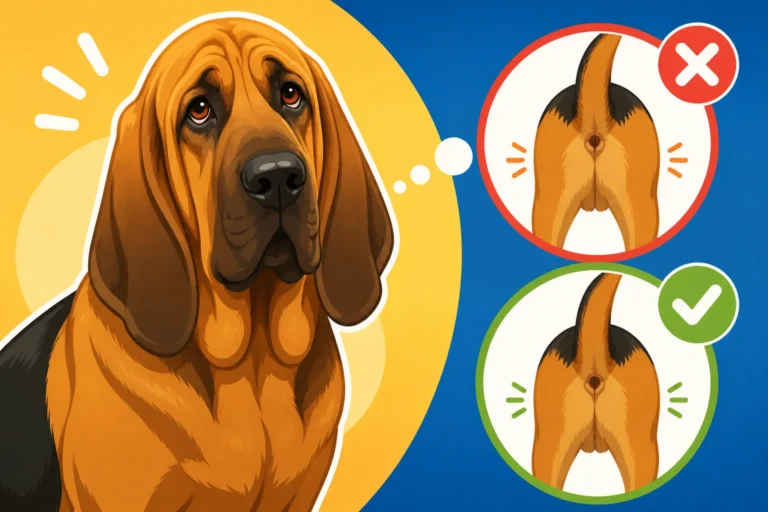
The most common problem areas are the facial folds around the muzzle, the neck folds (dewlap), and, surprisingly, the folds around the vulva in females or under the tail. Use a soft, damp cloth, or pet-friendly cleansing wipes, to gently clean deep within each fold. After cleaning, it is absolutely critical to dry these areas thoroughly. Residual moisture is the enemy. You can use a clean, soft towel or even a low, cool setting on a hairdryer (if your dog tolerates it) to ensure the skin is completely dry. Some owners even use a light dusting of cornstarch-based powder (unscented and safe for pets) to help absorb moisture in particularly deep or stubborn folds, especially in humid weather. Consistent attention here prevents redness, itching, and that tell-tale "sour" smell that indicates an infection is brewing.
Beyond the Obvious: Eyes, Drool, and Overall Wellness
While ears and folds take center stage, other aspects of a Bloodhound's weekly care are equally important for their comfort and health. Their expressive eyes require specific attention, and their propensity for drool means regular clean-up. Beyond the physical, a structured approach to feeding and general health monitoring is paramount.
Keeping Those "Sad" Eyes Healthy
A Bloodhound’s eyes have a distinctive, often droopy appearance, which contributes to their sweet, mournful expression. However, this loose skin around the eyes can also predispose them to certain conditions. For instance, many Bloodhounds naturally exhibit ectropion, where the lower eyelid rolls outward, exposing the delicate conjunctiva and allowing debris and irritants to enter more easily. What Ectropion Looks Like on a Bloodhound can help you identify this. This means their eyes are more prone to dryness, irritation, and even chronic infections if not kept clean. It's one of The Four Eye Problems a Bloodhound Is Born Toward.
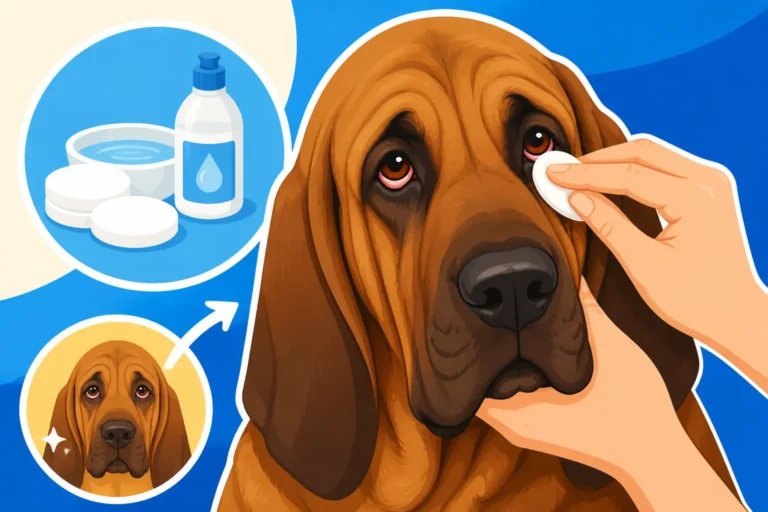
Weekly eye care involves gently wiping away any discharge with a soft, damp cloth or a sterile saline solution applied to a cotton ball. Wipe from the inner corner of the eye outward. Be sure to check for any redness, excessive tearing, cloudiness, or any foreign objects that might have become trapped. If your Bloodhound has particularly saggy lower lids, you might notice some tear staining, which can be wiped away with a pet-safe stain remover or just warm water. Regular cleaning helps prevent dirt and irritants from accumulating and reducing the risk of secondary infections. If you notice persistent redness, thick discharge, or your dog pawing at their eyes, it's time for a vet check, as these could be signs of a more serious issue like a corneal ulcer or entropion (where the eyelid rolls inward).
Managing the Bloodhound Drool and Grooming Basics
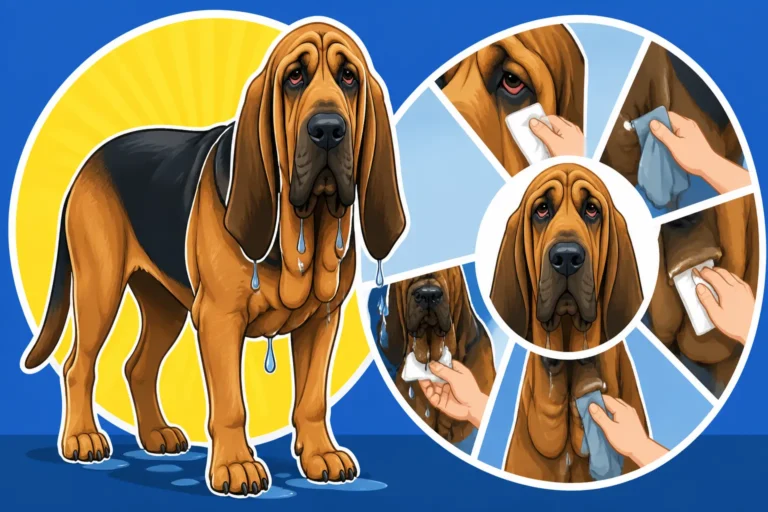
Let's be real: Bloodhounds drool. It's part of their charm, or at least, part of the reality of living with one. Their loose jowls, designed to help trap scent, are also incredibly efficient at accumulating saliva, especially after drinking or when excited by food. This isn't just a minor inconvenience; constant dampness on their chest and neck can lead to skin irritation or matting of the shorter fur. Incorporating drool management into your weekly routine is less about prevention and more about effective clean-up and damage control.
Many Bloodhound owners use snoods – fabric tubes that slip over the dog’s head to keep their ears and jowls out of their food and water. What a Snood Does for a Bloodhound is invaluable for meal times. Even with a snood, regular wiping of their jowls and chest with a clean cloth is often necessary. Beyond drool, weekly grooming should also include checking and trimming nails, including those often-forgotten dewclaws. Long nails can cause discomfort, alter gait, and lead to paw problems. While their short coats are relatively low-maintenance, a quick brush with a rubber curry comb helps remove loose hair and distribute natural oils, promoting a healthy shine. Don't forget to check their teeth weekly for any signs of dental disease, redness, or tartar buildup, and consider a weekly tooth brushing with dog-specific toothpaste.
The Importance of Regular Health Checks and Feeding Habits
Your weekly routine isn't just about cleaning; it's also a chance to perform a full-body health check. While petting your Bloodhound during cuddle time, make it a habit to run your hands over their entire body, feeling for any new lumps, bumps, or tender spots. Check their paw pads for cuts, cracks, or foreign objects, especially if they’re active outdoors. Lift their lips to check gums and teeth. These mini-examinations can catch potential problems early, sometimes even before your dog shows obvious symptoms. This hands-on approach builds a stronger bond with your dog and provides invaluable insight into their physical well-being.
Feeding habits also play a crucial role in your Bloodhound's overall health, particularly concerning bloat, a life-threatening condition for deep-chested breeds like Bloodhounds. While diet isn't a weekly change, observing their eating habits and ensuring you're sticking to a routine is. Feeding How Many Meals a Day a Bloodhound Should Eat (typically two or three smaller meals rather than one large one) can help reduce bloat risk. Avoid strenuous exercise immediately before or after meals. Many owners opt for large breed specific formulas, and services like Ollie can offer tailored, high-quality food options, but always check their specific recommendations and consult with your vet. Ensuring your Bloodhound maintains a lean body condition is also important for their joint health, especially as they approach The Age a Bloodhound Reaches Full Weight.
Here’s a handy checklist for your Bloodhound's weekly routine:
| Task | Frequency | Tools Needed | Key Considerations |
|---|---|---|---|
| Ear Cleaning | Weekly | Vet-approved cleaner, cotton balls, treats | Lift ear, massage, let shake, wipe thoroughly. Avoid cotton swabs deep in canal. |
| Fold Wiping | Weekly | Damp cloth/wipes, dry towel (or hairdryer) | Get deep into all wrinkles (face, neck, tail). Ensure skin is completely dry. |
| Eye Cleaning | Weekly | Soft, damp cloth or saline solution | Wipe discharge, check for redness/irritation. Be gentle. |
| Drool Management | Daily/Weekly | Snood (for meals), clean cloths | Wipe jowls/chest. Consider raised, narrow bowls for water. |
| Nail Trim | Weekly/Bi-weekly | Clippers or grinder, styptic powder | Don't forget dewclaws. Avoid cutting the quick. Positive reinforcement is key. |
| Teeth Brushing | Weekly | Dog-specific toothbrush & toothpaste | Focus on outer surfaces. Start early for best acceptance. |
| Coat Brush | Weekly | Rubber curry comb or hound glove | Removes loose hair, distributes oils, promotes bonding. |
| Body Check | Weekly | Your hands! | Feel for lumps, bumps, tenderness. Check paw pads, teeth, and gums. |
| Observe Eating Habits | Ongoing | Slow feeder bowl (optional) | Ensure multiple small meals, no vigorous exercise before/after eating. |
Remember, consistency is your greatest ally in keeping your Bloodhound healthy. While How Long a Bloodhound's Attention Lasts in a Session might be fleeting, breaking these tasks down into manageable, positive interactions will make them much easier for both of you.
Disclaimer
This article is for general informational purposes only and does not constitute professional advice. Laws, prices and regulations vary by location and change over time. Consult a qualified professional for guidance on your specific situation.