Whether a Bloodhound’s Folds Should Be Powdered
As a Bloodhound owner, you quickly learn that those magnificent, loose folds of skin are both a defining characteristic of the breed and a constant source of concern. Many new owners, trying their best to keep their beloved hound comfortable and clean, might wonder if dusting those deep wrinkles with powder is a good idea. While it seems like a logical step to absorb moisture and keep things fresh, the truth is, powdering a Bloodhound's folds can often do more harm than good, creating a whole new set of problems you really don't want to deal with. This guide will walk you through why powder is generally best avoided and how to properly care for your Bloodhound's unique skin.
The Bloodhound's Unique Skin Folds and Why They Need Attention
Bloodhounds are truly majestic creatures, known for their incredible noses and that distinctive, saggy, soulful look. But those beautiful, loose folds of skin aren't just for show; they're actually a crucial part of their super-sensing anatomy, helping to trap scent particles close to their nose as they trail. However, this same anatomical marvel also makes them particularly prone to skin issues, demanding diligent and specific care.
Understanding the Anatomy of a Bloodhound's Folds
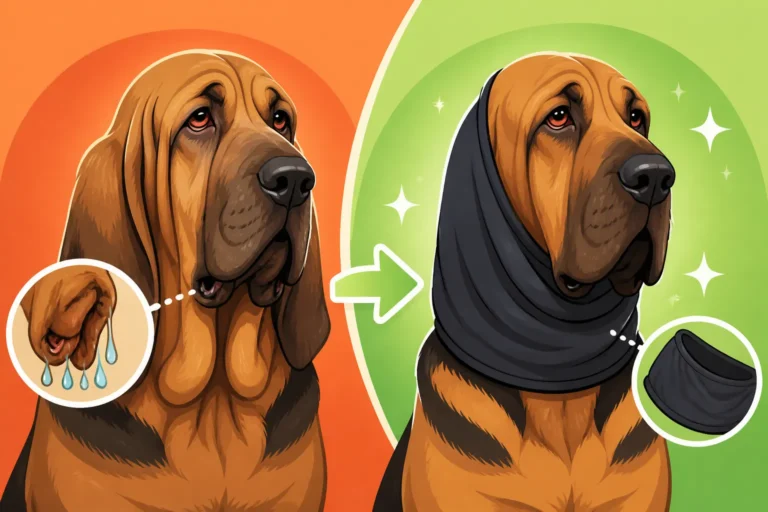
Take a good look at your Bloodhound, and you'll see those impressive folds everywhere. They drape around their long, solemn face, creating deep wrinkles above and below the eyes, around the muzzle, and famously, in that majestic dewlap that hangs beneath their neck and often continues down their chest. These aren't just superficial wrinkles; they can be surprisingly deep, creating hidden pockets and crevices where moisture and debris can easily collect. When you look at Where a Bloodhound's Folds Are, you start to understand just how much surface area needs attention.
These folds naturally create a warm, dark, and often moist environment. Think about it: drool, food particles, water from drinking, and even just environmental humidity can get trapped deep within these skin layers. This perfect storm of conditions is an absolute paradise for bacteria and yeast, which thrive in such damp, low-airflow settings. What seems like a charming facial feature quickly becomes a potential hotspot for irritation and infection if not managed properly.
The Purpose of Daily Fold Care
Given the natural propensity for problems, daily fold care isn't just a suggestion; it's an essential part of responsible Bloodhound ownership, a non-negotiable routine to maintain your dog's health and comfort. This isn't about vanity or making them look perfectly primped; it's about preventative health, pure and simple.
Regular cleaning actively removes the very things that cause trouble: the accumulated dirt, stray bits of kibble, inevitable drool, and excessive moisture. By getting into these crevices every day, you interrupt the cycle of bacterial and yeast growth before it can even begin to flourish. This consistent vigilance prevents the onset of inflammation, that tell-tale foul odor, and the discomfort that leads to more serious skin infections. It's truly about maintaining a healthy, intact skin barrier, which is your first line of defense against painful issues. In short, it’s about making sure your Bloodhound is happy and healthy in their own skin, literally.
What Happens When Folds Are Neglected
If you skip even a few days of fold care, or if your cleaning isn't thorough enough, the consequences can quickly become unpleasant for both you and your Bloodhound. That warm, moist environment we talked about? It starts to breed trouble. You might first notice a faint, slightly sour smell emanating from the folds. This is often the first warning sign that yeast or bacteria are starting to multiply.
Soon after, the skin within the folds can become visibly red and irritated. This initial inflammation is uncomfortable for your dog, leading to itching, rubbing their face on furniture, or pawing at the affected areas. This condition is commonly known as "fold dermatitis," and it's a painful reality for many Bloodhounds whose folds aren't meticulously cared for. If left unchecked, this can rapidly escalate into a full-blown, secondary bacterial or yeast infection. At this point, the area might be intensely red, swollen, greasy, and smell strongly putrid. These infections are not only deeply painful for your Bloodhound but will almost certainly require a costly and inconvenient trip to the veterinarian for professional diagnosis, medication, and possibly even prescription medicated shampoos or wipes. You don't want to wait until Signs a Bloodhound's Fold Is Turning become obvious, because by then, the problem has usually taken root.
Why Powdering is Generally NOT Recommended for Bloodhound Folds
The idea of using powder to combat moisture in deep skin folds seems logical on the surface, right? We use it ourselves sometimes. But when it comes to your Bloodhound's unique anatomy and skin, this seemingly helpful solution can actually introduce more problems than it solves. It’s a common misconception that often leads owners down the wrong path.
The Risks of Trapping Moisture and Creating a Breeding Ground for Trouble
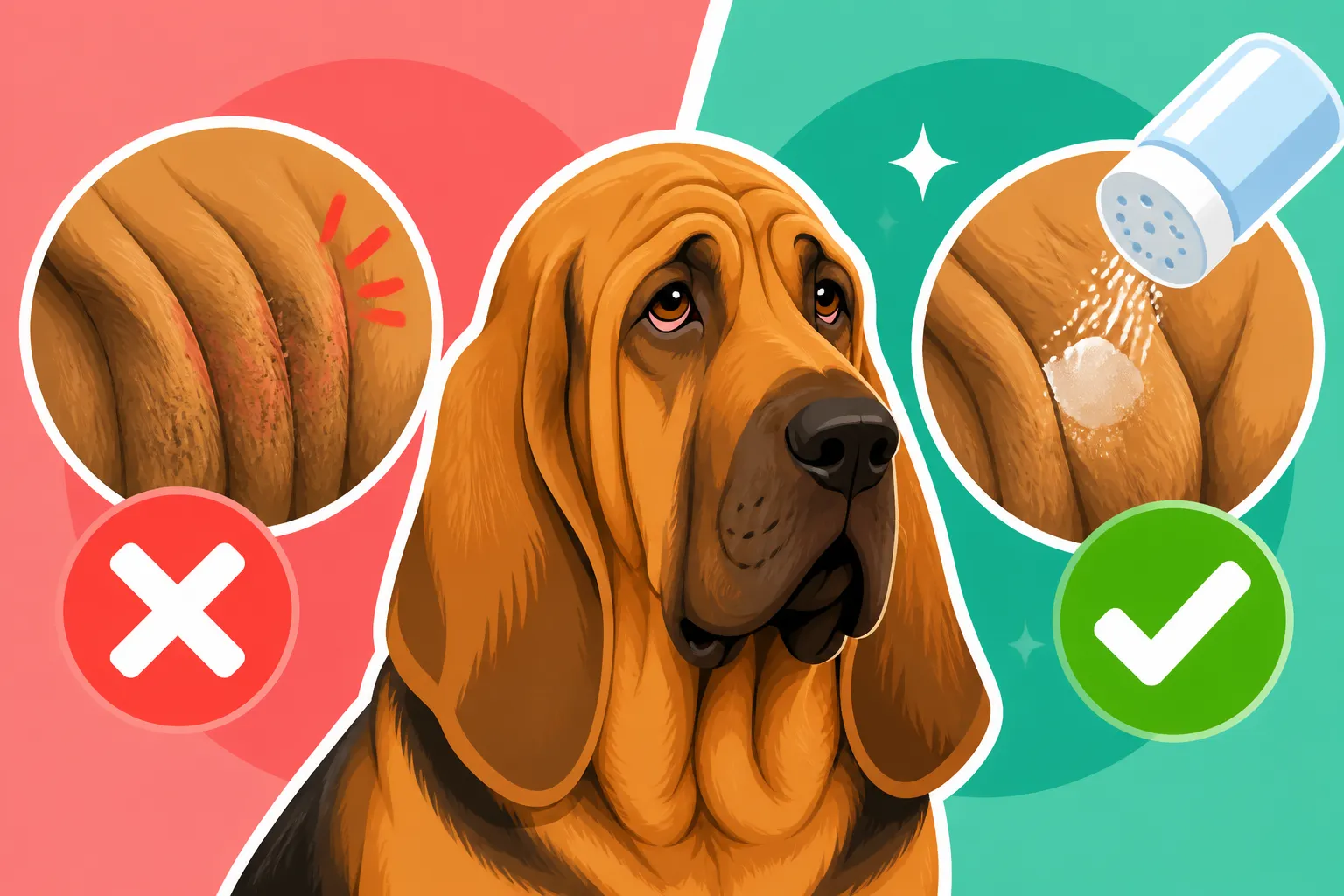
This might sound counterintuitive, but applying powder to your Bloodhound's folds can actually trap moisture rather than effectively eliminating it. Think about it: those folds are already warm and often damp. When you sprinkle powder into them, it doesn't just magically disappear or dry everything out like an industrial-strength dehumidifier. Instead, the powder granules can mix with natural skin oils, slobber, residual water, and any other debris present, forming a sticky, clumpy paste.
This paste effectively seals in the existing moisture against the skin. It also creates a physical barrier that prevents air circulation, making the area even more humid and anaerobic (lacking oxygen). This enhanced environment is a dream come true for yeast and bacteria, which will multiply exponentially under these conditions. So, instead of preventing irritation, you've inadvertently created a perfect breeding ground for the very infections you're trying to avoid. It’s akin to putting a wet cloth in a plastic bag—it'll stay wet, and potentially grow mold, even faster.
The Problem with Ingredients in Many Powders
Beyond the issue of trapping moisture, the ingredients commonly found in many commercially available powders can also pose significant problems for your Bloodhound's sensitive skin. Many powders, especially those intended for human use or generic pet care, often contain substances that are simply not appropriate for the delicate environment of a dog's skin folds.
For example, talc, a common ingredient, can be an irritant. If inhaled, it can cause respiratory issues, and when it cakes in the folds, it can exacerbate skin irritation. Cornstarch, another popular powder base, seems harmless because it's natural. However, here's the kicker: cornstarch is a carbohydrate, and guess what loves to feed on carbohydrates? Yeast and bacteria! So, if you're battling a yeast overgrowth, applying cornstarch is like throwing a party for the microbes. Furthermore, many powders contain artificial fragrances. While they might make your Bloodhound smell "fresh" for an hour or two, these chemicals can be highly irritating to already sensitive skin and can cause allergic reactions. Plus, fragrances can mask the subtle, early warning signs of an infection, like a faint sour smell, delaying necessary intervention.
When a Vet Might Briefly Suggest Powder (and the caveats)
Now, it's true that in very specific and often acute medical scenarios, your veterinarian might, on rare occasion, recommend a particular medicated powder. But this is a very different beast from the general use of cosmetic powders. For instance, if your Bloodhound has a severe, weeping yeast infection that has been thoroughly cleaned and dried, a vet might prescribe a specialized antifungal powder for a very limited duration.
The key here is "medicated," "limited duration," and "veterinary directive." This isn't a DIY solution for ongoing maintenance. These medicated powders contain active ingredients designed to kill specific pathogens, and they are used to dry out an area after it has been cleaned, not as a substitute for cleaning. They are typically applied for just a few days, under strict observation, and with a clear purpose to tackle an existing issue. This is not a green light for routine powdering of your Bloodhound's folds. It's a targeted, temporary treatment, and should never be seen as a general maintenance practice. If you're wondering Whether a Bloodhound's Folds Should Be Powdered, the answer for everyday care is almost always no.
The Right Way to Care for Your Bloodhound's Folds (Without Powder)
So, if powder is off the table, what should you be doing? The good news is that proper fold care for your Bloodhound is straightforward, if a bit meticulous, and far more effective in the long run. It's about consistent, gentle attention that prevents problems rather than trying to fix them after they've started.
The Golden Rule: Clean and Dry
This is the absolute cornerstone of healthy Bloodhound skin. Forget fancy powders or complicated routines; your primary mission is to keep those folds clean and, crucially, dry. This means committing to a daily ritual, or at least every other day, depending on your dog's individual needs and how prone they are to dampness or slobber. How Often a Bloodhound's Folds Need Wiping truly depends on your dog's lifestyle and how much they drool!
The process is simple: gently wipe deep into all the accessible folds to remove any accumulation of food, drool, dirt, or moisture. Then, and this is the vital second step, you must thoroughly dry the area. Leaving any residual moisture, even after cleaning, defeats the purpose and leaves those perfect breeding grounds for bacteria and yeast intact. This consistent removal of irritants and prevention of dampness is the single most effective way to keep your Bloodhound's skin healthy and free from infection. It’s an investment in their comfort and your peace of mind, far more reliable than any quick-fix powder.
Tools and Techniques for Effective Fold Cleaning
To perform this essential task, you don't need a lot of specialized equipment, but a few key items will make your life easier and your Bloodhound more comfortable. Start with soft, absorbent materials like cotton pads, gauze squares, or even just soft, clean washcloths. Avoid anything abrasive that could irritate their delicate skin. When choosing a cleaning solution, stick to veterinarian-approved options. Many vets recommend gentle, non-irritating skin wipes specifically designed for pets, often available from online retailers like Chewy or Amazon. You might also be advised to use a dilute chlorhexidine solution (check with your vet for the correct dilution) for its antiseptic properties, but always ensure it's approved for direct skin contact and that it's gentle.
The technique is key:
- Lift and Expose: Gently lift each fold of skin, starting from the top of their head and working your way down their face and neck. You need to expose the deepest parts of the creases.
- Wipe Thoroughly: Use a fresh, damp (with your chosen cleaner) cotton pad or cloth to gently wipe away all visible debris, moisture, and any greasy residue. Don't be afraid to go deep, but be gentle. Remember, you're trying to remove everything trapped in there. What to Wipe a Bloodhound's Folds With should always be a gentle, vet-approved solution.
- Dry, Dry, Dry: This is the most crucial step. Using a separate, clean, and dry cotton pad or cloth, thoroughly pat and wipe the area dry. You might need to use multiple dry cloths. You should lift the folds and gently hold them apart for a moment to allow air to circulate and help with drying. The goal is bone-dry skin. Whether a Bloodhound's Folds Should Be Dried After Wiping isn't just a recommendation; it's a critical step.
- Repeat: Move on to the next fold and repeat the process. Don't skip any, especially those around the muzzle, eyes, and the deep neck folds. You may find that What a Bloodhound Owner Spends on Towels and Cleaner becomes a significant part of your budget, but it's worth it!
Recognizing and Addressing Early Signs of Irritation
Even with the most diligent care, sometimes irritations can crop up. Being vigilant and knowing what to look for will allow you to intervene early, preventing a minor issue from becoming a full-blown infection. Regularly examine your Bloodhound's folds, not just during cleaning, but also when you're cuddling or playing.
What should you be looking for?
- Redness: Any abnormal pinkness or redness of the skin within the folds is a sign of irritation.
- Odor: A foul or yeasty smell, beyond your Bloodhound's natural scent, indicates bacterial or yeast overgrowth. You'll know it when you smell it – it's often pungent and unpleasant. Whether a Bloodhound Carries an Odor From Its Folds is natural to some extent, but a strong, sour smell is a red flag.
- Dampness or Greasiness: If the folds feel perpetually damp, sticky, or greasy even after cleaning, it means moisture is still being trapped or an infection is producing exudates.
- Scratching or Rubbing: If your Bloodhound is excessively pawing at their face, rubbing their head on the carpet, or shaking their head more than usual, it could be a sign of discomfort in the folds.
- Discharge: Any yellowish, brownish, or crusty discharge in the folds is a definite sign of infection.
If you notice any of these signs, don't wait. Early intervention is paramount. Contact your veterinarian promptly. They can accurately diagnose whether it's a bacterial, yeast, or fungal infection, or simply an irritation, and prescribe the appropriate treatment. This might include medicated wipes, topical creams, or even oral antibiotics or antifungals. Brands like Ollie might offer special shampoos designed for sensitive or irritated skin, which could be part of a vet-prescribed treatment plan. Delaying treatment only allows the infection to worsen, causing more pain for your Bloodhound and often leading to more extensive and expensive veterinary care. Staying on top of Whether a Bloodhound's Fold Smell Means Infection can save a lot of trouble.
Taking care of a Bloodhound’s folds might seem like a lot of work, and yes, it truly is a daily commitment. But by skipping the powder and focusing on the simple, effective routine of cleaning and drying, you’ll be doing wonders for your hound’s health and happiness. Their goofy, droopy faces are part of their charm, and keeping them healthy is just part of the unconditional love we offer our incredible Bloodhounds.
| Care Aspect | Powdering Folds (Generally NOT Recommended) | Proper Fold Care (Recommended) |
|---|---|---|
| Primary Goal | Absorb surface moisture, mask odor | Remove debris, maintain dry, clean skin, prevent infection |
| Method | Dusting powder onto and into skin folds | Gentle wiping with approved cleaner, thorough drying |
| Key Actions | Apply powder, rub in (often causes clumping) | Lift folds, wipe deep, pat completely dry |
| Risks | Traps moisture, feeds yeast, irritates skin, masks issues | Minimal, if performed gently and consistently |
| Long-term | Can lead to chronic skin irritation & infection | Promotes healthy skin barrier, reduces infection risk |
| Products | Talc-based, cornstarch-based, or fragranced powders | Vet-approved wipes (e.g., from Chewy or Amazon), soft cloths |
| Vet Advice | Generally advises against for routine care | Strongly recommends as essential preventative care |
Disclaimer
This article is for general informational purposes only and does not constitute professional advice. Laws, prices and regulations vary by location and change over time. Consult a qualified professional for guidance on your specific situation.