Whether a Bloodhound Carries an Odor From Its Folds
One of the most common, and frankly, often embarrassing, concerns Bloodhound owners share is the distinctive odor that can sometimes emanate from their beloved hounds, particularly from those glorious, wrinkly folds. It’s a frustration many of us know all too well – you adore your dog, but that "Bloodhound smell" can be a real challenge to manage, often leading you to wonder if it's just how they are, or if something more can be done. This guide will delve deep into why Bloodhounds are prone to this unique scent, specifically focusing on the causes of fold-related odor, and provide practical, empathetic advice on how to manage and prevent it, ensuring your hound smells less like a damp cave and more like the cherished companion they are.
The Unique Anatomy of a Bloodhound's Skin Folds and Their Purpose
Let's face it, those abundant, loose folds of skin are a hallmark of the Bloodhound breed. They are part of what makes our hounds so incredibly distinctive, giving them that wise, soulful, and sometimes comically sad expression we all love. But beyond their aesthetic appeal, these folds serve a very important purpose in the Bloodhound's work, which unfortunately also makes them prone to certain issues, including odor.
Understanding the Bloodhound's Distinctive Skin Structure
The Bloodhound's loose skin, particularly around the head, neck, and chest, isn't just for show. It's a functional trait, carefully selected for centuries to enhance their incredible scenting ability. When a Bloodhound drops its head to follow a trail, these deep, abundant wrinkles and dewlaps literally hang down, helping to create a "scent funnel." They sweep and gather scent particles from the ground and air, directing them towards the nose, effectively trapping and concentrating the olfactory information. This unique adaptation is a huge part of what makes them the unsurpassed tracking dogs they are, enabling them to follow trails days old or through challenging environments.
However, this very design, while a marvel of nature for scent work, introduces a host of challenges for us owners. The sheer volume of skin means there are numerous nooks and crannies, deep crevices and overlapping layers, especially around the face, neck, and under the chin. These areas are naturally warmer and less exposed to air circulation than smoother skin surfaces. Understanding that this loose skin is integral to their purpose helps us appreciate why we have to be so diligent with their care, rather than simply wishing they were less wrinkly!
The Warm, Damp Environment Folds Create
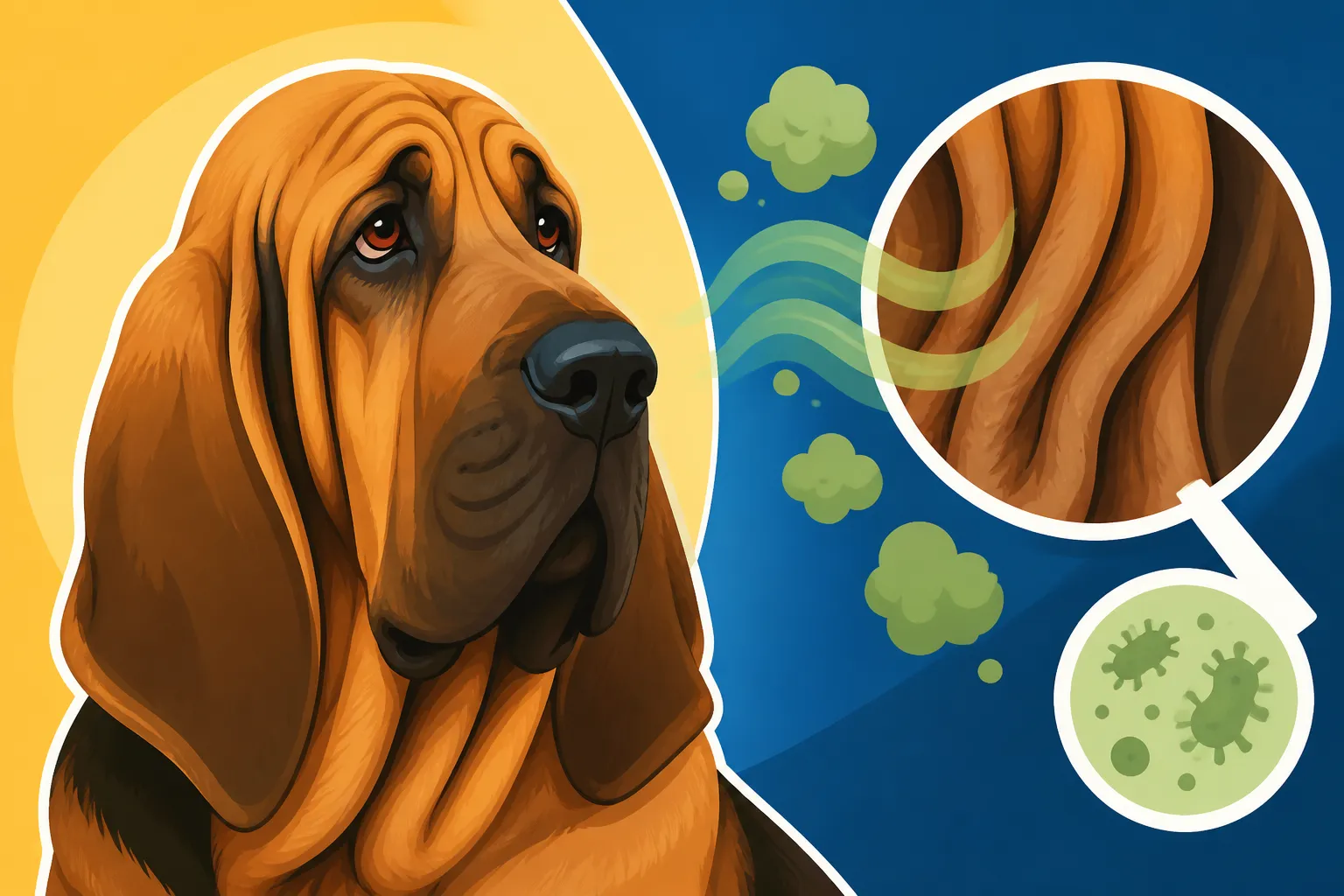
Imagine a humid, poorly ventilated space – that's often what the inside of a Bloodhound's skin fold can become. These deep folds, especially those around the muzzle, jowls, and neck, are prime locations for moisture to get trapped. Whether it's from drool, water dripping after a drink, sweat, or even just humidity in the air, moisture has a hard time evaporating from these tightly packed layers of skin. This creates a consistently warm and damp microclimate.
This perpetually moist and warm environment is, unfortunately, the perfect breeding ground for various microorganisms. Yeast and bacteria, which are naturally present on a dog's skin, thrive in such conditions. When their populations grow unchecked, they can lead to irritation, inflammation, and, you guessed it, a distinct, often unpleasant odor. It’s not just a superficial smell; it's a sign that the delicate balance of the skin's ecosystem has been disturbed. If you've ever felt the dampness within a Bloodhound's folds, you know exactly the kind of environment we're talking about, and why it so easily lends itself to developing that "Bloodhound smell."
Common Causes of Odor in Bloodhound Skin Folds
When that distinct Bloodhound odor starts to become noticeable, it's usually not just "eau de hound." More often than not, it points to a specific issue brewing within those lovely wrinkles. Understanding these common culprits is the first step toward effective management and getting your dog smelling fresh again.
Yeast and Bacterial Infections: The Usual Suspects
By far, the most frequent cause of an unpleasant odor emanating from a Bloodhound's folds are yeast and bacterial infections. Our dogs naturally carry a certain level of yeast (like Malassezia) and bacteria on their skin, which in a healthy, well-ventilated environment, cause no problems. However, as we discussed, the warm, damp, and dark conditions within the skin folds create an ideal habitat for these microorganisms to proliferate rapidly.
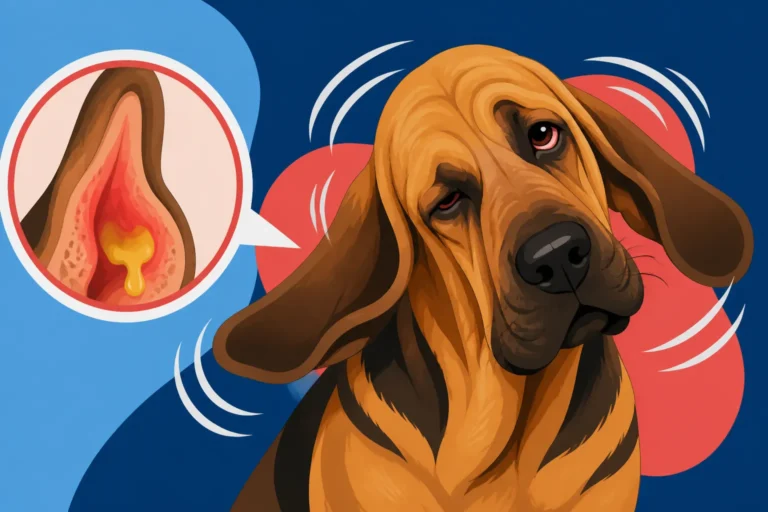
When yeast, in particular, overgrows, it produces a very recognizable, sweet, and often musty smell, sometimes described as being like stale bread or corn chips. Bacterial infections, on the other hand, tend to produce a more pungent, sour, or even rotten smell. These infections, whether yeast, bacterial, or often a combination of both, are medically referred to as Skin Fold Dermatitis on a Bloodhound. They cause irritation, itching, and inflammation, which can range from mild redness to severe, oozing sores. It's a vicious cycle: the irritation leads to more scratching and rubbing, which further breaks down the skin barrier, allowing more microbes to flourish and deepening the odor. You might notice your Bloodhound scratching at their face, rubbing against furniture, or shaking their head more frequently if these infections are setting in.
Irritation and Inflammation (Skin Fold Dermatitis)
Beyond just the microbial overgrowth, the constant friction and moisture in the folds can directly lead to irritation and inflammation, even before a full-blown infection takes hold. This is often the precursor to what we commonly call skin fold dermatitis. Imagine constantly having a damp cloth rubbing against your skin; it would quickly become red, raw, and sensitive. The same happens in a Bloodhound's folds, especially in areas like the lips (lip fold pyoderma), the neck, or even around the tail pocket, though on a Bloodhound, the facial and neck folds are the most prominent.
This irritation can manifest as redness, hair loss in the affected area, and a general tenderness that your dog might shy away from you touching. The skin might even appear thickened or greasy. This inflammation can itself produce an odor, as damaged or irritated skin often has a different scent profile. Even without an overt infection, the breakdown of the skin barrier can make it more susceptible to future infections and contribute to that general "off" smell. It's a silent battle happening in those hidden crevices, and often, the smell is our first clue that something is amiss. Knowing Where a Bloodhound's Folds Sit helps you target your cleaning efforts to these common problem areas.
Environmental Factors and Allergies
While direct microbial overgrowth and irritation are primary causes, external factors and underlying health conditions can exacerbate fold odor. Environmental allergens, like pollen, dust mites, or certain grasses, can trigger an allergic response in your Bloodhound. Just like humans with allergies, dogs can develop itchy skin, which leads to scratching, licking, and rubbing. This self-trauma further irritates the skin folds, creating more inflammation and opening the door for secondary yeast and bacterial infections.
Food allergies or sensitivities can also manifest as skin problems, including increased oiliness, redness, and itching, which again predisposes the folds to issues. Even something as simple as high humidity in the environment or a Bloodhound getting wet during a walk and not being thoroughly dried in their folds can jumpstart the problem. For instance, you might notice Whether a Bloodhound's Fold Gets Worse in Summer, as higher temperatures and humidity create prime conditions for skin issues. It's a multi-faceted problem, and sometimes, solving the odor means looking beyond just the folds themselves to your dog's overall health and environment.
Daily Care and Management to Combat Fold Odor
Okay, so we understand why the folds can get smelly. Now, let's talk about the practical side: what you can actually do about it. The good news is that with consistent, diligent care, you can significantly reduce or even eliminate that pervasive fold odor and keep your Bloodhound comfortable and healthy.
A Consistent Cleaning Routine is Key
The absolute cornerstone of managing Bloodhound fold odor is a consistent and thorough cleaning routine. This isn't a "once-a-week if you remember" kind of task; it's a daily commitment, especially for hounds prone to issues or during humid weather. Think of it like brushing your teeth – it needs to happen regularly to prevent problems. You need to gently lift each fold, examine the skin underneath for any redness, dampness, or debris, and then carefully wipe it clean. The goal is to remove trapped moisture, dirt, and excess oils, which in turn removes the food source for yeast and bacteria.
For many Bloodhounds, particularly those with very deep jowls, this means a quick wipe-down after every meal and certainly after they've had a drink, as water inevitably gets trapped. Don't forget the folds around the neck and even the deep wrinkles on their forehead, as moisture can accumulate there too. This daily attention prevents minor dampness from escalating into full-blown infections. It’s also a wonderful bonding experience, teaching your Bloodhound to be comfortable with handling, which is crucial for their overall health care. If you're wondering How Often a Bloodhound's Folds Need Wiping, the answer is, more often than you might think!
Choosing the Right Cleaning Products
When it comes to cleaning those precious folds, not just any wipe will do. Harsh chemicals, perfumed baby wipes, or even plain water might not be effective enough or could even cause further irritation. You need products specifically designed for canine skin, ideally those with antiseptic or antifungal properties to keep those opportunistic microorganisms at bay.
Many vets recommend gentle, medicated wipes or solutions containing ingredients like chlorhexidine or ketoconazole, which are effective against bacteria and yeast. For daily maintenance and less severe cases, witch hazel or a dilute solution of apple cider vinegar (always check with your vet first) can be used, but ensure they are properly diluted and don't irritate the skin. The key is to apply the solution, gently wipe the fold thoroughly, and then, crucially, ensure the area is completely dry. Leaving residual moisture, even from a cleaning solution, can negate your efforts. A soft cloth, cotton pads, or even a piece of gauze work well for this. Remember that "What to Wipe a Bloodhound's Folds With" matters significantly for their skin health. Brands like Malaseb or Douxo S3 Pyo offer excellent medicated wipes and foams that many Bloodhound owners find indispensable.
Dietary Considerations and Supplements
Sometimes, the internal health of your Bloodhound can play a role in their skin and coat condition, which in turn influences fold health and odor. A balanced, high-quality diet is fundamental. Some dogs, particularly those with sensitivities, may benefit from a diet free of common allergens like certain grains or proteins, which can reduce overall skin inflammation and oil production. Omega-3 fatty acid supplements (fish oil or krill oil) are often recommended by veterinarians to support skin barrier function and reduce inflammation. These beneficial fats contribute to a healthier coat and more resilient skin, making it less prone to irritation and infection.
Consulting with your veterinarian or a canine nutritionist about your Bloodhound’s diet can be incredibly beneficial. They can help you identify any potential dietary triggers or recommend supplements that could improve skin health from the inside out. While diet alone won't solve severe fold dermatitis, it can be a powerful supporting factor in maintaining overall skin health and reducing the likelihood of recurring odor issues. A healthier skin barrier is less hospitable to yeast and bacteria, ultimately making your daily cleaning routine more effective.
When Professional Help Is Needed: Veterinary Intervention for Stubborn Fold Issues
Despite your best efforts with diligent cleaning and a good diet, sometimes a Bloodhound's folds can still develop persistent issues that require professional veterinary attention. It's important to know when to stop home remedies and seek expert help.
Red Flags That Indicate an Infection
You're a Bloodhound owner, so you're likely already quite attuned to your dog's quirks and habits. However, it's crucial to recognize the specific signs that indicate a fold issue has escalated beyond simple dampness and minor odor. If you notice any of the following, it's time to call your vet:
- Intense Redness or Inflammation: More than just a slight pinkness, if the skin within the folds is bright red, angry-looking, or swollen.
- Persistent, Strong Odor: Even after cleaning, if the foul, yeasty, or putrid smell returns quickly or seems worse than usual, it's a major sign. This is when Whether a Bloodhound's Fold Smell Means Infection is usually a resounding yes.
- Discharge: Any pus, yellowish or greenish discharge, or thick, greasy brown buildup.
- Pain or Discomfort: Your Bloodhound might flinch, cry out, or become aggressive when you try to touch or clean their folds. They might also excessively rub their face on carpets or furniture, or paw at their jowls.
- Bleeding or Open Sores: These are clear indicators of a more severe problem requiring immediate veterinary care.
- Hair Loss or Skin Thickening: Chronic inflammation can lead to these changes in the skin texture and coat.
Don't wait until the situation becomes unbearable for you or your dog. Early intervention can prevent a minor irritation from turning into a deeply painful and complicated infection.
The Role of a Veterinarian in Diagnosing and Treating
When you bring your Bloodhound in for fold issues, your veterinarian will conduct a thorough examination. They might take a cytology sample, which involves gently pressing a piece of tape or rolling a cotton swab onto the affected skin and then examining it under a microscope. This allows them to identify whether yeast, bacteria, or both are present, and in what quantities. This diagnostic step is incredibly important because it tells them exactly what kind of infection they are dealing with, guiding the treatment plan.
Treatment might involve prescription-strength medicated shampoos, foams, or wipes with higher concentrations of active ingredients than over-the-counter options. Oral antibiotics or antifungals may be prescribed for more severe or widespread infections. In some chronic, severe cases where all other treatments have failed, or if the anatomical structure is particularly problematic, a surgical procedure called a skin fold resection (or cheiloplasty if it's the lip folds) might be considered. This involves carefully removing the excess skin to eliminate the problematic fold. It's a significant decision, of course, and usually a last resort, but can offer immense relief for a dog that has suffered for a long time.
Throughout this process, having reliable pet insurance, such as through a provider like Healthy Paws, can be incredibly helpful. Chronic skin conditions, recurring infections, and potential surgical interventions can lead to significant veterinary bills. While preventive care like daily cleaning won't typically be covered, the costs associated with diagnosing and treating an actual infection or a more serious condition like What a Bloodhound's Fold Infection Needs Antibiotics could quickly add up. Planning for these health challenges is a part of responsible Bloodhound ownership, and an insurance plan can provide peace of mind. Healthy Paws, for example, helps cover unexpected illnesses and accidents, allowing you to focus on your Bloodhound's recovery without the added financial stress.
Proactive Strategies for a Fresher Bloodhound Home
Beyond the daily cleaning and veterinary care, there are several lifestyle adjustments and environmental considerations that can help maintain a fresher-smelling Bloodhound and a more pleasant home environment.
Managing Drool and Wetness Around the Home
Let's be real: Bloodhounds drool. It's just a fact of life with those glorious jowls. And drool, especially when it dries on fur, furniture, or floors, can contribute to that general "houndy" smell. Constant dampness around the mouth can also exacerbate fold issues. One simple, yet highly effective, tool is a snood. A snood is a fabric tube that covers your Bloodhound's long ears and jowls, keeping them out of their food and water bowls, and reducing the amount of drool that gets splashed around or absorbed by their fur.
Using elevated bowls can also sometimes help minimize how much their jowls dip into water, though opinions vary on Whether a Raised Bowl Is Right for a Bloodhound from a bloat prevention standpoint, so always discuss with your vet. Beyond that, having plenty of designated "drool rags" strategically placed around the house is a game-changer. A quick wipe after drinking, before greeting guests, or after an exciting moment can make a huge difference in controlling mess and residual odors. Investing in washable furniture covers and dog beds that can be laundered frequently also helps keep accumulated smells at bay.
Environmental Control and Grooming Beyond the Folds
Think about your home environment. High humidity can contribute to persistent dampness in your Bloodhound's folds. Using a dehumidifier in rooms where your Bloodhound spends a lot of time can help. Ensure good air circulation, especially in their sleeping areas. Regular grooming, while a Bloodhound's coat is relatively low maintenance, is also important. Even a short coat benefits from regular brushing to remove loose hair and stimulate healthy skin, which in turn can reduce overall body odor. Occasional baths with a gentle, dog-specific shampoo can also help, but always ensure they are thoroughly dried afterward, paying special attention to those folds.
Remember that Everything on a Bloodhound Hangs Down and Has to Be Cleaned – this includes their ears! While distinct from fold odor, maintaining good ear hygiene can contribute to an overall fresher dog. If your Bloodhound swims or gets wet, a thorough towel-drying, followed by careful drying in all their folds and ears, is non-negotiable. This prevents the initial dampness that leads to so many problems. Keeping your Bloodhound lean can also reduce the severity of some folds, as excess weight can sometimes deepen them.
Long-Term Health and Wellness
Ultimately, a healthy Bloodhound is a less odorous Bloodhound. Regular veterinary check-ups are essential to catch any underlying health issues that might manifest as skin problems. This includes routine screenings and addressing any allergies promptly. Ensuring your Bloodhound gets appropriate exercise helps maintain a healthy weight and promotes good circulation, both beneficial for skin health. Mental stimulation, perhaps through Mantrailing Is the Answer to a Bloodhound, Not Obedience, can also reduce stress, which can impact a dog's overall immune and skin health.
Consider incorporating a broad-spectrum supplement regimen if recommended by your vet. A healthy immune system helps your Bloodhound's body fight off opportunistic infections more effectively. Remember that while the "Bloodhound smell" is often attributed to the breed, it's usually a solvable problem rooted in specific biological and environmental factors. With consistent, proactive care and a good relationship with your veterinarian, you can keep your beloved companion smelling much sweeter and living a more comfortable life. Don't hesitate to reach out to your vet if you suspect a chronic issue; proactive care is always more effective and kinder to your hound.
| Fold Area | Common Issues & Odor Type | Daily Care Recommendation | When to Vet |
|---|---|---|---|
| Facial Folds (Muzzle, Chin, Brow) | Yeast (sweet, musty), Bacteria (sour, pungent), irritation, staining | Wipe after meals/drinks & daily with medicated wipe or gentle cleanser; ensure dry. | Redness, discharge, pain, persistent odor after cleaning. |
| Neck Folds (Dewlap) | Yeast, bacteria, irritation from rubbing, trapped sweat | Daily wipe, especially in humid weather or after activity; ensure dry. | Deep redness, sores, crusting, dog scratching at neck. |
| Lip Folds | Lip fold pyoderma (bacterial), severe odor, wetness from drool | Wipe after every meal/drink, daily deep clean with medicated wipe; keep dry. | Ulcers, bleeding, severe swelling, refusing to eat due to pain. |
| General Body Folds (if present) | Less common, but can trap sweat/dirt, leading to irritation. | Weekly check and wipe, especially if dog is overweight or very active. | Localized rash, persistent dampness, hair loss. |
This table provides a quick reference for tackling common issues in different fold areas. Remember, your vet is your best partner in managing your Bloodhound's health.
Disclaimer
This article is for general informational purposes only and does not constitute professional advice. Laws, prices and regulations vary by location and change over time. Consult a qualified professional for guidance on your specific situation.