Whether a Bloodhound’s Trailing Career Ends at Eight
It's a common worry for Bloodhound owners, especially those deeply involved in trailing work: does their beloved scent hound's career truly hit a wall when they turn eight years old? Many dedicated handlers and owners fear that this age marks a definitive end to the remarkable drive and capability their dogs possess, but the reality is often more nuanced than a simple calendar date. This guide aims to explore the changes that come with age, how they impact a Bloodhound's trailing prowess, and how you can support your dog to potentially extend their working life or ensure a dignified transition into retirement.
The Reality of Aging in a Working Bloodhound
Just like human athletes, a Bloodhound's physical and mental capabilities naturally evolve with age. While eight years old might feel like a significant milestone, it's not a universal cutoff where every dog instantly loses their ability to work. Instead, it’s often the point where you might start noticing subtle shifts, requiring more thoughtful observation and care. Understanding these changes is the first step in determining the future of your Bloodhound's trailing career.
Physical Changes Affecting Performance
A Bloodhound’s body is a magnificent, scent-detecting machine, but time takes its toll. The long, heavy ear leathers, the deep chest, the substantial bone structure—all these characteristics, while aiding in their incredible nose work, can also become points of vulnerability as they age. You might notice a general slowing down, a certain stiffness after a long rest, or less enthusiasm for jumping into the car for a deployment.
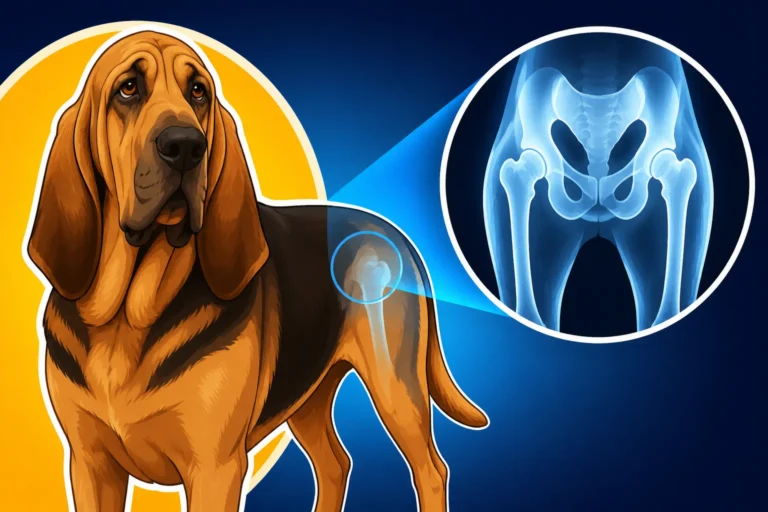
Joint health is a huge factor. Conditions like Hip and Elbow Dysplasia in the Bloodhound are unfortunately common in the breed and can become more pronounced as arthritis sets in during senior years. An older Bloodhound might find sustained running or navigating uneven terrain more challenging. Their once boundless energy might wane, making long, arduous trails more taxing. Even their legendary stamina, crucial for covering miles, will naturally decrease. You'll observe them needing more breaks, perhaps struggling to maintain the pace they once did, or showing signs of discomfort after particularly demanding work. This isn't a lack of desire, but a physical limitation that can’t be wished away.
Mental Acuity and Drive
One of the most profound traits of a Bloodhound is their unwavering dedication to a scent. They possess an incredible focus that often seems impervious to distraction. The good news is that this mental drive and their phenomenal sense of smell often persist well into their senior years. Unlike some other breeds where cognitive decline might impact their ability to perform complex tasks, a Bloodhound's primary tool – their nose – remains remarkably sharp. You'll find that an older Bloodhound can still solve scent puzzles with incredible precision, even if their body can’t keep up with the pace.
However, their tolerance for frustration or intense, prolonged scenarios might decrease. While they might still have the nose, the mental resilience to push through hours of difficult conditions, loud noises, or high-stress environments could diminish. They might tire mentally faster than they once did, leading to shorter effective working periods. It's not that they lose their ability to trail, but perhaps their willingness to sustain the intense concentration required for demanding deployments, especially if coupled with physical discomfort. Their immense desire to work, that famous "nose outvotes its handler" mentality, can sometimes push them beyond what's physically comfortable, so it's up to us as their handlers to be extra vigilant.
Maintaining a Bloodhound's Trailing Capability Beyond Eight
The idea that a Bloodhound's career must end at eight is often challenged by dedicated owners who understand how to adapt and support their senior dogs. With thoughtful management, many Bloodhounds can continue to enjoy and excel in some form of trailing or scent work, even if it's not at the same intensity or for the same duration as their younger days. It's all about tailoring their routine to their evolving needs.
Adaptations in Training and Work
When your Bloodhound reaches senior status – and remember, Aging in a Bloodhound Starts at Six – it's crucial to adjust your expectations and training methods. You might need to shorten trailing sessions, opting for more frequent but less strenuous tracks. Focus on quality over quantity. Instead of multi-mile tracks through challenging terrain, consider shorter, perhaps more complex urban trails, or those laid in areas with softer footing. This allows them to still engage their incredible nose without overtaxing their joints or stamina.
Furthermore, recognize that while your Bloodhound's core trailing instincts are intact, their physical recovery time will be longer. Build in more rest days between working sessions. Emphasize warm-up and cool-down periods, perhaps with gentle stretching, before and after a track. For some dogs, this might mean a transition from intense search and rescue work to more recreational mantrailing or advanced nose work games that still tap into their natural talents. You might even find that Whether an Older Bloodhound Can Still Learn to Trail is a resounding yes, if the learning environment is supportive and physically undemanding. The key is to keep their minds engaged and their bodies moving gently, preserving that profound connection they have with scent.
Nutritional and Veterinary Support for Senior Dogs
Proper care for an aging Bloodhound is paramount. A senior dog's dietary needs change, and a diet specifically formulated for older, large breeds can make a significant difference in maintaining muscle mass, supporting joint health, and managing weight. Consider supplements like glucosamine and chondroitin for joint support, and discuss with your vet whether omega-3 fatty acids or other anti-inflammatory supplements could benefit them. Paying close attention to What Changes in an Old Bloodhound's Diet is vital.
Regular veterinary check-ups become even more critical. These check-ups aren't just for vaccinations; they are opportunities to catch age-related conditions like Heart Disease in the Bloodhound or Hypothyroidism in a Bloodhound early. Your vet can monitor for signs of arthritis, dental issues, or vision and hearing changes that might impact their comfort and ability to work. Remember, The Age a Bloodhound Is Considered Senior is generally around six years old, so proactive care should begin well before eight. These proactive measures can help extend their quality of life, and potentially their working capacity. The costs associated with senior care can be substantial, and it’s during these years that many owners find themselves facing unexpected vet bills. Having a pet insurance plan in place, perhaps from a provider like Healthy Paws, can be an absolute lifesaver, helping to mitigate the financial stress so you can focus on providing the best care. It's worth investigating Whether Pet Insurance Is Worth It on a Bloodhound long before they reach their golden years.
Deciding When to Retire a Trailing Bloodhound
The decision to retire a working Bloodhound is never easy. These dogs live to trail, and their work is often deeply intertwined with their identity and bond with their handler. It requires an honest and sometimes difficult assessment of their well-being, rather than holding onto past glories or personal aspirations.
Recognizing Signs of Decline
It’s crucial to distinguish between a Bloodhound having an "off day" and consistent, unmistakable signs that their body or mind is no longer up to the demands of trailing work. Look for a persistent decrease in stamina during tracks, taking much longer to recover afterwards, or showing overt signs of pain or discomfort. This might manifest as limping, stiffness, a reluctance to engage with the scent article, or even changes in their gait. If they start consistently failing to complete tracks they once found easy, or if their enthusiasm for the harness and long line wanes, these are important indicators.
Cognitive changes, though less common for scent ability, could include increased anxiety during new situations, disorientation, or a general decrease in problem-solving on the trail. Pay attention to subtle cues: are they struggling with scent discrimination in complex environments? Do they get easily distracted by ambient smells that they used to filter out effortlessly? While a Bloodhound’s nose is incredibly potent, even What a Bloodhound Is Actually Smelling on a Trail might become overwhelming if their processing speed declines. Your veteran companion deserves to finish their career with dignity and comfort, not pain or frustration.
Here's a quick checklist to help assess their readiness for retirement:
| Trailing Capability Aspect | Young/Prime Bloodhound (2-7 years) | Senior Bloodhound (8+ years) |
|---|---|---|
| Stamina | High, sustained long tracks | Reduced, needs more breaks |
| Speed | Consistent, moderate to fast | Slower, deliberate pace |
| Physical Agility | Navigates all terrain with ease | Stiffer, may avoid obstacles |
| Scent Focus | Intense, rarely breaks concentration | Still sharp, but may tire mentally faster |
| Recovery Time | Quick bounce back | Longer, noticeable stiffness |
| Enthusiasm for Work | Eager for harness and deployment | May show reluctance or less excitement |
| Injury/Pain | Generally resilient | More prone to injuries, chronic aches |
Transitioning to a Fulfilling Retirement
Retirement doesn't mean your Bloodhound stops being a Bloodhound. Their incredible nose and love for activity remain, they just need new outlets. Focus on enriching their lives with modified scent games and lighter activities. Instead of demanding trailing, try simpler "find it" games around the house or yard. Short, leisurely walks where they can sniff to their heart's content can be incredibly satisfying for them. Remember, Mantrailing Is the Answer to a Bloodhound, Not Obedience because it taps into their deepest instincts. A retired trailing dog can still enjoy short, fun "sniffaris" without the pressure of a specific "target."
Providing mental stimulation is just as important as physical activity for an older dog. Puzzle toys, new scents to explore in the backyard, or even just more dedicated cuddle time on the couch can keep them happy and engaged. Ensure they have a comfortable, warm bed, as older joints appreciate extra padding. Continue to provide the same love, routine, and attention they’ve always known. Even in retirement, their quality of life remains a top priority, and a comprehensive pet insurance plan, such as one offered by Healthy Paws, can help ensure you can afford the ongoing senior care they deserve. This period is a chance to deepen your bond, celebrating a lifetime of dedication and incredible work.
Disclaimer
This article is for general informational purposes only and does not constitute professional advice. Laws, prices and regulations vary by location and change over time. Consult a qualified professional for guidance on your specific situation.